 Los Feliz Nail Salon Walk In Finder for Broken Nail Repair
Neighborhood Guides
Highland Park Art Walk Route Planner: Free Arroyo Loop
Follow a free Arroyo Seco craft route along North Figueroa Street and York Boulevard in Highland Park, linking 1920s brick facades with mural alleys.
Nestled in the sycamore-lined valley of the Arroyo Seco between Downtown Los Angeles and Pasadena, Highland Park is one of Southern California's oldest artistic communities, having served as the headquarters of the Arroyo Arts and Crafts movement at the turn of the twentieth century. Following a Highland Park art walk route planner allows you to link the river-boulder masonry and historic pressed-brick commercial blocks along North Figueroa Street with the independent print shops, ceramic studios, and Chicano heritage murals lining York Boulevard. Because the station plazas, historic architectural facades, and painted side alleys remain free to explore on foot, this route connects over a hundred years of Northeast Los Angeles craft in a single unhurried walk.
Starting Near the Arroyo Seco Stonework and Southwest Museum Crest
Begin your walk at the southern gateway of the neighborhood near the Southwest Museum Metro A Line station and Marmion Way, where the wooded slopes of Mount Washington meet the Arroyo Seco channel. In 1897, writer and preservationist Charles Fletcher Lummis began hand-building his river-boulder residence, El Alisal, just east of North Figueroa Street along the Arroyo Seco, catalyzing a regional colony of plein-air painters, woodworkers, and fine press printers.
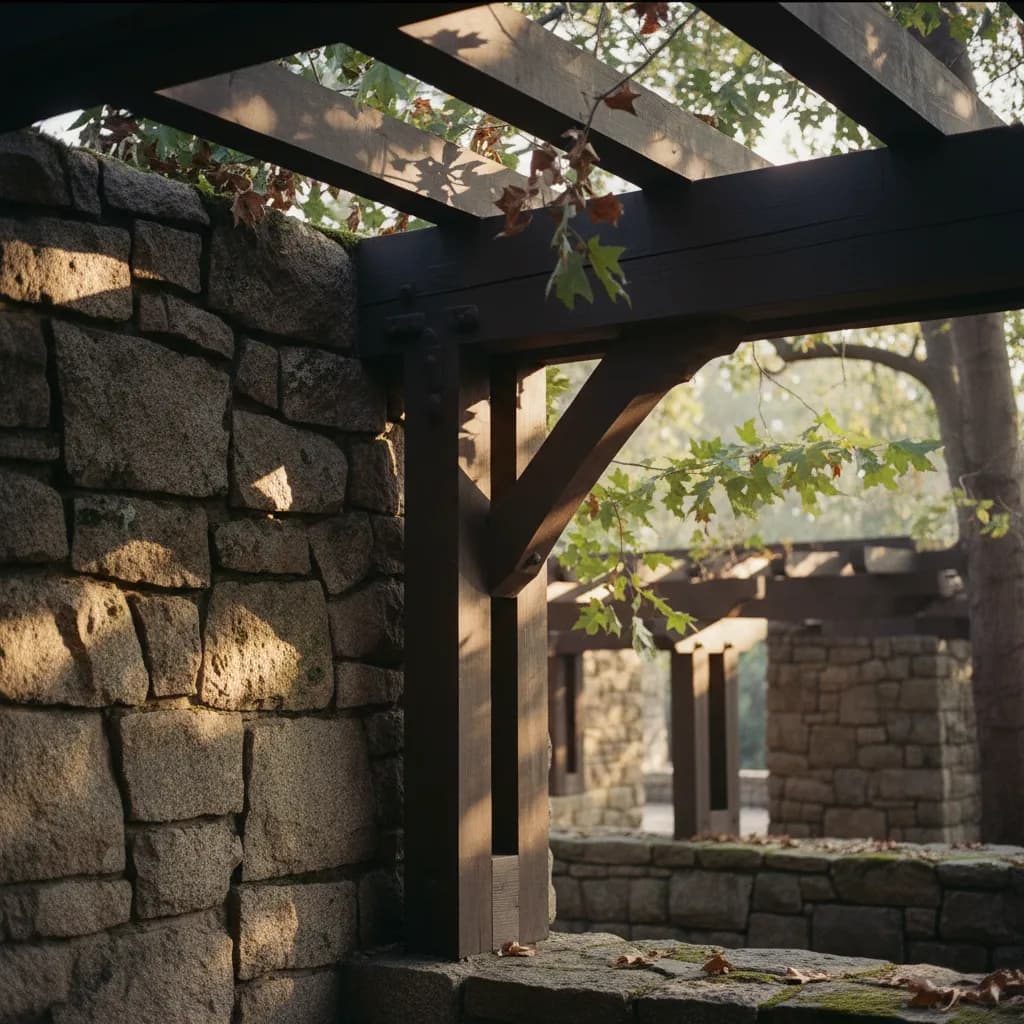
As you walk north along Marmion Way and North Figueroa Street toward Avenue Fifty, look closely at the retaining walls, porch piers, and garden pergolas constructed from rounded granite cobblestones gathered directly from the dry riverbed of the Arroyo Seco. Combined with dark-stained Douglas fir timbers and overhanging California sycamore branches, this distinctive stonework establishes the tactile craft vocabulary that sets Highland Park apart from flatland commercial districts.
Just east of North Figueroa Street along the Arroyo Seco parkway sits Sycamore Grove Park, where monumental river-rock pillars and shaded picnic pavilions have welcomed neighborhood gatherings since the early streetcar era. Stepping up to the western edge of the park gives you a clear view of how Highland Park's early builders blended municipal park architecture with the natural curves and native oak and sycamore canopy of the canyon.
Pressed-Brick Cornices and Mural Alleys Along North Figueroa Street
Continue northeast up North Figueroa Street between Avenue Fifty and Avenue Sixty, the historic commercial spine where the Highland Park Masonic Temple (built in 1923) and the Spanish Churrigueresque dome of the Highland Park Theatre (opened in 1927) anchor a dense row of early twentieth-century masonry storefronts. Examine the upper cornices along both sidewalks to spot moulded terracotta rosettes, leaded transom glass, and original hexagonal tile entryways.
Step off the main sidewalk at the numbered cross streets—particularly Avenue Fifty-Six, Avenue Fifty-Seven, and Avenue Fifty-Eight—where the Highland Park station plaza runs down the center of Marmion Way. The brick side walls and service alleys flanking North Figueroa Street showcase vibrant community murals honoring Northeast Los Angeles musicians, indigenous Tongva plant life, and classic lowrider culture, painted in warm earth tones and saturated blues that echo the surrounding San Rafael Hills.
Walking along the Marmion Way transit promenade also lets you observe the public civic artworks integrated into the Metro rail platforms, where forged steel canopies and stone pillars reference the neighborhood's early Arroyo craftsmen. The wide pedestrian median provides unobstructed sightlines toward the two-story brick facades on either side of the tracks.
Crossing Monte Vista Street Into the York Boulevard Creative Corridor
At Avenue Fifty-Six or Avenue Fifty-Four, turn northwest and walk four quiet residential blocks past Monte Vista Street until you reach York Boulevard, the neighborhood's east-west creative artery. This short connector walk carries you past early 1910s California bungalows with wide front porches, river-rock chimneys, and front gardens planted with white sage, toyon, and California poppies.
Once you reach York Boulevard between Avenue Fifty-Four and Avenue Fifty, turn west to explore the stretch of single-story brick storefronts where independent letterpress printers, risograph zine publishers, ceramicists, and vintage design dealers maintain street-facing studio windows. Unlike high-rise gallery districts, the studios along York Boulevard keep their worktables and drying racks visible right behind the front glass, allowing passersby on the sidewalk to watch block prints and hand-thrown stoneware take shape.
This devotion to workshop transparency carries forward the century-old legacy of the Judson Studios, founded in 1897 by painter William Lees Judson in the neighboring Garvanza hills at the northern edge of Highland Park, where artisans have leaded and fired architectural stained glass for five generations. Seeing contemporary ceramicists, woodworkers, and printmakers working along York Boulevard and Avenue Fifty-Two makes clear that the Arroyo Seco remains a living production corridor rather than a static historic district.
Pause at the corners of Avenue Fifty-One and Avenue Fifty-Two to admire the hand-painted typography, botanical murals, and mosaic planter boxes that line the cross streets off York Boulevard. Because the buildings along York Boulevard rarely exceed one or two stories, unimpeded afternoon sunlight illuminates the whole width of the street and highlights the warm red and buff brickwork.
Whenever you want to pause your walk between North Figueroa Street and York Boulevard for a shaded courtyard aguas frescas, an artisanal taco stand, or a specialty coffee counter, open the Karpo APP and ask in natural language for Highland Park spots that fit your afternoon route.
Twilight Foothill Views at Avenue Fifty and Practical Walking Tips
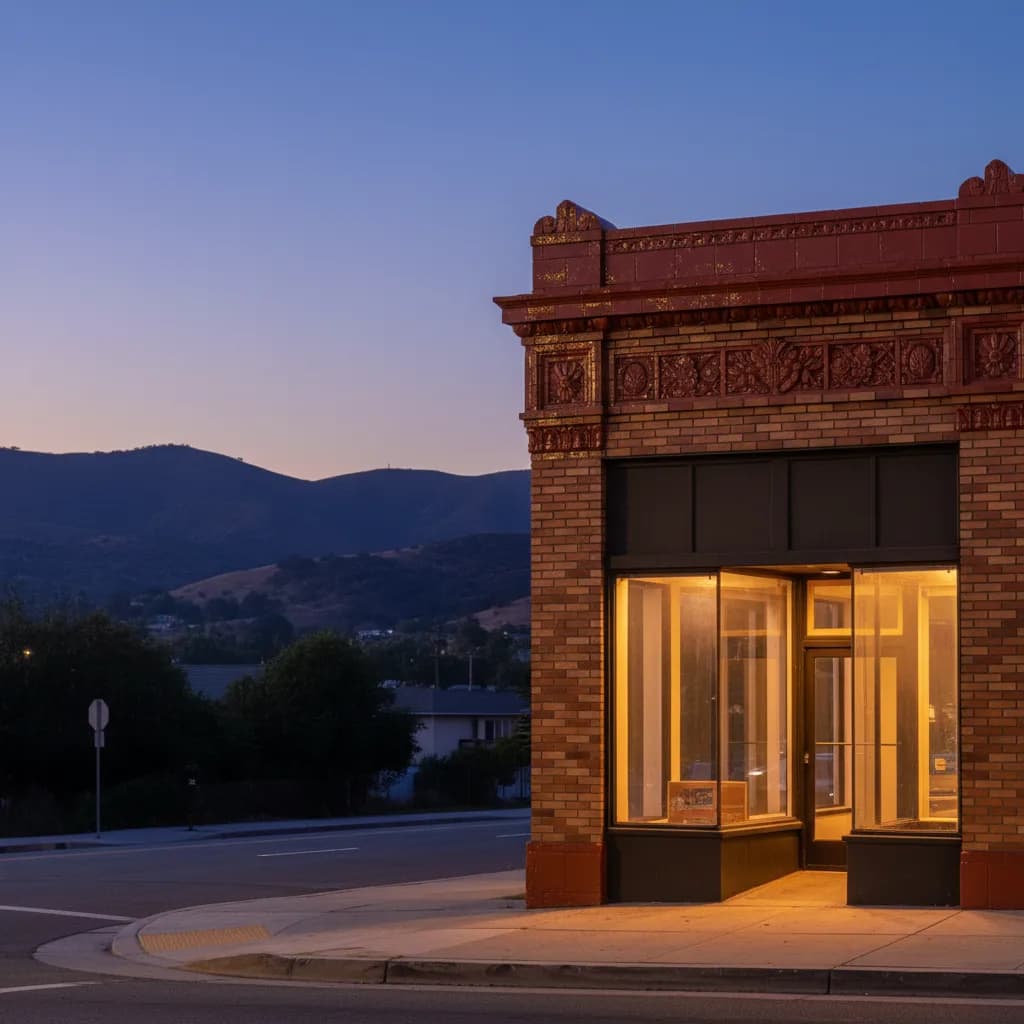
Finish your walk near the intersection of York Boulevard and Avenue Fifty, where the street opens toward the rolling ridgelines of the San Rafael Hills and Eagle Rock to the north. As the sun dips during the final hour of daylight, the pressed-brick parapets and terracotta trim on the corner buildings catch a warm copper glow against the deep cobalt twilight of the foothills.
Because the complete walk from the Southwest Museum or Highland Park Metro A Line station along North Figueroa Street and across to York Boulevard spans roughly one and a half miles of gentle valley grades, plan on ninety minutes to two hours at a relaxed pace. Use the signalized crosswalks at North Figueroa Street and Avenue Fifty, bring a light jacket for the cooler evening air that funnels down the Arroyo Seco canyon after sunset, and enjoy photographing the historic masonry and public murals from the wide neighborhood sidewalks.
Ask Karpo for more information.
Keep reading
- Los Feliz Nail Salon Walk In Finder for Broken Nail Repair
 Highland Park Nail Salon Walk In Finder for Retro Manicures
 Koreatown Nail Salon Walk In Finder for K-Beauty Nail Looks