 Burbank Film Memorabilia Collector Shop Walk: Studio Stash
Hidden Gems & Odd Finds
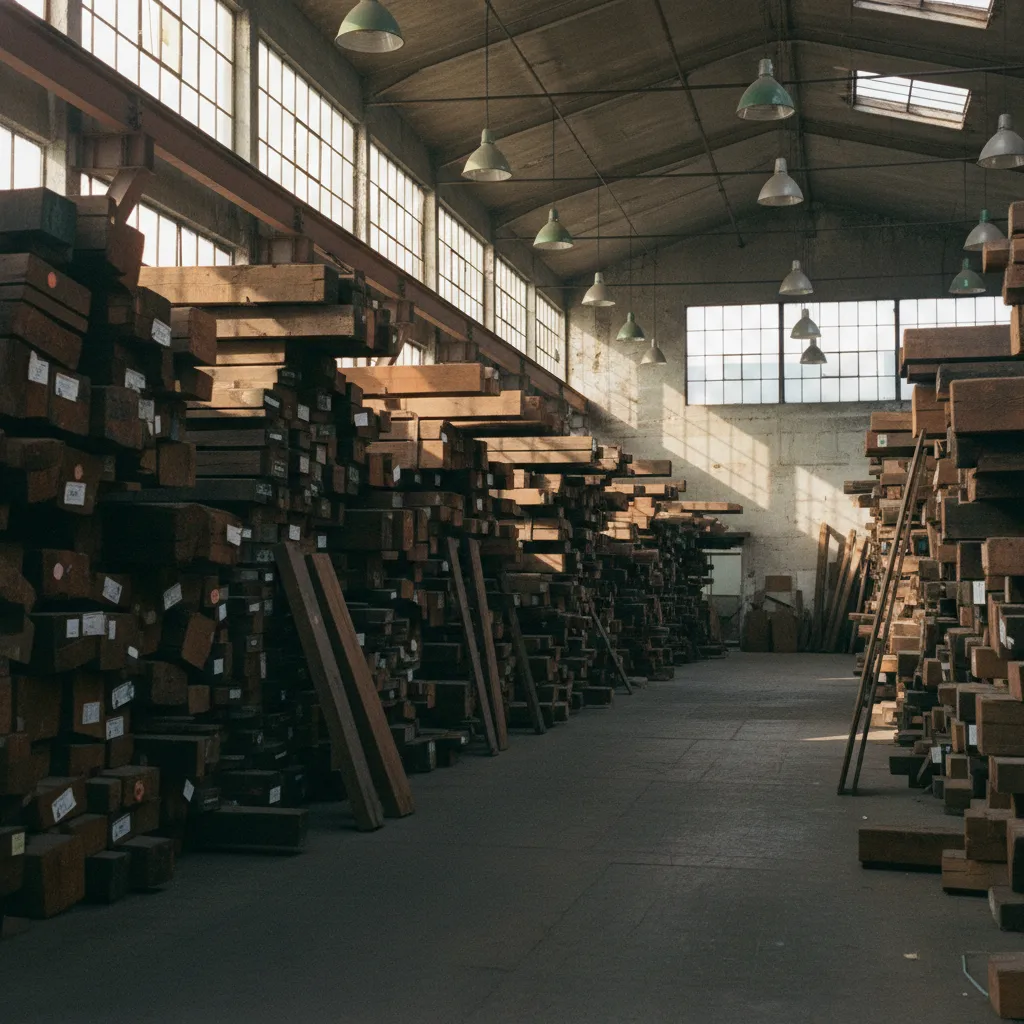
LA Architectural Salvage Yard: Arts District Relics
Source industrial architectural salvage yard materials across the Arts District, from railway timbers to heavy steel casement warehouse windows.
Downtown Los Angeles's Arts District stands as a monument to Southern California's early twentieth-century freight railroad, citrus packing, and manufacturing empire, providing an extraordinary territory for exploring an architectural salvage yard. Stretching along the eastern bank of the Los Angeles River, this industrial neighborhood was interlaced with Santa Fe Railway spurs, cold storage plants, iron foundries, and multi-story masonry factories constructed between eighteen ninety and nineteen forty. As visionary artists, restaurateurs, and developers transform these cavernous brick and concrete complexes into dynamic loft residences and studios, specialized architectural salvage yard warehouses rescue immense volumes of heavy structural timber, steel casement windows, riveted fire doors, and vintage industrial enamel lighting. For builders seeking authentic industrial artifacts with rugged durability and unmistakable character, the Arts District salvage trail is unmatched.
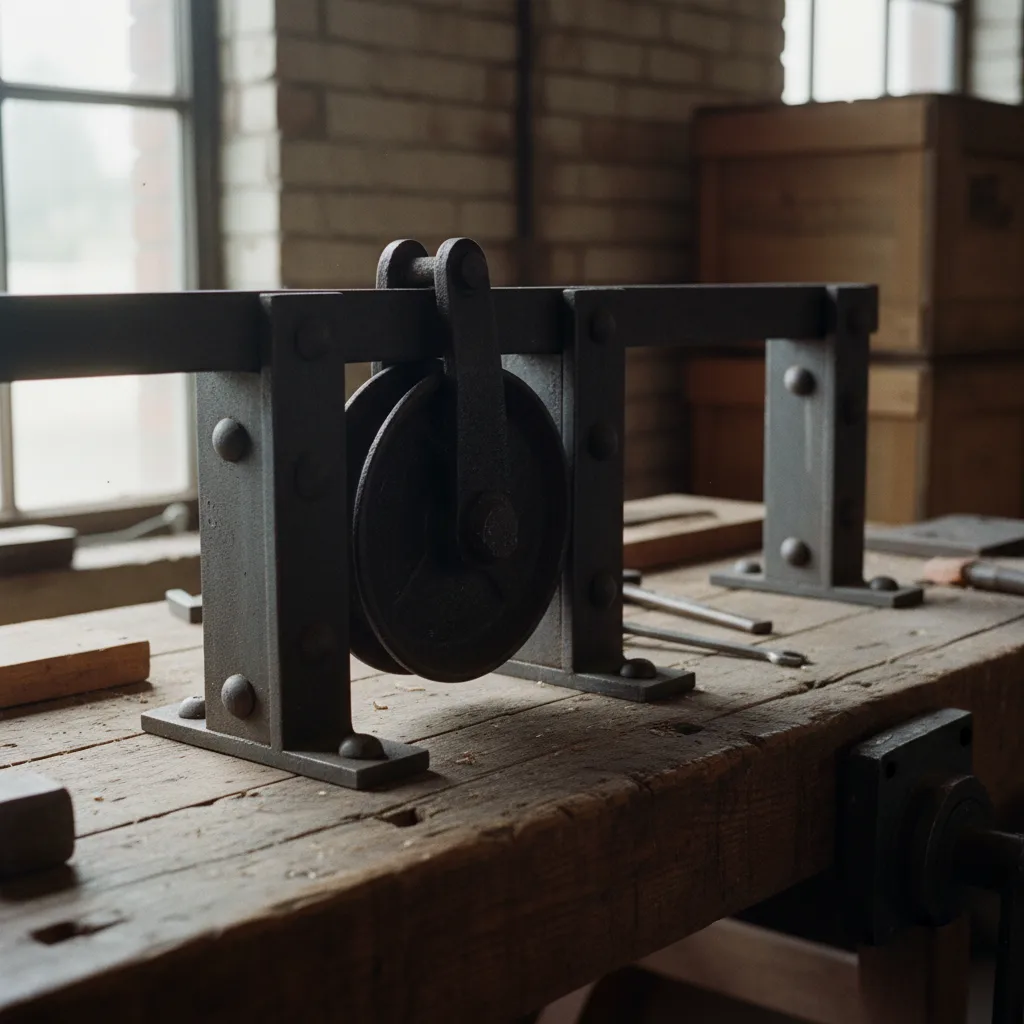
The defining pride of an architectural salvage yard in the Arts District is its inventory of massive Santa Fe Railway timber. Historic freight loading docks, citrus packing sheds, and railroad maintenance shops required colossal Douglas fir and redwood structural timbers capable of enduring relentless freight traffic and heavy mechanical vibrations. Salvage teams extract these massive twelve-by-twelve and fourteen-by-fourteen-inch posts and beams during adaptive reuse conversions. At the architectural salvage yard, these timbers display weathered saw kerfs, rusted iron bolt holes, and deep historic oil patinas. Custom furniture artisans and architects frequently mill these heavy railroad timbers into dramatic dining tables, structural entrance lintels, and architectural pergolas that serve as striking focal points in modern industrial-chic residences.
Santa Fe Railway Timber and Heavy Industrial Girders
Multi-pane industrial steel casement windows represent another highly coveted specialty throughout Arts District salvage collections. Manufactured by historic industrial makers like Detroit Steel Products and Fenestra during the nineteen twenties, these heavy hot-rolled steel sash frames were engineered to flood manufacturing floors with natural northern daylight. Salvaged sections feature classic nine-pane, twelve-pane, and sixteen-pane configurations with center awning hoppers and original brass cam-action latches. When cleaned of historic paint and resealed with matte clear coat or blackened patinas, these architectural salvage yard windows make breathtaking interior partition walls, shower enclosures, and dramatic sunroom walls that introduce authentic factory character.
In addition to windows, heavy tin-clad and riveted steel sliding fire doors stand out among Arts District salvage inventory. Engineered to contain industrial fires within separate warehouse bays, these colossal doors featured diagonal wooden cores sheathed in lock-seamed galvanized tin or heavy overlapping steel plates secured with round-headed rivets. An authentic architectural salvage yard typically preserves the accompanying heavy cast-iron track rollers, inclined overhead rails, and counterweight gravity pulleys that allowed doors to glide shut automatically. Rehung inside modern loft spaces as dramatic sliding room dividers or statement entrance doors, they bring monumental industrial weight.
Multi-Pane Steel Factory Windows and Sliding Fire Doors
Inspecting heavy industrial artifacts at an architectural salvage yard requires practical safety awareness and methodical evaluation. Because industrial elements are heavy and structurally complex, visitors should wear steel-toed work boots, thick leather gloves, and carry a twenty-five-foot locking steel tape measure and a strong pocket magnet. When evaluating industrial steel window sashes, inspect frame corners for rust jacking or bowed steel T-bars. Verify that pivot hinges operate freely without binding and that original brass locking handles remain securely pinned to their sash rails. Yard staff can often recommend specialized sandblasting and powder-coating artisans who can prepare vintage steel frames for modern glazing.
For heavy industrial pendant lighting, inspect the porcelain enamel shades for chipping around the lower rim and neck mounting flange. Authentic Arts District factory lamps were manufactured by companies like Benjamin Electric and Crouse-Hinds using heavy steel spun shades coated with durable green or white vitreous enamel. Check the cast-aluminum or cast-iron top mounting cap to ensure that threaded pipe junctions remain clean and undamaged. Rewiring these vintage fixtures with modern grounded copper wiring allows them to illuminate kitchen islands and workshop counters safely.
Inspection Standards for Heavy Industrial Metalwork
Immersing yourself in the surrounding streetscapes of the Arts District offers deep context for your salvage discoveries. A walking circuit along Mateo Street, Santa Fe Avenue, and East 4th Street reveals monumental brick and reinforced concrete factory buildings standing beside historic railroad tracks and towering concrete bridges spanning the Los Angeles River. Notice the heavy steel loading dock plates, the cantilevered steel awnings, and the original hand-painted ghost signs advertising coffee roasting companies, freight forwarders, and industrial ice plants. Witnessing these industrial landmarks helps you appreciate how salvaged factory components originally functioned within daily manufacturing life.
Throughout the Arts District, former textile mills and freight depots have found new life as vibrant contemporary art galleries, craft breweries, and farm-to-table restaurants that proudly celebrate architectural salvage yard elements. Seeing reclaimed timber railway beams serving as bar footrails or factory fire doors serving as gallery partitions provides inspiring and practical ideas for incorporating rugged industrial artifacts into your own domestic renovation.
Walking Among Historic Warehouses in the Arts District
Transporting massive industrial materials from an Arts District architectural salvage yard demands dedicated freight equipment. Heavy structural timbers, steel window assemblies, and iron fire doors often weigh several hundred pounds and cannot fit into passenger vehicles. Reputable salvage yard operators maintain relationships with flatbed trucking couriers equipped with hydraulic lift gates and heavy forklifts. Always verify doorway widths, hallway clearances, and elevator dimensions at your project site before purchasing monumental industrial pieces, ensuring that heavy materials can be safely navigated into your living space without damaging finished walls.
For smaller architectural salvage yard items like porcelain enamel pendant shades, brass factory valves, and iron caster wheels, pack components securely into heavy-duty plastic totes lined with moving quilts. Distribute weight evenly and keep original mounting bolts and brackets labeled in separate zip bags alongside each fixture, streamlining installation when your electricians and contractors begin work on site.
Heavy-Duty Transport and Safe Structural Installation
Karpo APP serves as your essential digital companion during your Arts District architectural salvage yard journey. Use Karpo APP to log beam measurements, store fixture specifications, and map optimal pedestrian routes between supply yards and historic landmarks. The app makes it simple to discover nearby artisanal coffee roasters, craft bakeries, and quiet shaded courtyards for refreshing midday pauses. With comprehensive mobile organization, Karpo APP ensures your industrial salvage sourcing expedition is efficient, productive, and thoroughly enjoyable.
Reclaiming and repurposing the industrial artifacts of the Arts District honors Los Angeles's gritty manufacturing and railroad heritage. Every massive railway timber, steel casement window, and riveted fire door carries forward the enduring strength of the workers who built the city. By welcoming these storied materials into your home or creative studio, you create spaces rooted in authentic urban history and industrial durability.
Ask Karpo for more information.
Keep reading
- Burbank Film Memorabilia Collector Shop Walk: Studio Stash
 Pasadena Film Memorabilia Collector Shop Walk: Classic Route
 Silver Lake Film Memorabilia Collector Shop Walk: Indie Lore