 Sawtelle Bowling Group Night Planner for a College Reunion
Sports Social
LA Archery Range: Family Visit Questions Before You Book
Prepare a family archery range visit in Los Angeles by sorting ages, supervision, lesson pace, equipment and travel questions before checkout.
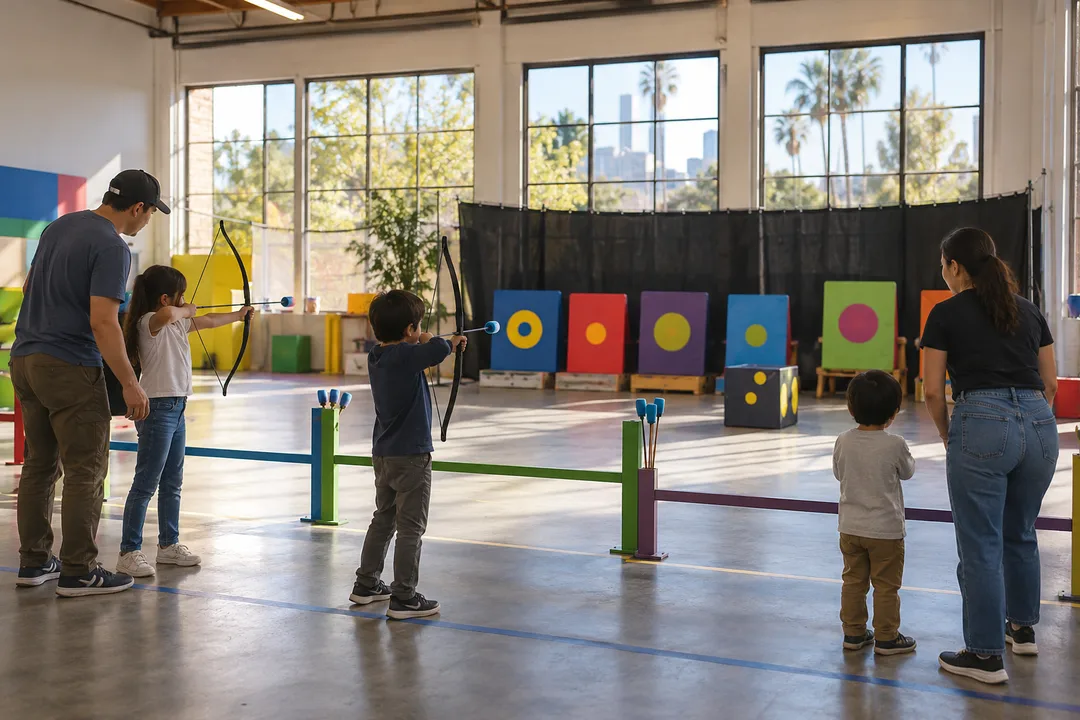
A family archery range outing in Los Angeles needs more than a search for the nearest lane. Children may have different ages, heights, attention spans and comfort with a new group, while adults may want instruction rather than a free-practice block. Start in the Karpo APP with every participant’s age, the adult who will stay on site, the preferred date and the need for supplied equipment. Then ask for options organized around eligibility, supervision, pace, access and an easy return home.
List the family as real participants
Write down who will shoot, who will supervise and who may simply watch. Include ages rather than saying “kids,” because a provider may use different groupings for younger children, teens and adults. Note whether anyone has tried target sports before. A family with one confident teen and two beginners may need a different arrangement from a group where everyone is new. Specific information prevents the first result from being treated as a universal fit.
Ask Karpo to separate family introductions, mixed-age classes and open practice. The useful question is not whether a range is “family friendly” in a general sense; it is how the session is structured for the people you are bringing. If an adult must remain present, put that requirement in the request. If a child needs a slower explanation, say so before checkout instead of assuming a group lesson will pause.
Turn supervision into a direct question
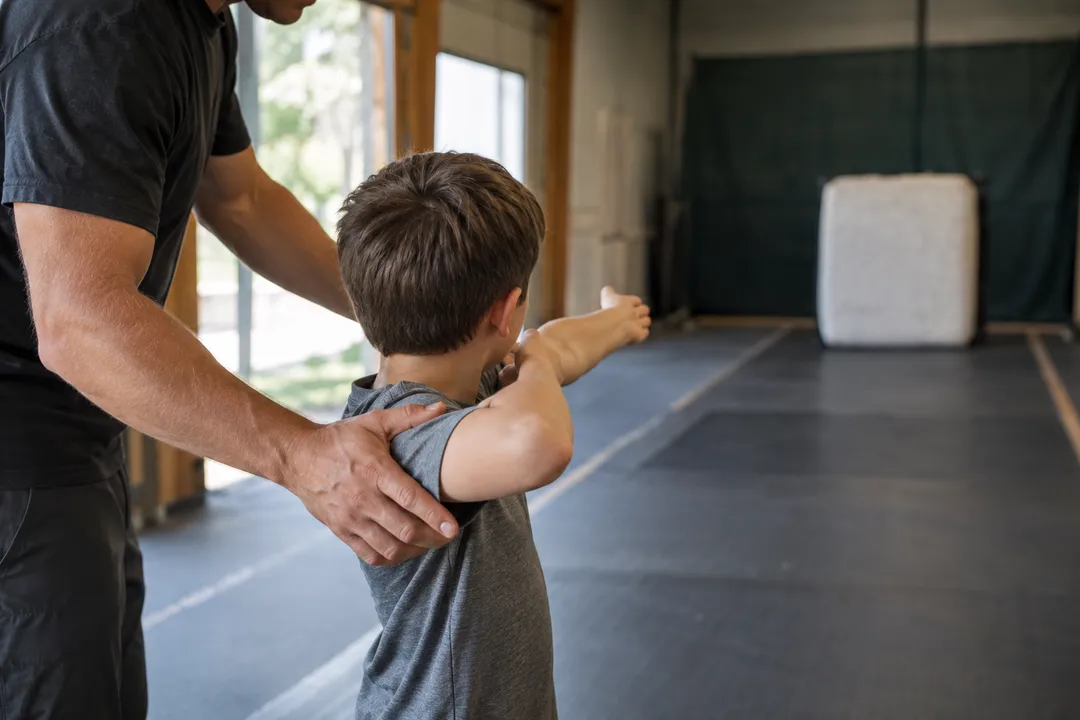
Supervision has several meanings. It can describe an instructor on the line, an adult responsible for a child, or a staff member managing a shared room. Ask which adult must participate, where a non-shooting guardian may stand and how the group rotates. These details matter for a child who needs reassurance and for an adult who wants to help without interrupting coaching.
Build five questions into the comparison: who teaches, who stays, how the shooting line is organized, what happens during a break and whether observers have a designated place. A short answer is useful if it comes from the provider’s actual rules. Keep those answers with the offer you are considering so a family member does not arrive with a different expectation about participation.
Match the lesson pace to attention
A child can be excited by the target and still lose focus during a long explanation. Ask how the introduction balances demonstration, practice and breaks. An older child may enjoy a challenge or a scorecard, while a younger participant may benefit from short turns and visible encouragement. Do not promise a specific teaching style until it appears in the selected offer; describe the attention span and let the instructor match the format.
Use the Karpo APP to request two pacing options: one with a compact introduction and one with more coached time. Tell it whether the family would rather learn slowly or keep the activity moving. If a sibling will wait between turns, ask for a plan that keeps the waiting child comfortable. The practical goal is a session where everyone gets a safe role, not a race to the highest score.
Make equipment a family-size question
Supplied equipment can make a family outing much easier, but “rental available” does not answer whether the fit works for every participant. Include approximate heights, handedness and the fact that nobody is bringing personal gear. Ask whether the instructor handles fitting, whether protective pieces are supplied and whether children use a different setup. Avoid guessing technical specifications from a general listing.
Keep the equipment question simple: “Can the selected family lesson provide and fit the gear for all participants?” If the answer differs by age group, keep the family together only if the provider says the formats can share a session. A separate lesson may be kinder than forcing one child into an unsuitable block. Karpo can sort the choices, while the provider’s checkout determines the actual inclusions.
Choose travel that leaves room for children
The easiest family trip has a calm arrival. Give Karpo the neighborhood you leave from, whether you carry a stroller or bulky bag and the latest time you can return. Add parking or transit preferences and allow extra minutes for bathroom breaks, snacks and finding the entrance. A route that works for two adults may feel punishing with a tired child after school.
Ask for an option with a simple approach and a flexible nearby stop. A small snack or short walk can help the group reset before the lesson, but do not stack a second timed attraction immediately afterward. If an afternoon session conflicts with school or a nap, request an evening alternative only if the children can comfortably handle it. The best itinerary respects the family’s energy as much as the map.
Write the family request before checkout
A clear message can be short: “We are two adults and two children, ages [x] and [y], all new, leaving from Los Angeles, and need a coached lesson with supplied equipment. One adult will supervise throughout.” Add your date, desired pace, accessibility questions and the latest return time. This gives the provider a useful starting point and keeps the shortlist from filling with adult-only or practice-only offers.
Use the Karpo APP to compare the answers, then open the provider’s own booking page for the exact session. Save the participation rule, arrival instruction and any waiver requirement. Karpo does not certify a venue’s supervision policy or reserve a place. Once the family chooses, keep the rest of the day light: water, comfortable clothes, an uncomplicated meal and a plan that lets a child stop before frustration takes over. Before the day, tell each participant what will happen in simple language: arrival, safety talk, turn-taking, practice and a finish. That preparation can reduce the pressure on a child who is excited but uncertain. Bring only what the provider allows, keep the route note accessible and leave time for a snack before the lesson if needed. If one child decides not to shoot, ask about an observer role rather than treating the outing as wasted. A family plan succeeds when everyone leaves feeling respected, even if the first session becomes a short introduction instead of a full practice block. Save the questions and answers for the next visit.
Ask Karpo for more information.
Keep reading
- Sawtelle Bowling Group Night Planner for a College Reunion
 Larchmont Bowling Group Night Planner for Carpool Parents
 Boyle Heights Bowling Group Night Planner for a Quince Court