 Burbank Film Memorabilia Collector Shop Walk: Studio Stash
Hidden Gems & Odd Finds
Silver Lake Antique Print Map Shop Trail Guide
Explore Silver Lake flat-file drawers along Sunset Boulevard with tips for checking lithograph paper, local reservoir maps, and framing preservation.
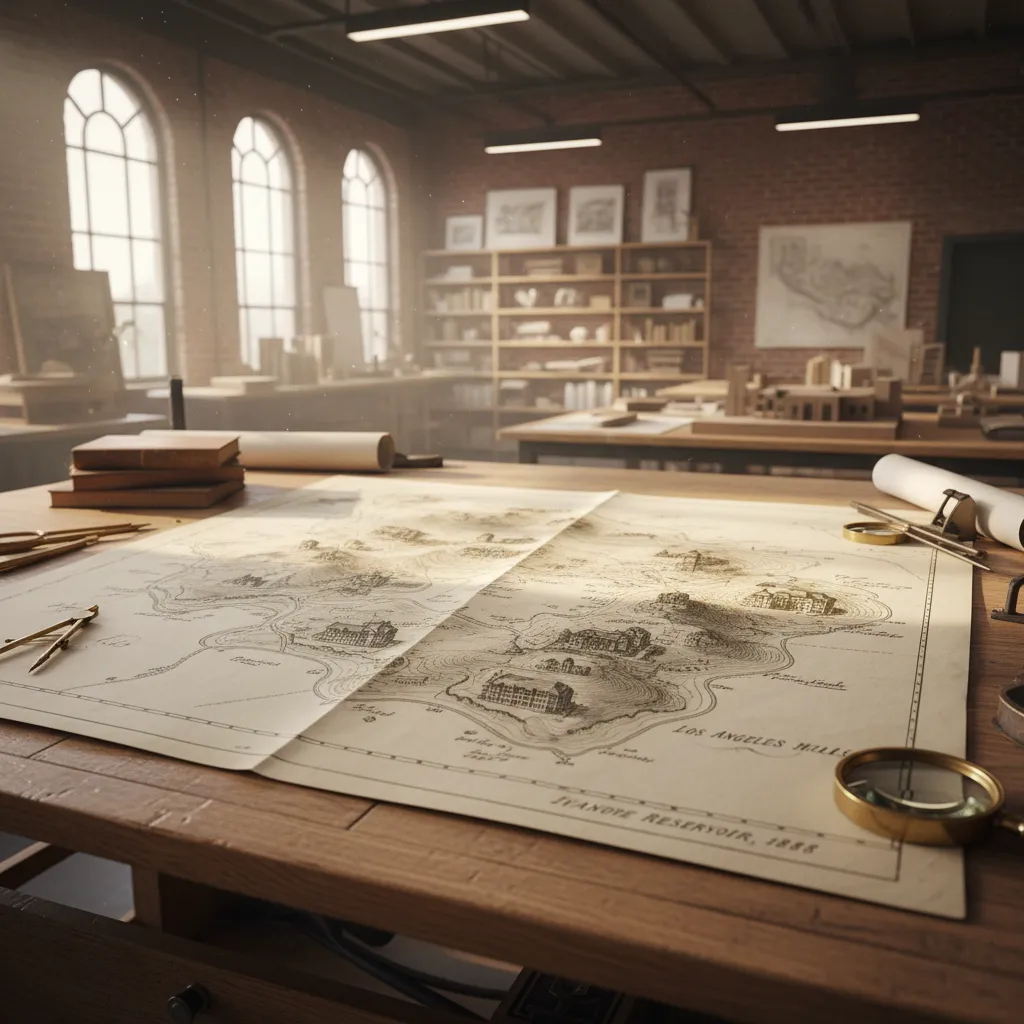
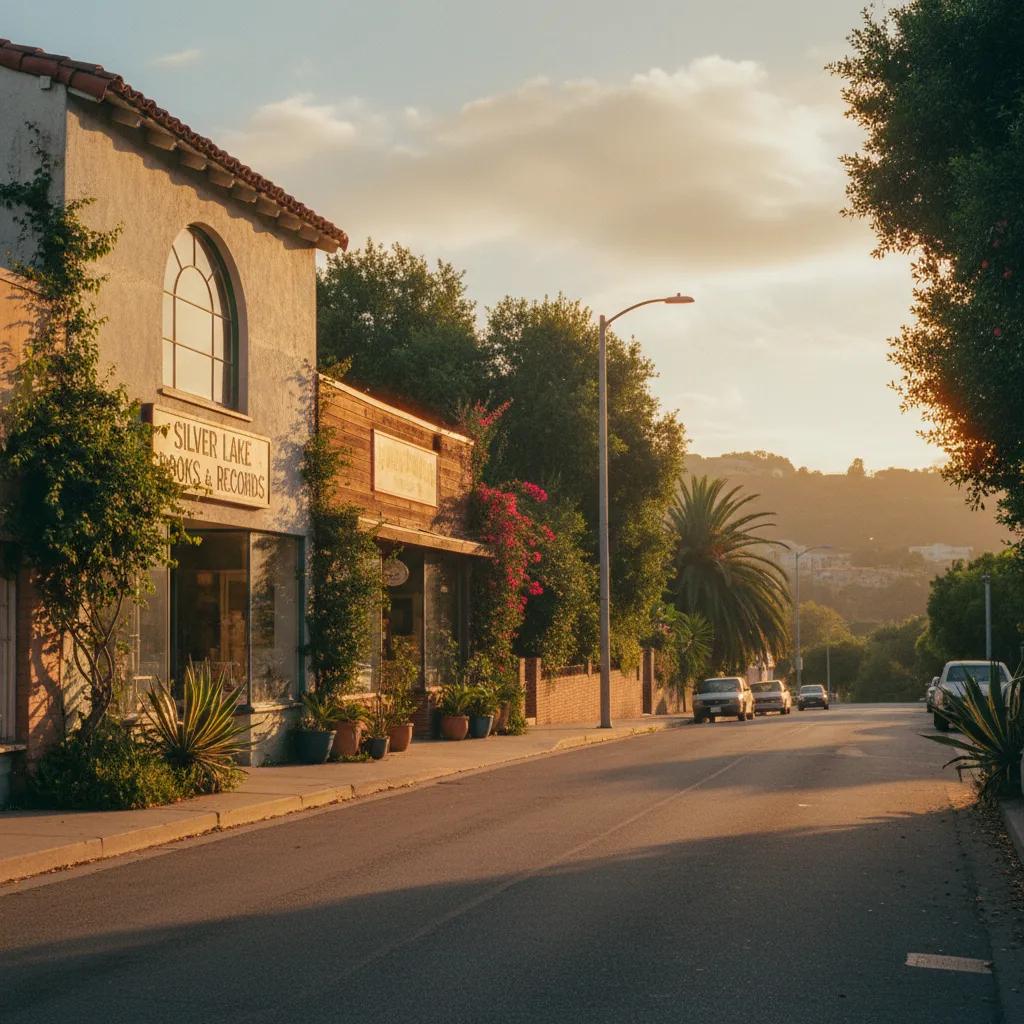
Perched along the rolling hills just northwest of downtown Los Angeles, Silver Lake presents a culturally vibrant setting for visiting an antique print map shop. Centered around the energetic commercial spine of Sunset Boulevard and the surrounding residential slopes, this creative enclave has long welcomed visual artists, modernist architects, and devoted historians. Collectors visiting the district can discover vintage California county atlases, early municipal water surveys, and delicate botanical lithographs nestled within boutique print drawers. Navigating these historic paper folios provides an intimate look into the agricultural tracts and early rail lines that predated modern residential subdivisions. Utilizing Karpo APP allows you to map your gallery route efficiently across steep hillside avenues while discovering historic staircases and peaceful neighborhood coffee stops.
Navigating Sunset Boulevard and Silver Lake Junction Paper Collections
The primary corridor for antique paper hunting in Silver Lake runs along Sunset Boulevard, particularly around the dynamic intersection known locally as the Junction. In this bustling neighborhood stretch, independent bookstores, mid-century design boutiques, and specialty ephemera spaces curate rotating selections of vintage maps and historical prints. Unlike high-volume commercial auction houses, these neighborhood establishments invite visitors to pull out flat-file drawers at their own unhurried pace. Browsers frequently encounter hand-colored stone lithographs, decorative ornithological engravings, and turn-of-the-century real estate promotional broadsides that illuminate Southern California's rapid land booms.
Engaging with experienced neighborhood shopkeepers provides valuable context regarding the provenance and printing lineage of available sheets. Many local proprietors possess an encyclopedic knowledge of early Los Angeles regional development, readily pointing out historic boundaries between Spanish rancho concessions and later homestead patents. Taking the time to handle paper carefully by the margins or inside archival polyester sleeves ensures that fragile century-old deckled edges remain intact during inspection.
The surrounding side streets also house independent custom framing studios where skilled craftsmen understand the preservation needs of aged paper. Stopping into these workshops allows collectors to consult on period-appropriate matting colors and archival mounting hinges before completing a purchase. Maintaining a focused list of desired historical eras or geographic regions keeps your afternoon exploration structured as you move between independent storefronts.
Identifying Vintage Lithographic Textures and Early Reservoir Surveys
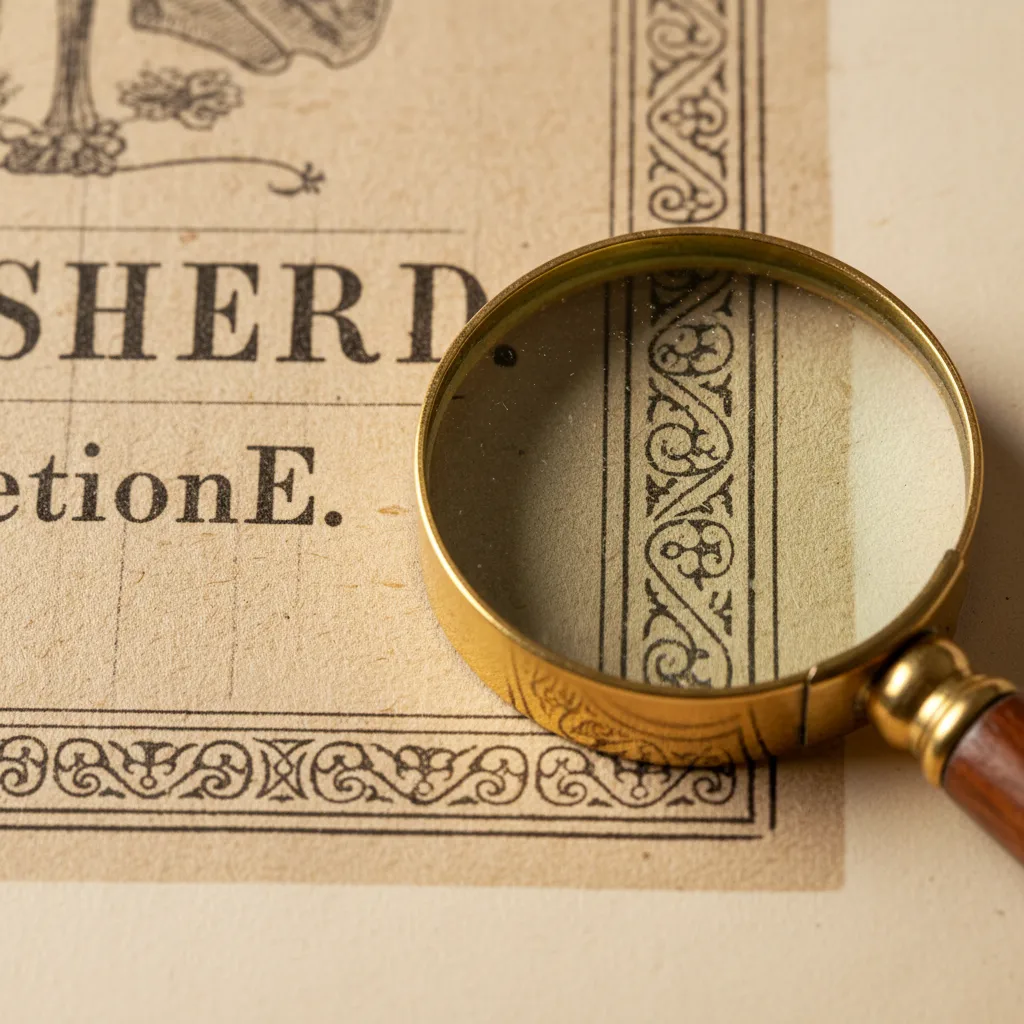
Distinguishing an authentic period print from a modern digital reproduction requires careful examination of paper structure and printing marks. Most late 19th-century cartographic plates were produced using stone chromolithography or transfer lithography, yielding smooth tonal transitions and soft, organic pigment textures. Under close magnification with a jeweler's loupe, authentic lithographs display irregular ink grain rather than the rigid dot rosette patterns characteristic of four-color offset printing.
Early civic surveys depicting the construction of the Silver Lake Reservoir—completed in 1907 as part of William Mulholland's regional water storage network—remain among the most sought-after cartographic artifacts in the neighborhood. These detailed municipal engineering plans feature intricate contour elevations, proposed water delivery conduits, and historic boundary markers for the Ivanhoe tract. Checking for crisp lithographic publisher credits along the bottom sheet margin helps establish exact publication dates and printing editions.
Furthermore, authentic period paper exhibits distinct physical qualities that cannot be accurately replicated by modern synthetic papers. Nineteenth-century rag paper was manufactured from cotton and linen textile fibers, resulting in a flexible, velvety surface that resists brittle yellowing when shielded from acidic wood pulp. Holding an unbacked sheet toward indirect natural window illumination reveals subtle paper mold wire patterns and laid chain lines that confirm artisanal manufacturing techniques.
Tracing Ivanhoe Tract and Edendale Film Colony Cartography
Cartographic folios focusing on Silver Lake and adjacent Echo Park document a fascinating period of cultural and industrial experimentation. Before receiving its current name, the northern portion of the neighborhood was surveyed as the Ivanhoe district, named by early Scottish investor Hugo Reid after Sir Walter Scott's romantic novels. Early land grant disenos and 1880s subdivision sheets show meandering dirt wagon roads winding through wild sage scrub where modern residential avenues now climb.
To the east along Glendale Boulevard lay historic Edendale, where pioneering silent motion picture studios established Southern California's earliest film production facilities in the early 1910s. Historical fire insurance atlases and municipal parcel maps from this era record the physical footprints of silent film stages, outdoor processing labs, and early electric streetcar spurs operated by the Pacific Electric Railway. Comparing these archival plots with modern street directories reveals how early movie industry infrastructure influenced local commercial zoning.
Studying these transitional township plans also highlights how prominent mid-century architects later adapted the steep topography of Silver Lake. Renowned designers including Richard Neutra, Rudolf Schindler, and John Lautner utilized vacant hillside lots to create internationally acclaimed modernist residences. Acquiring an original subdivision plat showing these virgin hillside contours provides collectors with a profound appreciation for Los Angeles's architectural evolution.
Ultraviolet Protection and Archival Framing for Sunny California Homes
Preserving delicate paper art in Southern California's sun-drenched climate demands strict adherence to museum-quality framing standards. Intense ambient sunlight carries elevated ultraviolet radiation that rapidly destabilizes organic watercolors and bleaches printer's ink, causing irreversible discoloration and fiber embrittlement. Standard decorative picture frames equipped with basic window glass offer negligible UV resistance, making professional conservation upgrades essential.
When framing valuable cartographic acquisitions, insist that framers use museum-grade acrylic glazing or conservation reflection-control glass offering at least 99 percent ultraviolet filtration. Additionally, ensure the artwork is mounted using 100 percent cotton rag mat boards that are completely acid-free and lignin-free. Mounting must be executed using reversible Japanese kozo paper hinges adhered with wheat starch paste, avoiding pressure-sensitive adhesive tapes that leave permanent oily stains.
For collectors maintaining unframed prints in flat drawers, climate consistency remains critical. Store sheets inside inert polyester sleeves separated by acid-free interleaving paper, keeping drawers away from exterior walls subject to intense afternoon thermal shifts. Regular monitoring prevents environmental warping and preserves pristine paper crispness for generations of collectors.
Exploring Hidden Staircases and Architectural Landmarks Near the Reservoir
An afternoon of cartographic hunting pairs seamlessly with an architectural walking tour around Silver Lake's historic landmarks. Just a short walk from the main commercial corridor lies the Silver Lake Reservoir pedestrian path, where scenic walking trails border sparkling water and mature eucalyptus groves. Pausing along the western shore provides sweeping views across hillside ridges dotted with celebrated mid-century residential pavilions.
The surrounding hills are famous for public pedestrian stairways built in the 1920s to connect hillside neighborhoods with streetcar lines on Sunset Boulevard. Climbing the historic Mattachine Steps or the Micheltorena staircase offers dramatic panoramic vistas of downtown Los Angeles and the distant San Gabriel Mountains. Walking these outdoor arteries allows you to experience the tangible terrain depicted in vintage surveyor maps under open California skies.
The neighborhood also features an abundance of welcoming independent cafes, bakeries, and shaded patio restaurants where you can comfortably rest between gallery visits. Unpacking your newly acquired print over fresh espresso provides the perfect conclusion to a rewarding antiquarian afternoon in one of Los Angeles's most inspiring creative quarters.
Organizing Your Silver Lake Antiquarian Route With Karpo APP
Karpo APP simplifies your antiquarian journey through Silver Lake by consolidating gallery locations, architectural stops, and transit routing into one streamlined interface. The application helps collectors plot walking itineraries that navigate hillside elevation changes smoothly, ensuring you save physical stamina while moving between specialty paper dealers and historic stairways.
Beyond basic directional guidance, Karpo APP allows you to bookmark noteworthy flat-file discoveries and catalog dealer recommendations for future visits. Whether you are hunting for an original 1890s Los Angeles railway route map or an authentic mid-century architectural lithograph, Karpo APP guarantees a productive and thoroughly enjoyable cultural walk through Silver Lake.
Ask Karpo for more information.
Keep reading
- Burbank Film Memorabilia Collector Shop Walk: Studio Stash
 Pasadena Film Memorabilia Collector Shop Walk: Classic Route
 Silver Lake Film Memorabilia Collector Shop Walk: Indie Lore