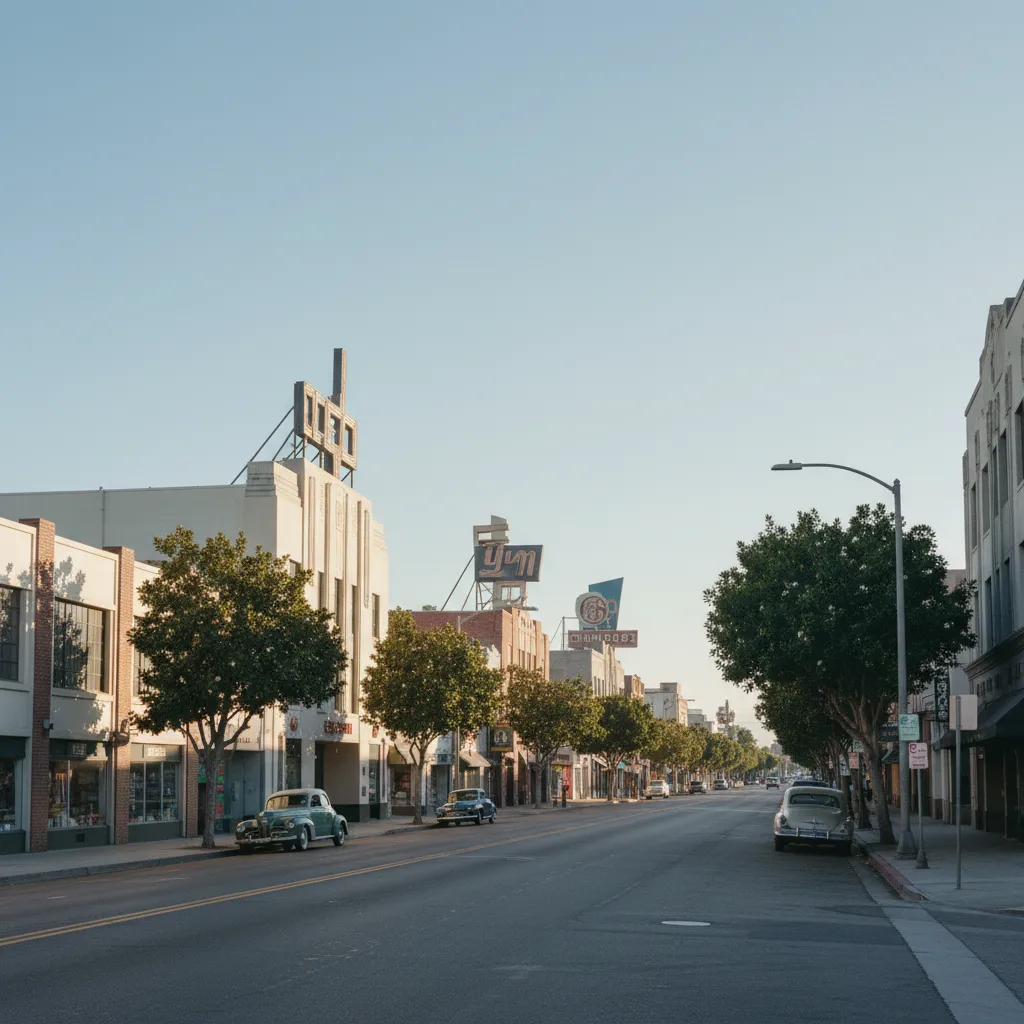
 Burbank Film Memorabilia Collector Shop Walk: Studio Stash
Hidden Gems & Odd Finds
Pasadena Antique Print Map Shop Collector Trail
Discover Pasadena historic paper collections along Colorado Boulevard with expert guidance on citrus colony surveys, watermarks, and archival framing.
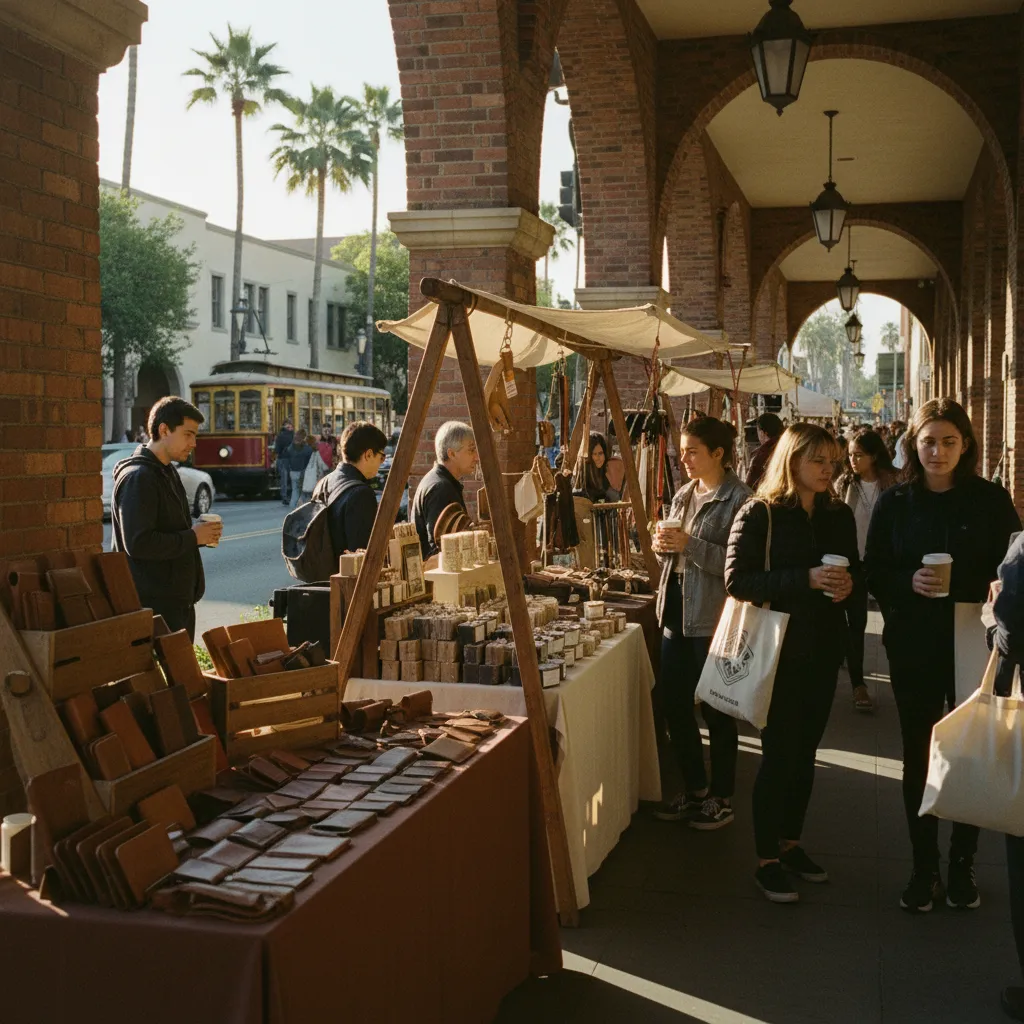
Nestled at the base of the dramatic San Gabriel Mountains northeast of downtown Los Angeles, Pasadena offers an exceptionally rich historic setting for exploring an antique print map shop. Celebrated for its tree-lined residential avenues, preserved Craftsman bungalows, and the historic brick architecture of Old Pasadena along Colorado Boulevard, the city has long been a haven for dedicated antiquarians and regional historians. Discerning collectors can browse rare 19th-century citrus colony orchard plans, Arroyo Seco topographical surveys, and vintage botanical engravings. Reviewing these archival documents provides a window into the visionary agricultural cooperative that founded the community in the 1870s. Using Karpo APP enables you to organize your walking itinerary across historic civic plazas while discovering peaceful library reading gardens and heritage cafes.
Uncovering Rare Cartography Along Colorado Boulevard and Green Street
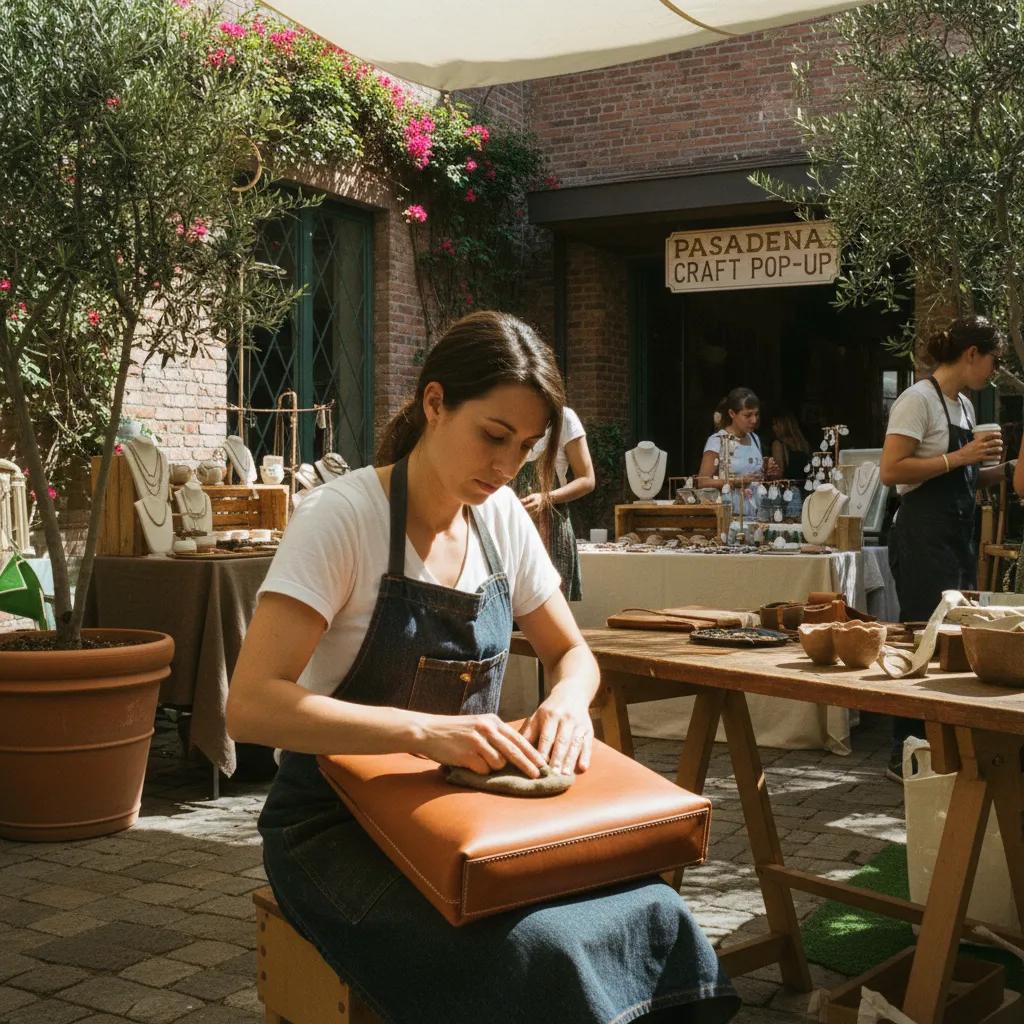
The primary district for discovering antique maps and fine prints in Pasadena centers around Old Pasadena, stretching along Colorado Boulevard, Green Street, and Fair Oaks Avenue. Within beautifully restored 19th-century brick arcades and tranquil courtyards, independent antiquarian bookshops, map dealers, and ephemera galleries curate extensive flat-file collections. The unhurried, scholarly atmosphere of these traditional shops invites visitors to spend hours examining rare historical works on paper.
Pasadena dealers frequently maintain deep inventories of early California cartography, including Pacific railroad surveys, territorial gold rush maps, and early Los Angeles County property atlases. Because Pasadena has been a favored retreat for generations of discerning bibliophiles and academic collectors, local shops regularly acquire significant private estate holdings. Engaging with veteran shop proprietors often reveals fascinating details about early land surveyors, lithographers, and historic Pasadena families.
In addition to cartography, many local shops feature extensive selections of vintage botanical folios, architectural engravings, and original natural history lithographs. Taking time to leaf carefully through protective mylar folders allows you to discover forgotten regional records while appreciating traditional printmaking craft. Having specific geographic regions or historical themes in mind keeps your exploration focused and highly rewarding.
Authenticating Laid Paper Chain Lines and Steel Engraved Topography
Identifying authentic 19th-century prints requires understanding the physical characteristics of early paper manufacturing and engraving processes. Genuine antique maps produced before the mid-19th century were pulled on handmade laid rag paper made from cotton and linen rags. Holding an unbacked print up toward soft daylight reveals the characteristic laid and chain lines formed by the papermaker's wire mesh mold, often accompanied by historic papermakers' watermarks.
During the late 19th century, the United States Geological Survey and regional civil engineers utilized precision steel-plate engraving to produce highly detailed topographic maps. Unlike softer copperplates that wore down quickly, steel plates allowed cartographers to engrave microscopic elevation contour lines and delicate hachures that remained exceptionally crisp across thousands of printings. Examining these sheets under magnification confirms the sharp, clean ink lines characteristic of steel engraving.
Collectors should also inspect the outer margins of the paper sheet for original plate marks and publisher publication lines. Authentic prints retain their natural, unpressed paper texture and display gentle, age-appropriate toning rather than the uniform chemical bleaching of modern photographic reprints. Verifying these physical details guarantees that you acquire an authentic historical document.
The 1874 Indiana Colony and Arroyo Seco Water Rights Mapping
The foundational history of Pasadena is deeply documented through early agricultural surveys and municipal partition maps. In 1873, a group of Midwestern investors formed the California Colony of Indiana to establish an agricultural settlement in Southern California, purchasing four thousand acres of the historic Rancho San Pasqual along the eastern rim of the Arroyo Seco. Early property partition maps from 1874 and 1875 vividly illustrate the original division of citrus orchard tracts and the initial street layouts around Colorado and Orange Grove boulevards.
Crucial to the survival of the early colony were intricate water rights surveys detailing the construction of stone flumes and distribution ditches carrying mountain runoff from the Arroyo Seco canyon to individual citrus groves. Archival irrigation maps record the legal rights and water allocations that transformed dry foothill scrub into world-renowned orange and lemon orchards. These foundational documents represent rare collector items that capture the very birth of the community.
Later cartographic records from the turn of the century document Pasadena's rapid emergence as a glamorous winter resort for wealthy Easterners. Magnificent bird's-eye views and hotel promotional folios illustrate the grand resort hotels, such as the Green Hotel and the Raymond Hotel, alongside the arrival of the Santa Fe and Southern Pacific rail lines. Displaying an original Indiana Colony survey or resort-era bird's-eye map provides an inspiring, tangible connection to Pasadena's civic heritage.
Preservation Standards for Heritage Documents in Mediterranean Climates
Preserving valuable paper artifacts in Pasadena's interior valley climate requires specific attention to temperature control and humidity moderation. The foothill region experiences hot, dry summer months contrasted with winter rain, creating environmental cycles that can cause fragile paper fibers to expand, contract, and become brittle over time.
To ensure maximum protection, custom framing must incorporate completely acid-free materials. Specify 100 percent cotton rag mat boards with an archival barrier backing board that prevents acidic contamination from frame backings. Art must be mounted using reversible Japanese paper hinges adhered with cooked wheat starch paste, avoiding any self-adhesive tapes. Glaze valuable works with museum-grade glass or acrylic that blocks 99 percent of ultraviolet light, preventing irreversible pigment fading.
For unframed items, store prints flat inside archival acid-free storage boxes separated by unbuffered glassine or polyester interleaving sheets. Keep storage boxes in climate-controlled interior rooms away from exterior walls and direct attic heat. Following these museum-proven standards guarantees your collection remains in pristine condition for future generations.
Exploring Craftsman Architecture and Shaded Arroyo Courtyards
An afternoon of antiquarian browsing in Pasadena pairs naturally with exploring the city's extraordinary architectural heritage. Just a short walk from Colorado Boulevard brings you to the historic civic center, anchored by the magnificent 1927 Pasadena City Hall with its towering Renaissance-style dome and peaceful courtyard fountain. Resting on a stone bench in the shaded courtyard offers an idyllic setting to inspect your newly acquired cartographic prints.
Wandering westward toward the Arroyo Seco leads into residential neighborhoods celebrated for their masterwork American Craftsman homes, including the internationally famous Gamble House designed by architects Charles and Henry Greene in 1908. Walking along the rim of the Arroyo under towering oak trees provides a direct physical connection to the natural canyon contours depicted in historic 19th-century survey maps.
The streets surrounding Old Pasadena also boast a wonderful selection of family-owned bakeries, tea rooms, and shaded patio cafes where you can relax after visiting local print dealers. The harmonious blend of academic antiquarian resources, exceptional architecture, and lush foothill landscapes makes Pasadena an unmatched destination for cartography enthusiasts.
Enhancing Your Pasadena Historical Walk With Karpo APP
Karpo APP provides the perfect digital companion for organizing your historical paper hunt across Pasadena. The application guides collectors smoothly between antiquarian bookshops, historic architectural landmarks, and public transit links, ensuring an effortless walking journey across Old Pasadena and the civic center.
Beyond walking directions, Karpo APP allows you to bookmark unique map discoveries, record catalog notes on rare California folios, and discover quiet courtyard cafes for leisurely pauses. Whether your interest centers on original 1874 Indiana Colony plans or delicate 19th-century botanical engravings, Karpo APP guarantees a seamless and enriching cultural outing in Pasadena.
Ask Karpo for more information.
Keep reading
- Burbank Film Memorabilia Collector Shop Walk: Studio Stash
 Pasadena Film Memorabilia Collector Shop Walk: Classic Route
 Silver Lake Film Memorabilia Collector Shop Walk: Indie Lore