 Lincoln Heights Champurrado Winter Cafe Picker: Two Routes
Coffee & Dessert
Arts District Afternoon Tea Tasting Route Past Brick Murals
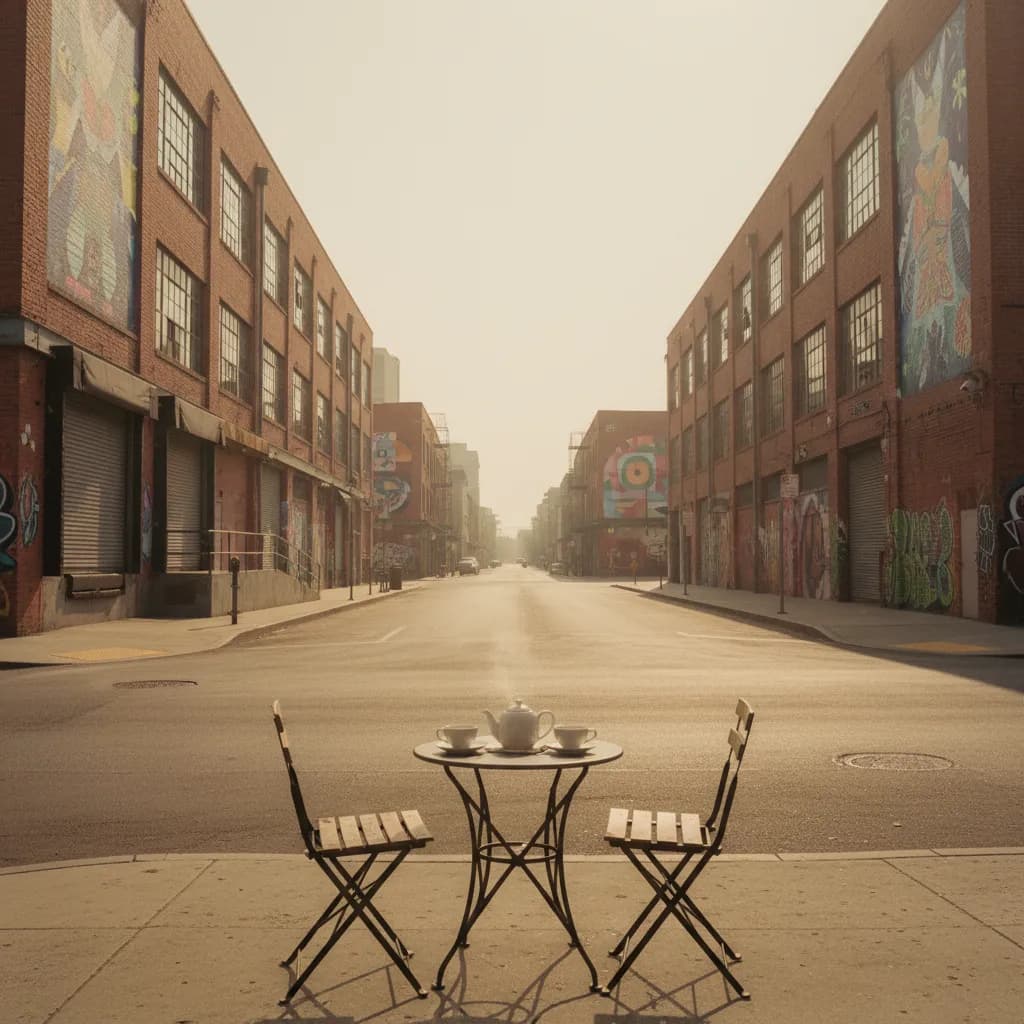
An Arts District afternoon tea tasting route works best as a weekday loop: matcha on Traction Avenue, murals on Mateo Street, then a roasted pot near the river.
The Arts District was built for freight, not for finger sandwiches. Its brick warehouses once stored citrus and machine parts beside the rail yards east of downtown Los Angeles, and today those same loading docks hold galleries, design studios, breweries and a growing number of cafes that take tea seriously. That contrast is the whole charm of an afternoon tea tasting route here: delicate cups served inside rough industrial rooms, with murals between every sip.
Reading the District Before You Start Sipping
Most of the action sits in a compact grid bounded by Alameda Street, the Los Angeles River and the rail tracks, with Traction Avenue, Mateo Street and Santa Fe Avenue doing most of the work. Blocks are long and sidewalks can be uneven, so it pays to choose a loop rather than wandering. A good route covers roughly two miles, mixes indoor cups with outdoor art, and finishes somewhere you can sit for a while.
Unlike older neighborhoods with a single main street, the district spreads its cafes across converted factories, ground-floor lofts and food halls. Some tea counters hide inside larger buildings, which is part of the fun. Rather than chasing a fixed list, think in terms of what each cup should do: one bright and grassy, one fragrant and floral, one deep and roasted. Then let the warehouses fill in the rest.
The Matcha Bar Opener on Traction Avenue
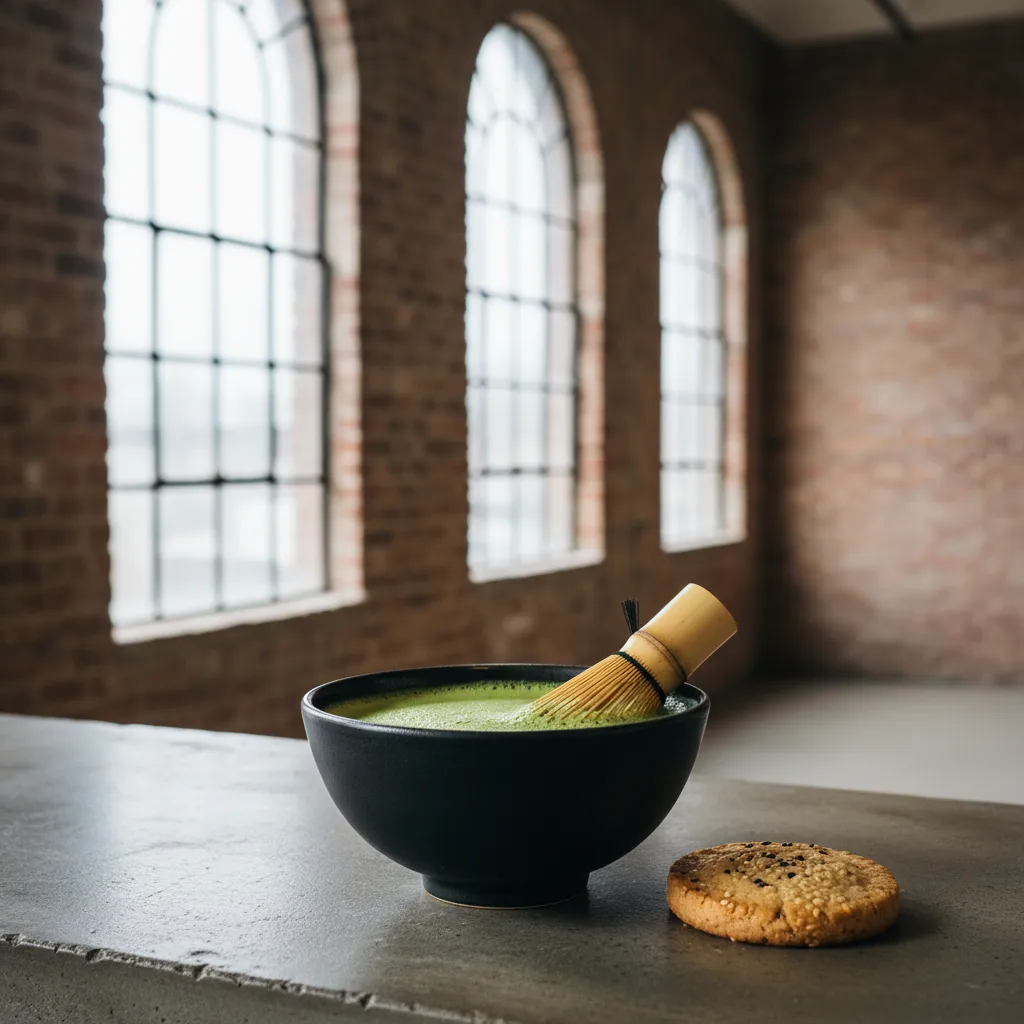
Begin around Traction Avenue, the street that feels most like a village center within the district. This is a natural place for a ceremonial-style matcha whisked to order, ideally served in a bowl rather than a paper cup. Drink it without milk if you can. The vegetal, slightly sweet bitterness sets a clean baseline, and the ritual of watching it whisked gives the route a calm, deliberate first note.
Choose a small bite that respects the tea. Black sesame cookies, yuzu shortbread and mochi-style sweets pair well with matcha, while a heavy frosted cake tends to overwhelm it. Take a moment to look around the room. Many of these spaces keep the original timber beams, steel windows and concrete floors, and the cafe owners usually treat that history as part of the design rather than something to hide.
A Mural Walk Down Mateo Street
From Traction, drift south toward Mateo Street and the blocks around Palmetto and Jesse. This is the best stretch for street art, with large-scale murals covering entire warehouse walls and smaller pieces tucked into alleys and loading bays. Walk slowly and leave the second cup for later. The art changes often, and the gap between stops gives your palate a rest while your eyes do the work.
If you like a destination in the middle of a walk, the warehouse galleries scattered along this part of the district are free to browse when their doors are open. Duck into one, look around, and step back into the sun. The point of this stretch is rhythm: art, shade, a short pause on a loading dock, and then onward toward the river side of the neighborhood.
A Floral Middle Cup Inside a Converted Factory
Your second tea should be something aromatic and light enough to drink slowly. A jasmine pearl, a high-mountain oolong, an Earl Grey with real bergamot or a chilled hibiscus blend all work well after a long stretch of walking. Look for a cafe inside one of the larger factory conversions, where tall ceilings keep the room cool and big windows frame the district as you sip.
This is the stop for your one indulgent pastry. A flaky almond croissant, a slice of olive oil cake or a fruit tart pairs nicely with floral teas without fighting them. Share it, sit near a window, and treat the moment like the midpoint of a tasting menu. If the space has a retail shelf of loose leaf, smell a few tins while you rest and note any you want to bring home.
Closing With a Roasted Pot Near the River
Finish on the eastern edge of the district, closer to the Sixth Street Viaduct and the river. The new bridge, with its sweeping arches, looks especially dramatic in late light, and the park beneath it gives you open space after hours among warehouses. For the last cup, go dark: hojicha, a roasted oolong, a strong Assam with milk, or a spiced chai that tastes like the end of a long day.
A pot for two is ideal here, because it lets the conversation stretch out as the shadows grow longer. If the weather is mild, take your drinks outside and watch the light move across the concrete and the river channel. This is also a good place to compare all three cups out loud and decide which style you would order again on a future visit to the district.
Ordering Tips for Warehouse Tea Counters
Industrial cafes often serve both coffee and tea, and the tea menu can be short. Ask what the staff would brew for themselves, and whether they offer anything loose leaf rather than bagged. Counter teams in this neighborhood tend to be enthusiastic about sourcing, and a quick question can unlock a seasonal leaf that never makes it onto the main board.
Keep drinks small and caffeine sensible. Matcha, black tea and oolong all carry a kick, and three full servings in an afternoon can make the walk feel jittery. Ask for half portions where possible, add water between stops, and do not be shy about switching to an herbal infusion for the final cup if you are planning a calm evening afterward.
When the Arts District Feels Best for Tea
Weekday afternoons are calm, with studio workers and remote workers spread across the cafes and plenty of room on the sidewalks. Weekends draw bigger crowds, brunch lines and photographers working the murals, which can make indoor seats harder to find. If you prefer a quieter route, start after the lunch wave has eased and aim to reach the river side as the sun drops.
Shade is limited on many blocks, so warm days call for a hat, sunscreen and an iced version of at least one tea. On cooler days, the brick buildings hold warmth and the route feels cozy rather than exposed. Either way, plan to finish before dark, when some sidewalks grow quiet and the art is harder to appreciate.
Planning the Loop With Karpo APP
Karpo APP makes it easier to turn a vague afternoon into a loop you can actually walk. Ask it for an Arts District afternoon tea tasting route with a matcha opener, a floral middle cup and a roasted finish, and it can suggest nearby cafes, order them into a sensible path and save the list for later. You can share the plan with friends before you set out.
If you need to adjust on the fly, Karpo APP can help you find a similar tea spot nearby when a counter is crowded, or suggest a gallery to fill the gap between cups. You can also ask for options with outdoor seating, quieter rooms for conversation, or stops that sell loose leaf to take home.
Practical Notes for the Arts District
The district is easy to reach by Metro from Union Station or the Little Tokyo stop, followed by a short walk. Parking is mostly in paid lots and metered spaces, so if you drive, park once and do the whole loop on foot. Wear comfortable shoes, since sidewalks can be cracked and curbs are high near the old loading docks.
Carry a small bag for leftover pastries and any loose-leaf tins you pick up along the way. Bring water as well as tea, and respect the working studios and residences above many of the cafes. Treat the route as a slow afternoon rather than a checklist, and you will leave with a good sense of how this former freight district learned to brew a careful cup.
Ask Karpo for more information.
Keep reading
- Lincoln Heights Champurrado Winter Cafe Picker: Two Routes
 Pico-Union Champurrado Winter Cafe Picker: Two Easy Ways
 Highland Park Champurrado Winter Cafe Picker: Two Avenues