Search interest around kyle harrison can send parents down a pitching-mechanics rabbit hole, but a Miami family needs a more grounded question: where can a young athlete learn safely, clearly, and without being overloaded? For a sensory-sensitive pitcher, the best clinic is rarely just the one with the most velocity language. It is the program that can slow instruction down, demonstrate movement visually, allow breaks, and explain how group drills will feel before the child steps on the field. Before fall league registration deadlines, use this finder-style approach to compare Miami options with the same care you would bring to choosing a classroom support plan.
Share your child's age, specific sensory needs, and preferred practice times—we'll recommend two sensory-friendly clinics and one at-home video analysis app as backup.

Mechanics Coaching Starts With Regulation
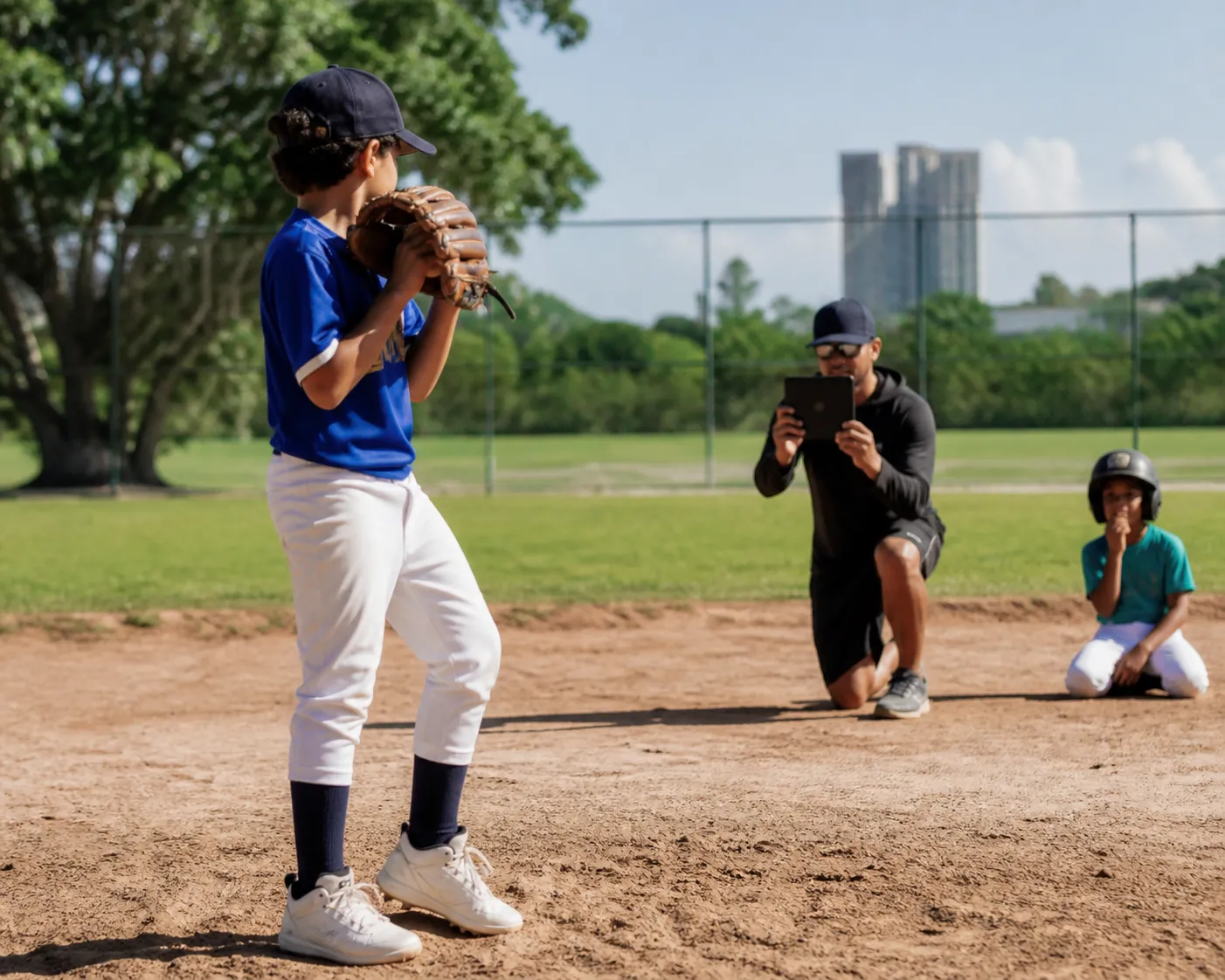
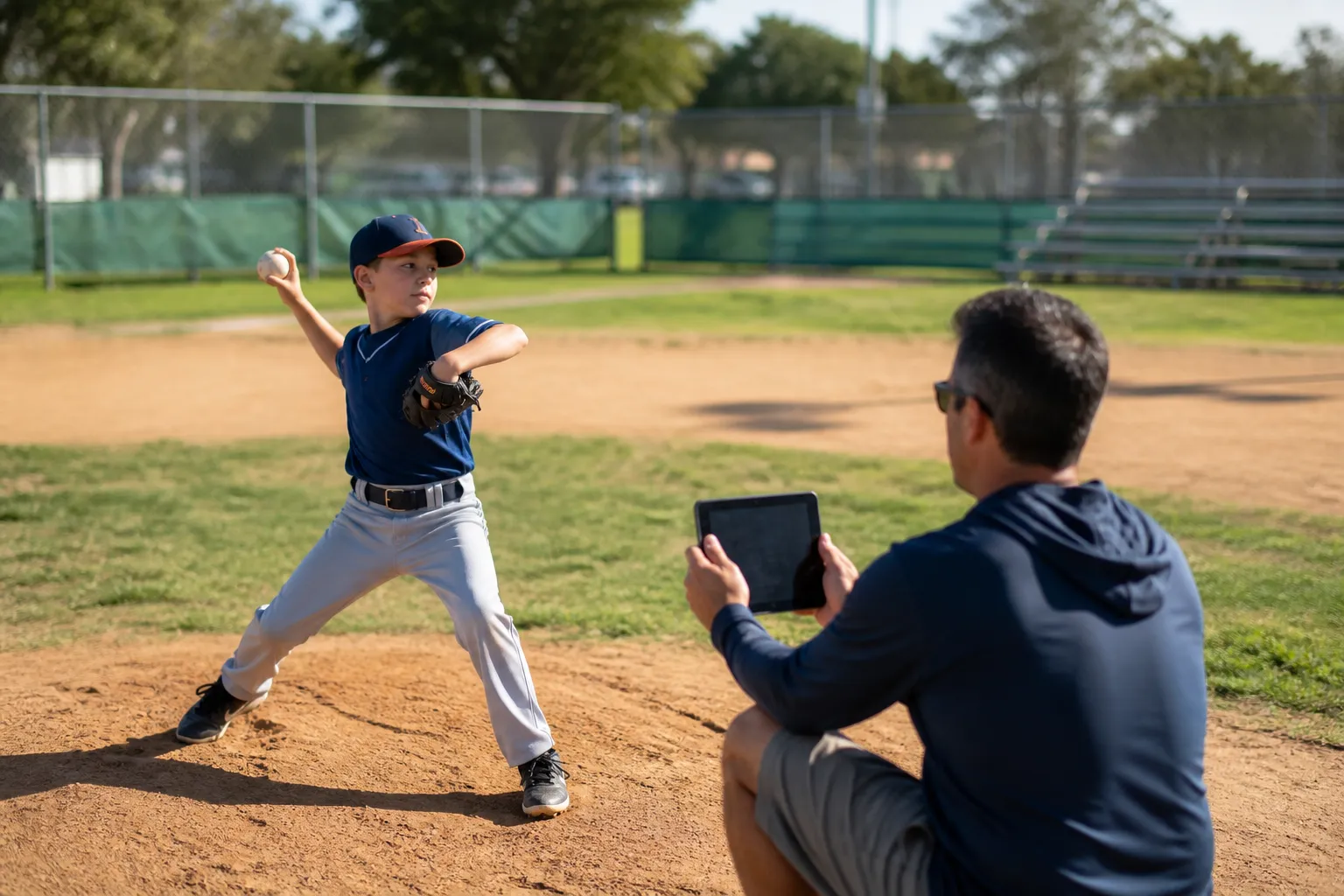
A hopeful parent often begins with mechanics: stride direction, arm path, balance, glove-side control, landing posture, and repeatable release. Those details matter, but they are hard to learn if the athlete is bracing against noise, fast transitions, or unclear correction. When reviewing any Miami youth baseball clinic, ask whether the coach can give one cue at a time, demonstrate the movement before asking the child to copy it, and separate warm-up, drill work, throwing, and feedback into predictable blocks.
The tradeoff is simple. A high-energy group clinic may help a social, resilient player get more repetitions, while a quieter small-group or one-on-one session may help a sensory-sensitive athlete actually absorb the instruction. If the program offers video feedback, ask whether the review can happen beside the field, after practice, or in a calmer area. For many families, the strongest first step is not buying the longest package. It is booking the shortest evaluative session that shows how the child responds.
Use Public Recreation Anchors First
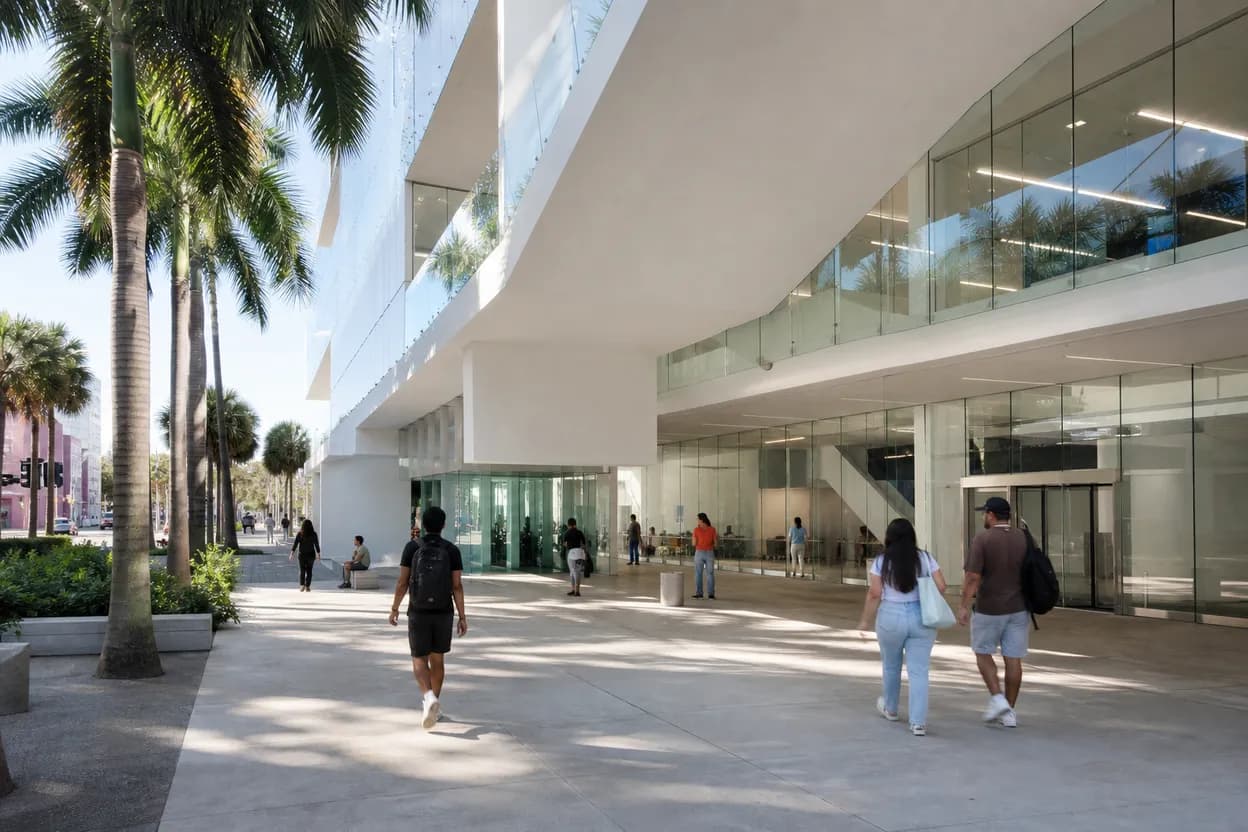
Miami-Dade County Parks, Recreation and Open Spaces is a useful starting point because the county maintains a Park Finder and describes a network of more than 200 public parks. The department also lists youth-focused programs and says it offers year-round recreation programs for children, adults, and people with disabilities. That does not mean every park has baseball pitching instruction or sensory-specific coaching, but it gives parents an official place to begin mapping fields, recreation programs, and accessible public spaces.
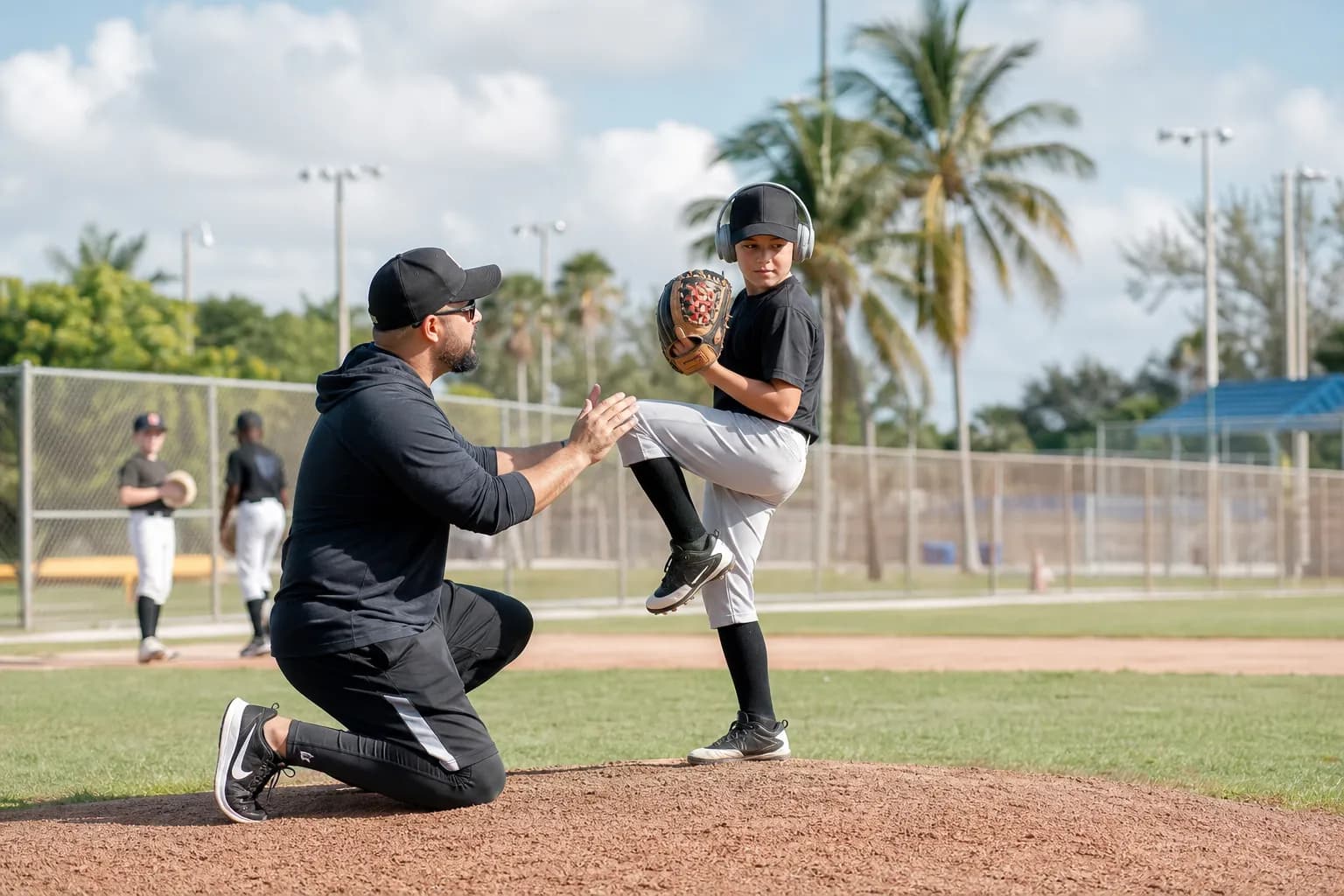
For this search, treat public recreation listings as anchors rather than final answers. Look for nearby athletic fields, youth programs, and family activities, then contact the relevant program directly with a short accommodation checklist. Ask whether a coach can support headphones during non-throwing instruction, short breaks during group drills, and visual explanation before physical correction. Miami-Dade Parks also notes that accommodation requests for county-sponsored programs or meetings should be made at least seven days in advance, which is a useful planning rule for back-to-school timing.
Screen Clinics With Sensory-Specific Questions
A parent and young athlete should not have to guess what a clinic environment will feel like. Before paying, ask the provider to describe the sound level, group size, coach-to-player ratio, indoor versus outdoor setting, waiting areas, and how transitions are handled. Then move into instruction quality: Do they teach from video? Do they use side-by-side demonstrations? Can the child receive written or visual cues after the session? Do they correct one thing at a time, or will the athlete hear several rapid adjustments in a row?
Use kyle harrison as a search hook for mechanics language only, not as the standard your child must copy. A youth pitcher’s body, age, strength, and confidence are different from a professional athlete’s, and sensory needs add another layer. The right coach should be able to translate broad mechanics ideas into age-appropriate movement goals, such as smoother balance, safer effort, clearer timing, and more consistent command. If a provider talks only about speed gains, ask how they protect learning quality when the player becomes tired or overstimulated.
Map Routes That Reduce Arrival Stress
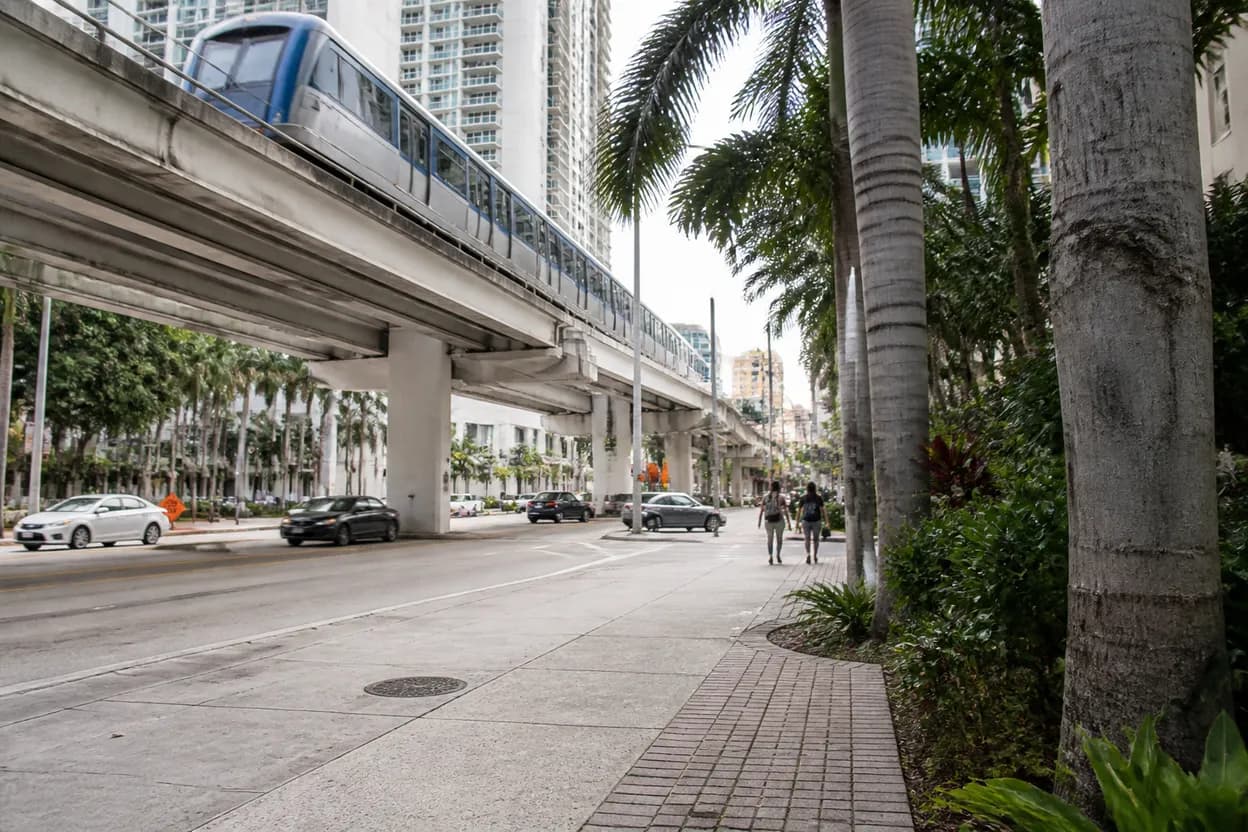
The clinic decision is not only about the field. For a sensory-sensitive athlete, the trip there can determine whether the session starts well. If a program is near downtown Miami, Omni, or Brickell, Miami-Dade’s Metromover may be part of the public-space route because it is a free elevated people mover serving 21 stations in those areas. The county states that Metromover operates seven days a week, with service hours of 5:30 a.m. to 10 p.m., and that cars arrive frequently during rush and off-peak periods.
Transit can still create sensory pressure. Metromover platforms use bells and announcements, so families should preview whether those sounds are tolerable. The county advises riders to watch or listen for cars and destination announcements, and it provides elevator and escalator status information. If mobility access matters, check that status before leaving. For some families, driving and waiting in a quieter public park area may be better. For others, a short transit route with a clear station plan can reduce parking stress and make the whole clinic day more predictable.
Fit the Program to Fall League Timing
Back-to-school baseball planning has a real deadline pressure: families want mechanics work before fall league registration, but rushing into the wrong clinic can create resistance instead of confidence. A good sequence is evaluation first, then targeted skill work, then a decision about league placement. The evaluation should answer whether the athlete needs private mechanics coaching, a small-group fundamentals clinic, or a lower-pressure recreation pathway before competitive play. This is especially important when the child is capable but easily overwhelmed in noisy team settings.
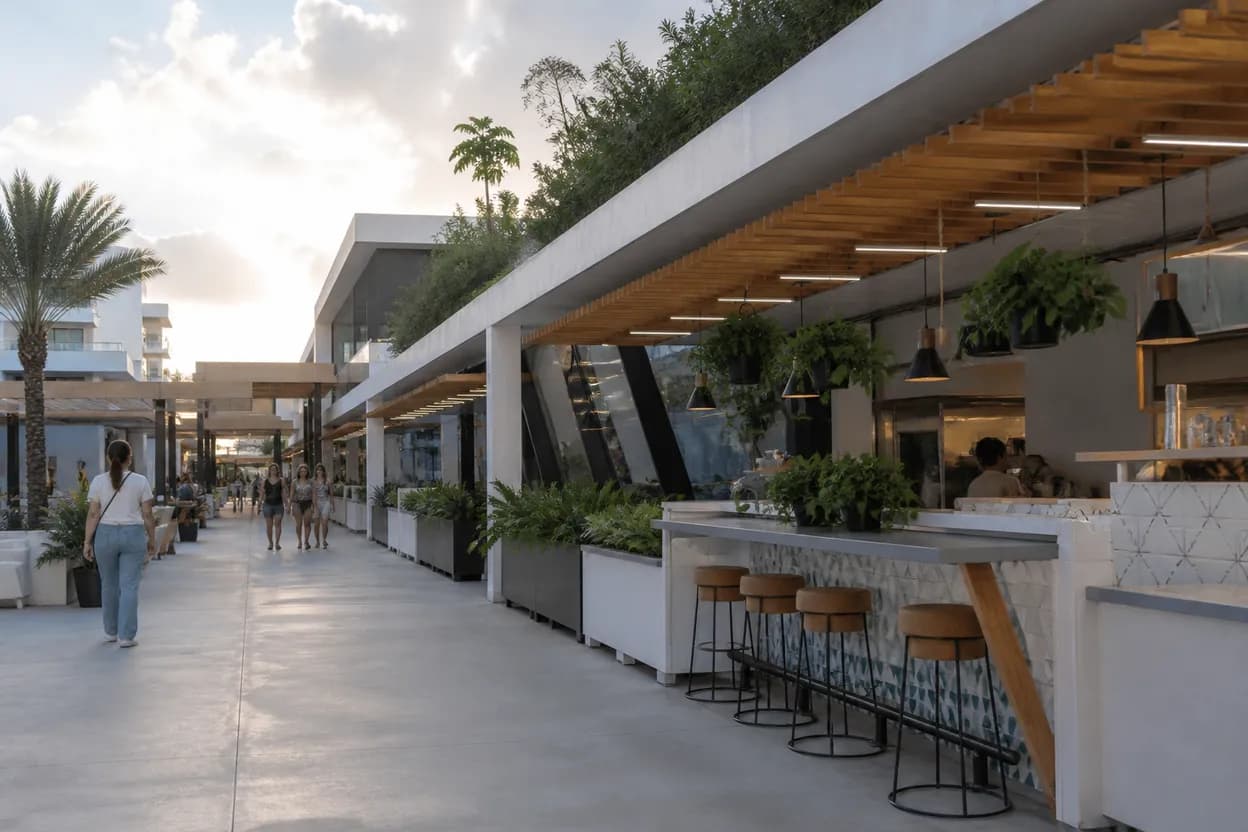
Miami families can also use public event channels as low-pressure confidence builders. The Miami-Dade Public Library System has an events portal, and the City of Miami Beach maintains an events page and guided concierge tool, which may help families look for general community activities around the school year. Those are not substitutes for baseball coaching, but they can support routine-building and public-space comfort. The strongest plan is one the child can repeat: manageable travel, clear coaching, respectful accommodations, and a fall league choice based on readiness rather than fear of missing out.
Tags: #Miamiyouthbaseball #sensoryfriendlysports #backtoschool #pitchingmechanics #adaptivecoaching #familyactivitiesMiami
Sources consulted: Source 1: miamidade.gov · Source 2: miamidade.gov · Source 3: mdpls.org · Source 4: miamibeachfl.gov
All trademarks are the property of their respective owners.
Ask Karpo first
Ask Karpo to turn this Miami idea into a current plan for your date, budget, companion, transit preference, and energy level. Karpo can narrow the route and flag what to verify before you go.