When a humid thunderstorm starts early, Kisa works because the decision tree is narrow. The Korean diner at 205 Allen Street lists dinner every day from 5 to 10:30 p.m., with lunch Wednesday through Sunday, and its public menu keeps the meal centered on set Korean plates with rotating banchan rather than a long ordering session. That matters if you are alone, tired, and trying to eat before the weather gets worse. The catch is not complexity; it is availability. Current restaurant coverage still frames Kisa as a compact, popular room where seating and booking details can shift, so treat this as a low-friction plan with a required last check.
Want a cleaner call before you head downtown? Text Karpo with your timing, rain tolerance, and subway line, and ask for a go-now or wait-nearby read.
Why Kisa Fits This Weather
Kisa is useful on a stormy early weeknight because it compresses dinner into a few practical choices. The official site describes a Korean diner model with bulgogi, spicy pork, bibimbap, spicy squid, and seasonally curated banchan, while Eater notes that the format is built around choosing a protein and receiving the rest as a set meal. For a solo diner, that removes menu fatigue without reducing dinner to a snack or bar plate.
The room is not a weatherproof guarantee today. Reports describe Kisa as popular and compact, and booking information is inconsistent across current listings, with the official site now showing a booking section while some reviews still describe walk-in habits. That means the right expectation is medium seating uncertainty, not effortless entry. If rain is heavy enough that waiting outside would ruin the meal, verify availability before leaving shelter.
The Best Time Window
Aim for the front half of dinner, especially if the rain has already broken up looser Lower East Side plans. Kisa lists dinner from 5 to 10:30 p.m. daily, so a 5:00 to 6:15 p.m. attempt gives you the widest remaining runway if the first try fails. It also keeps you away from the later dinner crush, when solo seating may be faster but the total wait can become harder to predict.
Do not build the night around the posted closing time. Kitchens, last seating, and booking inventory can change, and severe weather can slow both guests and staff. The smarter solo move is to check Kisa’s site or reservation link the same afternoon, then arrive early enough to pivot. If you are still uptown or in Brooklyn after 7:30 p.m. during thunder, the backup should become equal priority, not an afterthought.
What To Order Fast
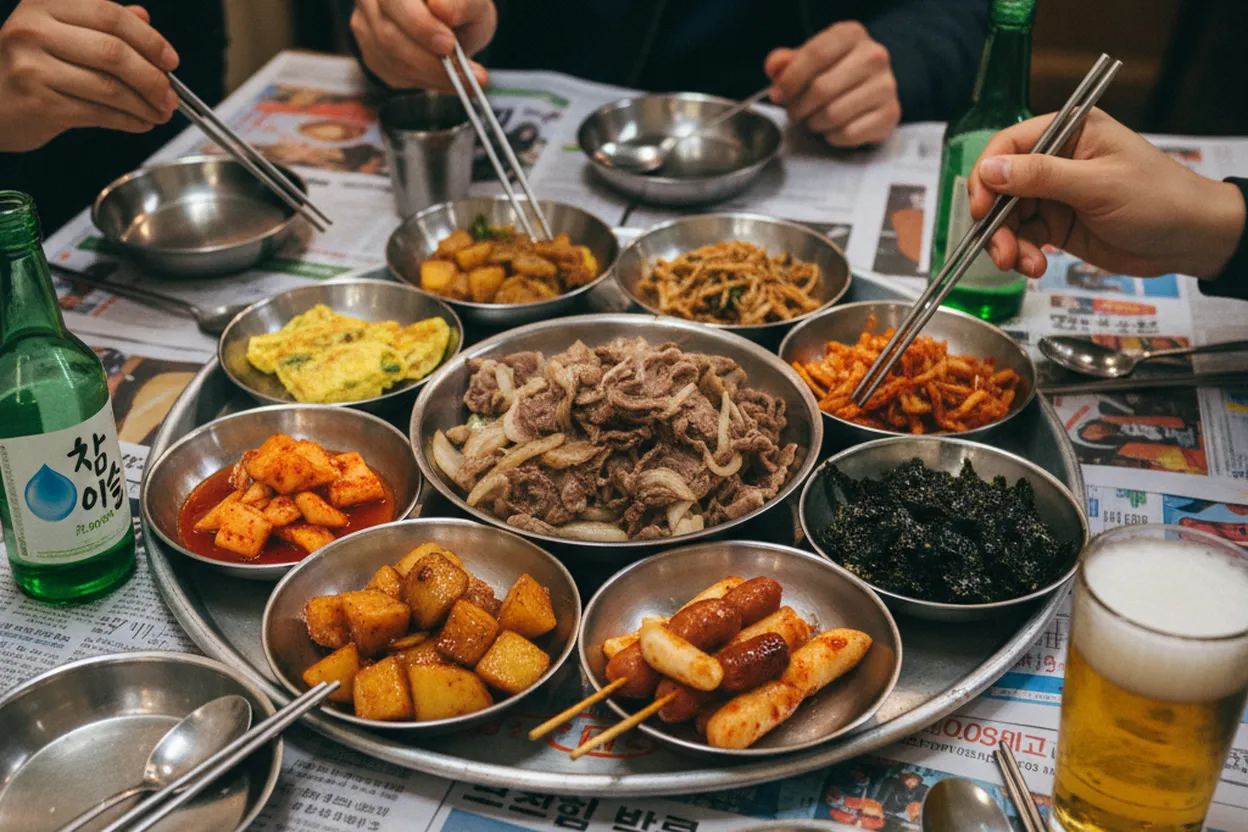
The appeal is the fixed-meal rhythm: pick the main, let the tray do the work, and eat a complete dinner without negotiating appetizers, sides, and pacing. Eater’s current venue page puts the full meal at $36, but prices are changing facts, so confirm on Kisa’s menu or booking page before using that number as a budget. The practical value is fullness, variety, and speed rather than a cheap quick bite.
For a tired solo diner, order by appetite and tolerance, not by what photographs best. Bulgogi is the lower-risk choice if you want comfort and sweetness; spicy pork or spicy squid make more sense when you want heat and sharper flavors; bibimbap is the cleaner vegetarian-leaning route cited in restaurant coverage, though you should confirm ingredients if you avoid meat, seafood, egg, or allergens. Banchan rotate, so never assume a specific side will appear.
Transit And Street Logic
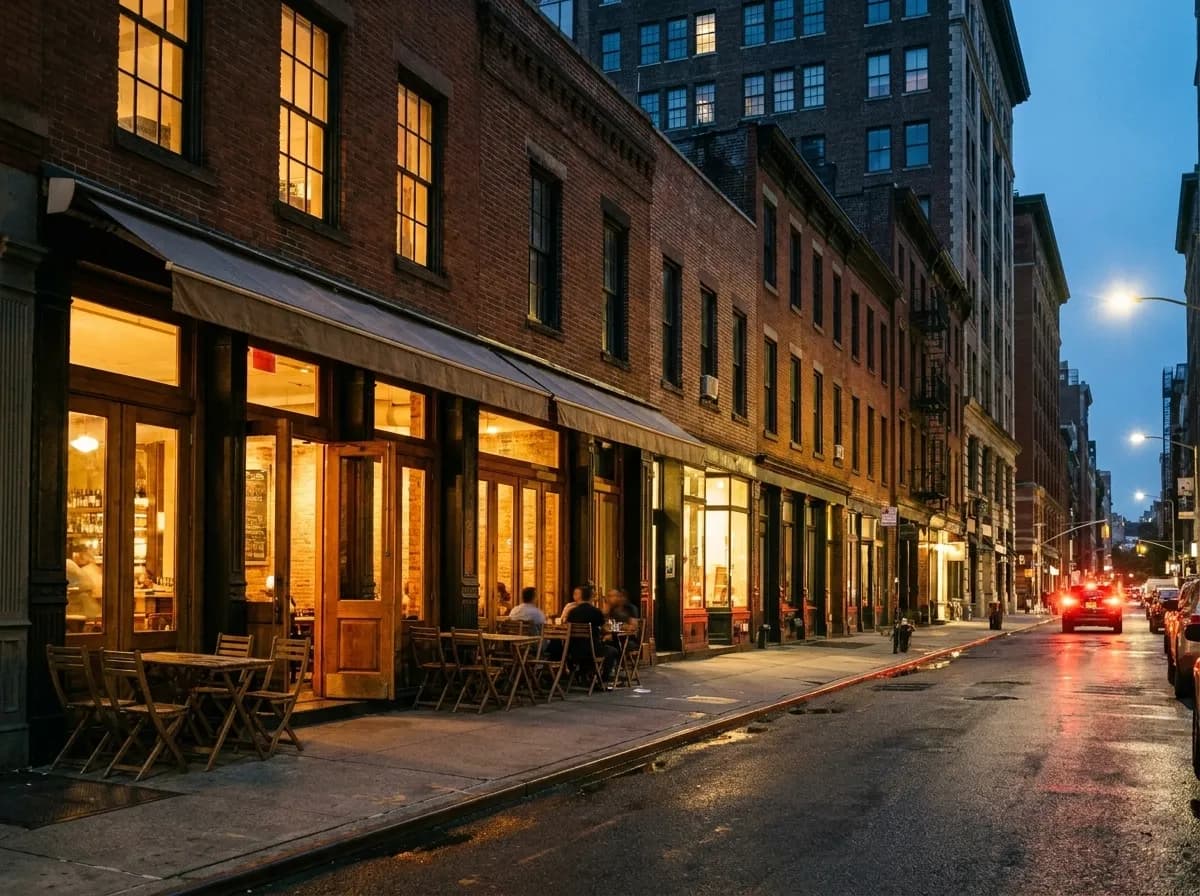
Kisa sits at Allen and East Houston territory, a short Lower East Side walk from the F train’s 2 Avenue station by common neighborhood routing. In rain, the shortest path is not always the best path: choose wider, better-lit streets, stay out of curbside ponding, and give yourself time to enter without rushing across slick intersections. If your mobility is limited, verify station accessibility and elevator status with the MTA before relying on any single stop.
NYC Emergency Management’s flood guidance is clear enough to shape the dining call: avoid walking through flooded areas, avoid flooded subway stations, and use mass transit where possible if travel is safe. That makes Kisa a good plan only when the storm is annoying, not hazardous. If alerts mention flash flooding, downed wires, or subway disruptions, the restaurant plan should defer to shelter, delivery near you, or a closer indoor option.
Solo Comfort Tradeoffs
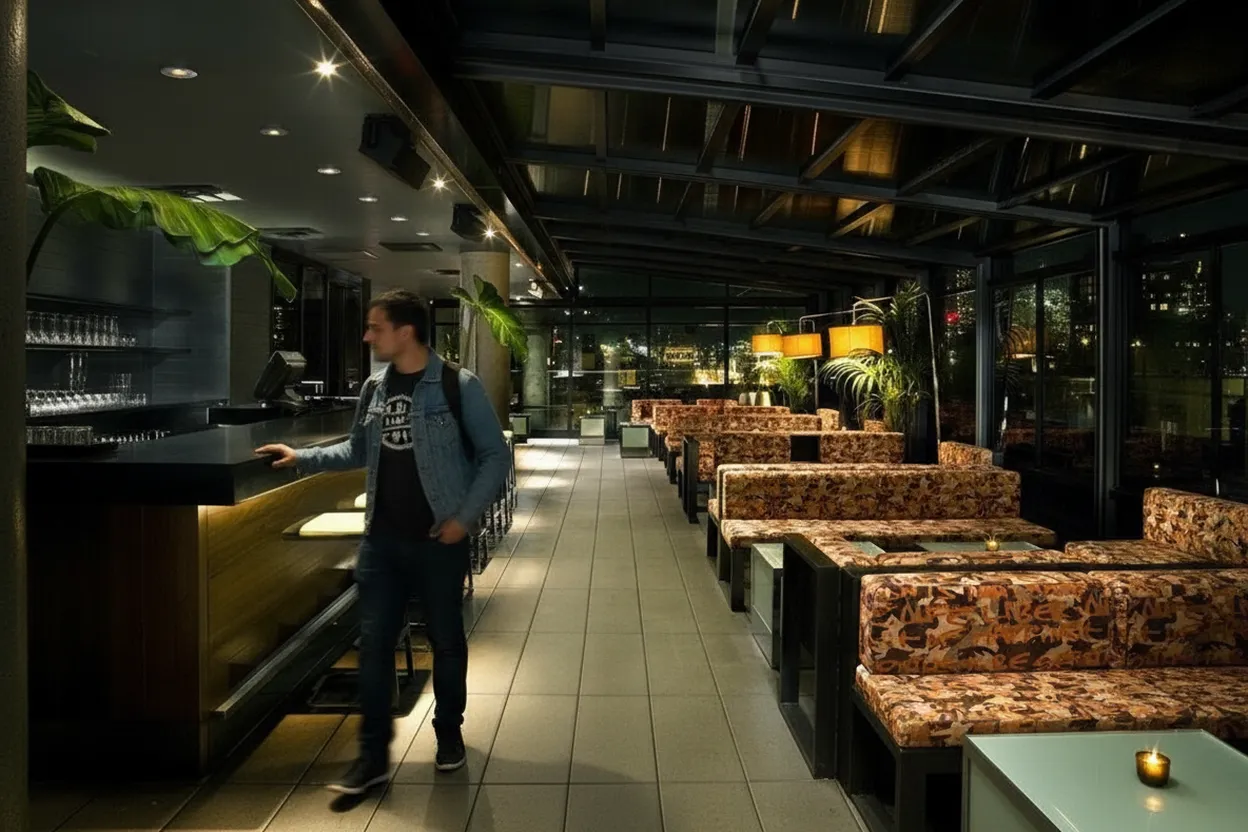
The low social friction comes from the format. You can arrive alone, make one main-choice decision, eat from a structured tray, and leave without stretching the meal to justify a table. That is why Kisa suits the emotional state in this plan: hungry, damp, and not interested in a performative night out. Counter-service visual language helps, but do not assume a guaranteed counter seat unless the restaurant confirms the current seating setup.
The tradeoff is that a compact, talked-about restaurant can make solo dining feel efficient or exposed depending on the wait. If there is a list, ask plainly for the realistic solo timing and decide while still dry. A 15-minute indoor or covered wait may be fine; a vague estimate in heavy rain is the failure mode. Solo comfort depends less on cuisine than on keeping control of your exit options.
Backup Plan Nearby
Your backup should be chosen before you reach Allen Street. In bad weather, the mistake is standing outside searching maps with wet hands while every nearby room fills. Pick one sit-down backup, one fast counter backup, and one subway-exit retreat near your arrival line. The backup does not need to be better than Kisa; it needs to be close, open, and acceptable if the room is full or booking inventory disappears.
Use verification as part of the plan, not a chore. Before leaving, check Kisa’s official hours, current booking link, the latest weather alerts, and subway status. On arrival, look at the doorway and sidewalk conditions before committing to a wait. If water is pooling, thunder is active, or the host quote is unclear, switch immediately. The win condition is a real meal with minimal exposure, not proving the original idea was right.
What to Verify for Kisa, Lower East Side
Confirm the exact day’s hours on Kisa’s official site: dinner is listed daily from 5 to 10:30 p.m., and lunch is listed Wednesday through Sunday from 11 a.m. to 2:30 p.m. Check the booking section because reservation and walk-in details have changed across public listings. Recheck menu prices and any dietary needs, especially because banchan are seasonal and restaurant coverage is not a substitute for allergen confirmation.
Then check three live conditions: Notify NYC or weather alerts, MTA service for your actual route, and street flooding near your origin and destination. Bring a compact umbrella, shoes that handle wet curbs, and enough battery to change plans. If the restaurant is full, the subway is disrupted, or the sidewalk looks unsafe, make the safer call quickly. Kisa is best used as a sturdy option, not a fixed obligation.
Tags: #KisaNYC #LowerEastSide #NYCRestaurants #KoreanFoodNYC #SoloDinner #RainyDayNYC #AllenStreet #LESFood #DinnerPlan #NYCFoodGuide #RestaurantCheck #AskKarpo #BeforeYouGo #KarpoNYC
Sources consulted: Source 1: kisaus.com · Source 2: ny.eater.com · Source 3: nyc.gov · Source 4: mta.info
All trademarks are the property of their respective owners.
Ask Karpo first
Tell Karpo your date, group size, budget, and starting neighborhood. We’ll check current access, timing, transit, and the cleanest plan for Kisa, Lower East Side before you head out.