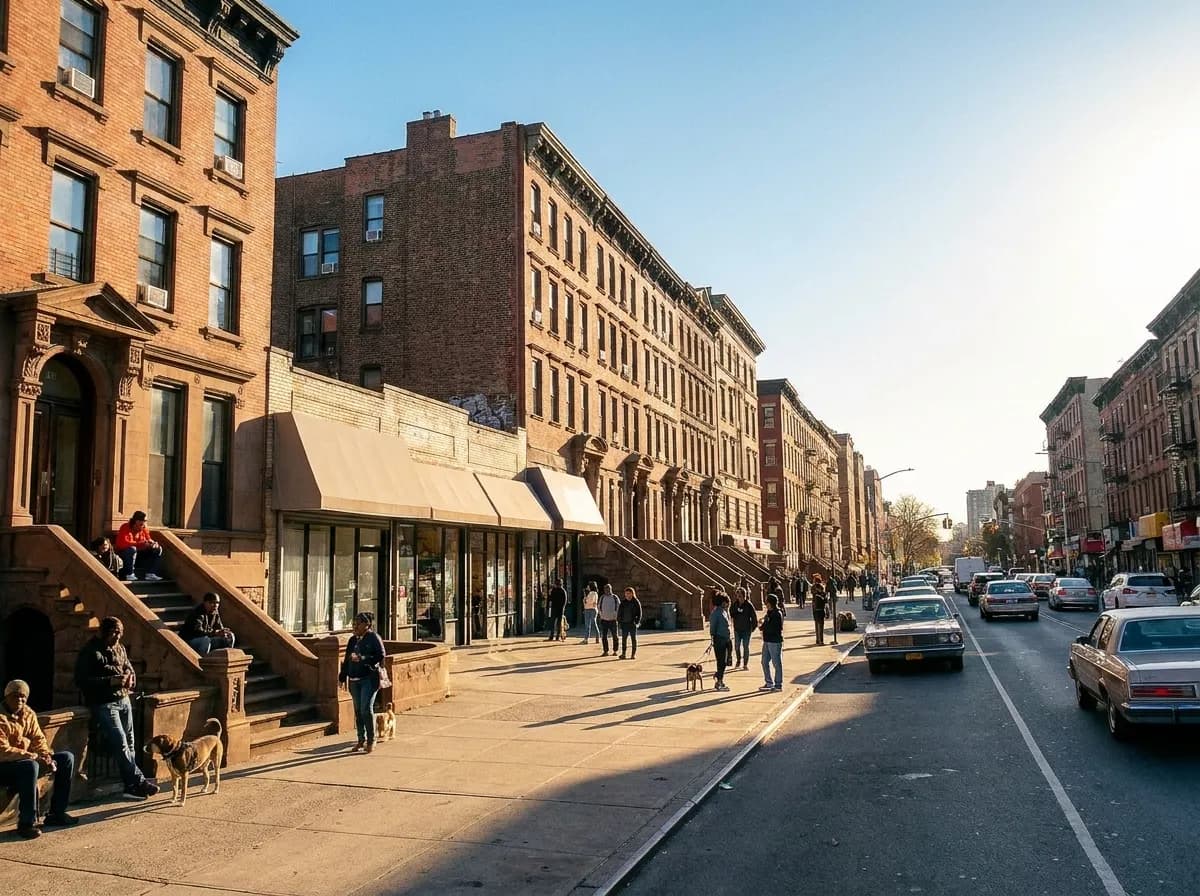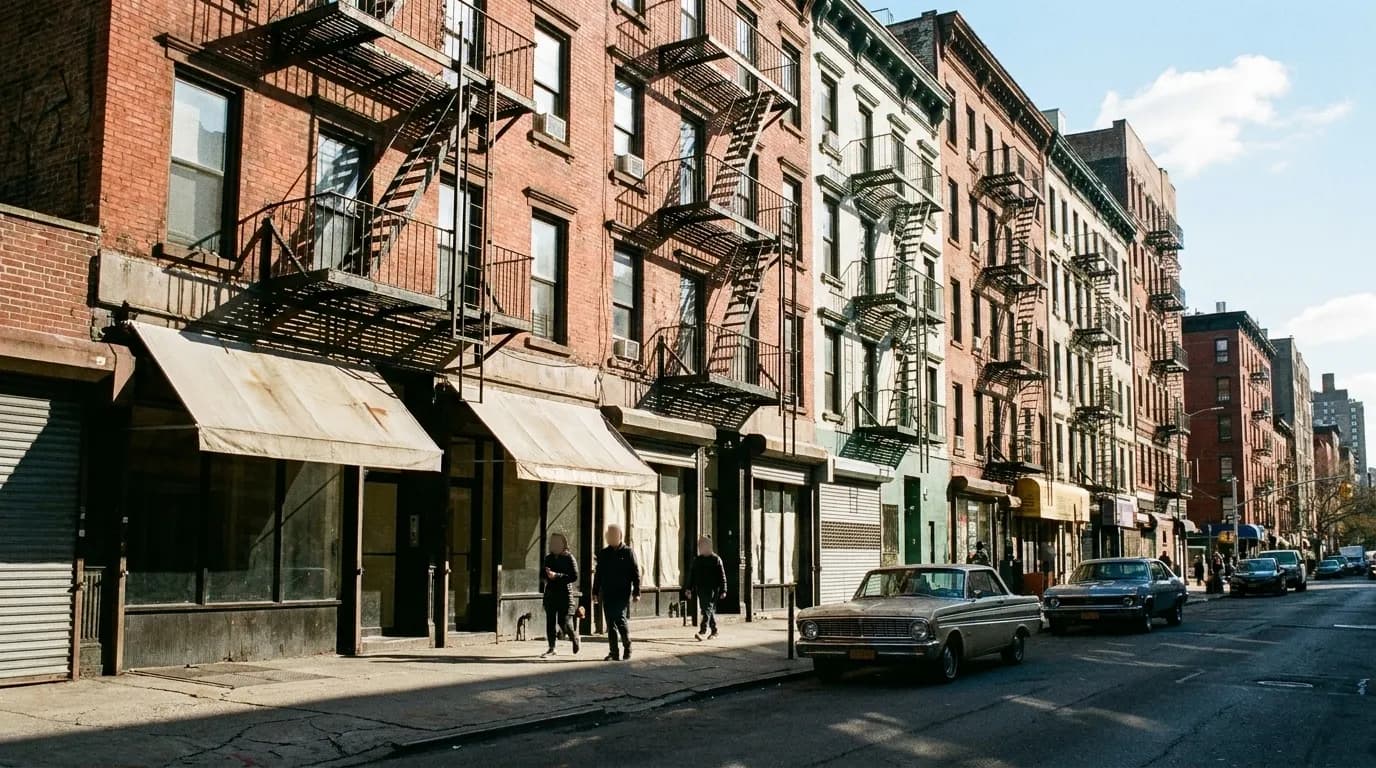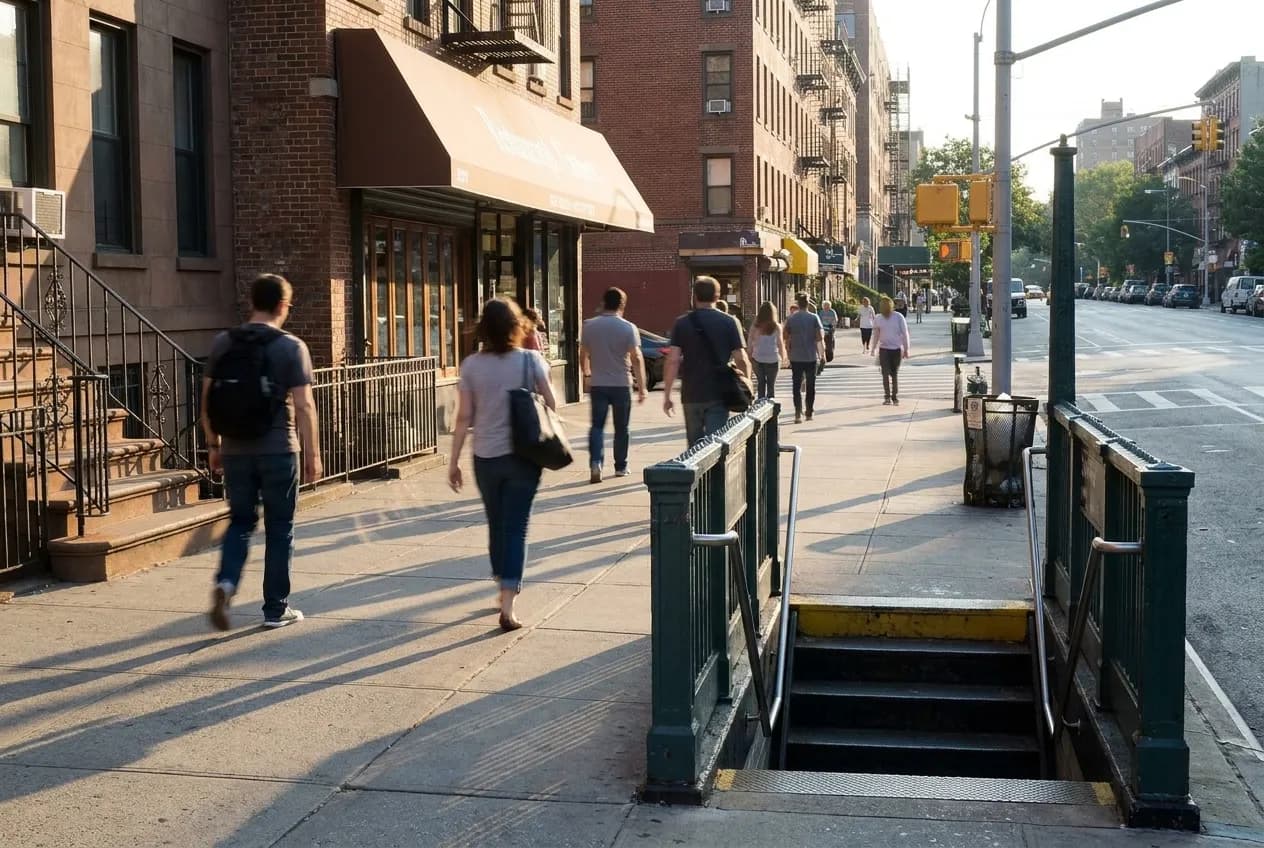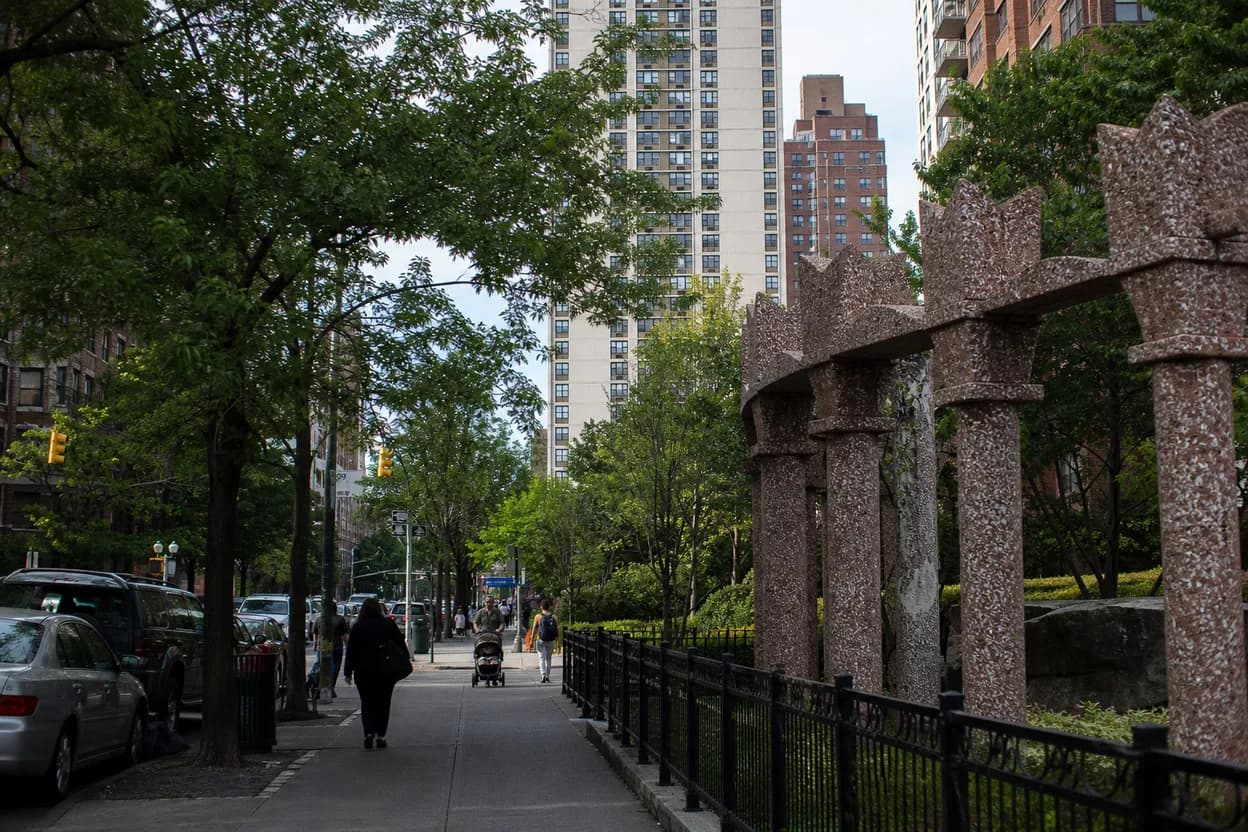
Kensington works best when treated as a useful neighborhood, not a sightseeing assignment. The supplied sources describe Church Avenue and nearby McDonald Avenue as practical anchors for cafes, markets, bakeries, Bangladeshi food, Mexican carts, slice shops, and everyday errands, with quieter residential blocks nearby and Prospect Park within reach. This July 15, 2026 draft keeps the route flexible because the details most readers need, including hours, cart presence, seating, menus, prices, and closures, can change quickly. Start near the F and G trains, choose one errand or food goal, watch what is actually open, then decide whether the park finish still fits.
Want a Church Avenue plan matched to appetite, bags, weather, and park timing? Text Karpo before you go for current stops, realistic pacing, and backup options.
Start With Church Avenue
Use Church Avenue as the route spine because the sources repeatedly frame it as Kensington’s practical food, coffee, shopping, and transit corridor. NYCaller recommends starting there for independent cafes, regulars, and useful businesses, while The Infatuation clusters several food stops around Church and McDonald Avenues. Begin near the F and G access, but do not treat the block as a fixed checklist. The better move is one anchor, then a read of current conditions.
A smart first ten minutes checks three things: what is open, what can be carried, and how crowded the sidewalk feels. If the goal is coffee or a quick snack, stay loose and follow active counters, fresh trays, and local foot traffic. If the goal is groceries, start with lighter items before hot food. Church Avenue rewards practical sequencing, especially when small businesses change hours, run out of items, or operate differently by day.
Read Little Bangladesh Generously
The Infatuation identifies the main Church Avenue stretch as Little Bangladesh and reports sidewalk paan vendors, fuchka, chai, sweets, rice dishes, flatbreads, and snack counters nearby. That gives the walk a real culinary center without turning it into a forced crawl. The right approach is respectful curiosity: choose one or two stops, ask simple questions if the counter is not rushed, and remember that these businesses serve residents first, not itineraries.
For first-timers, a savory snack plus sweets to carry is often enough, especially if errands or park plans follow. Fuchka, shingara, pakoras, chai, naan, rice dishes, curries, and boxed sweets appear across the cited Kensington coverage, but readers should verify current menus before making promises to a group. The tradeoff is range versus stamina: sampling too much early can make groceries, walking, and a Prospect Park extension feel heavier than expected.
Choose Food By Carry Logic
The source file names Ghoroa Sweets and Restaurant, Sonia Cafe, Shingara, Best Halal Food at Church and McDonald, a tamale cart near Albemarle and McDonald, Abdullah, Madhuban Sweets and Restaurant, Korner Pizza, and other neighborhood options. It also flags Thai Farm Kitchen as permanently closed, which is the route’s clearest warning. Before sending anyone to a specific storefront, verify that it remains open, operating, and suitable for the planned time.
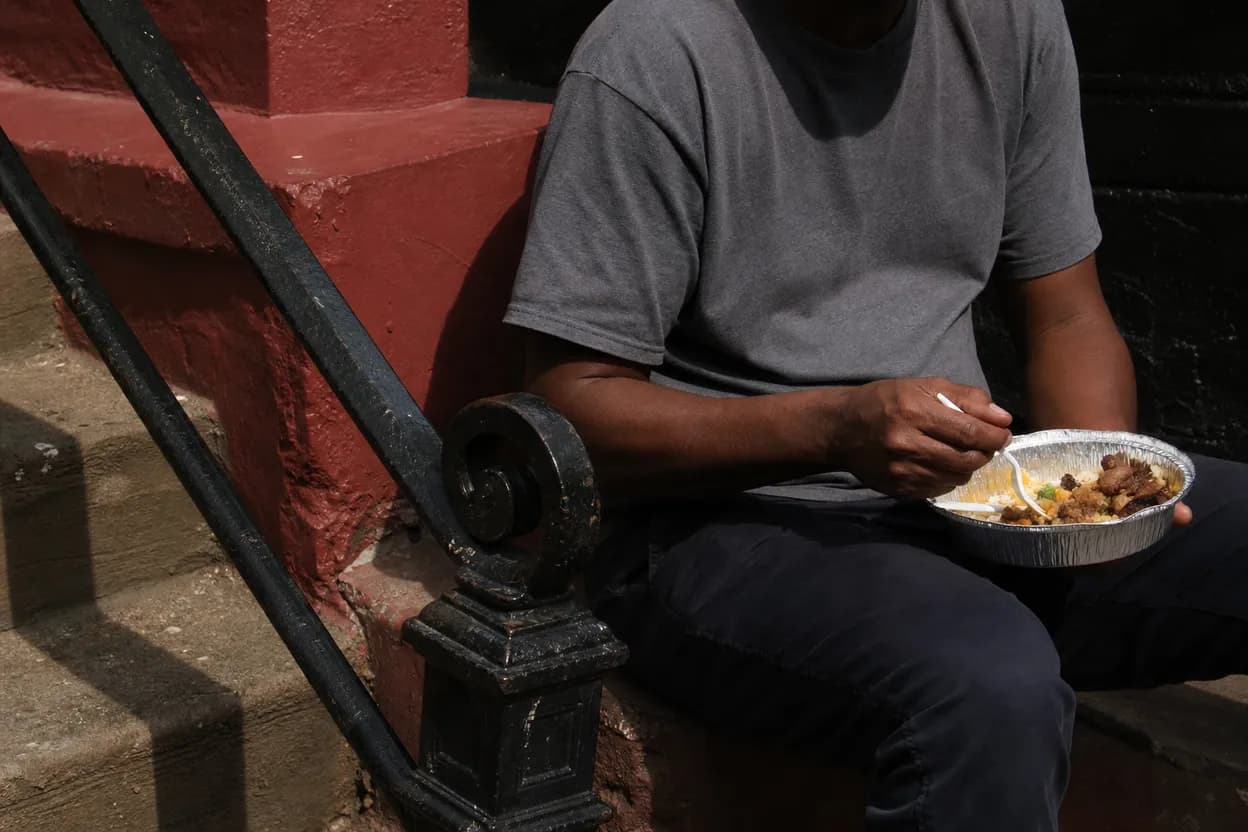
Match each order to the next movement. Fried snacks, slices, and some breads work for walking, while sweets usually travel better than saucy plates. Rice dishes, stews, curries, and large takeout orders may be better for a bench, a direct trip home, or a deliberate picnic. Check packaging, payment options, spice tolerance, and whether seating exists before committing. A food stop can be excellent and still wrong for a hot, crowded, bag-heavy walk.
Make Errands The Point
Kensington’s appeal in the sources comes from usefulness: produce stands, delis, grocers, specialty shops, independent cafes, bakeries, and small retail corridors serving regulars. That makes this route especially good for new residents learning daily patterns. Plan around a real need, such as fruit, pantry staples, bread, a snack for the train, dinner components, or a low-effort lunch. The walk becomes sharper when the errand is genuine instead of decorative.
The practical value is comparison. One pass along Church Avenue can show which shops feel busiest, which counters move quickly, which displays look fresh, and where the sidewalk becomes harder with bags. Do not overbuy before food stops or the park; weight changes the whole day. If mobility, fatigue, weather, or childcare matters, shorten the route to one errand plus one snack, then save additional scouting for another walk.
Use Side Streets For Pace
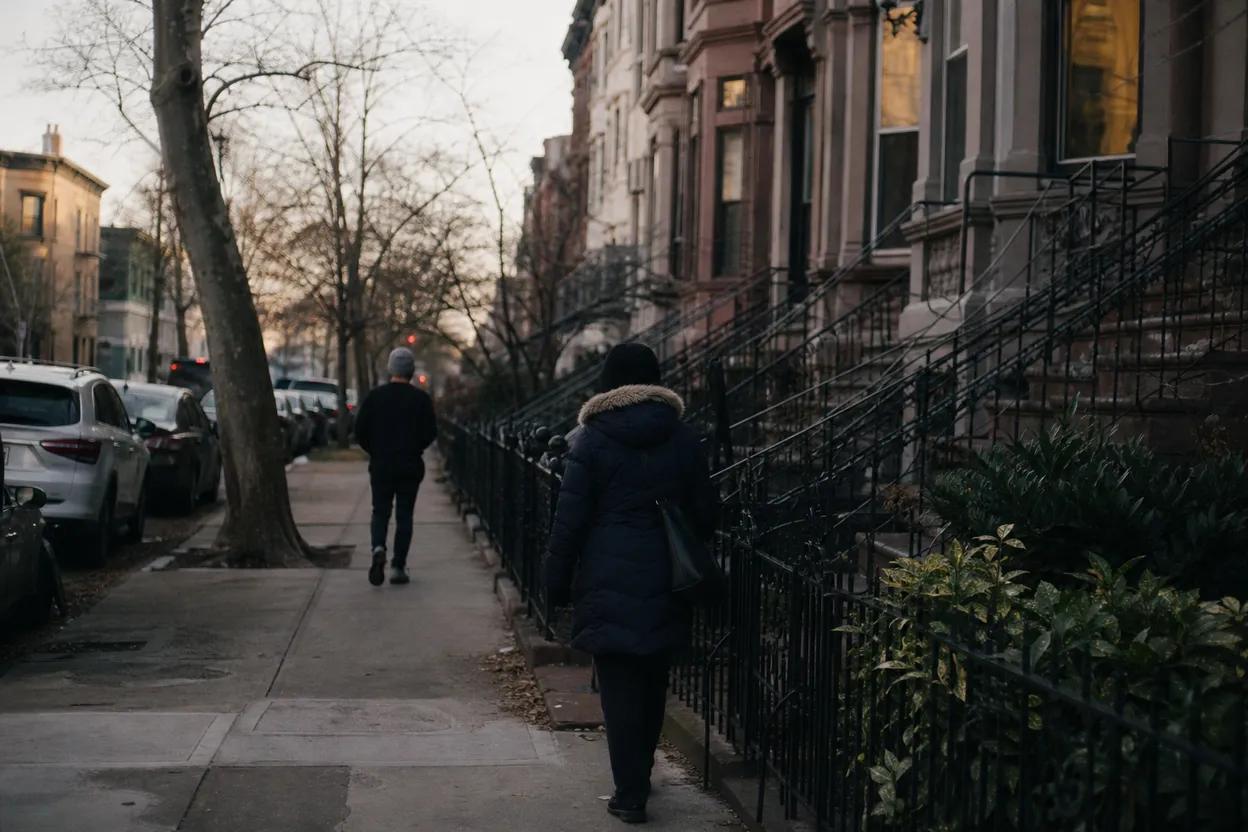
NYCaller describes Kensington as quieter, leafy, residential, and calmer than more trend-driven parts of Brooklyn, with detached houses, apartment buildings, porches, and modest retail strips shaping the neighborhood feel. That matters because Church Avenue can be functional rather than restful. Use side streets as reset points when the corridor feels busy, noisy, or too narrow for bags. The side-block rhythm helps walkers decide whether to continue, eat, shop, or head back.
Keep the detour respectful and simple. The point is shade, pace, and orientation, not inspecting private homes or lingering in front of residences. Stay on public sidewalks, avoid blocking stoops and driveways, and return to commercial blocks when you need food, transit, or shops. For accessibility, watch curb cuts, uneven pavement, stroller space, and street crossings. A calmer block is useful only if the route remains comfortable, public, and easy to exit.
Aim Toward Prospect Park Carefully
Prospect Park is a logical optional finish because the source file frames it as nearby, and Your Brooklyn Guide describes the park as 526 acres used for walking, biking, running, relaxing, and picnics. Kensington food pickup can fit that plan, especially when the weather is mild and the order travels cleanly. Still, the park should be the extension, not the obligation. Build the route so turning back remains a normal choice.
Failure modes are predictable: heavy groceries, leaking containers, rain, heat, limited seating, tired companions, restroom needs, or a longer-than-expected walk. Before treating food as a picnic, verify current park conditions, entrances, events, shade needs, and whether everyone can comfortably carry what was bought. If the timing feels off, eat nearby, take food home, or end at transit. A successful Kensington route can be short, useful, and park-free.
What to verify for Kensington Church Avenue corridor
Before publishing or following this route, confirm every changing detail: restaurant status, hours, cart presence, menus, prices, payment methods, seating, accessibility, restroom expectations, weather, transit service, and park conditions. The supplied sources support the corridor, neighborhood character, named food stops, Little Bangladesh framing, and Prospect Park logic, but they cannot guarantee July 15, 2026 operations. Treat older restaurant writeups as leads, not promises, and flag permanent closures clearly when sources report them.
Use this final field test: start near Church Avenue transit, pick one errand, choose one food stop that is visibly operating, note one backup nearby, check bag weight, then decide on Prospect Park only after eating or packing. The best audience is new residents, casual food walkers, park-bound locals, and anyone who values practical neighborhood knowledge. It is less ideal for visitors needing polished dining rooms, guaranteed seating, or a single headline attraction.
Tags: #KensingtonBrooklyn #ChurchAvenue #LittleBangladesh #BrooklynFood #ProspectPark #NYCNeighborhoods #BrooklynWalks #FoodErrands #LocalNYC #ParkFood #SouthBrooklyn #KarpoNYC #AskKarpo #BeforeYouGo
Sources consulted: Source 1: nycaller.com · Source 2: theinfatuation.com · Source 3: theinfatuation.com · Source 4: yourbrooklynguide.com
All trademarks are the property of their respective owners.
Ask Karpo first
Tell Karpo your date, group size, budget, and starting neighborhood. We’ll check current access, timing, transit, and the cleanest plan for Kensington Church Avenue corridor before you head out.