New York City is an urban playground teeming with electrifying energy, diversity, and countless free experiences. While current conversations, such as those surrounding kayla mcbride, may capture the media spotlight, there’s a vast world of accessible wonders waiting for every curious explorer here. Whether you’re a lifelong New Yorker or a first-time visitor, discovering the city through its free parks, museums, art installations, and iconic landmarks can be deeply rewarding. What makes New York truly special is its commitment to providing cultural and natural attractions for all, regardless of budget. Navigating these experiences requires some insider knowledge—knowing when museums offer free admission, how to find lesser-known scenic overlooks, and which transit options make each adventure easier. This guide bypasses the kayla mcbride trend to deliver a practical, up-to-date roadmap for uncovering New York City’s best no-cost sights, all while keeping safety, accessibility, and efficiency in mind. Prepare to experience the city’s magic without opening your wallet.
Ready to unlock New York City’s greatest free experiences? Use this guide to plan memorable outings that fit your schedule and interests. Make the most of your visit by checking access times, leveraging public transit, and exploring both popular and hidden gems at no cost.

Stroll Through Expansive Urban Green Spaces
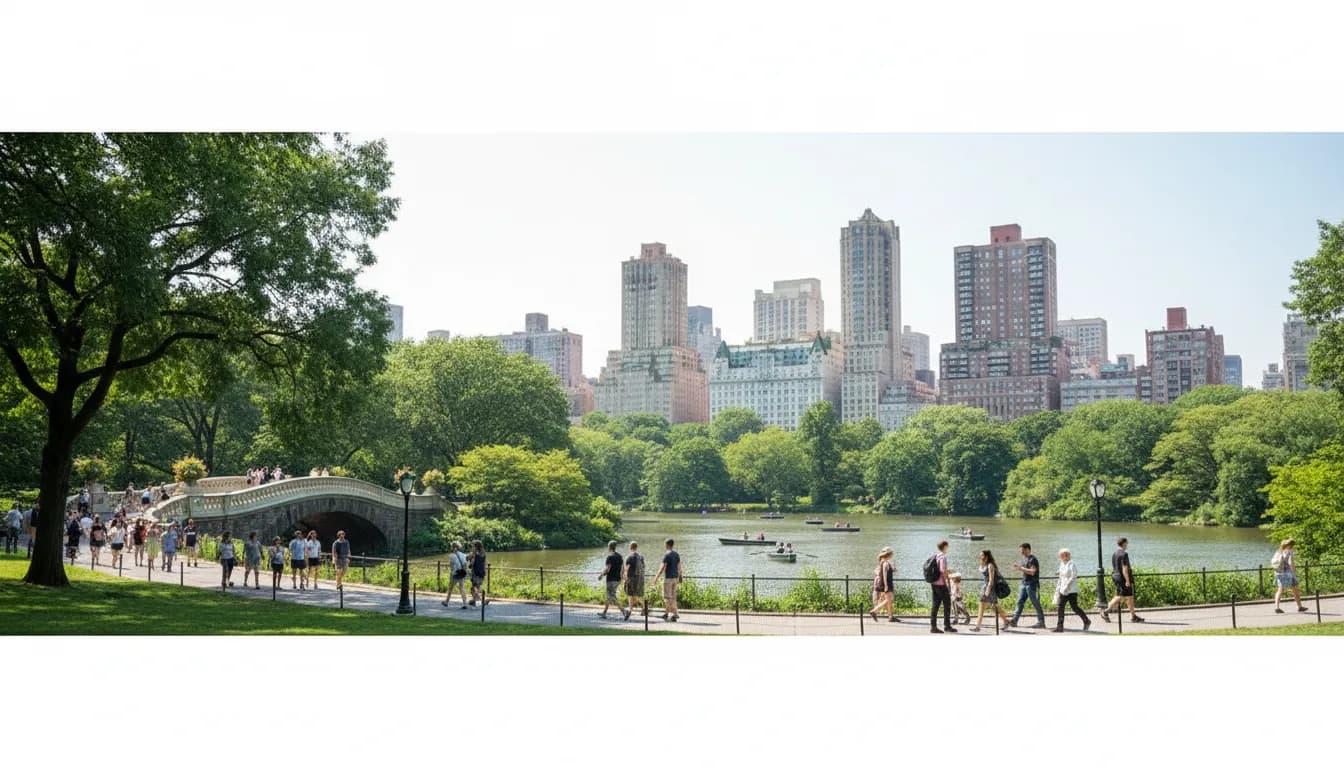
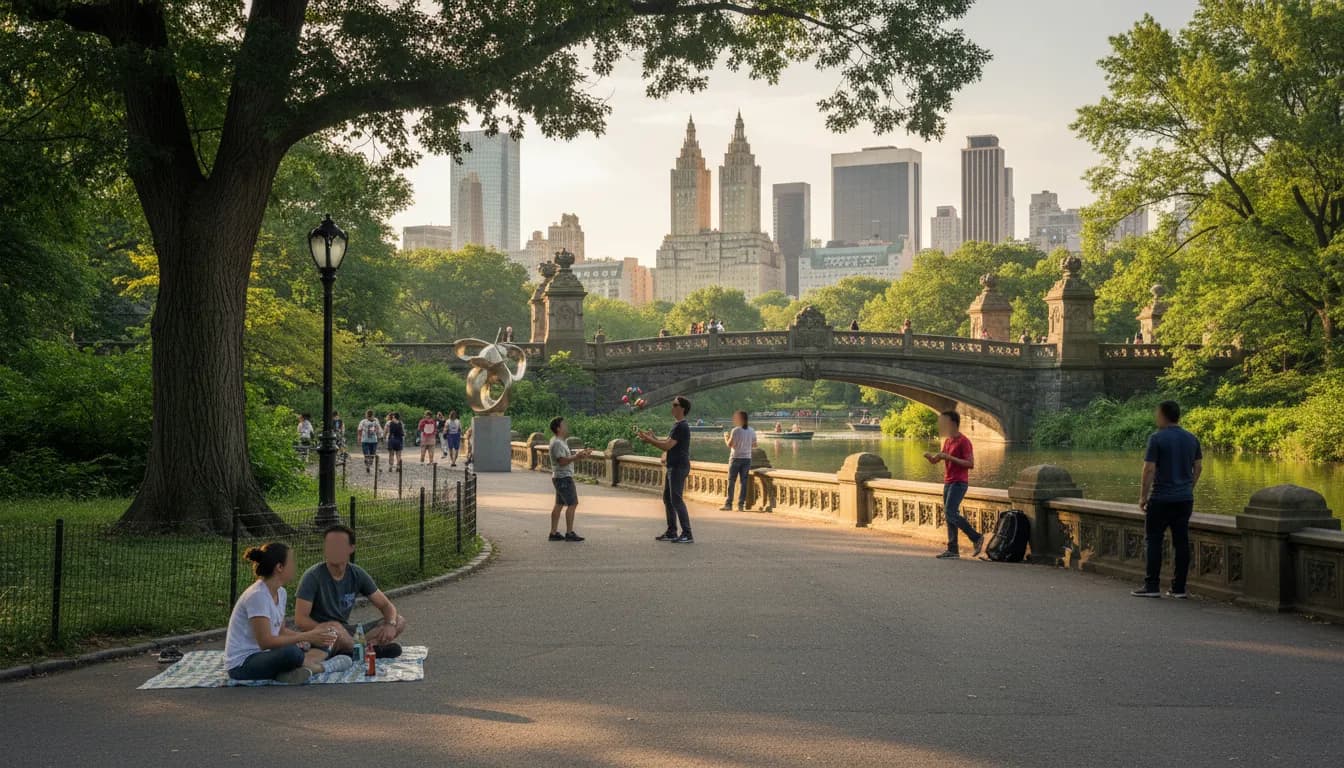
Central Park remains the heart of New York’s open-air culture, offering miles of landscaped paths, hidden gardens, and scenic lawns. For a more immersive escape, the park’s accessible entrances and paved pathways make it friendly for wheelchairs and strollers. Visit early morning for tranquil scenes or mid-afternoon for vibrant people-watching, always checking weather forecasts to pack appropriately and maximize your comfort.
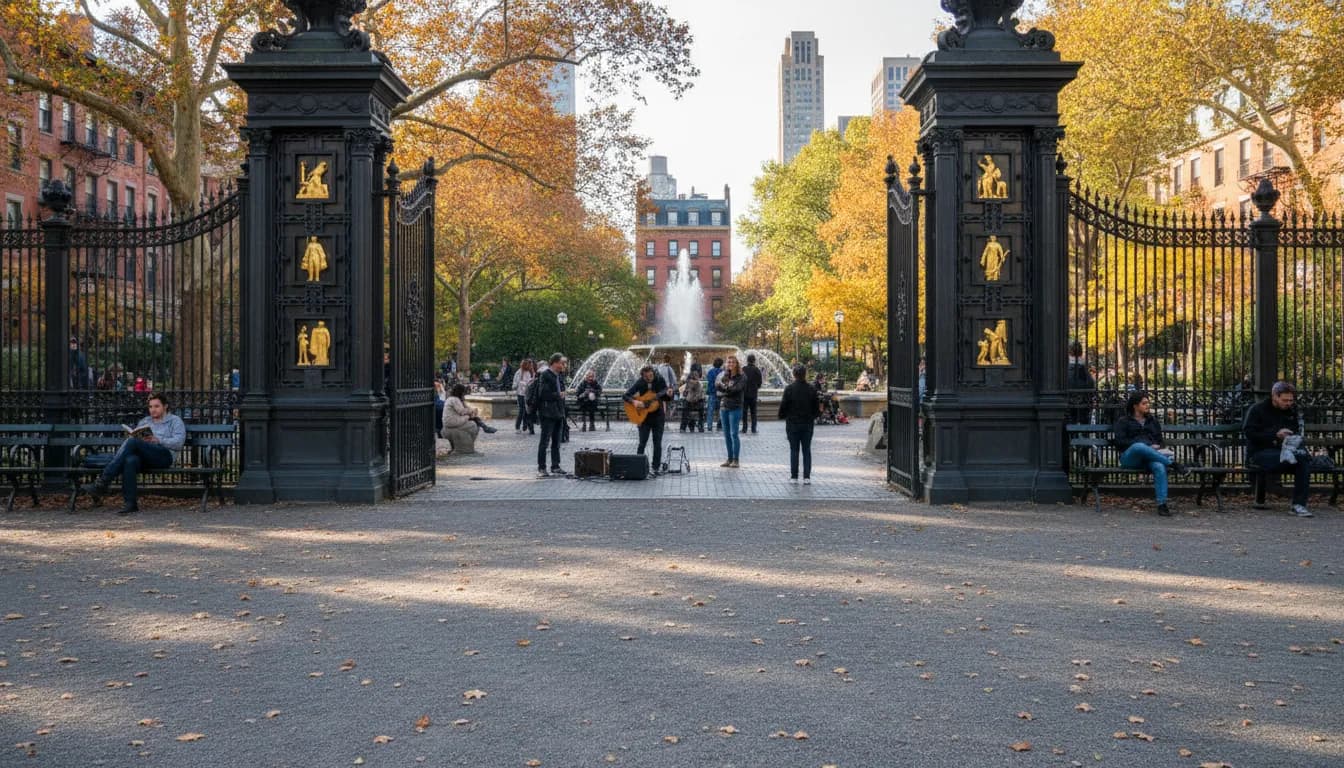
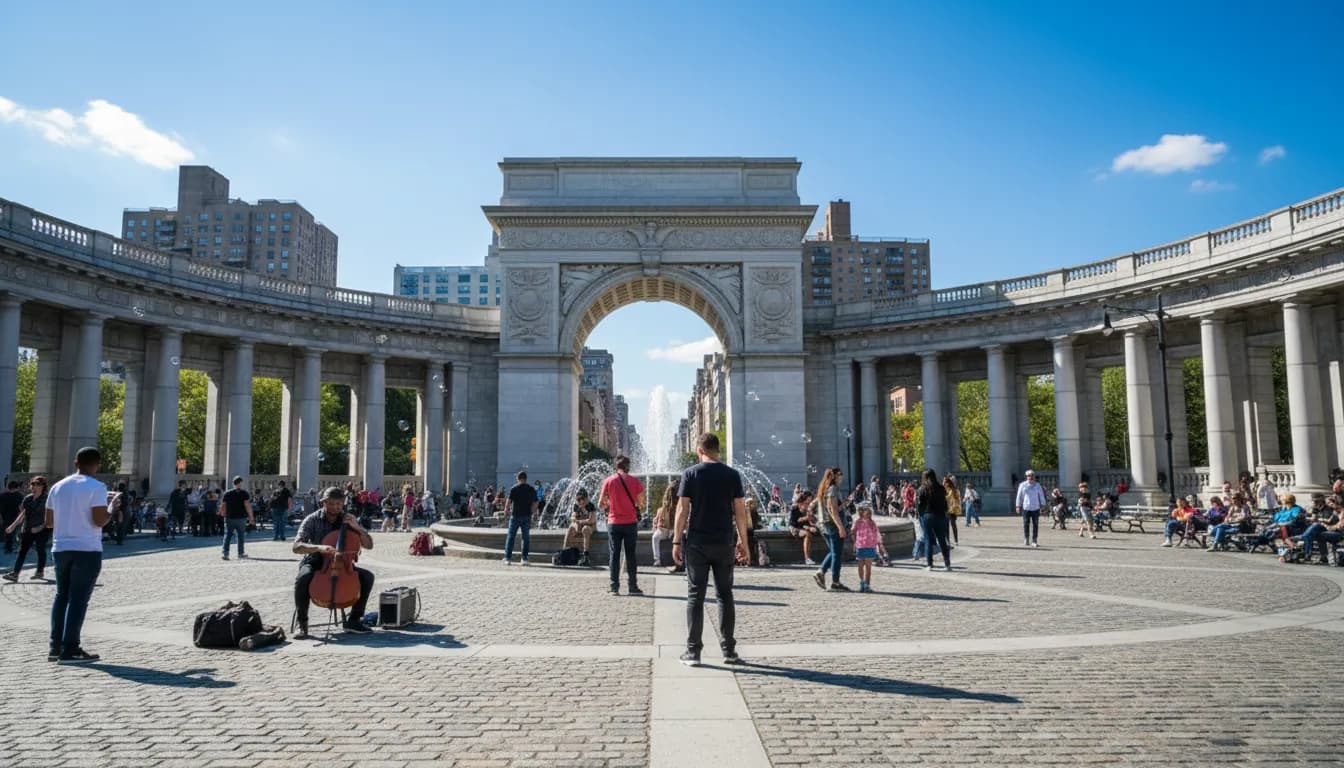
Beyond Central Park, Prospect Park in Brooklyn and Riverside Park along Manhattan’s west side provide similarly lush escapes. These parks host free events seasonally, but the true charm lies in wandering under old-growth trees, spotting public art, and finding quiet nooks. Remember to consult NYC Parks’ official site for trail maps, accessibility notes, and any temporary closures before heading out.
Urban green spaces can get crowded, especially during weekends or holidays. For a quieter experience, try visiting during weekday mornings. Always remain aware of your surroundings, especially in less-trafficked areas, and consider joining a free public walking tour if you’re unfamiliar with the space. Familiarize yourself with the nearest subway stop for an easy trip home.
Discover Public Art and Outdoor Installations
New York City is a living gallery, with public art installations gracing parks, plazas, and sidewalks across all five boroughs. The High Line, a reclaimed elevated railway, is renowned for its blend of landscapes and rotating contemporary sculptures. Each season brings new works, making return visits worthwhile. The High Line is wheelchair-accessible, and its official website offers current art maps and safety guidelines.
At Rockefeller Center and along Park Avenue, large-scale sculptures and murals invite visitors to interact and photograph their surroundings. Many installations are curated by local or international artists, turning ordinary commutes into cultural highlights. For an up-to-date directory of outdoor art, consult NYC Tourism’s digital guides, which provide location-specific details and accessibility notes.
While exploring public art, stay alert to street traffic and avoid obstructing pathways, particularly in high-pedestrian zones. Check weather conditions before planning an outdoor art walk, as some installations may be temporarily covered or removed due to storms. Carry a small umbrella or rain jacket for unexpected changes, and make note of nearby subway stations for a quick exit if needed.
Experience Iconic Views Without the Price Tag
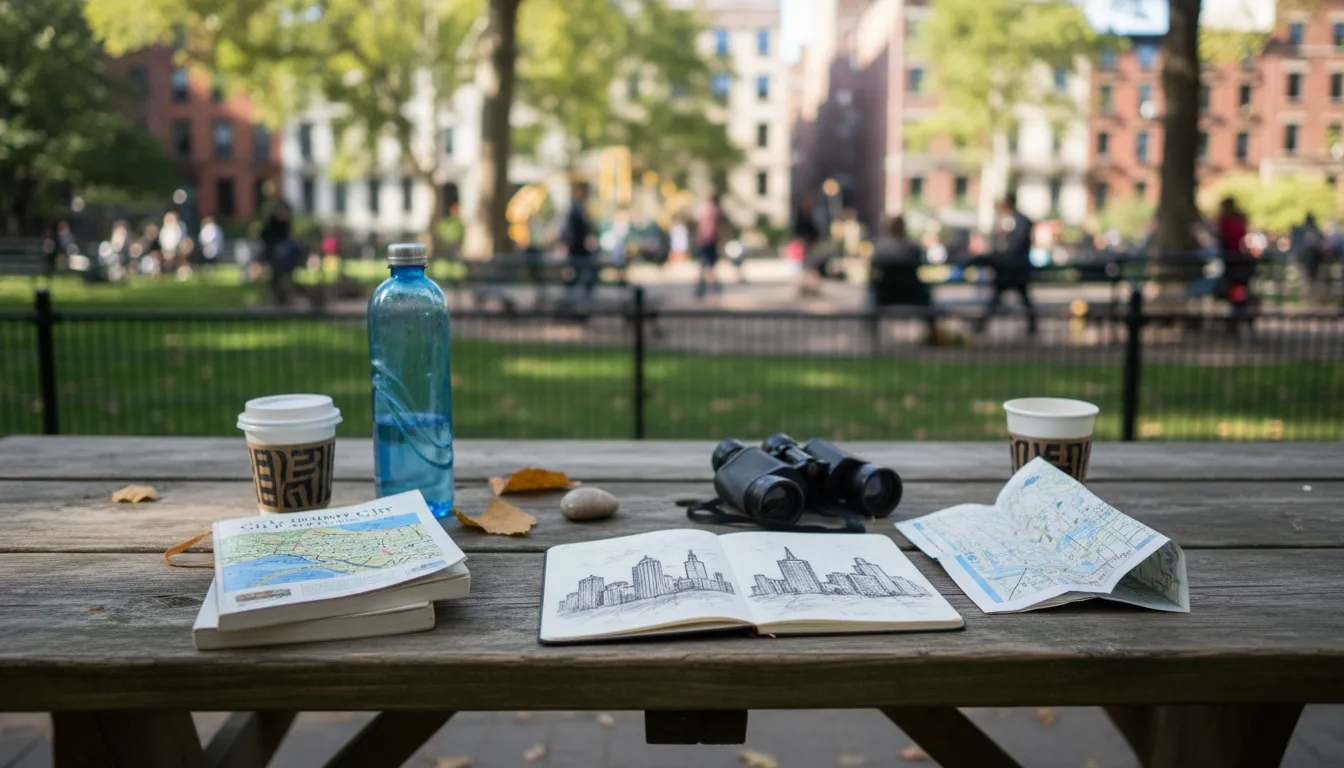
The city’s legendary skyline is accessible to all, thanks to public spaces like the Brooklyn Heights Promenade and Gantry Plaza State Park in Queens. These locations offer panoramic views of Manhattan’s skyscrapers, especially striking during sunset. Both spots are accessible via subway and feature paved walkways for smooth stroller or wheelchair navigation. Early evening is ideal for vibrant city lights, but midday visits tend to be less busy.
The Staten Island Ferry is another must-do, providing a free ride with sweeping vistas of the Statue of Liberty and Lower Manhattan. Ferries run regularly throughout the day, and both terminals are fully accessible. Arrive at least 20 minutes before scheduled departure to secure a good viewing spot, and bring a camera for unforgettable photos of the harbor and skyline.
For a quieter but equally scenic experience, explore Roosevelt Island’s waterfront paths. Accessed by tram or subway, the island offers unique angles of Midtown and the East River. Check tram schedules and elevator availability for accessibility. As always, monitor ferry and tram service announcements for any schedule changes before your visit.
Visit Museums During Free Admission Hours
Many of New York’s renowned museums offer free admission on certain days or evenings, making world-class art, history, and science accessible to everyone. The Museum of Modern Art, for example, opens its doors for free on select Friday evenings, though advance timed tickets are usually required. Always check the museum’s official site for up-to-date hours, entry rules, and health guidelines before planning your visit.
Several smaller institutions, such as the Bronx Museum of the Arts and the Socrates Sculpture Park, maintain ongoing free entry. These venues provide in-depth cultural programming and often host family-friendly activities. Confirm current opening days and times, as schedules may shift for special events or renovations. Some museums offer sensory-friendly hours for visitors needing a quieter environment.
Arrive early to avoid long lines, especially on widely publicized free days. Many museums have security screening and bag policies—travel light and check available storage options in advance. If capacity limits are reached, consider alternative nearby attractions or reschedule your visit for another free window. Always verify access and amenities for guests with limited mobility.
Find Hidden Havens and Neighborhood Gems
Beyond headline attractions, New York teems with lesser-known free spaces like community gardens, small waterfront piers, and historic walking routes. The Elevated Acre in the Financial District and Green-Wood Cemetery in Brooklyn are peaceful retreats where history and nature intertwine. Access hours and public transit connections can vary, so always research before setting out.
Neighborhood cultural centers and local markets often host no-cost performances, art exhibits, or seasonal celebrations. These events offer a glimpse into the city’s diverse communities and are rarely crowded. To find current happenings, check local bulletin boards, community websites, and NYC Tourism’s events calendar. Most venues are accessible, but reach out ahead if you have specific mobility needs.
If your first-choice location is unavailable or too crowded, have a backup plan nearby. Many neighborhoods are walkable, with cafés, parks, and pop-up art spaces within easy reach. Stay hydrated, especially during warmer months, and keep your phone charged for navigation. If unsure about area safety, opt for daylight visits and stick to routes with consistent foot traffic.
Practical notes
Before venturing out, always verify current access rules and hours for your chosen attractions, as free admission windows and park hours can change without notice. Public transit—including subways and buses operated by the MTA—is usually the most cost-effective way to reach your destination. Plan your route in advance and check for any service changes or delays, especially on weekends. For accessibility, most major parks, museums, and public spaces offer ramps, elevators, and accessible restrooms, but smaller venues may have limitations. Weather in New York can shift rapidly; dress in layers and pack rain gear as needed. In crowded tourist zones, safeguard personal belongings and remain vigilant, particularly around busy subway stations and popular landmarks. For up-to-date info, consult official resources such as NYC Parks, the MTA, and NYC Tourism before your visit. Consider traveling during off-peak hours for a more relaxed experience.
Tags: #nycforfree #newyorkcity #freeactivities #urbanparks #publicart #museumsnyc #accessiblenyc #budgettravel #explorenyc #hiddennyc #cityviews #walkablecity #nyctransit #localadventures #nycguide
Sources consulted: MTA · NYC Tourism · NYC Parks
All trademarks are the property of their respective owners.
Ask Karpo first
Unlock the very best of New York City without spending a cent by planning your adventures around free attractions and experiences. Whether you’re drawn to lush parks, inspiring art, or iconic vistas, this guide ensures you make the most of every moment—rain or shine. Start exploring today and discover a city that welcomes all.