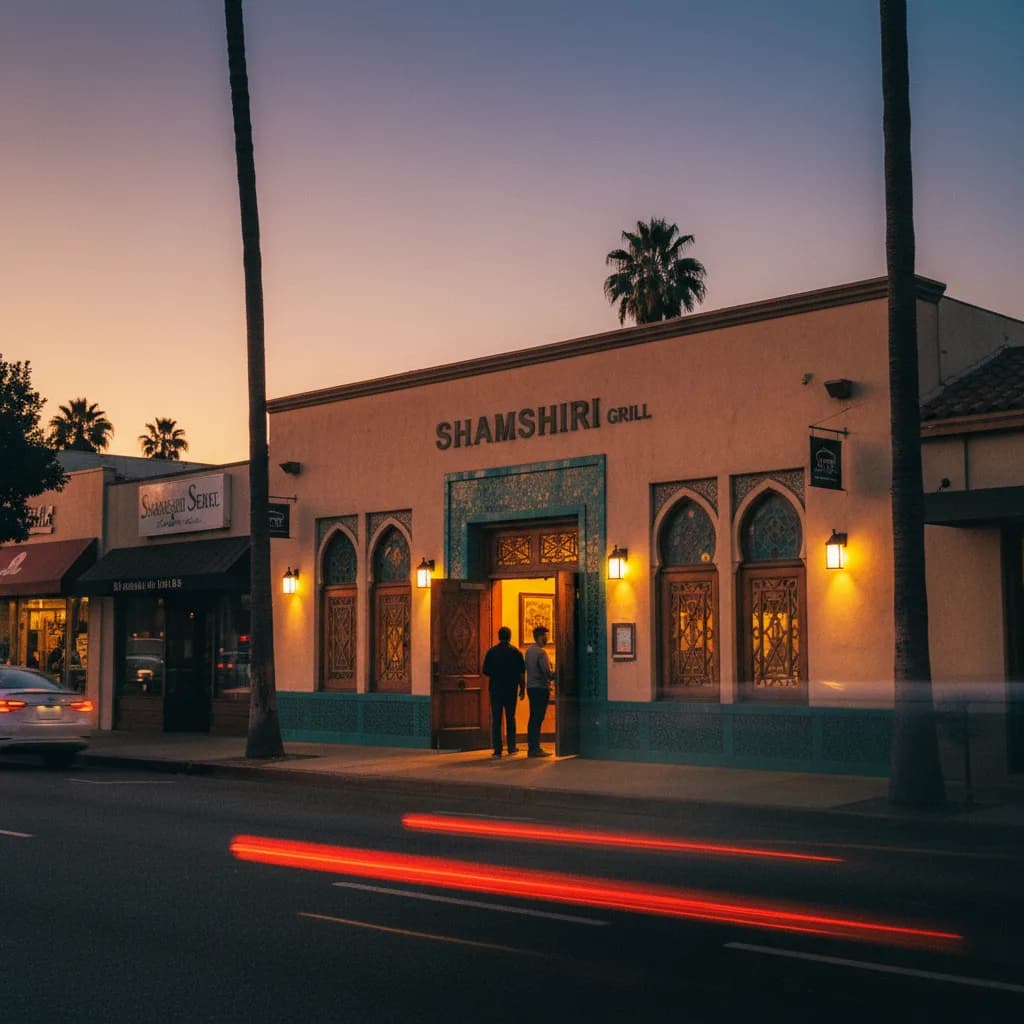
 Westwood's Shamshiri Grill: Premier Mediterranean Food, Kabobs, and Saffron Rice
Neighborhood Guides
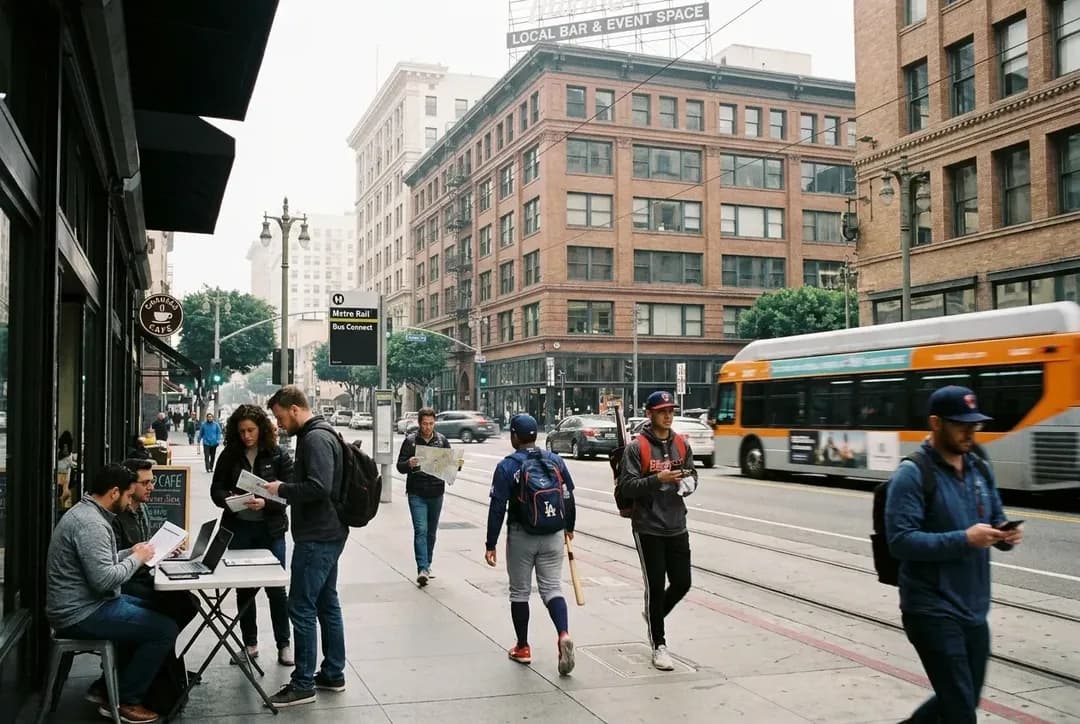
Kash Mayfield Prospect Scouting: LA Neighborhood Minor League Viewing Access Points
Baseball prospect enthusiasts tracking Kash Mayfield can map Los Angeles neighborhoods offering proximity to minor league viewing venues and analytics discussion hubs. This route-planning guide helps solo scouts navigate transit connections between game locations and meetup spaces across the city.
For baseball prospect enthusiasts planning weekend scouting missions focused on kash mayfield and similar emerging talent, Los Angeles presents a unique routing challenge that blends venue proximity with transit logistics. Unlike cities with centralized baseball districts, LA's minor league affiliate viewing locations and baseball analytics discussion groups scatter across multiple neighborhoods, requiring scouts to weigh travel time against game schedules and meetup availability. This guide approaches the planning process analytically, identifying which neighborhoods position solo scouts within reach of both live viewing opportunities and post-game analysis sessions, while mapping the Metro connections that make multi-location routes feasible. The focus remains on decision tradeoffs—choosing between neighborhoods closer to potential affiliate stadiums versus those near established sports bar analytics hubs, balancing weekend game day timing against transit frequency, and understanding which areas offer the density of baseball-focused spaces that justify the intermediate planning effort required for effective prospect tracking.
Text Karpo your starting point, timing, group size, and priorities for a Los Angeles plan tailored to this exact situation, with one realistic backup before you leave.
Transit-Accessible Neighborhood Clusters for Multi-Venue Scouting
Solo scouts building kash mayfield viewing routes face a fundamental tradeoff between neighborhood proximity to potential minor league affiliate venues and access to Metro lines that enable same-day movement between locations. Neighborhoods along Metro Rail corridors offer the most reliable transit timing for scouts planning to visit multiple venues or transition from afternoon games to evening analytics meetups. According to Metro's official rider information, the system connects Los Angeles County through bus, rail, bike, van and multiple transportation modes, with regular fare at $1.75 and a daily cap ensuring riders never pay more than $5 after three trips in one day. This fare structure particularly benefits scouts planning three-or-more-location routes, making transit-adjacent neighborhoods economically sensible base points for weekend scouting missions.
The planning difficulty increases when scouts must verify which neighborhoods actually position them near confirmed minor league affiliate facilities versus general baseball discussion venues. Without official schedules or addresses for specific affiliate games, scouts should focus on neighborhoods known for sports venue density and established baseball fan communities, then confirm current affiliate locations through league sources before finalizing routes. Neighborhoods near Metro Rail stations with frequent weekend service reduce the risk of missed connections between venues, while areas served primarily by bus routes require more careful schedule coordination. Scouts should download the LA Metro Official App for real-time arrivals and service alerts, particularly important for weekend routing when service patterns may differ from weekday schedules.
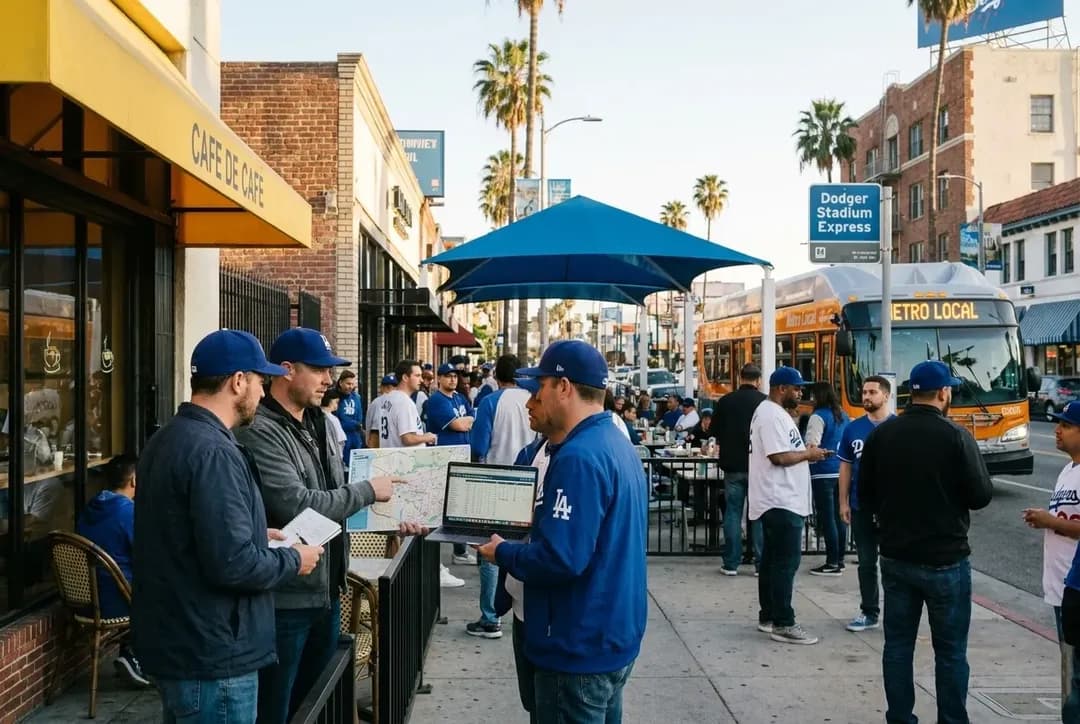
Neighborhood Selection Based on Venue Type and Discussion Hub Proximity
The intermediate planning required for prospect scouting routes stems from distinguishing between neighborhoods offering actual game viewing access versus those serving primarily as analytics discussion locations. Some LA neighborhoods host sports bars and baseball-focused establishments where prospect enthusiasts gather for watch parties and statistical analysis sessions, while others position scouts near potential minor league stadiums or practice facilities. Scouts tracking kash mayfield and similar prospects must decide whether their weekend priority centers on live game attendance or participation in analytics communities that dissect performance data and scouting reports. This decision directly shapes neighborhood selection, as areas optimal for one purpose may require significant transit time to reach the other.
Neighborhoods with established sports bar districts offer year-round consistency for finding baseball discussion groups, regardless of whether specific minor league affiliates play home games on a given weekend. These areas provide backup options when game schedules shift or weather affects outdoor viewing, giving scouts alternative venues for prospect analysis even without live game access. Conversely, neighborhoods immediately adjacent to minor league facilities offer irreplaceable live viewing opportunities but may lack the concentration of analytics-focused establishments that facilitate post-game discussion. Scouts should map both types of locations before committing to a neighborhood base, understanding that the most efficient routes often involve starting in one neighborhood type and using Metro connections to transition to the other as the day progresses.
Weekend Game Day Timing and Neighborhood Transit Rhythm
Weekend minor league game schedules typically feature afternoon first pitches, creating specific timing windows that dictate which neighborhoods work for multi-location scouting routes. Scouts planning to attend a game and then transition to analytics meetups must account for game duration (typically two-and-a-half to three hours), plus Metro travel time between neighborhoods, plus the typical start times for evening discussion groups at sports bars. This timing chain means neighborhoods offering fifteen-to-twenty-five minute Metro connections between game venues and discussion hubs become significantly more valuable than those requiring forty-plus-minute journeys, even if the longer route offers slightly better viewing angles or more established meetup communities.
Metro's transfer policy—free transfers between buses and trains within two hours when using TAP, credit or debit cards—creates specific routing opportunities for scouts willing to make intermediate stops. A scout might attend an afternoon game in one neighborhood, transfer to a second neighborhood for early dinner and initial game analysis at a baseball-focused restaurant, then make a second transfer to a third neighborhood for a formal analytics meetup, all within the daily fare cap. However, this multi-transfer approach requires careful attention to Metro's real-time arrival information and service alerts, as delays on one leg can cascade through the entire route. Scouts should identify backup neighborhoods along their primary Metro line that offer alternative discussion venues if timing becomes too tight for their planned destination.

Verification Steps Before Committing to Neighborhood Routes
The analytical focus required for effective prospect scouting extends to route planning itself, demanding verification of assumptions before scouts commit travel time to specific neighborhoods. Without official confirmation of minor league affiliate game locations, scouts should cross-reference multiple sources: league websites for affiliate stadium addresses, team social media for game day announcements, and local baseball community forums for crowd-sourced venue information. Similarly, analytics meetup locations require verification, as sports bars may host baseball discussion groups irregularly or shift venues based on private event bookings. Scouts should contact establishments directly or check meetup platform listings within forty-eight hours of their planned visit to confirm both the event and the venue.
Neighborhood selection also demands verification of Metro service patterns specific to weekend game days. While Metro provides system maps and timetables through its official channels, weekend service frequency may differ from weekday patterns, and special events can trigger service changes or crowding on specific lines. Scouts should check Metro's alerts for delays, detours and service changes before leaving, and build fifteen-to-twenty-minute buffer time into routes to accommodate unexpected transit delays. This verification process particularly matters for scouts planning evening returns from neighborhoods farther from their accommodation, as reduced late-night service frequency can extend wait times significantly. The intermediate difficulty rating for these scouting routes reflects not the complexity of any single step, but the cumulative planning attention required to synchronize game timing, transit schedules, and meetup availability across multiple neighborhoods.
Who This Neighborhood Routing Approach Fits Best
This multi-neighborhood prospect scouting approach works best for solo baseball enthusiasts who treat route planning as part of the analytical exercise, finding satisfaction in optimizing transit connections and maximizing venue exposure within weekend time constraints. Scouts who prefer spontaneous game day decisions or dislike structured schedules may find the advance planning and timing coordination frustrating, particularly when Metro delays or game schedule changes force real-time route adjustments. The approach also assumes comfort with solo attendance at both games and analytics meetups, as the tight timing windows between locations make coordinating with groups difficult. Scouts traveling with companions or families will likely need to simplify routes, focusing on single neighborhoods that offer multiple baseball-related activities within walking distance rather than attempting Metro-dependent multi-location plans.
The neighborhood routing strategy also fits scouts who value breadth of exposure over depth of experience at any single location. Rather than spending an entire day in one neighborhood attending a game and lingering for extended post-game discussion, this approach prioritizes experiencing multiple baseball communities and viewing different types of prospect analysis environments. Scouts seeking to build networks across LA's baseball analytics community benefit from this multi-neighborhood exposure, while those preferring to develop deeper connections within a single community might choose neighborhood bases that offer full-day programming. Finally, the intermediate transit and planning requirements mean this approach works best for scouts with prior Metro experience or strong comfort with urban navigation, as first-time LA visitors may find the system overwhelming when combined with game day time pressures and unfamiliar neighborhood geography.
Tags: #baseballscouting #minorleaguebaseball #LAMetroroutes #prospecttracking #sportsanalyticsmeetups #neighborhoodguides #transitplanning #weekendgameday #baseballenthusiasts #multivenueroutes #soloscouting #LAneighborhoods #baseballdiscussiongroups #transitconnections #routeoptimization
Sources consulted: Source 1: laparks.org · Source 2: metro.net · Source 3: discoverlosangeles.com · Source 4: lacity.gov
All trademarks are the property of their respective owners.
Ask Karpo first
Ask Karpo to turn this Los Angeles idea into a current plan for your date, budget, companion, transit preference, and energy level. Karpo can narrow the route and flag what to verify before you go.
Ask Karpo for more information.
Keep reading
- Westwood's Shamshiri Grill: Premier Mediterranean Food, Kabobs, and Saffron Rice
 Best Food Places Near Me: Corporation Food Hall in Downtown LA
 Unveiling Thai Town Marketplace: Food Places Near Me in Thai Town