 Karpo vs Copilot for After-Work Drinks With Coworkers in San Francisco 2026
Head to Head
Karpo vs TalkPal: When the Day Breaks, Which AI Helps?
TalkPal is built for language practice, while Karpo is built to help people make city decisions inside iMessage when plans, timing, and context keep changing.
Verdict: When the Day Breaks, Which AI Helps?
Karpo and TalkPal do not solve the same core problem. TalkPal, according to its official page, is an AI language learning app and AI language teacher for speaking practice in 130+ languages, with real conversations using natural AI voice and a free 14-day period mentioned on the page. Karpo is a proactive city sidekick in iMessage: it helps narrow choices, coordinate context, and think through a day in the city. That means a fair comparison should not ask which app is universally smarter. It should ask what happens when a user’s real day starts to fray: the phrase they practiced does not match the situation, the cafe is too loud for a call, the museum line changes the schedule, or a group chat cannot agree on dinner.
Ask Karpo when your city day has too many moving pieces for one search box: a loose route, a food preference, a time window, a friend joining later, or a need to compare options without pretending that any app can guarantee hours, access, safety, or availability.
Picture Lena, a Berlin-based video editor spending one open Saturday in Lisbon before a Monday client meeting. She wants to practice Portuguese, film a few street scenes, find a calm lunch spot, avoid wasting the golden hour, and meet two friends later without turning the day into logistics work. In the morning, TalkPal is the more obvious tool: she can rehearse ordering coffee, responding to a shopkeeper, and hearing natural-sounding spoken practice before stepping outside. By midafternoon, however, the problem is no longer just language. It is sequencing, neighborhood tradeoffs, fatigue, weather uncertainty, group preferences, and the question of what to do when Plan A stops making sense.
The failure mode: a language win can still leave the day unsolved
TalkPal’s strongest lane is clear from its official positioning: it is an AI language teacher for speaking practice across 130+ languages, with real conversations and natural AI voice. That matters because many urban failures begin before logistics. A traveler freezes when a server asks a follow-up question. A creator wants to interview a local shop owner but cannot warm up their ear. A knowledge worker arriving for a conference wants to feel less awkward in small interactions. In those moments, the failure is not finding a place. It is not having the language reflex ready when a human interaction starts.
Karpo’s failure mode is different. It is not designed to replace a language tutor’s core practice loop. If Lena needs repeated pronunciation drills, simulated dialogue, and practice hearing spoken prompts, TalkPal is the more relevant product. Karpo becomes useful when the language moment sits inside a larger city decision: which neighborhood to explore, whether to walk or pause, how to fit a gallery and dinner into a shrinking afternoon, or how to explain the plan to friends in a thread. The mistake would be treating language confidence and day coordination as if they were the same job.
A solo-user day shows where each tool belongs
Lena begins with TalkPal over breakfast. She practices a few common exchanges, gets comfortable with likely greetings, and rehearses a simple way to ask whether filming is allowed. This is a clean use case for an AI language tutor because repetition helps. She can make mistakes privately before making them publicly. She is not asking the app to know the current crowd level at a viewpoint or whether a pastry shop still has a specific item. She is using it to lower the emotional cost of speaking.
Later, she has three hours before sunset and four possible directions: a tile museum, a riverside walk, a bookstore, or a neighborhood with better street footage. This is where Karpo is more relevant. Karpo can help frame the decision around constraints: how tired she is, what kind of footage she still needs, whether her friends are joining nearby, and how much uncertainty she can tolerate. It should not guarantee that a venue is open or that a tram will arrive on time. Its value is in helping turn scattered options into a sensible next move.
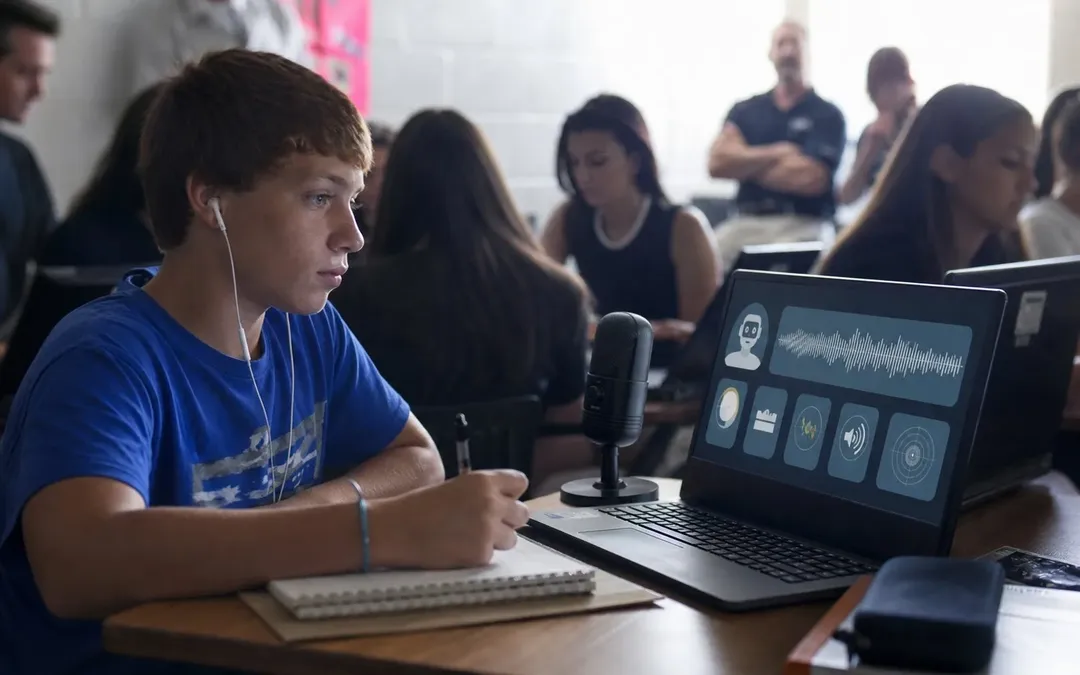
Where TalkPal wins: focused practice before the city talks back
TalkPal has several real strengths that Karpo should not blur. First, its official page presents it as a dedicated language-learning app, not a general assistant. That specialization matters for learners who need speaking practice rather than itinerary thinking. Second, support for 130+ languages is a major advantage for travelers or multilingual households who do not want a separate practice tool for every trip. Third, the emphasis on real conversations and natural AI voice is directly aligned with the hardest part of casual language learning: responding in the moment, not just recognizing vocabulary.
Fourth, TalkPal can fit into small private windows of the day. A user can practice before leaving the apartment, during a train ride with headphones, or after an awkward interaction they want to redo mentally. Fifth, it creates a low-stakes rehearsal space. For creators, that may mean preparing a short ask before approaching a vendor. For remote workers, it may mean warming up before a coworking event abroad. Those are not minor benefits. When the problem is fluency practice, listening comfort, or conversational courage, TalkPal is the more purpose-built choice.
Where Karpo is more relevant: city context, group friction, and tradeoffs
Karpo is more relevant when the user is no longer asking, “How do I say this?” but “What should we do next?” Urban days are full of soft constraints: someone is hungry but not ready for dinner, one friend wants a view and another needs shade, a creator needs quieter streets, a traveler wants a memorable stop without crossing town, and a local knowledge worker has only ninety minutes between meetings. Karpo’s role is to help people compare choices in context, especially inside iMessage where plans often happen anyway.
That does not make Karpo a booking engine, live operations dashboard, safety authority, weather service, or medical adviser. It cannot guarantee a restaurant table, current opening hours, train status, neighborhood safety, or whether a venue will allow filming. Its usefulness is more modest and often more practical: summarize the tradeoff, remember the stated preferences, suggest a narrower set of options, and help a person or group decide what is worth checking next. In failure-mode terms, Karpo helps reduce decision drift; TalkPal helps reduce speaking hesitation.
Access and pricing: compare the commitment, not imagined numbers
The supplied official snapshot for TalkPal says the app offers a free 14-day period. It does not provide, in this comparison, enough verified detail to state exact subscription prices, plan limits, regional terms, family sharing, enterprise access, or cancellation rules. Readers should check TalkPal’s official site for current pricing and availability before making a commitment, especially if they plan to use it for a specific language, trip, school goal, or daily speaking habit.
For Karpo, the right pricing question is different because the product category is not AI language tutoring. A user should ask how often they need help coordinating city choices, whether iMessage-based planning fits their habits, and whether the value comes from solo decisions or group context. Do not compare the two by pretending they sell the same outcome. TalkPal access is best evaluated around practice frequency and language coverage. Karpo access is best evaluated around the number of city days, meetups, errands, creator outings, and group decisions where a structured sidekick would actually be used.

Practical verdict: pair them, separate them, or choose one
Choose TalkPal first if your main failure is conversational readiness. If you are moving abroad, preparing for a trip, trying to regain a language you studied years ago, or wanting spoken practice in one of the many languages it supports, TalkPal is closer to the problem. It is especially compelling before human contact: ordering, greeting, asking directions, clarifying a price, or practicing a polite refusal. Karpo should not be described as a replacement for that tutor-like function.
Choose Karpo first if your main failure is city-day coordination. A group trying to decide between tacos, a gallery, and a low-key bar does not primarily need verb conjugation. A creator balancing light, distance, and permissions needs a plan that can adapt. A conference attendee choosing between a quick dinner and a walk before a reception needs judgment around time and energy. The best combined workflow is simple: use TalkPal to practice the human-language moments, then use Karpo to shape the day those moments happen inside.
This is an independent comparison based on TalkPal’s official-page snapshot and Karpo’s stated role as an iMessage city sidekick, not an endorsement by or claim of affiliation with TalkPal.
FAQ
Does TalkPal replace a city planner or city sidekick like Karpo?
No. TalkPal is positioned as an AI language teacher and language learning app for speaking practice. It may help you prepare for conversations in a city, but it is not presented as a city-planning or group-coordination tool.
Does Karpo replace TalkPal’s core language tutor function?
No. Karpo can help think through city choices and coordinate context, but it is not a dedicated AI language tutor. If your goal is repeated speaking practice, conversational drills, or natural AI voice practice across many languages, TalkPal is the more relevant fit.
Can either TalkPal or Karpo guarantee live details like hours, transit, weather, or access?
No. Neither should be treated as a guarantee of current opening hours, bookings, transit operations, weather, safety, or venue access. Users should verify time-sensitive details with official sources or the venue before relying on them.
Which is better for a traveler visiting a city for one day?
It depends on the traveler’s weakest point. If the main worry is speaking the local language, TalkPal is the better starting point; if the main worry is choosing and adjusting the day’s route, Karpo is more relevant.
What privacy or safety issue should users consider with AI language and city tools?
Avoid sharing sensitive personal data, private addresses, financial information, medical details, or confidential work material unless you understand the service’s policies and settings. For city decisions, also avoid relying on an AI tool as a safety authority; use local guidance, official alerts, and personal judgment.
Can creators use both tools during the same outing?
Yes. A creator might use TalkPal to rehearse a polite request before filming or interviewing, then use Karpo to decide which neighborhood, time window, or backup plan fits the shoot. The tools are complementary when language confidence and city logistics both matter.
Practical notes
Practical notes: before choosing, define the failure you are trying to prevent. If you often avoid speaking because you fear mistakes, test a language tutor such as TalkPal and confirm the languages, trial terms, voice features, and plan details on its official site. If your stress comes from urban ambiguity, group indecision, or changing constraints, Karpo may be the better companion for the moment. For any city day, keep a habit of checking official venue pages, maps, local transit updates, weather sources, and reservation confirmations. AI can help narrow choices and rehearse possibilities, but it should not become the only source for live or high-stakes decisions.
Tags: #Karpo #TalkPal #AILanguageTutor #LanguageLearning #CityPlanning #TravelTools #UrbanLife #iMessage #SoloTravel #CreatorTools #KnowledgeWorkers #GroupPlanning #AIComparison #CitySidekick
Sources consulted: TalkPal official website · Karpo official website · Karpo scenarios · Karpo head-to-head collection
All trademarks are the property of their respective owners.
Ask Karpo first
Ask Karpo before your next city window closes: send the rough plan, the people involved, your time limit, and what would make the day feel successful, then use its suggestions as a starting point to verify details and make a more grounded decision.
Ask Karpo for more information.
Keep reading
- Karpo vs Copilot for After-Work Drinks With Coworkers in San Francisco 2026
 Karpo vs Yelp Assistant: Best Weekend Brunch Planner in Los Angeles 2026
 Karpo vs Alexa+: Which AI Helps Host Thanksgiving in Miami in 2026?