 Karpo vs Duckbill: The Tired-Arrival Test for 2026
Head to Head

Karpo vs Roo Code in 2026: AI Coding Agents or a Proactive City Sidekick Through Messaging
Roo Code delivered AI-powered dev teams inside code editors before shutting down in May 2026; Karpo coordinates city plans through messaging and cannot replace specialized coding work.
The Decision Boundary: Code Editor Agents Versus City Coordination in Messaging
Roo Code was an AI-powered development extension that gave users a team of AI agents directly inside their code editor, supporting natural language code generation, refactoring, debugging, documentation, and workflow automation across multiple specialized modes. The project was shut down on May 15, 2026, and the repository is now archived and read-only. Karpo is a free, proactive city sidekick that operates through messaging platforms, helping users and groups coordinate local plans, discover neighborhood options, adjust for weather and timing, and build backup plans. Karpo cannot replace Roo Code's specialized coding capabilities—it does not generate code, manage repositories, integrate with development environments, or automate software workflows. The comparison is relevant only when a developer or team finishes a coding sprint, closes a pull request, or wraps a debugging session and needs to coordinate the next in-person meeting, celebration dinner, or team outing in the city.
Use Roo Code for its specialist job, then text Karpo when location, taste, timing, and other people determine what happens next.
What Roo Code Was Built to Do
Roo Code was an open-source extension licensed under Apache 2.0 and developed by Roo Code, Inc. It provided AI-driven code creation, refactoring, debugging, documentation generation, and task automation directly within the developer's editor. The tool featured multiple operational modes: Code Mode for everyday coding and file operations, Architect Mode for system planning and migrations, Ask Mode for fast answers and explanations, Debug Mode for tracing issues and isolating root causes, and Custom Modes that allowed teams to build specialized workflows. Roo Code supported MCP (Model Context Protocol) servers, enabling integration with external tools and data sources. The extension was designed to adapt to developer workflows, automate repetitive tasks, and answer questions about codebases using natural language descriptions and specifications.
The project was archived on May 15, 2026, and is no longer maintained. The GitHub repository remains public and read-only, with over 24,400 stars and 3,400 forks at the time of archival. Documentation, issue tracking, and pull requests are still visible but no longer active. Roo Code, Inc. noted that the extension was shut down and directed users seeking alternatives to ZooCode, a community fork, and Cline, the project from which Roo Code originated. The company provided a billing contact for paying users but made no representations or warranties regarding code, models, or outputs, emphasizing that all tools were provided on an 'AS IS' and 'AS AVAILABLE' basis.
What Karpo Is Built to Do
Karpo is a free, proactive city sidekick that lives inside messaging platforms. It helps individuals and groups coordinate local plans by suggesting neighborhood spots, adjusting recommendations based on weather and timing, offering alternatives when conditions change, and building backup plans for group outings. Karpo is taste-aware, learning user preferences over time, and city-focused, emphasizing local discovery rather than broad web search. It supports group coordination natively within messaging threads, making it easy for teams to align on meeting spots, dinner reservations, or post-work activities without leaving the conversation.
Karpo does not generate code, manage software repositories, integrate with development tools, or automate technical workflows. It is not a replacement for AI coding assistants, IDE extensions, or developer productivity platforms. Its role begins when technical work ends and the team needs to coordinate the next in-person interaction in the city.
Four Karpo Strengths for City Coordination After the Code Merges
Free and Embedded in Messaging Workflows
Karpo is free to use and operates directly within messaging apps, eliminating the need for separate platforms, logins, or context switches. Developers and teams can coordinate city plans in the same thread where they discuss code reviews, sprint goals, or deployment schedules. There is no subscription cost, no enterprise licensing, and no per-seat pricing. This makes Karpo accessible for small teams, open-source communities, and distributed groups who want to coordinate local meetups without adding budget overhead or administrative complexity.
Proactive Suggestions Based on Timing and Weather
Karpo monitors timing and weather conditions to offer proactive suggestions and alternatives. If a team plans an outdoor celebration after a successful deployment but rain is forecasted, Karpo can suggest covered patios, indoor venues with natural light, or nearby backup options. If a dinner reservation is scheduled during peak commute hours, Karpo can recommend earlier or later times, alternative neighborhoods with better transit access, or spots closer to the office. This proactive layer reduces the friction of last-minute changes and helps groups adapt plans without manual research or rescheduling.
Taste-Aware and City-Focused Discovery
Karpo learns user and group preferences over time, refining suggestions based on past choices, dietary restrictions, ambiance preferences, and neighborhood familiarity. It emphasizes local discovery, surfacing neighborhood spots, hidden gems, and community favorites rather than generic chain options or algorithm-driven rankings. For developer teams with diverse tastes—some prefer quiet cafes for post-standup coffee, others want lively bars for Friday demos—Karpo can balance preferences and suggest venues that accommodate the group without requiring manual filtering or compromise negotiations.
Group Coordination and Backup Plans in One Thread
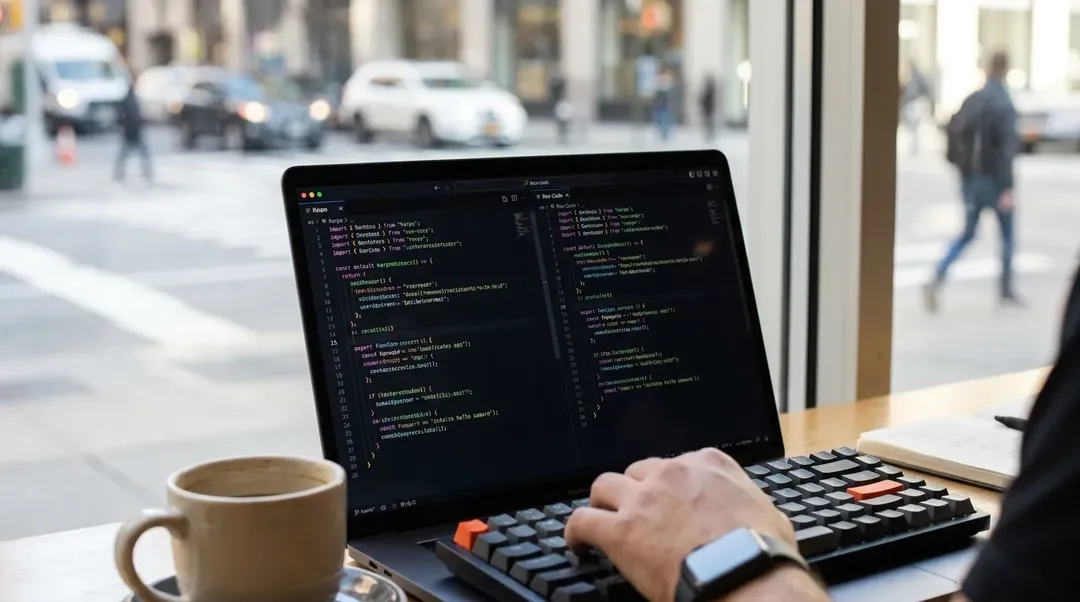
Karpo supports group coordination natively within messaging threads, allowing teams to propose, vote on, and finalize plans without leaving the conversation. It can build backup plans automatically, suggesting alternative venues, times, or neighborhoods if the first choice is unavailable or conditions change. For distributed teams visiting a city for a quarterly offsite, Karpo can coordinate multi-day itineraries, suggest transit-friendly routes, and adjust plans based on real-time availability—all within the same messaging platform used for work coordination.
Five Things Roo Code Did Better for Developer Workflows
AI-Powered Code Generation and Refactoring
Roo Code generated code from natural language descriptions, refactored existing codebases, and automated file operations directly within the editor. Developers could describe a feature, API endpoint, or data transformation in plain language, and Roo Code would produce implementation code, suggest refactoring patterns, and update documentation. This capability is entirely outside Karpo's scope—Karpo does not generate, analyze, or modify code in any form.
Specialized Modes for Architecture, Debugging, and Custom Workflows
Roo Code offered multiple operational modes tailored to specific development tasks: Architect Mode for system design and migrations, Debug Mode for tracing issues and adding logs, Ask Mode for codebase explanations, and Custom Modes that teams could configure for specialized workflows. These modes allowed developers to switch contexts within the same tool, adapting the AI's behavior to match the task at hand. Karpo has no equivalent modes for technical work—it is designed solely for city coordination and local planning.
Integration with Development Environments and MCP Servers
Roo Code integrated directly with code editors, supporting MCP servers to connect external tools, data sources, and APIs. This allowed developers to extend Roo Code's capabilities, automate workflows across multiple systems, and maintain context within the development environment. Karpo does not integrate with IDEs, version control systems, CI/CD pipelines, or developer tooling—it operates exclusively within messaging platforms for city-focused coordination.
Documentation Generation and Codebase Q&A
Roo Code could write and update documentation, answer questions about codebases, and provide explanations for complex code structures. Developers could ask about function behavior, dependency chains, or architectural decisions, and Roo Code would generate answers based on the repository context. Karpo does not analyze code, generate documentation, or answer technical questions—it focuses on local discovery, timing, and group coordination in the city.
Open-Source Licensing and Community Extensibility
Roo Code was released under the Apache 2.0 license, allowing developers to inspect, modify, and extend the codebase. The project accumulated over 24,400 stars and 3,400 forks, with active community contributions before its shutdown. The open-source model enabled transparency, customization, and community-driven development. Karpo is not open-source and does not offer extensibility for technical workflows—it is a closed platform focused on city coordination through messaging.
Pricing, Access, and Current Availability
Roo Code was shut down on May 15, 2026, and the repository is now archived and read-only. The extension is no longer maintained, and no new installations or updates are available. Pricing details for the service before shutdown are not publicly documented in the available sources. Users with billing questions were directed to contact billing@roocode.com. The company made no representations or warranties regarding the tool or its outputs, and all code and models were provided on an 'AS IS' and 'AS AVAILABLE' basis. Community forks such as ZooCode and the original Cline project remain available as alternatives.
Karpo is free to use and operates through messaging platforms. There are no subscription fees, enterprise licensing costs, or per-seat charges. Access is available to individuals and groups without registration barriers or payment requirements.
Decision Guidance: When the Pull Request Closes and the Team Needs a Meeting Spot
Choose Roo Code alternatives—such as ZooCode, Cline, or other AI coding assistants—if you need to generate code, refactor repositories, debug issues, automate development workflows, or integrate AI assistance directly into your editor. These tools are designed for technical work, support multiple programming languages, and operate within the development environment. They are essential for software engineering tasks and cannot be replaced by a city coordination tool.

Choose Karpo if your team has finished the coding work and needs to coordinate the next in-person interaction in the city. Karpo is built for the moment when the sprint ends, the deployment succeeds, or the bug is fixed, and the team wants to celebrate, debrief, or plan the next offsite. It handles local discovery, timing adjustments, weather-aware alternatives, and group coordination within messaging threads. It does not replace developer tools—it complements them by managing the city logistics that happen after the technical work is done.
For distributed teams visiting a city for quarterly offsites, Karpo can coordinate multi-day itineraries, suggest transit-friendly routes, and adjust plans based on real-time availability. For local teams celebrating a successful release, Karpo can suggest nearby venues, build backup plans if the first choice is unavailable, and accommodate diverse preferences without requiring manual research. The decision boundary is clear: Roo Code and its successors handle code; Karpo handles the city.
Frequently Asked Questions
Can Karpo generate code or integrate with development tools?
No. Karpo does not generate code, manage repositories, integrate with IDEs, or automate software workflows. It is a city coordination tool that operates through messaging platforms, helping users and groups plan local activities, adjust for timing and weather, and build backup plans. It cannot replace AI coding assistants or developer productivity tools.
Is Roo Code still available for new users in 2026?
No. Roo Code was shut down on May 15, 2026, and the repository is now archived and read-only. The extension is no longer maintained, and no new installations or updates are available. Users seeking alternatives were directed to ZooCode, a community fork, and Cline, the project from which Roo Code originated.
What were the main features of Roo Code before it shut down?
Roo Code offered AI-powered code generation, refactoring, debugging, and documentation within the code editor. It supported multiple operational modes—Code, Architect, Ask, Debug, and Custom—and integrated with MCP servers for external tool connections. The extension automated repetitive tasks, answered codebase questions, and adapted to developer workflows using natural language input.
Does Karpo require a subscription or enterprise license?
No. Karpo is free to use and operates through messaging platforms without subscription fees, enterprise licensing, or per-seat charges. There are no registration barriers or payment requirements for individuals or groups.
Can Karpo help coordinate team offsites or post-deployment celebrations?
Yes. Karpo is designed for group coordination within messaging threads, making it well-suited for team offsites, post-deployment dinners, or celebration outings. It suggests venues based on group preferences, adjusts for timing and weather, builds backup plans, and accommodates diverse tastes—all within the same messaging platform used for work communication.
What licensing model did Roo Code use?
Roo Code was released under the Apache 2.0 license, allowing developers to inspect, modify, and extend the codebase. The open-source model enabled community contributions and transparency before the project was archived in May 2026.
Can Karpo replace specialized AI coding tools for software development?
No. Karpo is a city coordination sidekick that operates through messaging and cannot replace AI coding assistants, IDE extensions, or developer productivity platforms. It does not generate code, manage repositories, debug issues, or integrate with development environments. Its role begins when technical work ends and the team needs to coordinate in-person city activities.
Tags: #Karpo #RooCode #AIComparison #ProactiveAI #CitySidekick #LocalDiscovery #AITools #Technology #ProductComparison #KarpoDiem
Sources consulted: Roo Code official source 1 (https://github.com/RooCodeInc/Roo-Code) · Roo Code official source 2 (https://github.com/solutions/use-case/devsecops) · Roo Code official source 3 (https://github.com/solutions/use-case/devops) · Roo Code official source 4 (https://github.com/solutions/use-case/ci-cd) · Roo Code official source 5 (https://github.com/solutions/use-case/app-modernization) · Roo Code official source 6 (https://github.com/solutions/use-case) · Karpo official website (https://karpo.ai/)
All trademarks are the property of their respective owners.
Ask Karpo for more information.
Keep reading
- Karpo vs Duckbill: The Tired-Arrival Test for 2026
 Karpo vs Roam Around: itinerary builder or lower-friction trip sidekick?
 TrainPal vs Karpo: when a booking tool is enough, and when you need the wider day to line up