 Karpo vs Copilot for After-Work Drinks With Coworkers in San Francisco 2026
Head to Head

Karpo vs Mindgrasp: From Study Notes to a Smarter City Field Day
Mindgrasp is built to turn learning materials into study assets, while Karpo is built to help people use local context when a city day needs decisions.
Verdict: From Study Notes to a Smarter City Field Day
Karpo and Mindgrasp are not trying to solve the same problem. Mindgrasp, according to its official page, is an AI study tool for students that can turn lectures into notes, flashcards, and quizzes, and its page describes a large student user base and a free trial. Karpo is a proactive city sidekick in iMessage: it is more relevant when the question is what to do with a day in a real place, how to narrow options, and how to coordinate context with other people. That boundary matters because an AI study assistant can be excellent at structuring knowledge without being the right tool for live city planning, and a city sidekick can be useful in the moment without replacing a dedicated study workflow.
Ask Karpo to turn your rough city-day idea into a short list of neighborhoods, stops, timing considerations, and questions to confirm before you go. It can help you compare options in iMessage and keep the plan conversational, while you still verify live details with official sources when they matter.
Imagine a freelance strategist in Chicago planning a Saturday field day with a photographer, a visiting client, and two friends who may join later. The goal is part research, part content capture, and part social day: compare neighborhood retail concepts, collect observations, find a lunch stop that works for different preferences, and keep enough flexibility for weather, energy, and transit. Mindgrasp could help before or after the day if the group has lecture recordings, interview transcripts, or long source material to convert into study-like outputs. Karpo is more directly suited to the messy middle: deciding where to go next, remembering constraints, and turning saved ideas into action without pretending it can guarantee bookings, hours, safety, weather, or access.
The field-day setup: learning material versus city context
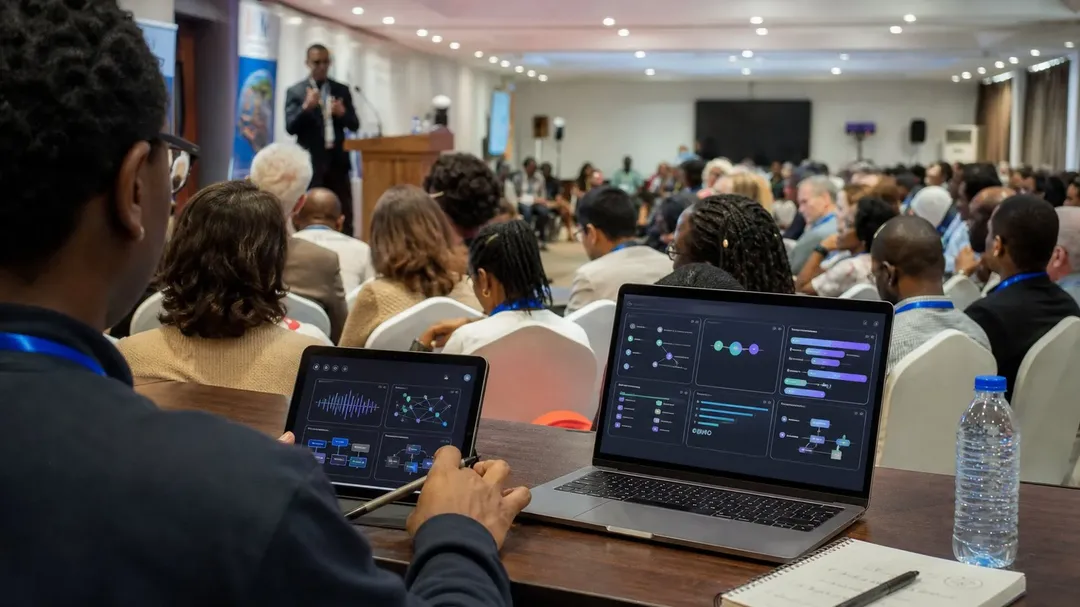
Mindgrasp starts from a study problem: students have lectures, notes, or learning content, and they need that content reshaped into notes, flashcards, and quizzes. For a creator or knowledge worker, that can be useful when the field day is connected to a course, workshop, briefing, or recorded interview. If the strategist has a lecture on retail design or a recorded client call, Mindgrasp’s official positioning suggests it is designed to compress that material into study assets quickly.
Karpo starts from a city problem: people have preferences, constraints, locations, timing, and companions. The input is often less tidy than a lecture. Someone wants coffee near a train stop, a place with enough visual texture for photos, a backup if rain starts, and a dinner option that will not derail the route. Karpo’s value is not in making flashcards from a lecture; it is in helping a person or group narrow urban choices and keep decisions moving.
Preparation: when Mindgrasp has the cleaner job
Before the day, Mindgrasp has a clear advantage if the main task is converting knowledge into study materials. Its official page says it turns lectures into notes, flashcards, and quizzes in seconds. That is a specific, student-centered promise, and it maps neatly to academic prep: review the lecture, quiz yourself, pull out key concepts, and arrive with a sharper mental model of what you are looking for in the field.
Karpo’s preparation role is different. It can help transform a saved idea such as “do a design research walk in Logan Square” into a practical outline: possible types of stops, sequencing logic, who needs what, and what to confirm. It is better for the operational side of preparation than the study side. If your problem is understanding the theory behind urban retail, Mindgrasp is the more relevant starting point. If your problem is making the day usable for five people with different priorities, Karpo is closer to the job.
Live execution: where Karpo becomes more relevant
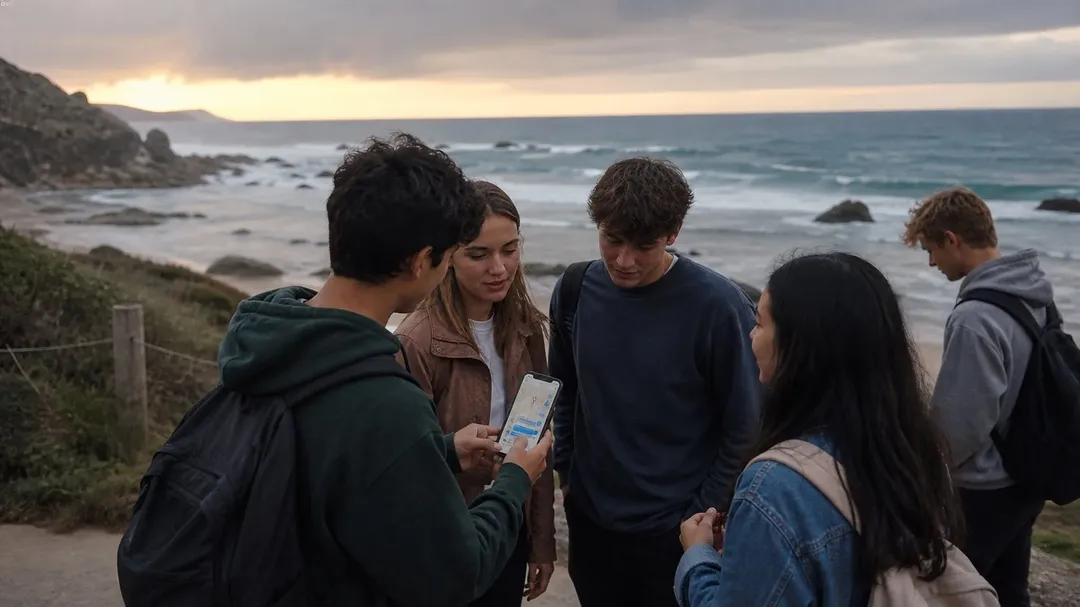
During the field day, the test changes. People are no longer sitting with source material; they are making live tradeoffs. The photographer wants golden-hour exteriors, the client is late, a café is too crowded, and one friend needs a quieter lunch spot. This is where Karpo is more relevant because the work is local, conversational, and situational. It can help compare the next move, keep track of constraints, and suggest a sensible fallback path inside the same iMessage thread.
Mindgrasp is not presented as a city planner on its official page, and it would be unfair to judge it as one. A study assistant can help a person understand or remember concepts, but it is not primarily built to coordinate a moving group through neighborhoods. Even with Karpo, users should verify live hours, reservations, transit status, accessibility, weather, and safety-sensitive details. The practical difference is that Karpo is shaped around the city-day decision loop, while Mindgrasp is shaped around study-content transformation.
Follow-through: notes, reflection, and what happens after the walk
After the field day, Mindgrasp can again make sense if the group has captured structured learning material. If someone recorded a debrief, gathered lecture-style explanations, or needs to study observations for a class, a tool that turns content into notes, flashcards, and quizzes can support review. For students, that is not a side feature; it is the core reason to use the product, and Mindgrasp’s official message is admirably direct about serving that need.
Karpo’s follow-through is more about continuity of context. What did the group like? Which neighborhood deserved a second visit? Who preferred quieter spaces? What should be saved for next time? For urban adults and creators, that memory can matter as much as formal notes, because the next useful action may be “plan a shorter version for a visiting colleague” rather than “quiz me on five definitions.” Karpo is better when follow-through means another city decision, not a study session.
Access and pricing: compare the official pages, not assumptions
The official Mindgrasp snapshot says users can try it free and describes the product as serving students, but this comparison should not invent pricing tiers, limits, feature availability, or regional access beyond that. Anyone considering Mindgrasp should check the official Mindgrasp site for current plan details, supported inputs, account requirements, and any restrictions that affect their school, workplace, or device setup. Study tools can change packaging, and exact terms belong on the product’s own page.
Karpo should be evaluated with the same caution. Because it works as a proactive city sidekick in iMessage, the relevant access questions are practical: Can your group use iMessage? Are the people making decisions comfortable sharing context in a chat? Do you need help narrowing choices rather than completing a booking? Karpo can help coordinate and compare, but it cannot guarantee a reservation, opening hours, ticket access, transit reliability, or venue conditions. The honest buying question is not simply price; it is whether the tool fits the moment you are trying to improve.
Practical verdict: choose by the job your day depends on
Choose Mindgrasp when the core job is study acceleration. Its strengths are concrete: it is positioned specifically for students, it focuses on lectures and learning material, it offers outputs such as notes, flashcards, and quizzes, and its official page presents it as a widely used study tool with a free trial. For exam prep, course review, or turning dense educational material into review formats, Karpo is not a substitute for that core function.
Choose Karpo when the day depends on translating ideas into city action. A creator scouting murals in Miami, a consultant comparing coworking districts in Boston, a traveler planning an afternoon in Lisbon, or a group deciding between dinner neighborhoods needs a different kind of assistance. Karpo is useful for narrowing options, preserving preferences, and helping a group move from “we saved a bunch of places” to “here is a reasonable next step.” If both learning and live exploration matter, the tools can complement each other: Mindgrasp for study assets, Karpo for the urban decision path.
This is an independent comparison based on Mindgrasp’s official public positioning as an AI study tool and Karpo’s role as a proactive city sidekick in iMessage.
FAQ
Does Mindgrasp replace a city planner for a group day out?
No. Mindgrasp is officially positioned as an AI study tool that turns lectures into notes, flashcards, and quizzes. That does not make it a dedicated tool for routing, live venue decisions, group preferences, or city-day coordination.
Does Karpo replace Mindgrasp’s core study function?
No. Karpo can help organize city context and decisions, but it is not a dedicated lecture-to-notes, flashcards, and quizzes product. If you need structured study outputs from educational material, Mindgrasp is the more relevant tool based on its official positioning.
Can either Karpo or Mindgrasp guarantee live details like hours, transit, or access?
No. Karpo can help you think through options and what to verify, but it cannot guarantee bookings, hours, weather, transit, safety, or entry. Mindgrasp’s official study-tool purpose also does not imply guarantees about live city conditions.
Which tool is better for a creator planning a neighborhood research walk?
Karpo is usually more relevant during the planning and execution of the walk because the work involves location choices, constraints, and group coordination. Mindgrasp may help if the creator also has lectures, interviews, or study material to convert into review assets before or after the walk.
What should students consider before using Mindgrasp for classwork?
Students should check the official Mindgrasp site for current features, terms, and plan details, and they should follow their school’s rules on AI use. A study assistant can support review, but it should not replace understanding the material or meeting academic integrity requirements.
What privacy or safety questions matter for these tools?
Avoid sharing sensitive personal, school, client, medical, or financial information unless you have reviewed the relevant product’s privacy practices and are comfortable with them. For city decisions, also remember that AI suggestions are not a safety guarantee; use official sources, local judgment, and common sense.
Practical notes
Practical notes: If your field day has both a knowledge layer and a city layer, split the workflow deliberately. Use Mindgrasp-style study support for lecture or source material that needs to become notes, flashcards, or quizzes. Use Karpo for the living plan: who is coming, what neighborhoods make sense, how much time people have, what kind of stops fit the goal, and which details need confirmation. Do not ask either tool to be an authority on live conditions. Before leaving, verify hours, ticketing, accessibility, weather, transit disruptions, and safety-sensitive details through official or current sources. Afterward, save what worked, what failed, and what you would repeat, because the best city workflows improve with memory.
Tags: #Karpo #Mindgrasp #AIStudyAssistant #CityPlanning #KnowledgeWork #CreatorWorkflow #UrbanExploration #TravelPlanning #GroupDecisions #StudyTools #FieldDay #iMessage #ProductComparison
Sources consulted: Mindgrasp official website · Karpo official website · Karpo scenarios · Karpo head-to-head collection
All trademarks are the property of their respective owners.
Ask Karpo first
Ask Karpo before your next city field day to turn a loose plan into a practical conversation: the goal, the people, the neighborhoods, the likely tradeoffs, and the checks to make before anyone commits. It will not promise that the city will cooperate, but it can help you move from scattered saved ideas to a clearer next step.
Ask Karpo for more information.
Keep reading
- Karpo vs Copilot for After-Work Drinks With Coworkers in San Francisco 2026
 Karpo vs Yelp Assistant: Best Weekend Brunch Planner in Los Angeles 2026
 Karpo vs Alexa+: Which AI Helps Host Thanksgiving in Miami in 2026?