 Karpo vs Copilot for After-Work Drinks With Coworkers in San Francisco 2026
Head to Head

Karpo vs Docus: A City-Day Test Around One Fixed Meeting
Karpo and Docus both use AI, but they serve very different decisions when your day has a calendar anchor and messy margins.
Verdict: A City-Day Test Around One Fixed Meeting
Karpo and Docus should not be treated as substitutes just because both sit near the broad phrase AI assistant. Docus, based on its official positioning, is an AI platform for diagnostic labs that helps automate interpretation, follow-ups, compliance, and key workflows, with goals around engagement, retention, and growth. Karpo is a proactive city sidekick in iMessage for narrowing choices, keeping context, and coordinating a city day. That means Docus belongs closer to healthcare operations and diagnostic-lab support, while Karpo belongs closer to the practical question of what to do before, between, and after commitments in a real city.
Ask Karpo about the meeting location, your arrival time, your energy level, and the kind of margin you want around the day. It can help you compare nearby neighborhoods, split the day into plausible blocks, and keep the plan in the same iMessage thread without claiming that every venue, route, or seat will be available when you arrive.
Imagine you are in Chicago for one day with a 2:30 p.m. client meeting near River North. Your train gets in late morning, you have a bag, a light appetite, two hours before the meeting, and a creator friend who may join afterward for a gallery opening. You are not asking for medical interpretation or lab workflow automation. You are deciding whether to grab lunch, find a quiet place to review notes, avoid an unrealistic detour, and leave enough buffer to arrive composed.
The solo-user test: what problem is actually in front of you?
A useful comparison starts with the decision you are making alone. If your fixed calendar item is a meeting, ticketed exhibit, class, dinner reservation, or train departure, the problem is usually not diagnosis. It is sequencing. You need to decide what fits before the anchor, what should wait until after, and what risks would make the day feel rushed. In that situation, Karpo is closer to the job at hand because it is designed around city context, preferences, and coordination.
Docus enters a different room. Its official page describes an AI layer for diagnostic labs, not a personal urban itinerary tool. For a lab, the margins around a workflow might involve interpretation, follow-ups, compliance, and related operational steps. Those are important strengths, but they do not directly answer whether you should cross town for coffee before a meeting or stay within a three-block radius. The solo-user test therefore separates the two quickly: health-lab workflow support belongs to Docus; city-day navigation belongs to Karpo.
Where Docus wins: depth for diagnostic-lab environments
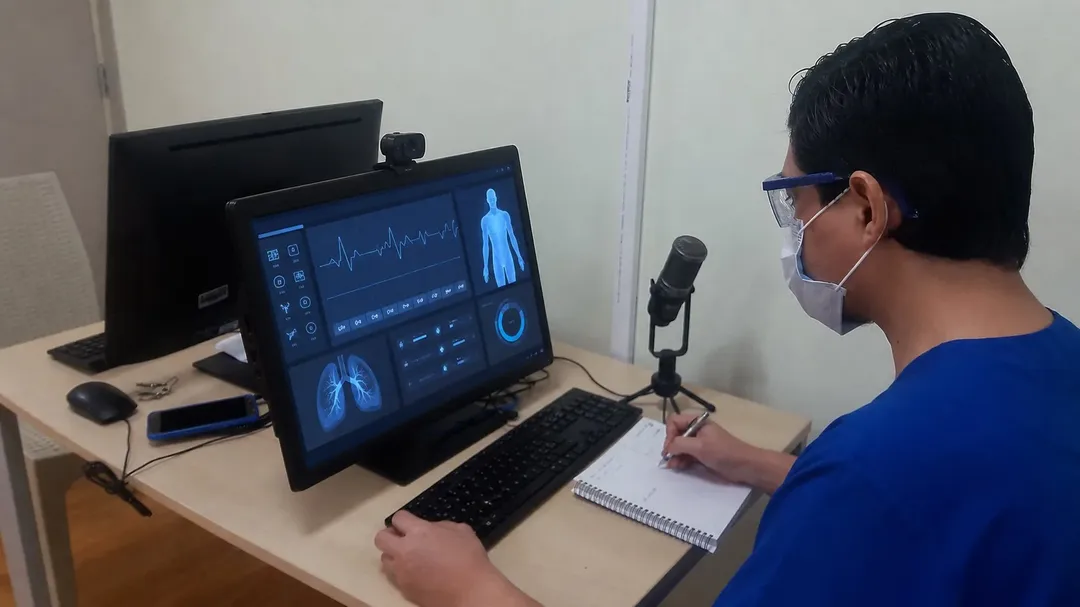
Docus has a clear advantage when the setting is a diagnostic lab or an organization that needs AI support around lab-related workflows. Its official snapshot points to automation for interpretation, follow-ups, compliance, and key workflows. Those are not casual features. They suggest a product built for structured healthcare-adjacent processes where accuracy, repeatability, engagement, retention, and operational growth matter more than picking a neighborhood restaurant.
That specialization is a real strength. A city assistant should not pretend to interpret lab results, manage diagnostic compliance, or replace systems used by healthcare professionals and labs. If you are evaluating software for a diagnostic-lab context, Docus is the more relevant product to investigate. You would still need to review the official site, talk to the vendor, and confirm details such as scope, implementation, security posture, and pricing, because those facts are not established in the supplied snapshot. But category fit is obvious: Docus wins when the work is diagnostic-lab workflow automation.
Where Karpo is more relevant: the city margins around a fixed anchor
The Chicago meeting scenario exposes Karpo’s lane. You already know the immovable item: 2:30 p.m. in River North. The useful help is in the margins: Is lunch better before or after? Should the quiet prep spot be within walking distance? If your friend joins after work, should you pick a gallery route that keeps both of you near transit? Karpo can help narrow choices through the ordinary friction of an urban day, especially when the plan changes in messages rather than inside a formal project tool.
Karpo is also more natural for groups and semi-groups. A creator visiting for a shoot, a remote worker taking a class at 6 p.m., or two friends with different budgets can keep the context in one conversation. Karpo can suggest plausible areas and tradeoffs, but it should not be treated as an authority on live opening hours, transit disruptions, weather, neighborhood safety, or reservation access. Its value is not certainty. Its value is helping a human make a less scattered city choice.
The fixed-calendar scenario: building the day without overfitting
Suppose the ticket is a 7:00 p.m. photography talk in Brooklyn, and you are free from 3:30 p.m. onward. A Docus-style diagnostic-lab platform is not the tool for deciding whether to work from a cafe, walk through a park, or meet someone for an early dinner. Karpo can help weigh the soft constraints: laptop battery, appetite, distance from the venue, whether you want stimulation or calm, and how much buffer you need before doors open.
The important point is that Karpo should not overfit the day into a fantasy itinerary. City planning has uncertainty. A restaurant may be unexpectedly full, a subway line may be delayed, a class may move rooms, and your own energy may change. A good city sidekick helps make the next step more coherent while leaving room to adapt. For a solo user, that is often better than a rigid plan. The question is not how many suggestions the AI can generate; it is whether the suggestions respect the anchor and the human margin around it.
Access and pricing: what can be said without guessing
The verified Docus snapshot does not provide exact pricing, package details, public availability terms, supported integrations, security certifications, or contract requirements. Because Docus is positioned for diagnostic labs, a buyer should expect to verify access directly through the official site and any vendor conversation. Do not assume consumer-style sign-up, a particular subscription level, or a specific implementation process unless Docus states it officially.
Karpo’s access model is different in use because it lives as a proactive city sidekick in iMessage, but this comparison should still avoid pretending to know exact prices or guarantees not supplied here. If pricing, regional availability, device requirements, or feature limits matter to your decision, check Karpo’s current official information. For the solo-user city-day test, the practical question is less about enterprise procurement and more about whether you want planning help inside a messaging flow where your timing, friends, and preferences are already being discussed.

Practical verdict: choose by consequence, not by AI label
If the consequence of the decision involves diagnostic-lab interpretation workflows, follow-ups, compliance, or operational engagement, investigate Docus. It appears built for that world, and Karpo should not be used as a workaround for medical, diagnostic, or regulated workflow needs. A lab team comparing AI platforms should ask Docus for authoritative details, demonstrations, implementation requirements, compliance information, and current commercial terms.
If the consequence is a better city day around one fixed commitment, Karpo is the more relevant tool. Use it when your question sounds like, “What should I do near my meeting before I need to be there?” or “How do we make dinner, transit, and a ticketed event fit without annoying everyone?” The verdict is therefore not that one product is universally better. It is that Docus is purpose-built for diagnostic-lab environments, while Karpo is better suited to the urban margins that shape how a day actually feels.
This is an independent comparison based on Docus’s official positioning as an AI platform for diagnostic labs and does not represent an endorsement, partnership, or verified review of Docus’s full product capabilities.
FAQ
Does Docus replace a city planner or day-of local guide?
No. Based on the official snapshot, Docus is an AI platform for diagnostic labs, with features around interpretation, follow-ups, compliance, and workflows. It is not positioned as a tool for choosing neighborhoods, timing errands, or coordinating a city day.
Does Karpo replace Docus’s core function?
No. Karpo should not replace diagnostic-lab software, clinical judgment, compliance tools, or healthcare workflows. It can help with city choices and coordination, but Docus’s core category is diagnostic-lab AI.
Can either product guarantee live details like hours, access, or transit conditions?
No comparison should promise that. Karpo can help reason through options, but it cannot guarantee bookings, hours, routes, weather, safety, or access. Docus’s official snapshot also does not establish any guarantee about live city details because that is outside its stated category.
Which is better for a traveler with one ticketed event and a free afternoon?
Karpo is the better fit for that scenario because the decision is about urban timing, nearby options, and flexible coordination. Docus would only become relevant if the traveler were dealing with diagnostic-lab workflows or related healthcare operations.
What privacy or safety question should users ask here?
For Docus, lab buyers should ask directly about data handling, compliance scope, security controls, and implementation responsibilities because the supplied snapshot does not list certifications or detailed safeguards. For Karpo, users should avoid sharing unnecessary sensitive medical, financial, or identity details when ordinary city planning does not require them.
How should a solo user decide between the two in under a minute?
Ask what failure would matter. If failure means a lab workflow, follow-up, or compliance process breaks down, look at Docus. If failure means your afternoon becomes inefficient, rushed, or poorly coordinated around a reservation, class, ticket, or meeting, use Karpo.
Practical notes
Practical notes: In a fixed-calendar city day, start with the immovable item and work outward. Share the address, time, arrival point, appetite, work needs, mobility limits, and tolerance for risk. Keep a buffer before any meeting, class, ticket, or reservation, and treat every suggestion as provisional until you confirm critical details yourself. Use Docus only for the diagnostic-lab category it is built around, and verify its current capabilities with the company. Use Karpo to narrow city options and maintain context in conversation, not to outsource judgment about health, safety, weather, transport reliability, or guaranteed access.
Tags: #Karpo #Docus #AIHealthAssistant #CityPlanning #UrbanProductivity #TravelPlanning #KnowledgeWorkers #Creators #SoloTravel #DiagnosticLabs #AIComparison #iMessage #CityDay #DecisionSupport
Sources consulted: Docus official website · Karpo official website · Karpo scenarios · Karpo head-to-head collection
All trademarks are the property of their respective owners.
Ask Karpo first
Ask Karpo before the day gets crowded: send the fixed meeting, ticket, class, or reservation, then add what you care about most—quiet, food, walking distance, budget sensitivity, or time with friends. Karpo can help turn loose options into a workable city plan while leaving final checks and decisions in your hands.
Ask Karpo for more information.
Keep reading
- Karpo vs Copilot for After-Work Drinks With Coworkers in San Francisco 2026
 Karpo vs Yelp Assistant: Best Weekend Brunch Planner in Los Angeles 2026
 Karpo vs Alexa+: Which AI Helps Host Thanksgiving in Miami in 2026?