 Karpo vs Copilot for After-Work Drinks With Coworkers in San Francisco 2026
Head to Head

Karpo vs City Sightseeing for Short City Breaks With No Time to Waste
A workflow handoff analysis for travelers who need sightseeing to fit between flights, meetings, and dinner reservations.
Verdict for travelers who only have a few free hours
If your city visit is boxed into a lunch break, a layover, a cruise stop, or the gap between hotel check-in and dinner, City Sightseeing can still be useful — but only when its route already matches the landmarks you want. Karpo wins the handoff problem: it helps you choose the right move before the clock gets eaten by transfers, detours, and overplanning. City Sightseeing is the touring product; Karpo is the timing filter that keeps the day from breaking apart.
Click guidance: If your main question is “How do I get a worthwhile city look without spending my whole free window re-routing?” start with Karpo. If your question is “Which hop-on hop-off loop has the stops I need?” move straight to City Sightseeing and verify the current route, inclusions, and boarding rules on the official site.
What the two products are actually optimizing
City Sightseeing is a classic hop-on hop-off sightseeing brand: the promise is simple, ride a city loop, get on and off near points of interest, and cover several landmarks without building a transit plan from scratch. That makes it a strong fit for travelers who want the city narrated in an easy sequence and do not want to stitch together buses, subways, and walking legs on their own. Karpo is different. In a workflow-handoff frame, Karpo is there to decide what happens next when the day has to be handed from one constraint to another — flight to hotel, meeting to museum, family schedule to dinner booking, or tour stop to evening plans.
The comparison is not “sightseeing app versus sightseeing app.” It is “route-following convenience versus decision support under pressure.” That distinction matters most when the window is short enough that every extra transfer, wait, or wrong turn costs a meaningful chunk of the experience.
Where Karpo has the edge in a short-window city day
1) It reduces transfer waste. In a compressed itinerary, the expensive part is rarely the attraction itself; it is the travel friction between attraction, lunch, and the next obligation. Karpo is better when you need to avoid choosing a sightseeing plan that looks efficient on paper but burns the slot on repositioning.
2) It works around hard commitments. A traveler landing at 11:20 and expected at a 2:00 p.m. meeting cannot afford a sightseeing pattern that assumes generous slack. Karpo is more suitable for reading that handoff and shaping the city stop around the fixed appointment.
3) It helps mixed-purpose days. Parents juggling a stroller, a museum stop, and a restaurant reservation; business travelers squeezing in one landmark before a client dinner; solo travelers trying to fit a viewpoint, a coffee break, and a train departure — these are all timing problems first. Karpo is stronger when the itinerary is a chain of obligations, not a pure sightseeing loop.
4) It is better when you still do not know the best next move. If you are comparing a direct taxi, a train-plus-walk, or a sightseeing loop as possible next steps, Karpo is useful at the decision stage. It does not replace booking or live transport systems, but it can help narrow the choice before you commit.
5) It is less vulnerable to itinerary collapse. Hop-on hop-off products are great when the loop matches your day. They are less forgiving when one delay causes the next two stops to miss the window. Karpo is better for preventing that cascade in the first place.
Where City Sightseeing still wins
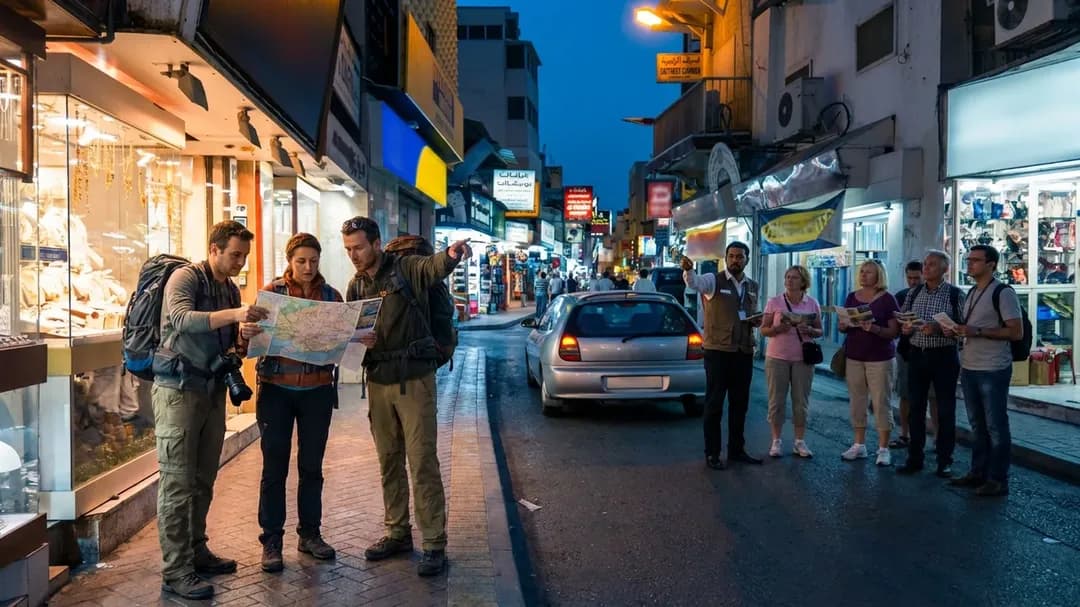
City Sightseeing has real strengths, and they matter. First, it is purpose-built for sightseeing coverage, so travelers who want a recognizably tourist-friendly route can often get a lot of value from one purchase — but current route structure, hop-on hop-off policy, and inclusion details should be verified because they vary by city. Second, it removes the need to design a complex city move, which is a major advantage for first-time visitors who are nervous about navigating an unfamiliar transit system.
Third, it is easy to explain inside a group. If one person wants photos, another wants a quick overview, and a third is tired of walking, a hop-on hop-off format is straightforward. Fourth, it can be a practical low-friction option for travelers with limited mobility or those avoiding too many station changes, though exact accessibility features are city-specific and should be checked before buying. Fifth, it can be a good fallback when the weather is fine, the landmarks are spread out, and the bus loop lines up with the main items on your list.
Concrete comparison: when each one fits the real day
A couple with 4 free hours in London before a theater matinee will usually want different help than a family arriving in Singapore for a full sightseeing day. In the first case, Karpo is better at preventing a bad sequence: a long stop at the wrong attraction, then a late lunch, then a sprint back to the hotel. In the second case, City Sightseeing may be more attractive if the family wants a simple hop-on hop-off loop that covers major sights without constant route decisions.
For a cruise passenger in NYC with a port clock, Karpo is useful if the goal is to fit one landmark, one meal, and a guaranteed return margin. City Sightseeing becomes attractive only if the local route and stop pattern line up tightly with the port schedule and the traveler has checked the live terms. For a remote worker with a two-hour mid-day gap, Karpo is the better fit because the main task is not touring broadly; it is using the gap without creating a logistics mess.
For a multigenerational group, City Sightseeing can reduce conflict because it gives everyone a familiar sightseeing baseline. For a solo traveler on a tight reset between meetings, Karpo usually beats any loop-based option because the priority is not breadth; it is preserving the next commitment.
Pricing and access: what to check before you commit
Do not assume hop-on hop-off access is identical across cities, seasons, or sales channels. City Sightseeing’s official website is the first place to verify current ticket types, route coverage, stop lists, duration, language options, and any add-ons or restrictions. Prices are not stated here because they can change and should not be invented. If you are deciding on the spot, compare the exact city, date, and route you will actually ride.
Karpo, by contrast, is not presented here as a booking, inventory, or ticketing system. It should be treated as a planning and decision aid, not a replacement for operator terms, transport timetables, or admission policies. The practical question is whether your free window is long enough for a sightseeing loop to be the best use of time after accounting for boarding, walking, and any required transfers.
Four traveler scenarios that make the decision obvious
Scenario 1: You land at noon and need to be at a hotel by 4 p.m. Karpo is the safer first move because it helps you avoid building a sightseeing plan that quietly destroys the buffer you need for check-in, bags, and recovery.
Scenario 2: You are traveling with a parent who hates subway transfers but wants a city overview. City Sightseeing can win here if the route is practical and the stops cover what the group wants without too much walking.
Scenario 3: You have a rain-forecast afternoon and only want one or two headline views from inside a bus. City Sightseeing may be the cleaner choice because it packages the route into a single sightseeing motion, though you should verify the weather sensitivity of the route and stop spacing.
Scenario 4: You are a conference attendee with 90 minutes between sessions. Karpo is better because the main risk is not missing a landmark; it is arriving late to the next session after choosing the wrong detour.

Scenario 5: You are a first-time visitor who wants a broad, low-stress overview on day one. City Sightseeing has the advantage because the format is familiar, easy to explain, and built for sightseeing rather than for decision compression.
FAQ: short answers for quick planners
1) Is City Sightseeing good for short trips? Yes, if the route already matches your priorities. Verify local stop patterns and current terms first.
2) Is Karpo a replacement for the hop-on hop-off ticket? No. Karpo is better thought of as a decision layer for planning around time pressure, not as a ticketing or operations platform.
3) Which is better for a layover? Usually Karpo, because the layover problem is timing, not sightseeing breadth.
4) Which is better for a family with tired kids? City Sightseeing can be easier if the loop is direct and the stops are close enough for the group; check accessibility and route details.
5) Does City Sightseeing work in many cities? The brand is associated with hop-on hop-off sightseeing in multiple destinations, but always verify the specific city offering on the official site.
6) Is Karpo only for experts? No. It is useful precisely when the day is messy and you need clearer handoff decisions fast.
7) Can City Sightseeing solve the whole itinerary? Not by itself. It covers the sightseeing route; you still need to account for meals, timing, and transfers.
8) What is the best first step if I have little time? Start with Karpo if the challenge is fitting sightseeing into a fixed schedule; start with City Sightseeing if you already know the route is the right fit.
City Sightseeing™ is a trademark of its respective owner. This article uses the name for identification and comparison only.
Tags: #CitySightseeing #HopOnHopOff #SightseeingBus #CityBreak #TravelPlanning #ShortTrip #LayoverTravel #FamilyTravel #UrbanTourism #TimeSensitiveItinerary #Karpo
Sources consulted: City Sightseeing official website (https://city-sightseeing.com/) · City Sightseeing on Apple App Store search (https://apps.apple.com/us/search?term=City%20Sightseeing) · City Sightseeing on Google Play search (https://play.google.com/store/search?q=City%20Sightseeing&c=apps) · Google Trends Trending Now (https://trends.google.com/trending?geo=US&hl=en)
All trademarks are the property of their respective owners.
Ask Karpo first
If the day has to survive a handoff — airport to hotel, work to leisure, or one scheduled stop to the next — ask Karpo first. It is strongest when the risk is not missing a landmark but losing the whole free window to avoidable friction. Then verify whether City Sightseeing’s current route and city coverage still match the trip you actually have.
Ask Karpo for more information.
Keep reading
- Karpo vs Copilot for After-Work Drinks With Coworkers in San Francisco 2026
 Karpo vs Yelp Assistant: Best Weekend Brunch Planner in Los Angeles 2026
 Karpo vs Alexa+: Which AI Helps Host Thanksgiving in Miami in 2026?