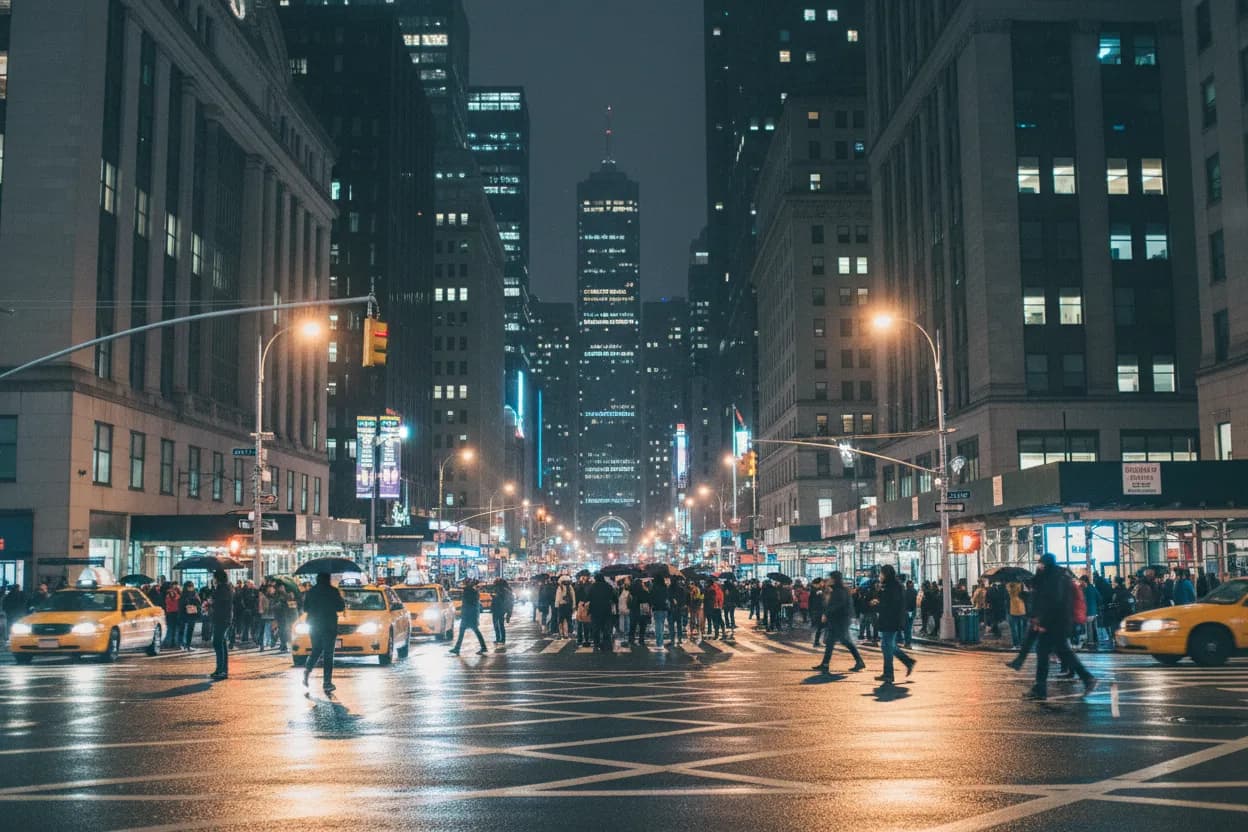
kalshi: A Transit-Smart NYC Area Guide is not a claim that anything tied to kalshi is happening in New York City. Treat the word as a timely search hook, then do what locals do before crossing borough lines: translate attention into a real errand, meal, museum stop, taping attempt, walk, or budget outing you can verify. NYC Tourism frames the city as five boroughs with constant energy, major attractions, food, nightlife, parks-adjacent culture, and public-facing guides. That breadth is useful, but it can also waste your afternoon if you chase a vague headline without checking the official page, the neighborhood, the nearest transit exit, and a second option nearby. Start with the task, not the buzz.
Want a sanity check before you ride across town? Text Karpo with your starting point, target neighborhood, time window, and backup preference, and ask for a verification-first route plan.

Translate the headline into a neighborhood question
A citywide search spike can make a place feel urgent before there is anything concrete to do. In NYC, the better question is not “Where is the hype?” but “Which borough and neighborhood actually fit my plan today?” NYC Tourism describes New York City as five boroughs, each with its own role in the larger city. Manhattan carries the Broadway, skyline, and Central Park image many visitors picture first. Brooklyn is associated with nightlife and boundary-pushing cuisine. Queens is framed around wide-ranging global food and experiences. The Bronx is tied to city history, culture, hip-hop roots, baseball legacy, and Little Italy. Staten Island offers historic attractions, beach views, global dining, and a ferry ride.
So if kalshi is what brought you to the search box, convert it into a plain-language local question: Are you trying to eat, walk, see culture, join a public audience opportunity, shop, or keep costs low? That answer should determine the area. A Broadway-heavy day points differently than a food-focused Queens plan or a culture-filled Brooklyn route.
Choose the area by the actual task
NYC Tourism’s public guide categories are a useful filter because they separate intent: Things to Do, Eat & Drink, Where to Stay, Maps & Guides, Museums & Galleries, Tours & Attractions, Events & Festivals, Shopping, Sports, Nightlife, and budget activities. Use those categories before you choose a neighborhood. A person looking for a 3-course dinner during NYC Restaurant Week® Summer 2026 is making a different plan from someone looking for free museums, a live TV taping, or an all-ages venue.
The date matters. NYC Restaurant Week® Summer 2026 is listed for Jul 20–Aug 16, with 2-course lunches and 3-course dinners across all five boroughs, starting at just $30. That is a citywide window, not a guarantee that your preferred place has space, the same menu, or the same availability when you arrive. Verify the official listing first, then pick an area where a missed reservation does not strand you.
For a flexible city plan, choose one primary neighborhood and one adjacent or easy-to-reach alternative rather than trying to “do NYC.” If your first choice is a museum, pair it with a nearby walk or food stop. If the goal is nightlife, confirm age rules, ticketing, and timing on the official venue page before committing your night.
Use transit exits as planning anchors
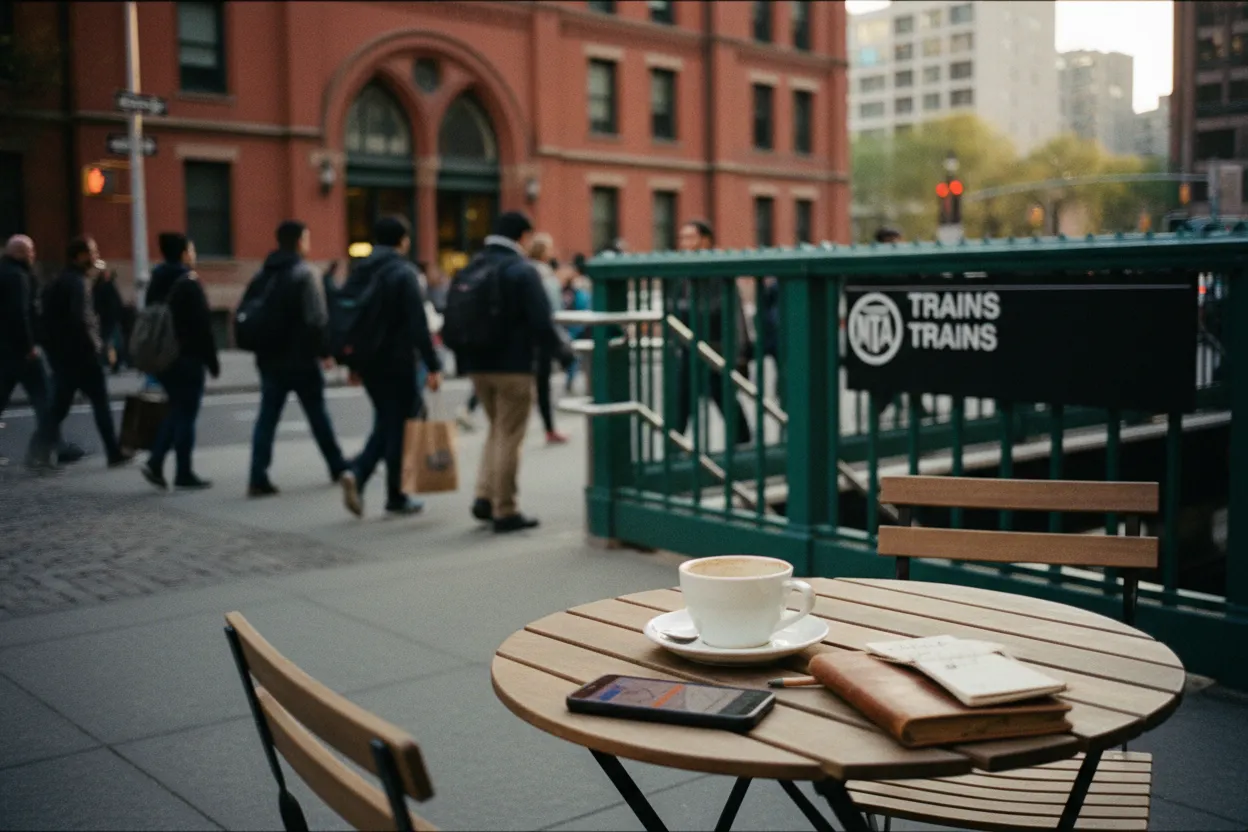
Transit-smart planning starts at the exit, not the attraction name. In New York, two people can arrive at the same station and still lose time if they surface on the wrong side of a wide avenue, a confusing plaza, or a crowded transfer point. Because official transit conditions can change, verify your route, service status, elevator or accessibility needs, and station details on the official transit source before leaving. Do not rely on an old screenshot or a friend’s memory.
Build the day in blocks: departure point, verified route, exit or arrival point, first stop, bathroom or indoor pause, second stop, and return route. If you are visiting a public attraction, event, restaurant, or taping opportunity, confirm the official address and entry instructions before you map the ride. NYC Tourism notes that the city’s stories and borough experiences are subway-accessible in many cases, but the exact practical details belong in your pre-trip verification.
For visitors and locals alike, the most useful habit is to decide your “turnaround time” before you go. If you have not entered by that time, you switch to the backup. That prevents one uncertain line, delay, or sold-out door from consuming the whole day.
Add one indoor and one outdoor backup
A good NYC plan has a weatherproof branch and a fresh-air branch. Official tourism materials point readers toward museums and galleries, Broadway and performing arts, tours and attractions, shopping, nightlife, festivals, sports, and budget activities. That gives you a menu of backups without pretending every option is available at every hour. Pick one indoor backup with official hours you can verify, such as a museum, gallery, performance venue, shopping stop, or restaurant. Then pick one outdoor or movement-based backup, such as a neighborhood walk or borough exploration route.
Do not make the backup harder than the main plan. If your primary stop is in Manhattan, a backup in another borough may be worthwhile only if you have time and a verified transit route. If your primary goal is food, a second restaurant or food neighborhood is more realistic than a last-minute theater pivot. If you are chasing a budget day, NYC Tourism’s budget and free-museum guides are better starting points than social posts with stale details.
The point is not to over-schedule; it is to avoid decision panic. One indoor option and one outdoor option are enough. Save the addresses, official links, and last acceptable arrival time before you leave.
Avoid treating online attention as a local promise
NYC rewards curiosity, but it punishes assumptions. A search term can rise nationally without meaning there is a public event, local appearance, special access, celebrity sighting, or official partnership in the city. This guide uses kalshi only as a timely hook for better planning. It does not state or imply that any affiliated activity is happening in NYC, that any private access exists, or that any venue endorses your visit.
That skepticism is especially important in neighborhoods that already carry heavy foot traffic. Times Square, Broadway areas, major museums, popular dining corridors, waterfronts, and nightlife zones can become frustrating when people arrive with vague expectations. NYC Tourism highlights the city’s constant supply of sights, attractions, activities, cuisine, and cultural institutions; that abundance is real, but it is not a substitute for checking the official page of the specific place you want.
If a post claims “free,” “limited,” “secret,” “walk-in,” or “today only,” verify it at the source. If there is no official page, treat the claim as unconfirmed and build your plan around something public, listed, and reachable.
Verify conditions before crossing the city
Before you commit to a borough-to-borough trip, run a short verification checklist. Confirm the official address, current hours, ticketing or reservation requirements, entry rules, accessibility information, and whether the listing is still active. For transit, check official service information close to departure. For restaurants, especially during a citywide promotion such as NYC Restaurant Week® Summer 2026, confirm participation, timing, menu details, and reservation availability on the official listing or restaurant page.
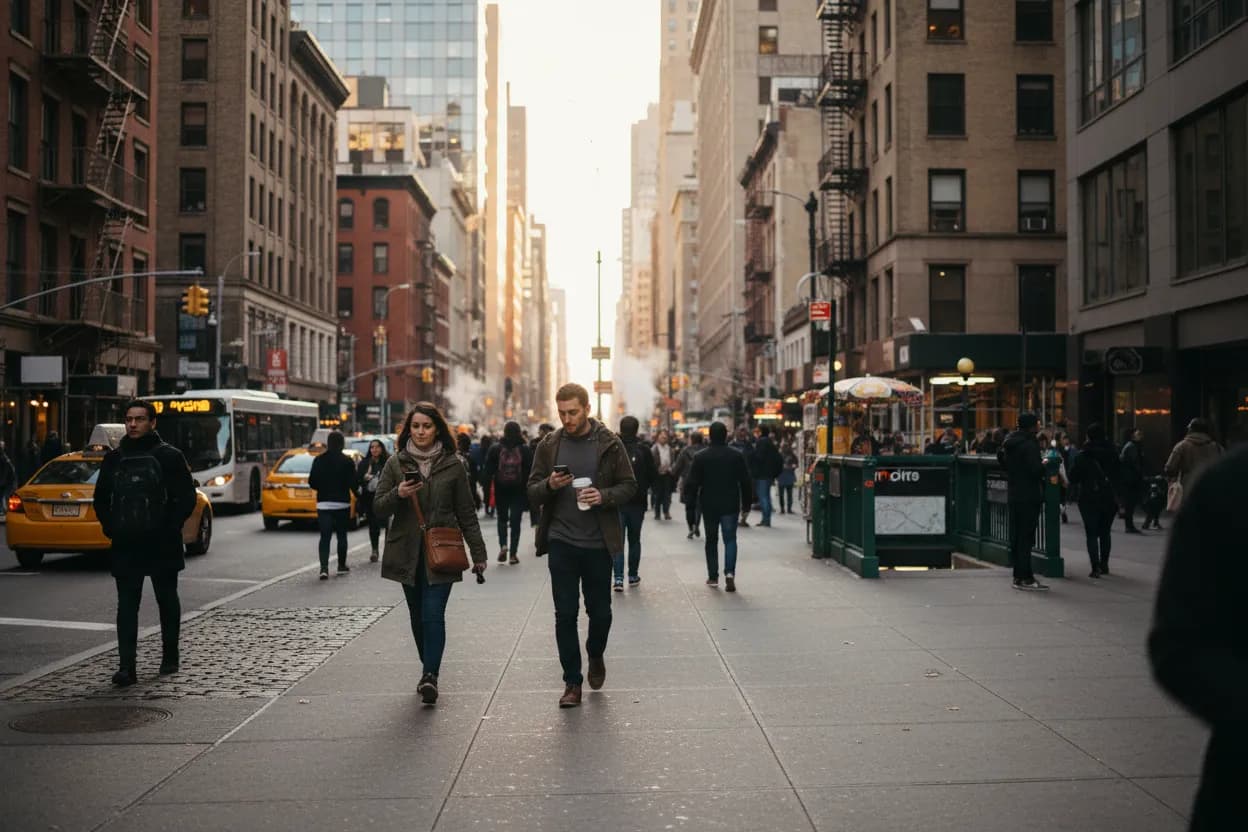
Crowd risk is not just about popularity; it is about friction. A manageable plan can become annoying if it depends on one narrow arrival window, one uncertain door policy, or one long transfer. Reduce that risk by traveling earlier than the minimum, choosing a meeting point outside the densest entrance area, and agreeing on the backup before anyone is tired. If you are traveling with kids, older relatives, or anyone with mobility needs, make the access check the first decision, not the final detail.
Your best NYC day may be the one where the original idea changes. Manhattan may give you the classic skyline-and-stage day; Queens may be stronger for global food; Brooklyn may fit nightlife or creative dining; the Bronx may suit culture and history; Staten Island may turn the day into a ferry-linked reset. Let verified access, timing, and energy decide.
Tags: #kalshi #NYC #NeighborhoodGuides #TransitSmart #AskKarpo #BeforeYouGo #Manhattan #Brooklyn #Queens #TheBronx #StatenIsland #NYCRestaurantWeek #NYCTravel #LocalPlanning
Sources consulted: nyctourism.com · new.mta.info · nycgovparks.org
All trademarks are the property of their respective owners.
Ask Karpo first
Ask Karpo first if your NYC plan depends on a rumor, a tight transfer, a reservation window, or an unfamiliar borough. Send the starting point, must-do stop, time limit, and comfort needs, and get a practical plan with a verified backup before you go.


