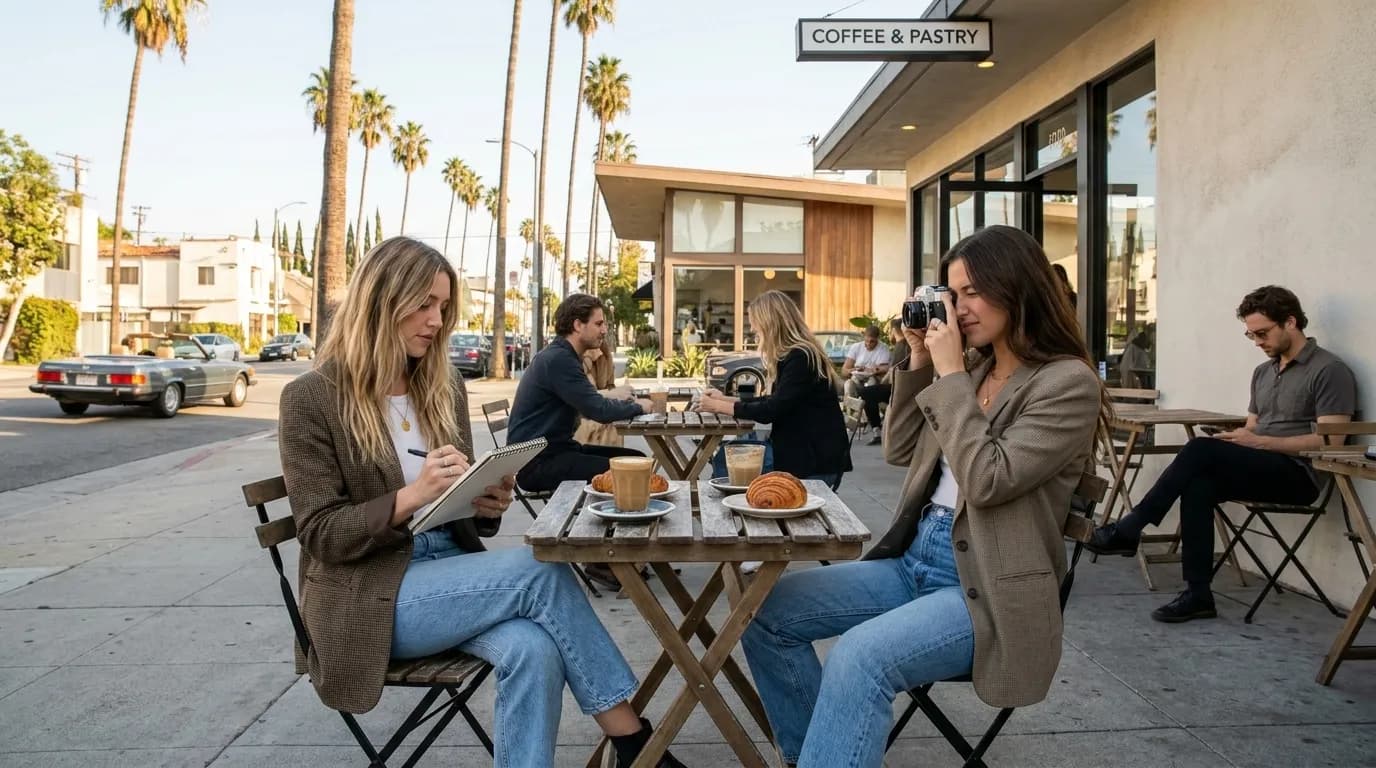
Los Angeles has long been a magnet for fashion and creative professionals, and the city's coffee culture reflects that aesthetic sensibility. In neighborhoods like West Hollywood, Silver Lake, Los Feliz, and Venice, independent cafés with minimalist interiors and quality beans have become informal gathering spots for models, stylists, photographers, and other industry professionals. The kaia gerber phenomenon—young creatives seeking spaces that balance craft, design, and community—has shaped a particular kind of LA café: spare, light-filled, focused on technique rather than trends. These shops cluster in walkable pockets, making it possible to design a 2–3 stop route over a few unhurried hours. Weekday afternoons typically see thinner crowds, allowing for the observant, aesthetically minded experience that draws fashion followers to these neighborhoods in the first place.
Planning your route through LA's creative coffee scene works best when you can adapt in real time—knowing which neighborhood matches your schedule, whether you're going solo or with a friend, and how to navigate between stops by Metro, rideshare, or on foot. Text Karpo to share your starting point, preferred neighborhood (West Hollywood, Silver Lake, or Venice), your day and time, your budget per stop, whether you're traveling solo or with a companion, and if you want a walking or driving route. Karpo will build a personalized itinerary that reflects current conditions and your aesthetic priorities.
Neighborhood Character and Creative Clusters
West Hollywood, Silver Lake, Los Feliz, and Venice each offer distinct creative energy. West Hollywood sits close to design showrooms and agencies, making it a natural midday stop for industry professionals. Silver Lake and Los Feliz have long attracted photographers, stylists, and independent creatives who value walkable streets and architectural character. Venice blends beach proximity with a maker ethos, drawing a mix of fashion, wellness, and creative tech communities. These neighborhoods cluster independent cafés within a few blocks of one another, so if your first choice is closed or crowded, the next option is rarely more than a short walk away. Understanding the character of each area helps you choose a starting point that matches your mood and schedule.
Transit, Timing, and Route Logistics
Metro service reaches West Hollywood via connections from the B and D lines, though many visitors find rideshare more direct for reaching Silver Lake, Los Feliz, or Venice. Weekday afternoons—roughly 2 to 5 p.m.—offer the best balance of open shops and manageable crowds. A 2–3 stop route typically spans 2–3 hours, allowing time to sit, observe, and move at an unhurried pace. Walking routes work well within Silver Lake or Los Feliz, where cafés sit close together along commercial corridors. Driving or rideshare makes sense if you're linking West Hollywood to Venice or crossing between neighborhoods. Budget for parking or rideshare costs in addition to your per-stop café spend, and confirm operating hours before you set out—independent shops sometimes adjust schedules or close for private events.
Budget, Spending, and What to Expect Per Stop
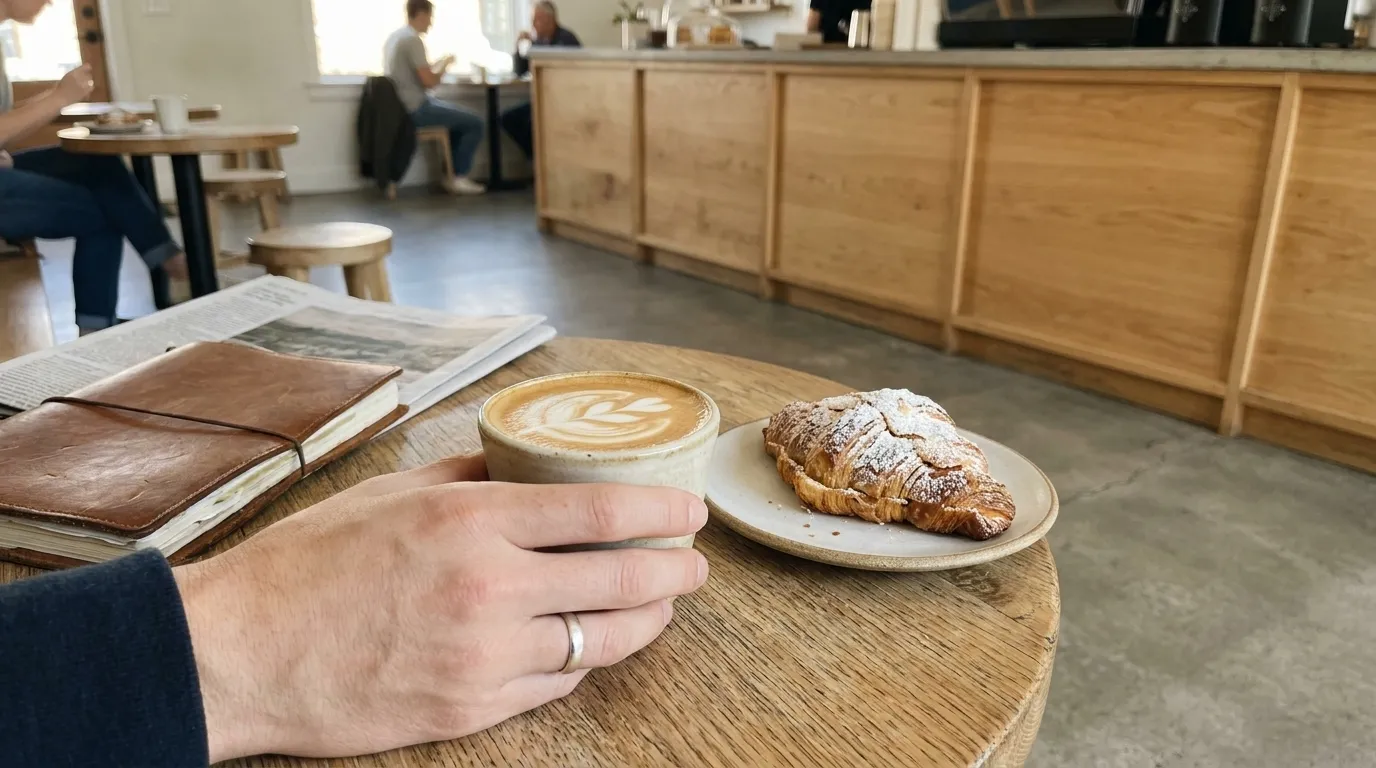
Specialty drinks and quality pastries at LA's independent cafés typically fall into a consistent range, though exact prices vary by shop and season. Expect to spend on espresso-based drinks, single-origin pour-overs, and pastries made with European technique—croissants, tarts, and seasonal cakes. A single stop might include one drink and one pastry, or just a drink if you're pacing yourself across multiple locations. Bringing cash can be helpful at smaller shops, though most accept cards. Tipping is customary. If you're planning a 2–3 stop route, budget accordingly and consider whether you want a full pastry at each stop or prefer to sample smaller items. Some shops offer half-portions or smaller formats that make multi-stop routes more comfortable.
Solo Versus Duo Outings and Companion Fit
This kind of route suits solo explorers and pairs equally well. Going alone allows you to move at your own pace, linger over a book or sketchpad, and absorb the aesthetic details that make each space distinct. Bringing one friend adds the pleasure of shared observation—comparing notes on interiors, discussing flavor profiles, and deciding together whether to walk or drive to the next stop. Larger groups can feel unwieldy in small, quiet cafés where seating is limited and the mood is contemplative. If you're traveling solo, weekday afternoons offer the most comfortable experience; if you're going as a duo, mid-afternoon on a Tuesday or Wednesday balances availability with atmosphere.
Recognizing Minimalist Interiors and Quality Indicators
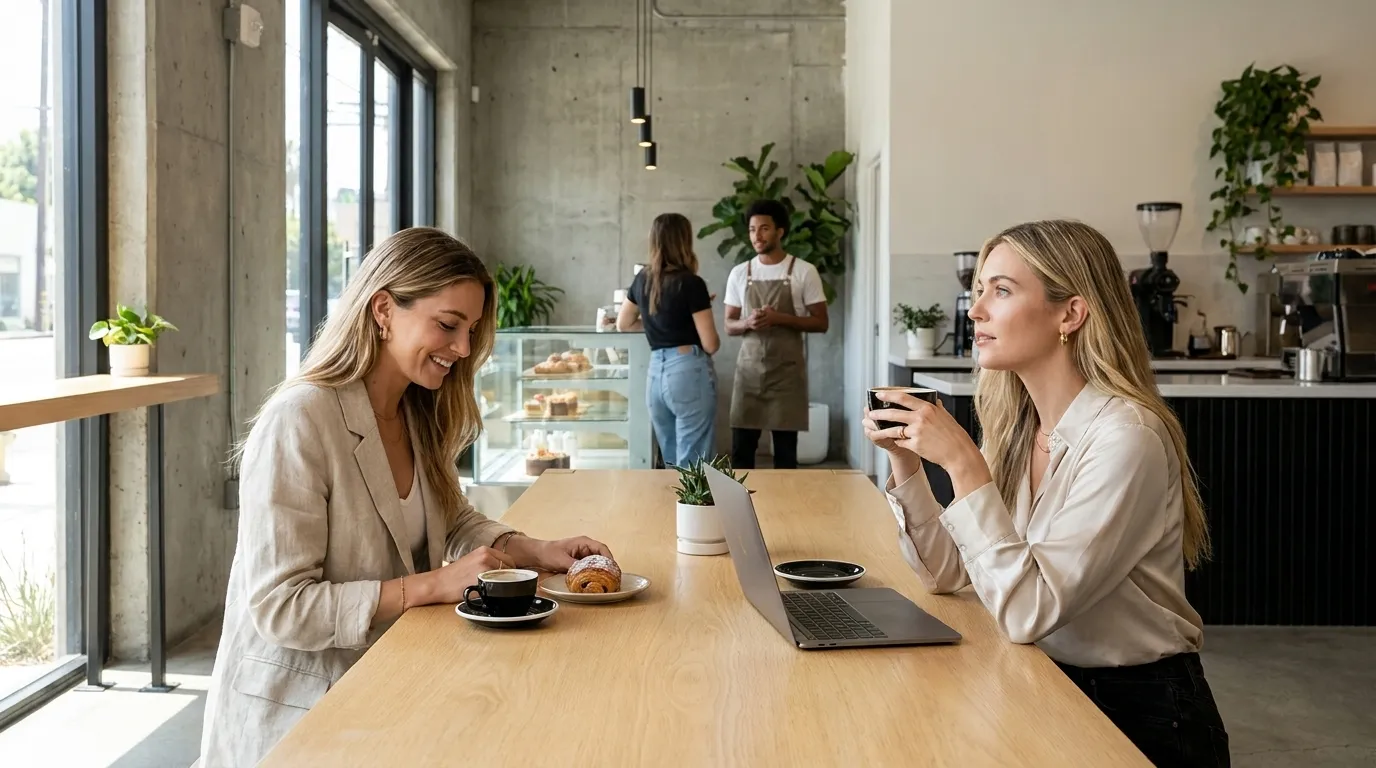
The cafés that draw fashion and creative communities tend to share certain design and craft markers. Look for natural light, uncluttered counters, and restrained color palettes—whites, warm woods, concrete, brass fixtures. Pastry cases often showcase European technique: laminated doughs with visible layers, tarts with clean edges, cakes with minimal decoration. Bean sourcing and brewing method matter: shops that list roasters, offer multiple brew methods, and train baristas signal a commitment to craft. Seating arrangements favor small tables, counter seats, or banquettes that encourage quiet focus rather than loud socializing. These details aren't arbitrary—they reflect the values of the communities these shops serve and help you identify spaces where the aesthetic and the product align.
Uncertainty, Closures, and Backup Planning
Independent cafés operate with less predictability than chains. A shop may close early for a private event, run out of a popular pastry by mid-afternoon, or adjust hours seasonally. These neighborhoods cluster enough independents that a closed door rarely derails your route—walk one block in either direction and you'll likely find another option. Checking social media or calling ahead can help, but spontaneity is part of the experience. If your first choice is too crowded, treat it as an opportunity to discover a quieter alternative. Flexibility and an unhurried mindset turn potential frustrations into serendipity, which is precisely the mood that makes this kind of route rewarding.
Accessibility and Practical Considerations
Many of LA's independent cafés occupy older buildings with varied accessibility features. Some offer street-level entry and accessible restrooms; others have steps, narrow doorways, or limited seating. If accessibility is a priority, calling ahead or checking shop websites can clarify what to expect. Parking in Silver Lake and Los Feliz can be tight; metered street parking and small lots are common. Venice offers more parking options near Abbot Kinney, though it fills quickly on weekends. West Hollywood has both street and structure parking. Restrooms are typically available for customers, but smaller shops may have single-occupancy facilities. Plan for these practicalities as part of your route design, and build in extra time if you're unfamiliar with the neighborhoods.
Tags: Los Angeles coffee shops, kaia gerber LA cafés, fashion community coffee, creative professional cafés, West Hollywood coffee, Silver Lake coffee, Venice coffee, Los Feliz cafés, minimalist coffee shops, specialty coffee Los Angeles, European pastry LA, model-approved cafés, coffee and dessert route, independent coffee LA, aesthetic coffee shops
Sources consulted: discoverlosangeles.com · metro.net · timeout.com
All trademarks are the property of their respective owners.
Ask Karpo first
Tell Karpo which LA neighborhood you're starting from, whether you prefer West Hollywood, Silver Lake, or Venice, your preferred day and time, your budget per stop, if you're going solo or with a friend, and whether you want a walking or driving route.


