Searching for kaeden kent trade analysis often leads amateur baseball enthusiasts down a rabbit hole of subscription paywalls and advanced statistical models that assume years of sabermetric fluency. San Francisco offers a different entry point: free monthly baseball analytics meetups where data-minded friends can discuss Yankees farm system moves, prospect rankings, and trade logic without cover charges or membership fees. These gatherings typically convene in public library community rooms or brewery tasting areas, creating low-pressure environments where beginners can ask fundamental questions about WAR calculations or exit velocity while more experienced analysts debate the finer points of organizational depth charts. The challenge lies not in finding a group—several operate across the city—but in verifying which sessions genuinely welcome newcomers, provide access to shared databases during discussions, and maintain a consistent monthly schedule that fits your availability.
Text Karpo your starting point, timing, group size, and priorities for a San Francisco plan tailored to this exact situation, with one realistic backup before you leave.

Weighing Library Venues Against Brewery Meetup Spaces
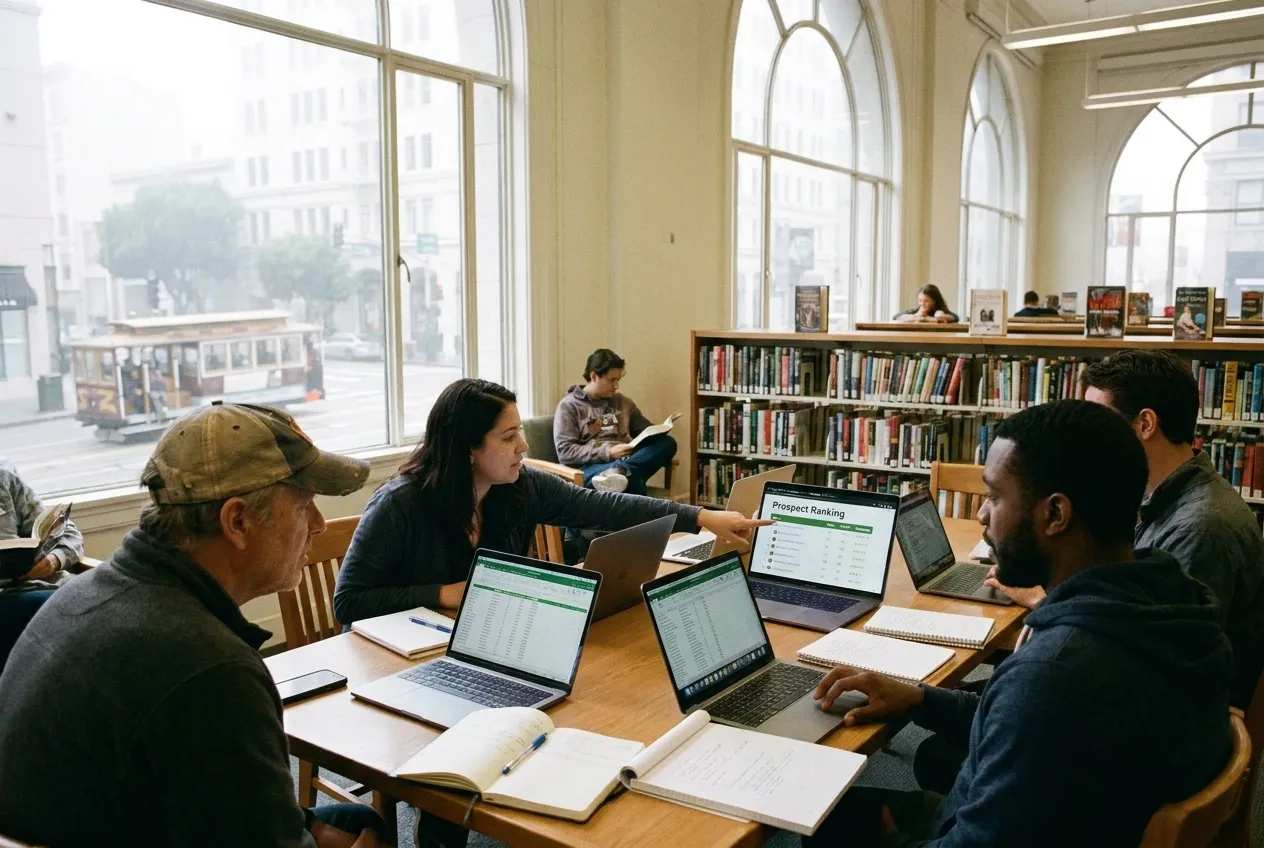
San Francisco Public Library branches host community events in rooms that seat fifteen to forty participants, offering reliable climate control, accessible restrooms, and freedom from purchase obligations. The Main Library at 100 Larkin Street and branches like Mission at 1234 Valencia Street or Bayview at 5075 3rd Street provide weeknight hours extending to 8:00 PM on select days, giving working analysts time to commute via Muni after standard office hours. Library settings tend to attract quieter discussions focused on laptop screens and shared spreadsheets, with participants bringing printouts of FanGraphs pages or Baseball Prospectus articles to annotate collectively. No alcohol means sharper focus on regression analysis, but it also means less social lubrication for shy beginners hesitant to interrupt a conversation about weighted runs created plus.
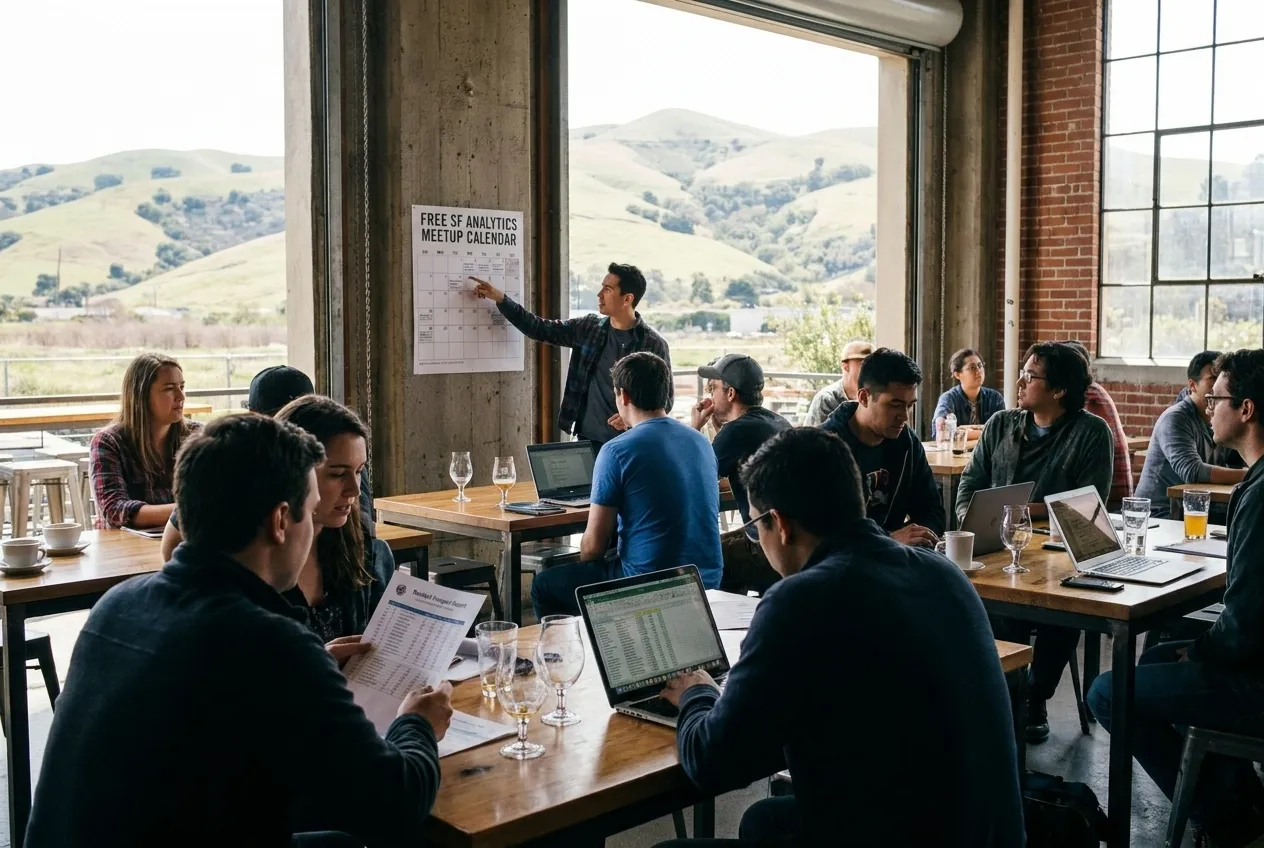
Brewery tasting rooms in neighborhoods like Dogpatch, the Mission, or Potrero Hill offer a contrasting atmosphere—casual seating, ambient noise that paradoxically makes side conversations easier, and the option to nurse a single beer over two hours of baseball talk. These commercial spaces rarely charge cover for informal meetups but carry the implicit expectation that attendees purchase at least one beverage, adding a modest cost barrier absent from library gatherings. The social dynamics shift: experienced analysts may feel more comfortable sharing contrarian opinions about a prospect's hit tool over an IPA, while beginners might find the relaxed setting less intimidating than a silent library room. The tradeoff involves verifying that the brewery welcomes recurring monthly groups without requiring advance reservations or minimum headcounts, and confirming the space remains accessible via SFMTA transit options after evening rush periods.

Verification Steps Before Attending Your First Session
Online event listings and social media pages for baseball analytics groups often lag behind actual scheduling changes, making direct verification essential before planning your evening. Check whether the organizer maintains an active email contact or messaging channel where you can confirm the next meetup date, typical attendance size, and whether laptops or tablets are encouraged for live database queries. Ask explicitly about beginner accommodation—some groups expect familiarity with terms like FIP, wRC+, and DRS, while others dedicate the first twenty minutes to foundational concepts. Inquire whether the group subscribes to any shared analytics platforms (some pool resources for a single FanGraphs membership) or relies exclusively on free tools like Baseball Reference and publicly available minor league stats.
Transportation logistics matter more than casual descriptions suggest. Use the SFMTA trip planner to map Muni routes from your starting point to the venue, noting whether evening service runs frequently enough to avoid thirty-minute waits after the meetup concludes. Library branches publish hours online, but confirm the specific community room remains available on your target date—some branches close rooms for maintenance or reserve them for other programs without updating general event calendars. For brewery venues, verify the establishment's operating hours extend past the meetup's expected end time; a gathering that runs until 9:30 PM becomes awkward if last call arrives at 9:00. Phone calls remain more reliable than email for these confirmations, particularly when dealing with volunteer organizers juggling day jobs.
Database Access Models and Subscription Workarounds
Professional baseball analytics platforms charge annual fees ranging from modest to prohibitive, creating a barrier for amateur analysts who want occasional access rather than daily immersion. Free meetups navigate this through several models: some designate a member with an existing subscription to screen-share during discussions, projecting advanced metrics onto a library room's display or passing a laptop around a brewery table. Others focus exclusively on free resources—Baseball Reference's basic stats, MLB Pipeline's public prospect lists, and team-published depth charts—accepting the limitation that cutting-edge metrics remain out of reach. A third approach involves rotating responsibility, with different members bringing trial subscriptions or leveraging free preview periods from various platforms across different months.
The practical impact on discussion depth varies significantly. Groups relying solely on free tools tend toward broader strategic questions—whether a team should prioritize pitching or hitting prospects, how to evaluate a player's defensive versatility—rather than granular debates about spin rate differentials or barrel percentage trends. This actually benefits beginners, who can contribute observations about playing time patterns or organizational philosophy without needing to parse advanced formulas. More database-rich groups risk alienating newcomers with rapid-fire references to proprietary metrics, though the best facilitators pause to explain acronyms and contextualize numbers. Before committing to a group, clarify which databases they typically reference and whether they provide brief tutorials for unfamiliar tools, ensuring your first session feels educational rather than exclusionary.
Who Thrives in Amateur Analytics Communities
These meetups attract a specific personality intersection: intellectually engaged fans who enjoy baseball's strategic puzzles but lack the time or career path to pursue professional front-office roles. Typical participants include software engineers who appreciate baseball's data richness, teachers drawn to the pedagogical challenge of explaining complex stats, and career-changers exploring whether sports analytics might suit them before investing in formal coursework. The common thread is comfort with numbers and willingness to question conventional wisdom—why stolen base attempts declined, whether launch angle optimization has peaked, how to quantify a catcher's framing value. Companions matter; bringing a data-minded friend creates a built-in discussion partner during breakout conversations and provides social cover when navigating a new group's dynamics.
Conversely, these gatherings frustrate fans seeking pure social baseball fandom—the emotional highs of game-watching, nostalgic storytelling about childhood heroes, or passionate defenses of favorite players against statistical critique. Analytics meetups treat baseball as an intellectual exercise, which means celebrating a prospect's plate discipline improvements rather than his clutch home run, or debating whether a team's farm system ranks twelfth or fifteenth rather than simply declaring it "good" or "bad." Beginners should assess their own tolerance for this clinical approach; if you find yourself more energized by parsing a trade's surplus value implications than by the visceral thrill of a pennant race, these communities offer a rewarding monthly ritual. If statistical discussions feel like homework rather than entertainment, traditional fan clubs or game-watching groups provide better social fits.
Maintaining Momentum Between Monthly Gatherings
Monthly meetups provide structure but leave three-to-four-week gaps where amateur analysts must sustain their own learning momentum. Successful participants typically join associated online forums or messaging channels where members share articles, debate breaking trades, and pose questions between in-person sessions. These digital spaces serve as extended classrooms—someone asks how to calculate isolated power, another member links to a tutorial, and a brief thread unpacks the metric's limitations. The asynchronous format accommodates busy schedules while keeping baseball analytics top-of-mind, preventing the disorienting experience of arriving at the next meetup having forgotten the previous month's discussion threads.
Self-directed learning fills remaining gaps. Free resources like baseball analytics blogs, YouTube channels explaining sabermetric concepts, and podcasts interviewing front-office analysts provide ongoing education without financial commitment. The key is matching content difficulty to your current skill level—beginners benefit from foundational explainers on ERA versus FIP before tackling advanced topics like pitch tunneling or swing plane optimization. Track your questions as they arise during solo reading; bringing a short list to the next meetup transforms abstract concepts into concrete discussions and signals to experienced members that you're investing effort between sessions. This preparation cycle—monthly meetup, online community engagement, independent study, repeat—builds analytical fluency faster than any single component alone, turning casual interest into genuine competency over six to twelve months of consistent participation.
Tags: #baseballanalytics #freemeetups #SanFranciscolibraries #amateursportsanalysis #sabermetrics #prospectevaluation #baseballstatistics #communityevents #dataanalysis #sportsnetworking
Sources consulted: Source 1: sf.gov · Source 3: sfmta.com · Source 4: sfpl.org
All trademarks are the property of their respective owners.
Ask Karpo first
Ask Karpo to turn this San Francisco idea into a current plan for your date, budget, companion, transit preference, and energy level. Karpo can narrow the route and flag what to verify before you go.