 Clubs Near Me in Ridgewood: Nowadays' Outdoor Dance Floor
Sports Social
juno temple: A NYC Sports and Social Plan
Use a trending name as the prompt, then build a verifiable NYC sports-social outing around borough fit, food timing, access checks, and backups.
The phrase juno temple may be what pulled your group chat into planning mode, but it should stay exactly that: a hook, not evidence of a New York appearance, team tie-in, screening, venue visit, or guaranteed event. A better NYC move is to turn the shared attention into a sports-social plan that can survive basic fact checks. The official information here supports a few reliable planning anchors: New York City has five boroughs; NYC Tourism lists sports among things to do; “NYC Baseball 101” is presented for people heading to the ballpark; Brooklyn Bridge Park is described as a waterfront attraction with views, cultural activities, nature, and relaxing spaces; and NYC Restaurant Week Summer 2026 runs Jul 20-Aug 16 with 2-course lunches and 3-course dinners across all five boroughs starting at $30. The goal is not to chase a rumor. It is to pick a borough, verify the moving parts, and keep the group comfortable if the first idea changes.
Want a cleaner plan before everyone commits? Text Karpo to check NYC borough fit, sports-social venue options, dining timing, transit-sensitive routing, and what needs verification before leaving.
Turn the sports interest into a social plan
Treat juno temple as the conversation starter, then separate celebrity buzz from the actual day. None of the official extracts establishes a New York appearance, affiliation, sports event, filming, broadcast, or venue connection. That means the plan should not depend on seeing anyone, finding a production, or proving a rumor. Plan around the city instead: choose a borough, choose a sports setting, choose food nearby, and choose a backup that still feels like a complete outing.
For a group that wants sports without overcommitting, use a simple three-part structure: meet somewhere easy to identify, do the sports-related portion, then move to food or nightlife if the group still has energy. NYC Tourism organizes visitor planning around categories including things to do, eat and drink, maps and guides, nightlife, and sports. That supports a flexible outing where the day can shift from active to food-led without becoming a failed plan.
If the date falls during NYC Restaurant Week Summer 2026, make dining a supported planning anchor, not an unsupported reservation promise. The official extract says the program runs Jul 20-Aug 16, offers 2-course lunches and 3-course dinners across all five boroughs, and starts at $30. The participating restaurant, table availability, menu details, service time, taxes, drinks, and any booking requirements still need direct confirmation before the group commits.
Choose participation or spectating first
Before anyone debates neighborhoods, decide whether the group wants to participate or spectate. Participation can mean a walkable, park-adjacent, waterfront, or low-pressure active plan. Spectating can mean a ballpark or another sports-focused setting. The distinction matters because the official extracts do not provide game schedules, ticket rules, venue hours, bag policies, weather policies, screen availability, or transit times.
For spectating, use the official cue carefully: NYC Tourism lists an article called “NYC Baseball 101” with the line “Heading to the ballpark? Let us take you there.” That supports ballpark planning as a topic, but it does not confirm a game, team, start time, ticket price, entry process, or seat location. The actionable step is to verify the exact event, official ticket access, entry requirements, weather exposure, and meeting point before anyone travels.
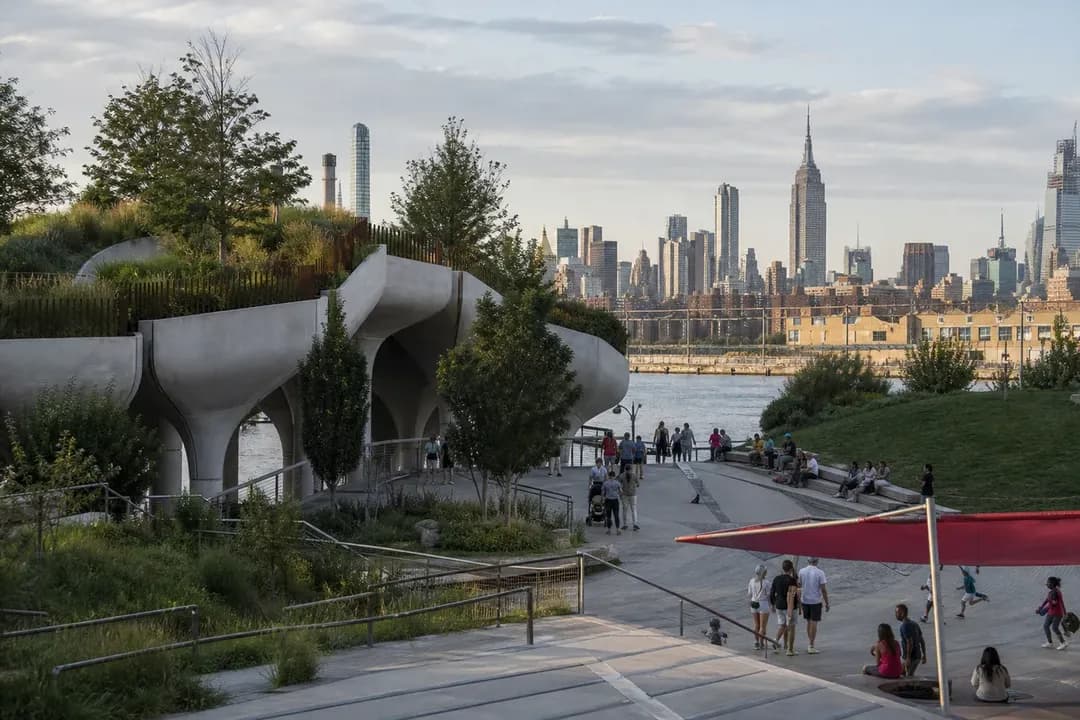
For participation, lean on public-space logic without inventing park rules. Brooklyn Bridge Park is officially described as a waterfront attraction with magnificent views, cultural activities, lots of nature, and plenty of spaces for relaxing. That makes it a reasonable candidate for a mixed-energy social route, especially if some people want to move around while others prefer to watch, walk, or sit. Current conditions and any activity-specific rules still need checking from the relevant official source.
Match the venue to the group energy
A good NYC sports-social plan starts with group energy, not hype. Manhattan fits groups that want an iconic city backdrop, since the official borough description points to Broadway, Central Park, the skyline, and excitement for many kinds of visitors. Brooklyn fits groups that want the outing to flow into food or nightlife, with the extract describing world-class nightlife, boundary-pushing cuisine, and fun for all ages.
Queens is a strong option when food and variety matter as much as the activity. The official description says Queens can satisfy nearly every taste and thrill, with old-world cuisines and scenic surf. That does not identify a specific beach, restaurant, field, court, or route, so keep Queens plans flexible: choose the food area and activity area only after checking what is open and practical for that day.
The Bronx has the clearest sports-history signal in the extracts. NYC Tourism describes it as the borough where Babe Ruth became a baseball legend, while also pointing to hip-hop history and old-world classics in its Little Italy. Staten Island is useful for a more spacious-feeling plan because the official description mentions historic attractions, beach views, global dining options, and that it is just a ferry ride away. Treat the ferry as a supported access concept, not a confirmed schedule or travel-time guarantee.
Plan equipment seating and transit early
Equipment is where casual plans often get vague. If the group chooses participation, decide what people need to bring and what can be skipped. Keep the setup light unless an official venue or public-space rule says otherwise. If the group chooses spectating, seating becomes the practical question: who needs accessible routing, who needs a real seat, who can stand or move around, and who needs a calmer backup if the venue is crowded.
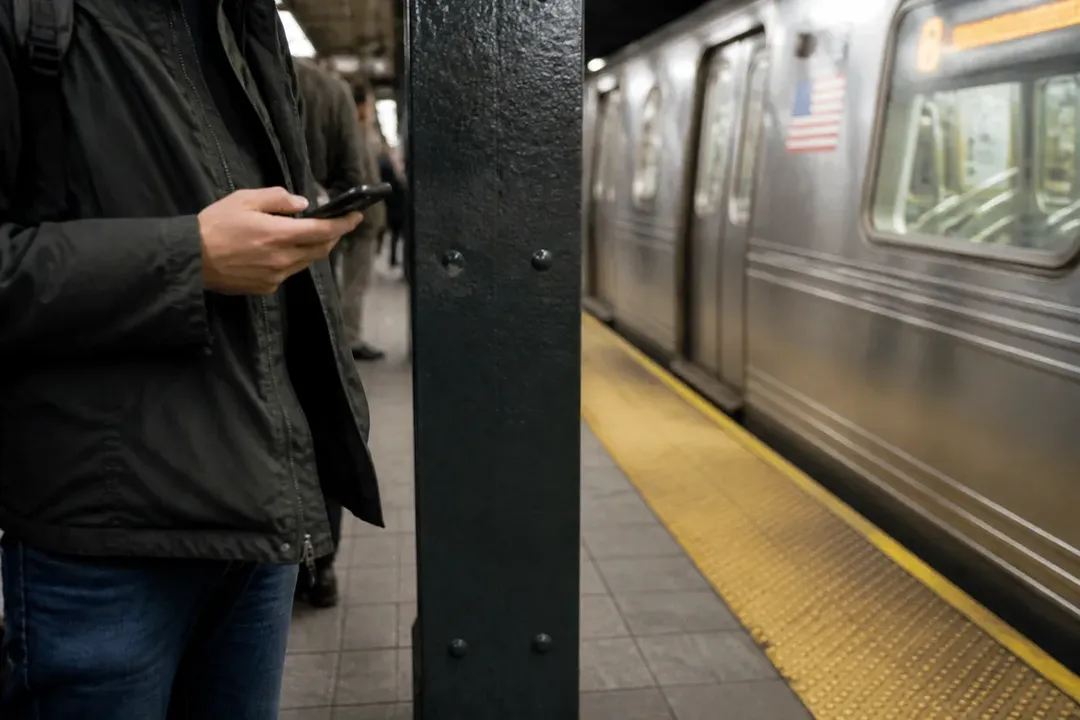
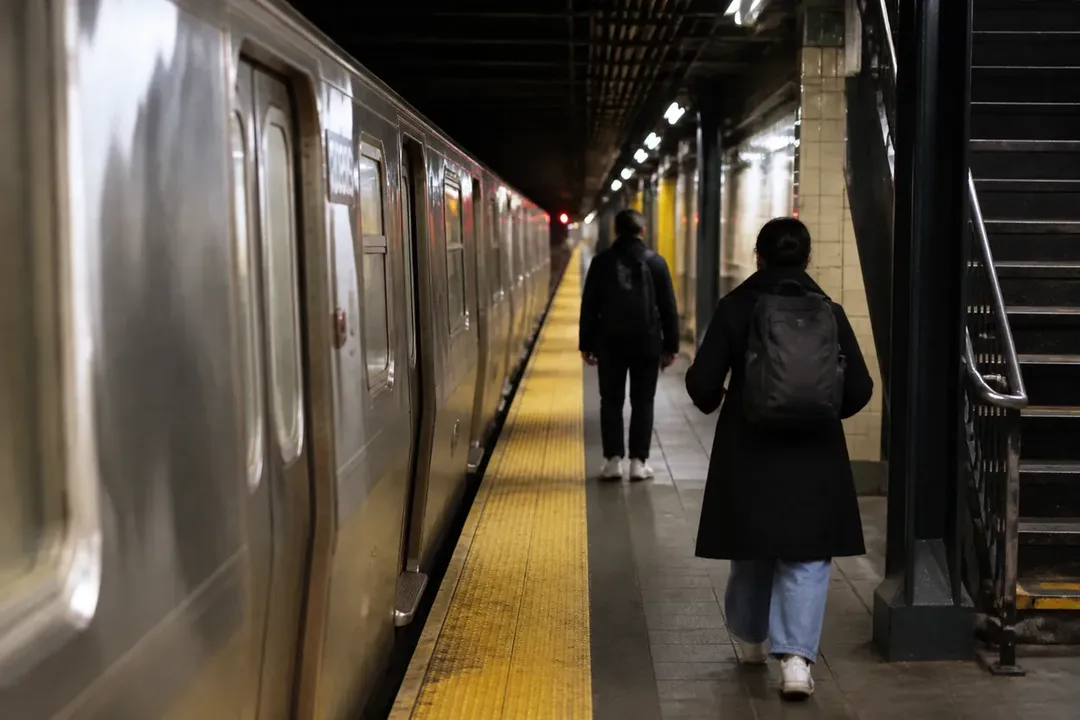
Transit should be planned as a set of checks, not a promise of exact travel time. The official NYC Tourism extract references “subway-accessible stories” from Times Square to every borough, which supports thinking about subway access as part of city planning. It does not provide current service, disruption details, station accessibility, fare rules, or walking distances. Those details should be confirmed close to departure through current official transit information.
Build the route so one delay does not break the whole plan. A practical sequence is: meet at a clearly named borough anchor, do the sports-related portion first, then eat in the same borough unless there is a strong reason to move. During Restaurant Week, keeping a same-borough dining backup is especially sensible because the official program spans all five boroughs. That is a supported planning advantage, not a guarantee that any particular restaurant has room.
Keep beginners from feeling stranded
The social part works only if beginners can opt in without embarrassment. For active plans, choose a format where people can rotate, rest, walk, or simply watch. Brooklyn Bridge Park’s official description helps here because it is not described as only one thing: views, cultural activities, nature, and relaxing spaces give non-players a reason to be present beyond waiting for the activity to end.
For ballpark or sports-watch plans, name the beginner-friendly checkpoints before the day starts: where to meet, what has been officially verified, what still needs checking, what the group will do if the first venue is unavailable, and when food becomes the priority. Avoid promising free entry, open seating, screen availability, broadcast access, or event timing unless the group has confirmed those details from the current official source.
Apply the same standard to celebrity-adjacent chatter. If someone joined because they saw juno temple trending, be clear that the plan is NYC sports and social time, not a promise of proximity to a person, production, team, or event. That keeps the outing honest and avoids building the day around an unsupported assumption. The trend can start the conversation; verified city details should shape the plan.
Verify schedules before leaving
The last hour before departure is for verification. Confirm the sports event or public-space conditions, the meeting point, the current route, and the food plan. If the plan involves a ballpark, check the official event and ticket information. If it involves a park or waterfront, check the relevant public-space status and weather-sensitive details. If it involves Restaurant Week, confirm the participating restaurant, current menu, available time, price details, and any reservation expectations.
Have one backup tied to the chosen borough. Manhattan can shift toward landmarks, Central Park, Broadway-adjacent energy, and food. Brooklyn can shift toward nightlife, cuisine, or a lower-pressure waterfront visit. Queens can become a food-led route built around its broad cuisine appeal. The Bronx can keep the sports-history and Little Italy angle. Staten Island can lean into historic attractions, beach views, global dining, and the ferry-access idea after checking current conditions.
The best NYC plan is specific but humble: it knows where to start, what is officially supported, what must be checked, and when to change course. Use the trend phrase as a spark, then let verified details do the work. That gives the group at least four concrete actions: pick a borough, verify the sports setting, confirm current access, and lock the food plan only after checking the restaurant itself.
Tags: #junoTemple #NYCSports #SportsSocial #AskKarpo #BeforeYouGo #NYCPlanning #NewYorkCity #BrooklynBridgePark #NYCBaseball #RestaurantWeekNYC #Manhattan #Brooklyn #Queens #TheBronx
Sources consulted: nyctourism.com · new.mta.info · nycgovparks.org
All trademarks are the property of their respective owners.
Ask Karpo first
Ask Karpo first when the plan depends on timing, entry, transit, or a trending name. For this NYC sports-social route, Karpo can help separate verified details from chatter, compare borough options, flag what still needs checking, and keep a realistic backup ready before anyone heads out.
Ask Karpo for more information.
Keep reading
- Clubs Near Me in Ridgewood: Nowadays' Outdoor Dance Floor
 Clubs Near Me in Gowanus: Public Records' Hi-Fi Sound System
 Events Near Me in Bushwick: Elsewhere's Multi-Room Rooftop Nights