The cinematic thrill of Jumanji open world adventure—where players navigate unpredictable terrain, encounter dynamic challenges, and shape their own narrative—has inspired a generation of tabletop game designers. San Francisco's maker spaces and creative hubs offer workshops that translate that sense of boundless exploration into tangible game mechanics, teaching participants how to craft compelling worlds, design balanced systems, and build stories that respond to player choice. Whether you're drawn to the jungle chaos of Jumanji: Welcome to the Jungle or simply fascinated by the architecture of open-world gameplay, these hands-on sessions provide the tools and community to turn your ideas into playable experiences. From SoMa's tech-forward collectives to Mission and Potrero Hill maker spaces, the city's creative infrastructure supports both novice designers and experienced storytellers looking to refine their craft.
Planning your first tabletop game design workshop in San Francisco? Tell Karpo your San Francisco neighborhood, preferred weekend date, whether you're attending solo or with a partner, budget per person, prior game design or tabletop experience, and interest in drop-in game nights as a backup option. Text Karpo to get personalized recommendations that match your creative goals and schedule.
What to Expect in Tabletop Game Design Workshops
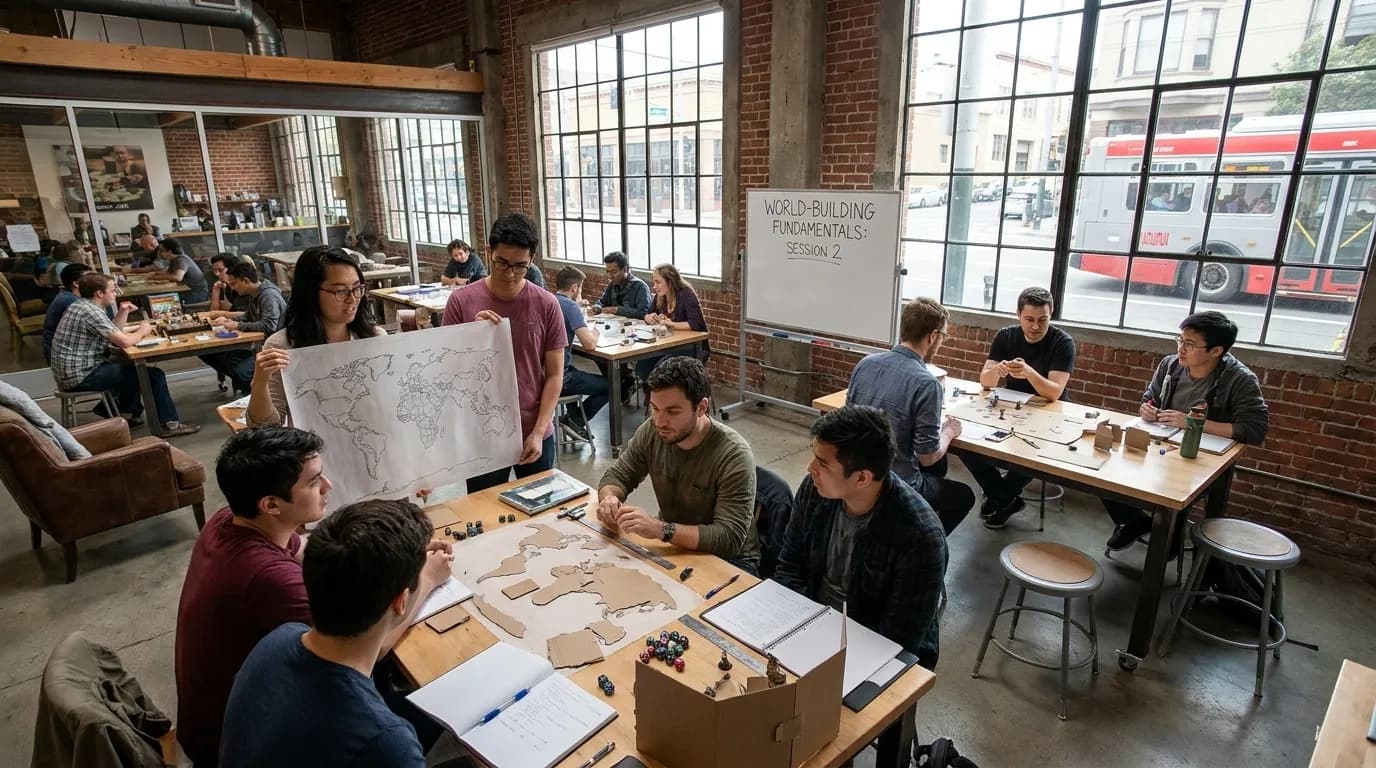
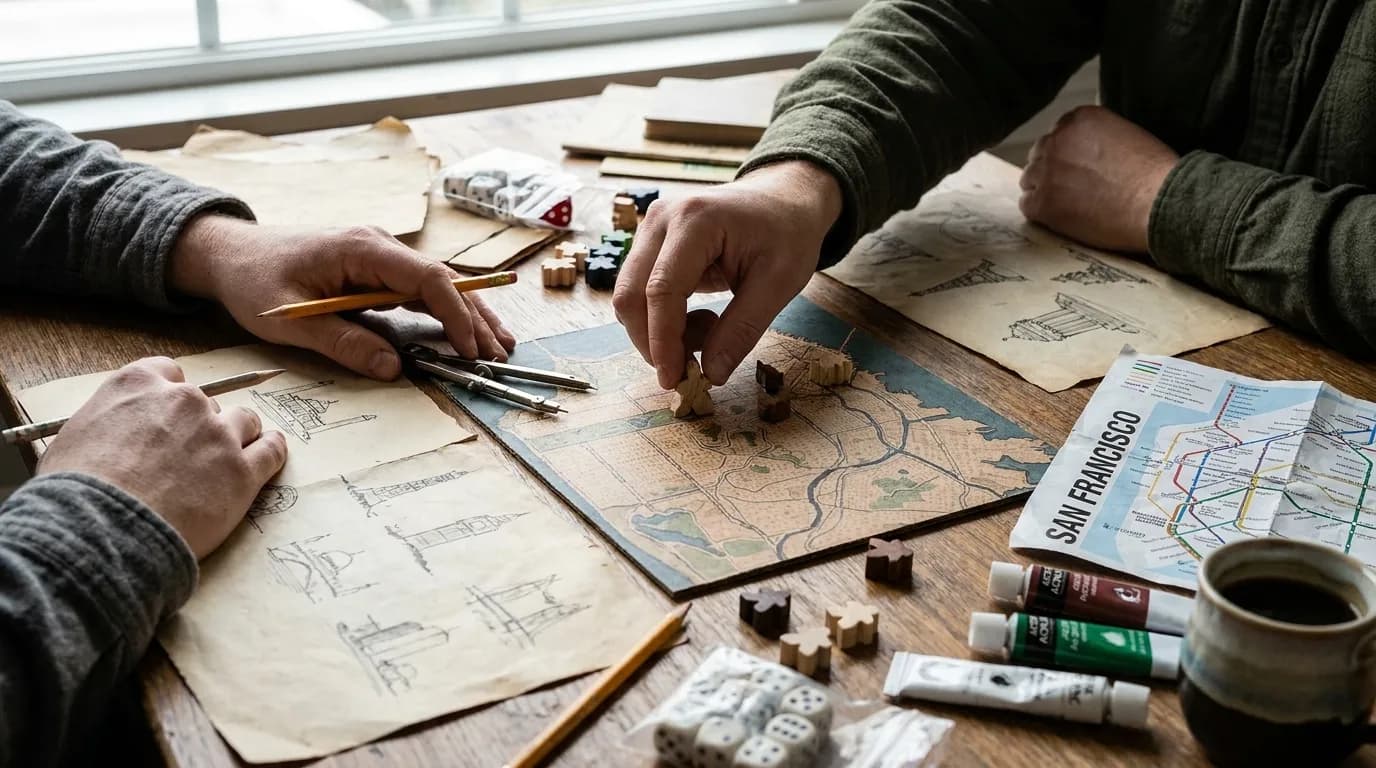
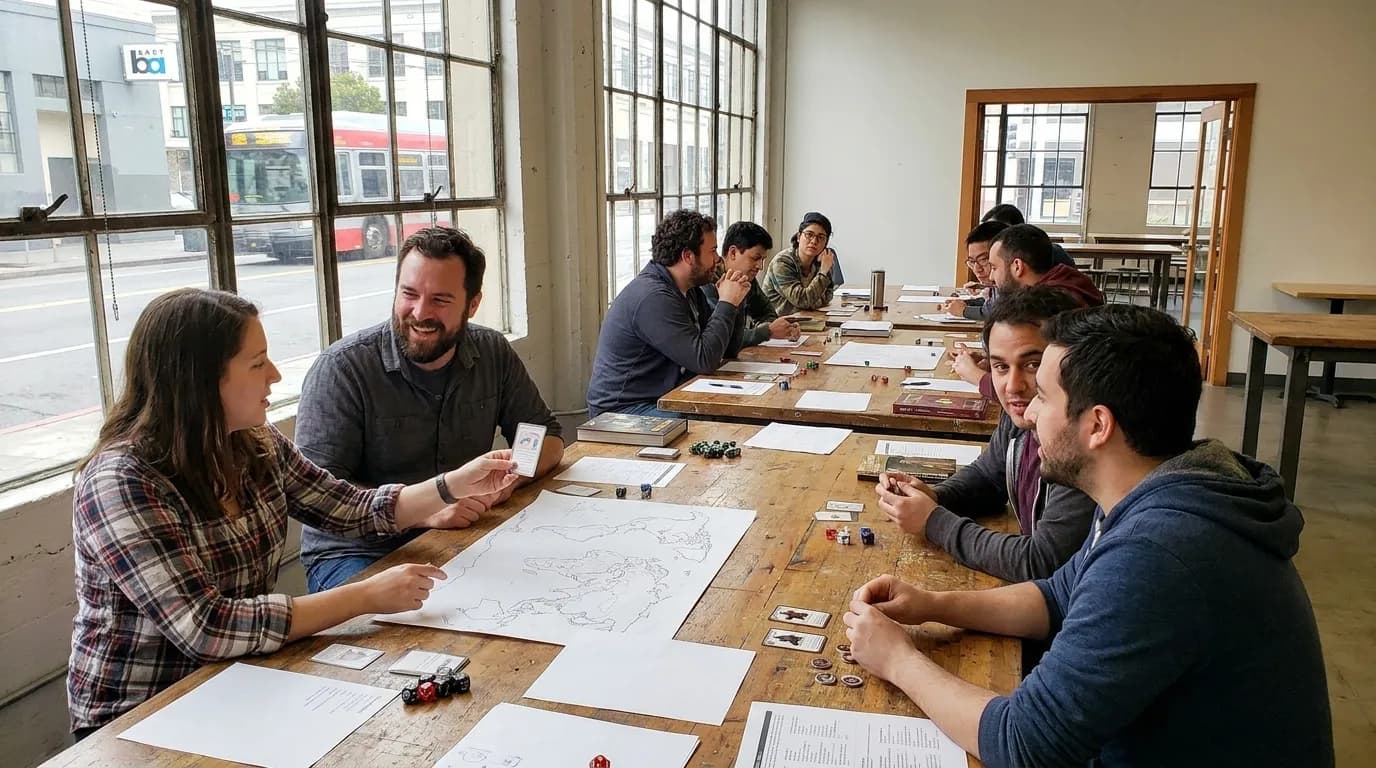
San Francisco tabletop game design workshops typically focus on core skills: world-building that establishes setting and atmosphere, map-making that balances exploration with narrative flow, and mechanics design that translates player decisions into meaningful outcomes. Many sessions run multiple hours on weekend afternoons, allowing participants to move from concept sketches to prototype testing within a single sitting. Instructors often guide groups through iterative design—drafting rules, playtesting with peers, and refining based on feedback. Materials such as grid paper, dice, tokens, and reference guides are commonly provided, and collaborative spaces encourage sharing ideas across tables. Workshops may be structured around specific genres—fantasy, sci-fi, survival—or focus on universal design principles applicable to any setting.
Timing and Session Length
Most tabletop game design workshops in San Francisco are scheduled for weekend afternoons, typically starting between noon and 2 PM and running three to four hours. This extended format allows for deep creative work: enough time to brainstorm, draft, test, and iterate without feeling rushed. Some venues offer recurring monthly sessions, while others host one-off intensives tied to specific themes or guest facilitators. If you're new to game design, look for introductory workshops that break down the process into manageable steps; experienced designers may prefer advanced sessions focused on balancing mechanics or narrative integration. Always confirm the session length and any prerequisite materials when registering.
Transit and Neighborhood Access
San Francisco's maker spaces and creative workshops are concentrated in neighborhoods well-served by public transit. SoMa venues are accessible via multiple Muni Metro lines and BART's Montgomery or Powell stations, making them convenient for visitors from across the Bay Area. Mission District spaces are reachable via the 14, 22, and 49 Muni lines, as well as BART's 16th Street and 24th Street stations. Potrero Hill locations may require a short walk or bus transfer from the 22 or 48 lines. If you're traveling from the East Bay, BART connections to downtown San Francisco provide straightforward access to most workshop venues. Check real-time transit schedules on weekend afternoons, as service frequency can vary.
Solo Attendance and Pair Dynamics
Tabletop game design workshops are well-suited for both solo attendees and pairs. Solo participants benefit from the collaborative environment—you'll work alongside other designers, share feedback, and gain diverse perspectives on your ideas. Many workshops encourage group playtesting, so you'll have built-in partners for trying out mechanics. Attending with a friend or partner can streamline the design process: you can divide tasks, brainstorm together, and test your game with a familiar co-creator. Pairs also find it easier to continue development after the workshop ends, building on the momentum of the session. Either way, the communal atmosphere of San Francisco's maker spaces fosters connection and creative exchange.
Budget Considerations and What's Included
Workshop fees in San Francisco's tabletop game design community generally fall into a moderate range, covering instruction, materials, and venue access. Expect to budget for the session itself, which often includes grid paper, dice, tokens, and other prototyping supplies. Some maker spaces operate on a sliding scale or donation basis, while others charge a flat rate per participant. If you're attending as a pair, confirm whether discounts apply. Additional costs may include transit, snacks, or optional materials like specialty dice or miniatures. Many venues also host free or low-cost drop-in game nights, which can serve as a no-commitment introduction to the space and community before investing in a full workshop.
Prerequisite Experience and Skill Levels
One common uncertainty for prospective participants is whether prior game design or tabletop experience is required. Most San Francisco workshops welcome beginners and provide foundational instruction in mechanics, narrative structure, and playtesting. However, some advanced sessions assume familiarity with role-playing systems, board game mechanics, or design terminology. Always check the workshop description or contact the organizer to confirm the intended skill level. If you're new to tabletop gaming, consider attending a drop-in board game night at the same venue first—observing mechanics in action and talking with regulars can help you gauge whether a design workshop is the right next step. Experienced designers should look for sessions that focus on specific challenges like balancing asymmetric play or integrating emergent narrative.
Backup Plans and Alternative Experiences
If a scheduled workshop is full, canceled, or doesn't align with your skill level, San Francisco offers several backup options. Drop-in board game nights at maker spaces and game cafés provide a low-pressure way to explore tabletop mechanics, meet designers, and observe how different systems handle player agency and world-building. These events often feature a library of games ranging from classic strategy titles to indie narrative experiments, giving you hands-on exposure to design principles in action. Some venues also host open design nights where participants bring works-in-progress for informal feedback. Attending a few game nights before committing to a workshop can clarify your interests and help you choose the session that best fits your goals.
Tags: San Francisco tabletop game design workshops, Jumanji open world, creative workshops San Francisco, game design classes Bay Area, world-building workshops, map-making sessions, narrative mechanics, SoMa maker spaces, Mission District creative studios, Potrero Hill workshops, weekend game design, solo and pair workshops, beginner game design, drop-in board game nights, San Francisco creative community
Sources consulted: sonypictures.com · noisebridge.net · gamesofberkeley.com
All trademarks are the property of their respective owners.
Ask Karpo first
Tell Karpo your San Francisco neighborhood, preferred weekend date, whether you're attending solo or with a partner, budget per person, prior game design or tabletop experience, and interest in drop-in game nights as a backup option.