The phrase "jumanji open world" captures the appeal of sprawling, explorable environments where families can roam freely—and that energy translates perfectly to planning a US Open visit in Queens that includes more than tennis. Flushing Meadows Corona Park, home to the USTA Billie Jean King National Tennis Center, is one of New York City's largest green spaces, surrounded by museums, playgrounds, public art, and neighborhoods rich with food and culture along the 7 train corridor. Whether you're attending an early-round day session in late August or a weekend match during the tournament's second week, building in playful park stops before or after your session turns a single-sport outing into a full Queens adventure for families.
Text Karpo with your US Open session time and Queens starting point, and we’ll turn this playful park stops for families into a practical local plan.
Why Flushing Meadows Corona Park Works as an Open-World Playground
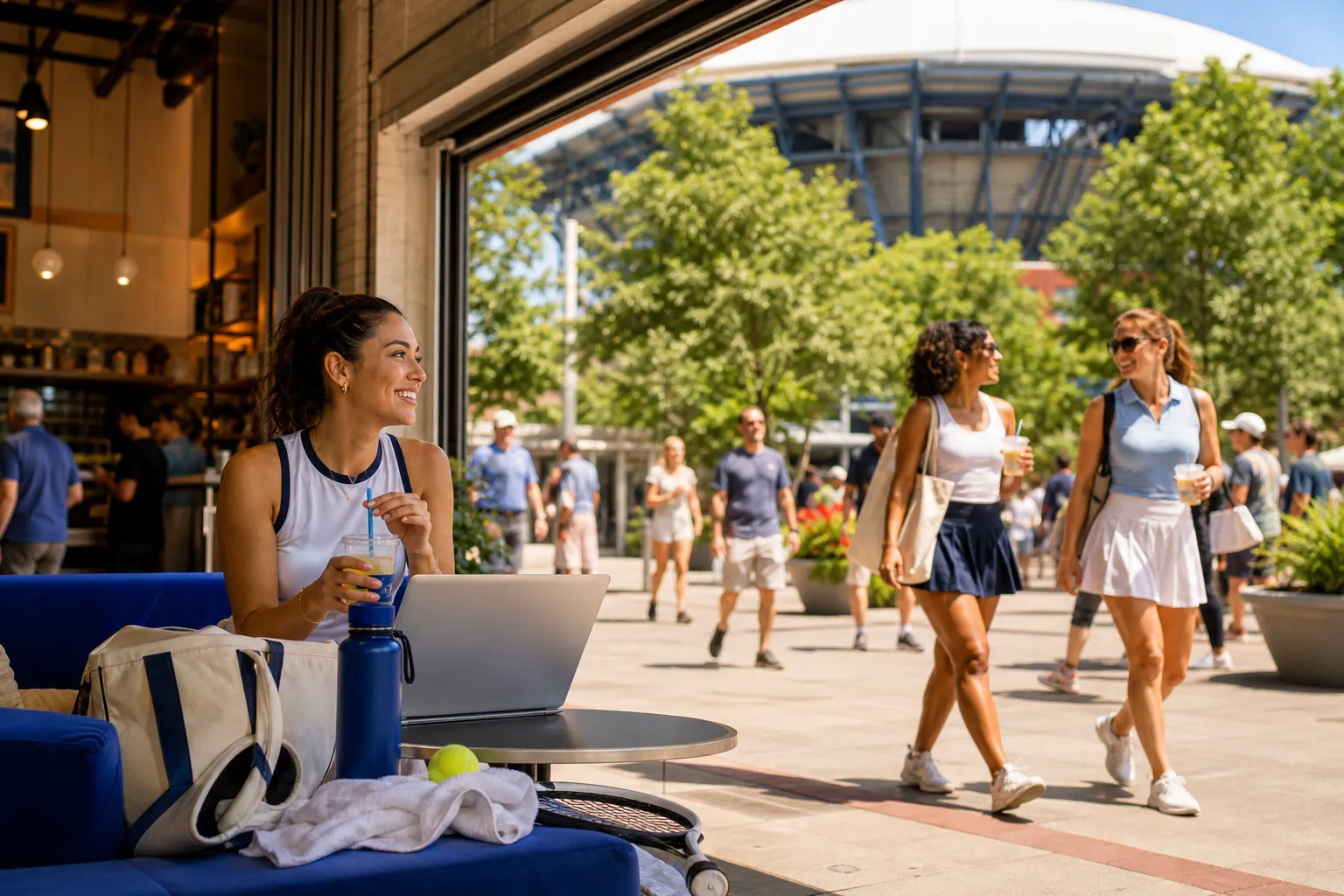
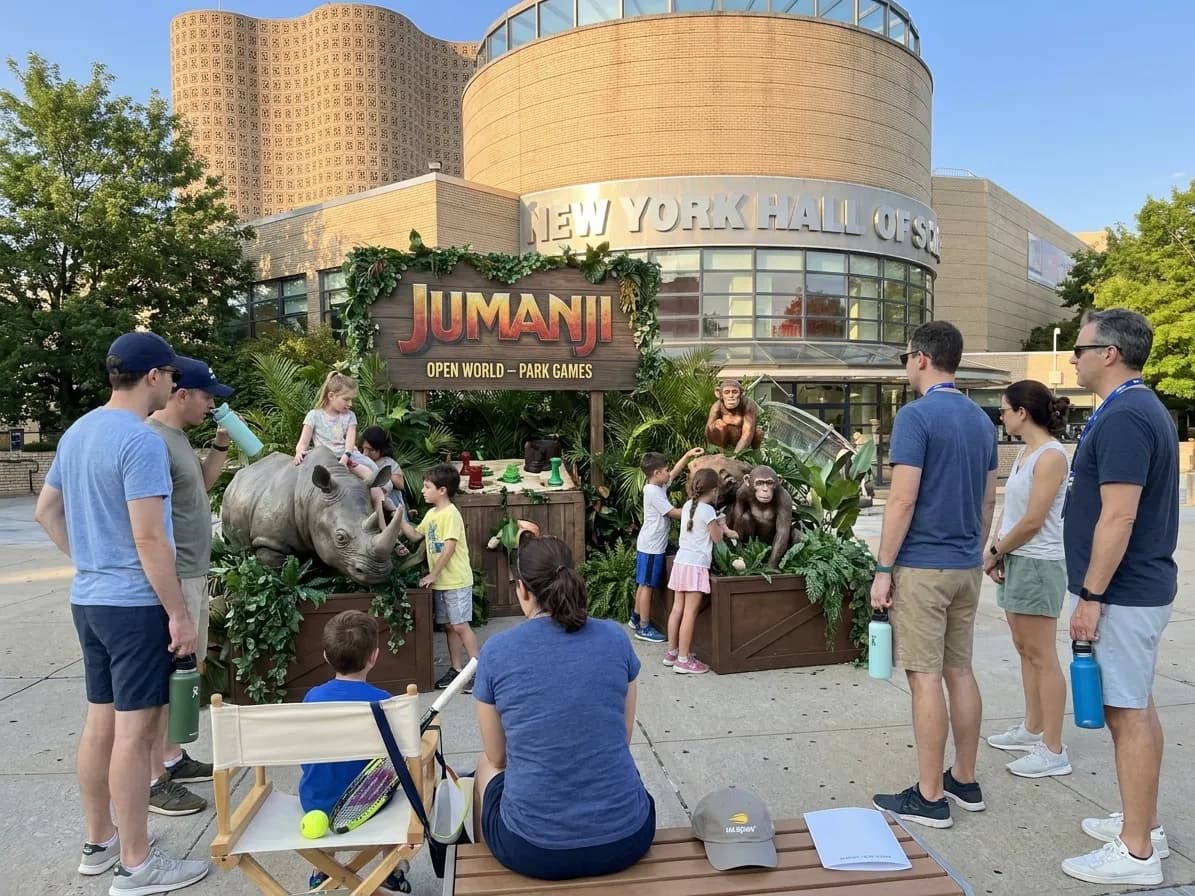
Flushing Meadows Corona Park spans 897 acres and offers far more than tennis courts. The park includes the Unisphere, meadows, playgrounds, bike paths, Meadow and Willow Lakes, and several major cultural institutions. Families attending the US Open can arrive early to explore the park's open spaces, let kids burn energy on playgrounds near the Queens Museum or the New York Hall of Science, or take a post-match walk around the lakes. The park's layout encourages wandering—there's no single prescribed route, making it feel like an open-world environment where you choose your own path based on energy levels, curiosity, and time before or after your session.
NYC Parks maintains the official Flushing Meadows Corona Park page with maps, amenity locations, and seasonal updates. Checking that resource close to your visit helps you identify which playgrounds, restrooms, and picnic areas are accessible and how they connect to the tennis center entrance you'll use.
Museum Stops Within Walking Distance of the Tennis Center
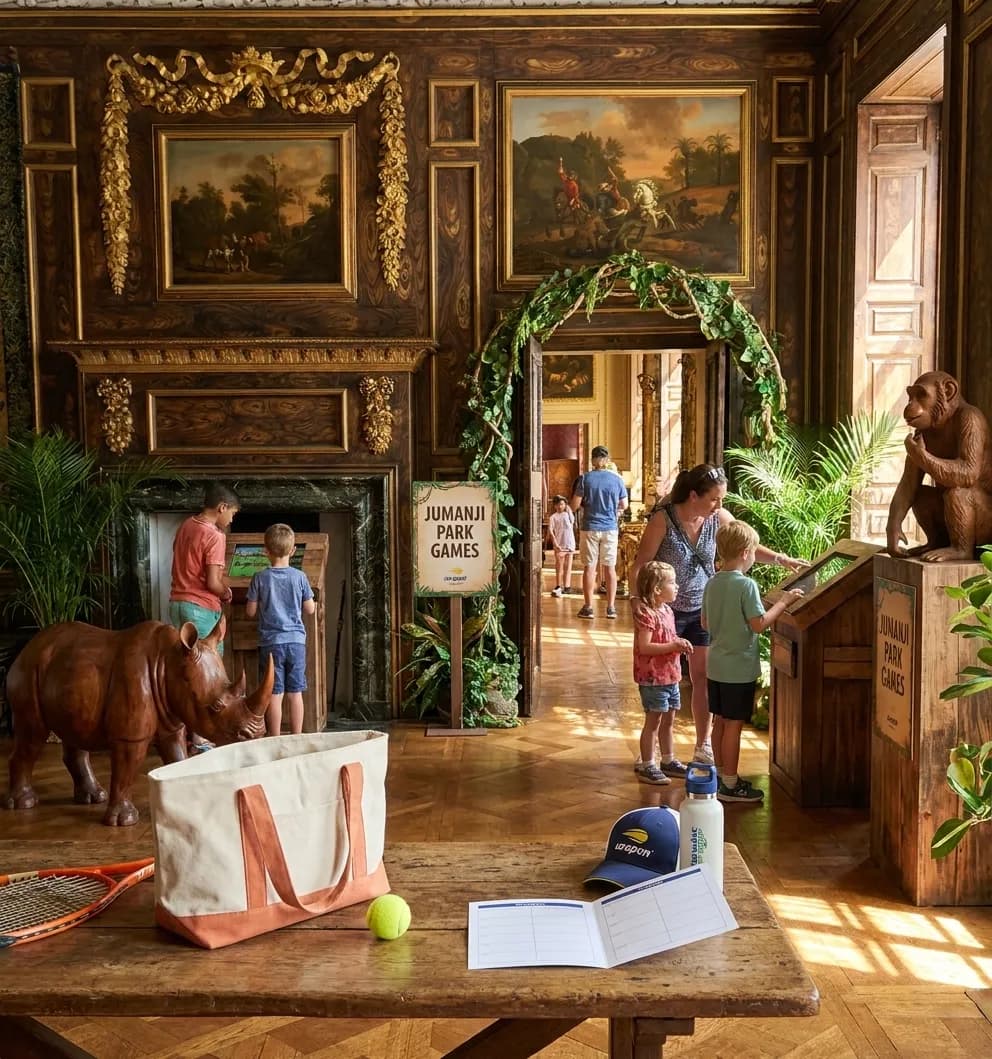
Three major museums sit within or immediately adjacent to Flushing Meadows, each offering indoor breaks that complement outdoor park time. The Queens Museum, located near the Unisphere, houses the Panorama of the City of New York—a room-sized scale model of all five boroughs that fascinates kids and adults alike. The New York Hall of Science, on the park's northern edge, features hands-on exhibits about physics, biology, and engineering, plus an outdoor Science Playground. The Museum of the Moving Image in nearby Astoria focuses on film, television, and digital media, with interactive exhibits that let families explore animation, sound design, and video game history.
Each museum maintains its own website with current hours, admission policies, and special exhibitions. Planning a museum visit before an afternoon US Open session or after a morning match gives families a climate-controlled space to regroup, especially during late-August heat or early-September rain.
Routing Along the 7 Train Corridor
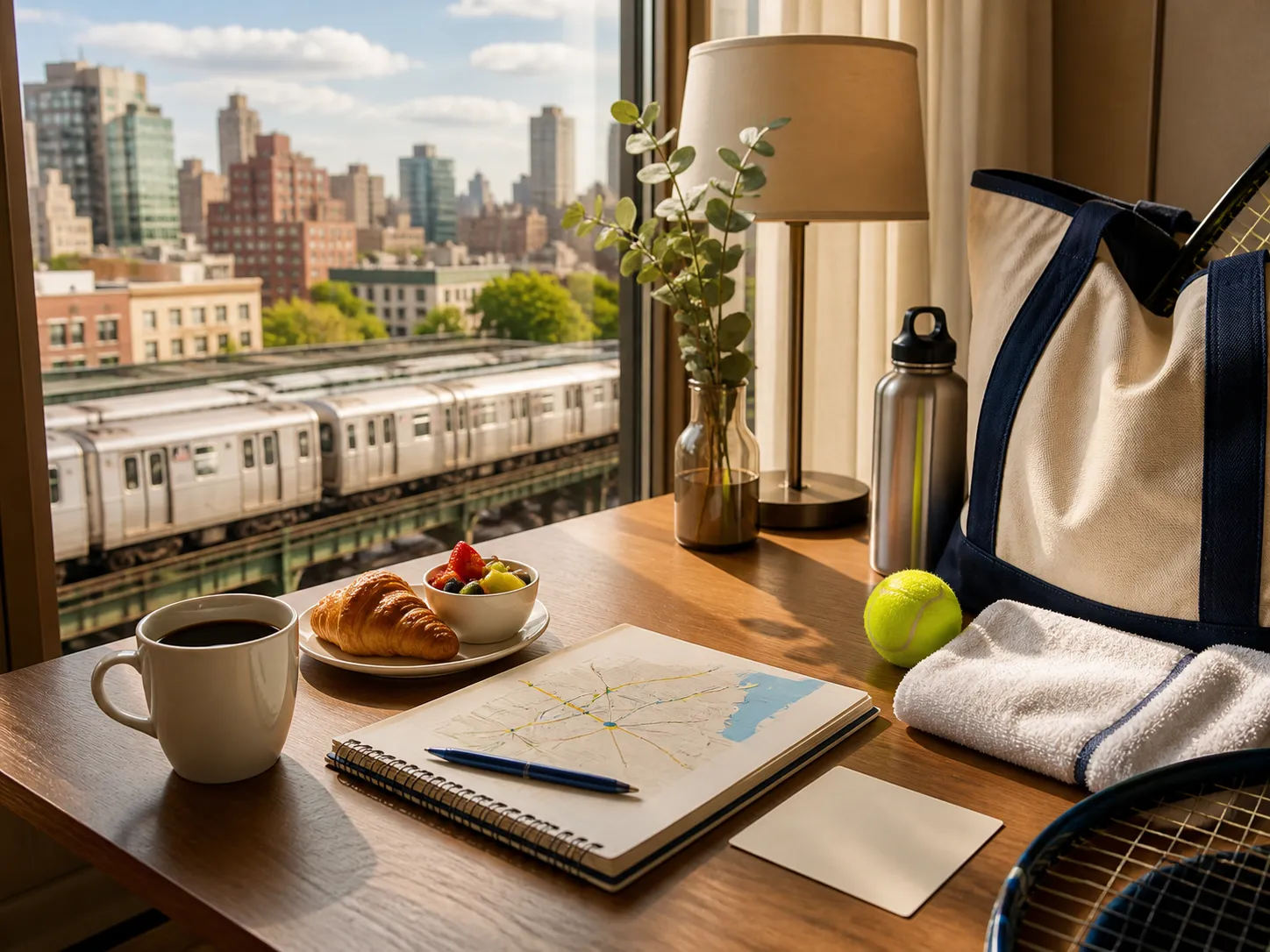
The 7 train is the primary subway line serving Flushing Meadows and the US Open, with the Mets–Willets Point station offering direct access to the tennis center. But the 7 also connects a string of Queens neighborhoods—Long Island City, Sunnyside, Woodside, Jackson Heights, Elmhurst, Corona, and Flushing—each with its own parks, playgrounds, and food scenes. Families can build a multi-stop itinerary that treats the 7 train as the backbone of an open-world exploration day.
For example, start in Long Island City with a visit to Gantry Plaza State Park for waterfront views and playgrounds, take the 7 to the tennis center for your session, then continue to Flushing for dumplings or bubble tea afterward. Or reverse the route: begin in Flushing, explore the Queens Botanical Garden or Kissena Park, ride to the match, and finish with tacos or arepas in Jackson Heights or Corona. The MTA's official US Open transit guide provides service updates, crowd-management tips, and alternative routes during the tournament.
Practical Notes for Families Planning Park and Museum Stops
- Check the official US Open event schedule and visitor A-Z guide on usopen.org to confirm your session start time, gate entry, and any bag or item restrictions before planning pre- or post-match activities.
- Review the prohibited-items guide on usopen.org if you're carrying backpacks, strollers, or snacks—some items allowed in parks and museums may not be permitted inside the tennis center.
- Consult NYC Parks, Queens Museum, New York Hall of Science, and Museum of the Moving Image websites close to your visit for current hours, admission fees, and any special programs or closures.
- Use the MTA's US Open transit guide to plan 7 train timing, especially during evening sessions when crowds peak and service may be adjusted.
- Bring refillable water bottles, sunscreen, hats, and portable snacks for park time—Flushing Meadows has water fountains and shaded areas, but food vendors cluster near the tennis center and may have lines during tournament days.
- Identify restroom locations in the park using NYC Parks maps, and note that museums offer family restrooms and changing facilities.
- Consider splitting your group if interests diverge—one adult and older kids might explore the Science Playground while another takes younger children to a nearby playground, then regroup before heading to the match.
Neighborhood Food and Cafe Stops Along the 7
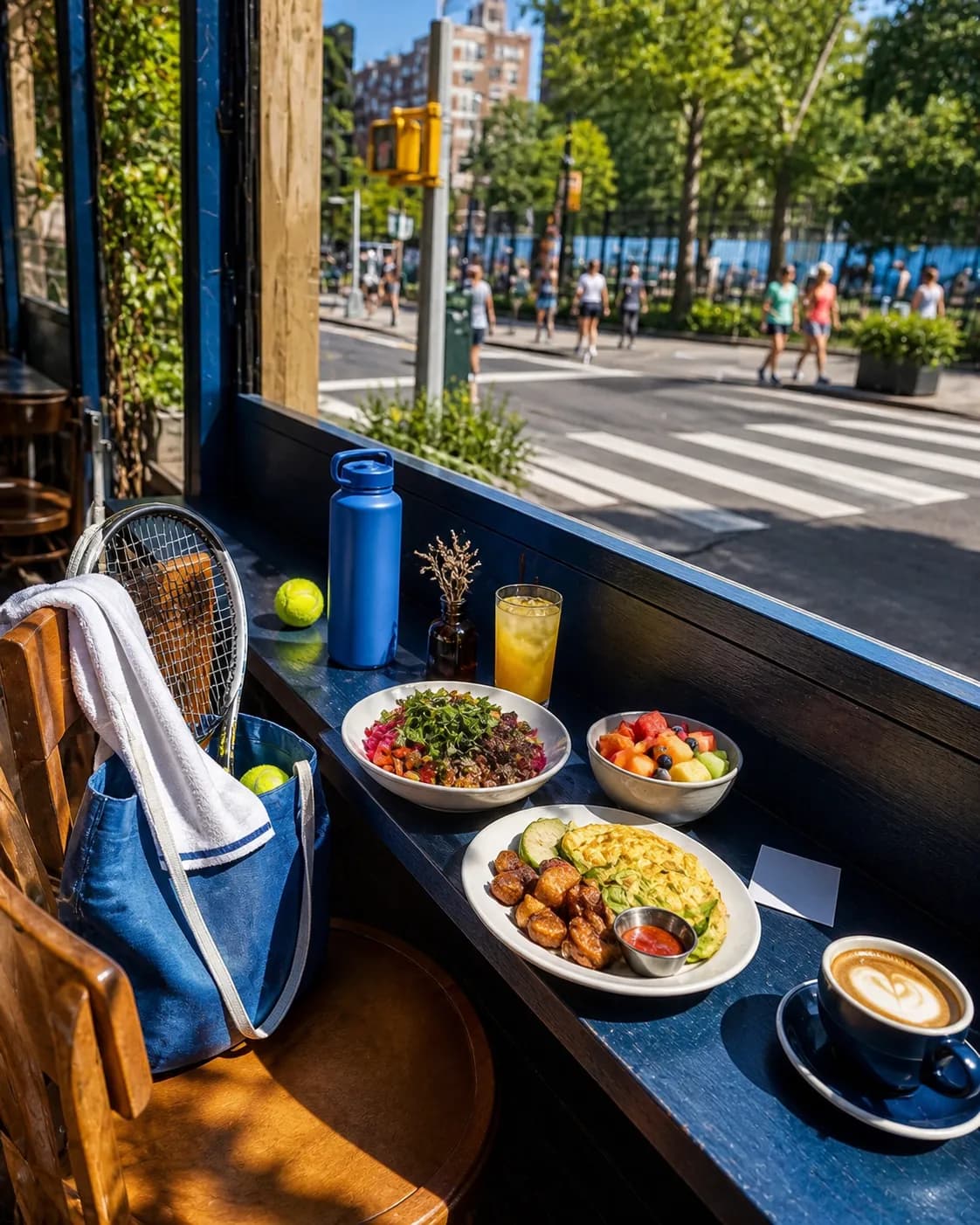
Queens is one of the most ethnically diverse counties in the United States, and the 7 train corridor reflects that richness. Jackson Heights offers Colombian, Ecuadorian, Tibetan, and Indian restaurants and bakeries within a few blocks of the 74th Street–Broadway station. Corona, one stop closer to the tennis center, is known for Mexican and Salvadoran spots, ice cream shops, and casual cafes. Flushing, at the eastern end of the 7, has one of the largest Chinatown communities outside Asia, with dim sum, hot pot, bakeries, and bubble tea shops open late.

Families can plan a meal stop before or after the match based on the session time and appetite. Morning sessions might pair with a Jackson Heights breakfast, while evening matches could end with Flushing night market-style snacks or a sit-down dinner. Because restaurant hours, menus, and wait times vary, checking business websites or calling ahead helps avoid surprises, especially on busy tournament weekends.
Timing Park Exploration Around Match Sessions
US Open sessions typically begin at the posted time for day sessions and the posted time for night sessions, though the official event schedule on usopen.org provides exact times for each day of the tournament. Arriving at Flushing Meadows two to three hours before your session gives families time to explore the park, visit a museum, or settle into a picnic spot without rushing through security lines. Post-match, the park remains running late only when current hours confirm it, and museums in the area often have evening hours on weekends.
If your group includes very young children or anyone who tires easily, consider a shorter park visit before the match and a low-key neighborhood stop afterward, rather than trying to pack in multiple museums and playgrounds in one day. The open-world appeal of Flushing Meadows and the 7 train corridor is that you can return for different combinations on different days—there's no single "correct" route, just the one that fits your family's energy and interests.
What to Carry and What to Leave Behind
The US Open enforces strict bag size and prohibited-item policies, detailed on the official prohibited-items guide. Bags larger than 12" x 12" x 16" are not permitted, and items like large umbrellas, selfie sticks, and outside food and beverages (except one sealed water bottle) are restricted. If you're planning park and museum stops before the match, consider using a locker service near the tennis center or packing only what you'll need inside the venue, leaving extra layers, snacks, and toys in a car or hotel room.
For post-match exploration, you'll have more flexibility to carry backpacks, strollers, and picnic supplies. Planning your carry strategy around the session time helps avoid gate delays and ensures you can move freely between park, museum, and neighborhood stops.
Karpo is an independent local-life publication. We are not affiliated with, endorsed by, or sponsored by the US Open, USTA, NYC Parks, MTA, Queens Museum, New York Hall of Science, Museum of the Moving Image, or any business, venue, or transit agency mentioned. All trademarks and event names belong to their respective owners. Always confirm hours, policies, schedules, and access with official sources before your visit.
Ask Karpo First
Tags: #USOpen2026 #Queens #FlushingMeadows #KarpoFinds #Karpo #jumanjiopenworld #NewYorkLocal #TennisTravel #NYCLocalLife #TennisTravel
Sources consulted: usopen.org — Official event schedule · usopen.org — Official visitor A-Z guide · usopen.org — Official transportation directions · usopen.org — Official prohibited-items guide · MTA — Official US Open transit guide · NYC Parks — Flushing Meadows Corona Park · Queens Museum · New York Hall of Science · Museum of the Moving Image
All trademarks are the property of their respective owners.
Ask Karpo first
Want to know what is actually open, how to time the trip, and where to pause around Queens? Ask Karpo for the latest public US Open context, a respectful visitor plan, and a live route around Flushing Meadows before you head out.