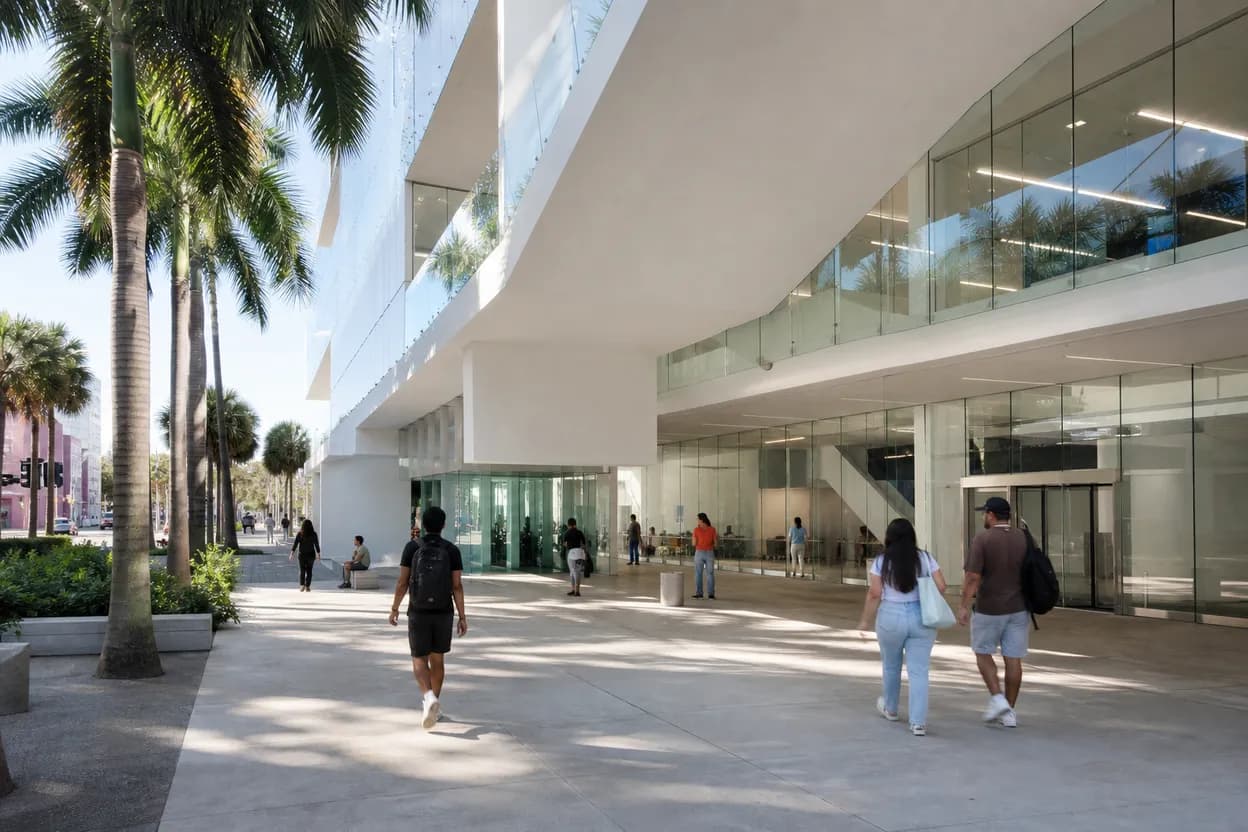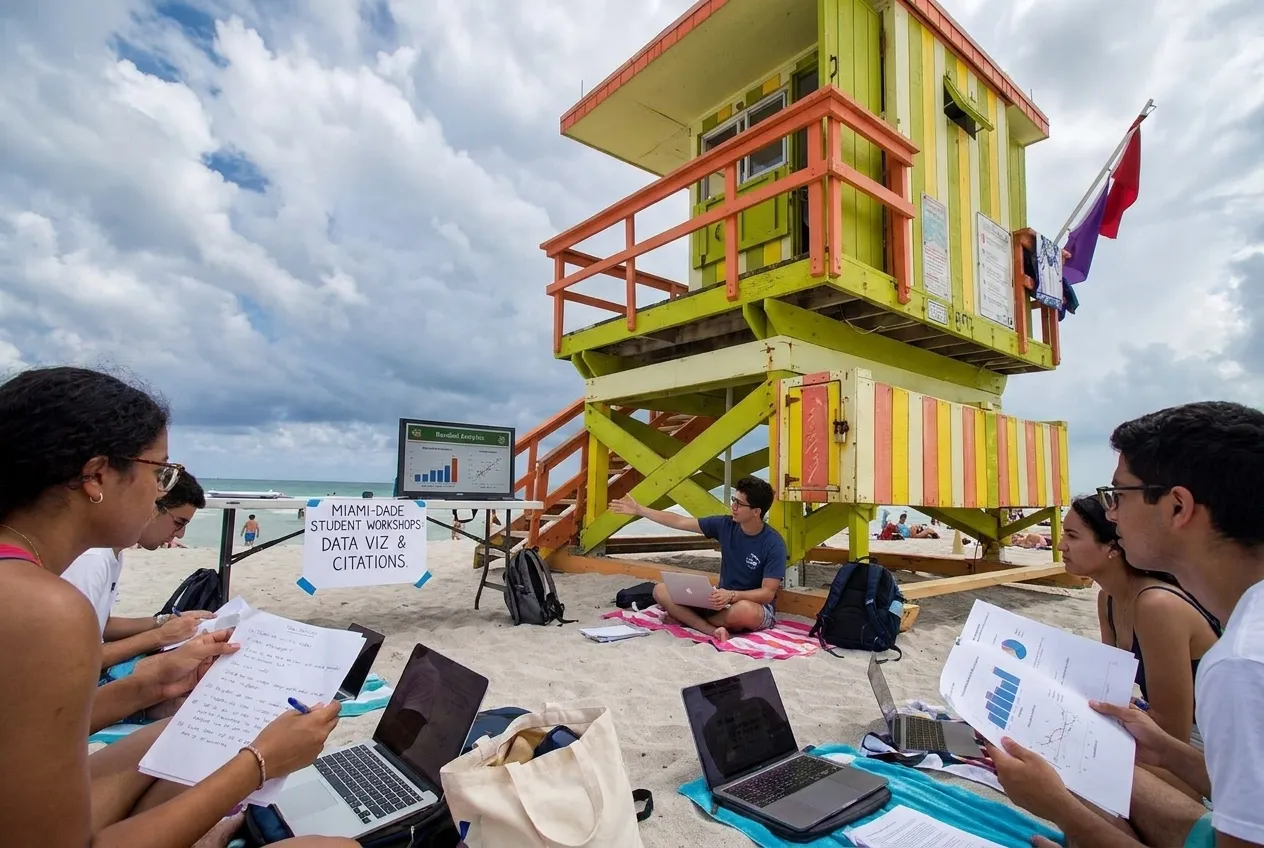
Students researching julio rodríguez career statistics and other baseball analytics often face a common challenge: they can gather impressive data but struggle to translate raw numbers into compelling visual presentations. As fall semester approaches, many Miami students working on sports analytics projects need practical help with chart design, color theory, software shortcuts, and proper citation formatting for statistical sources. Miami-Dade County's public library system and Parks, Recreation and Open Spaces Department host free workshops throughout late summer designed specifically for students building infographics, posters, and digital presentations. These sessions provide access to design software, expert instruction on visualization principles, and peer feedback opportunities—resources particularly valuable for students confident in their research abilities but less experienced with graphic design tools. Understanding which workshops match your skill level, what materials to bring, and how to verify current schedules can make the difference between a last-minute scramble and a polished project ready for academic review.
Tell us your project deadline, which stats you're visualizing, and whether you have design software access—we'll match you to two workshop sessions and include one online tutorial series as backup.

Workshop Types and Skill Level Matching
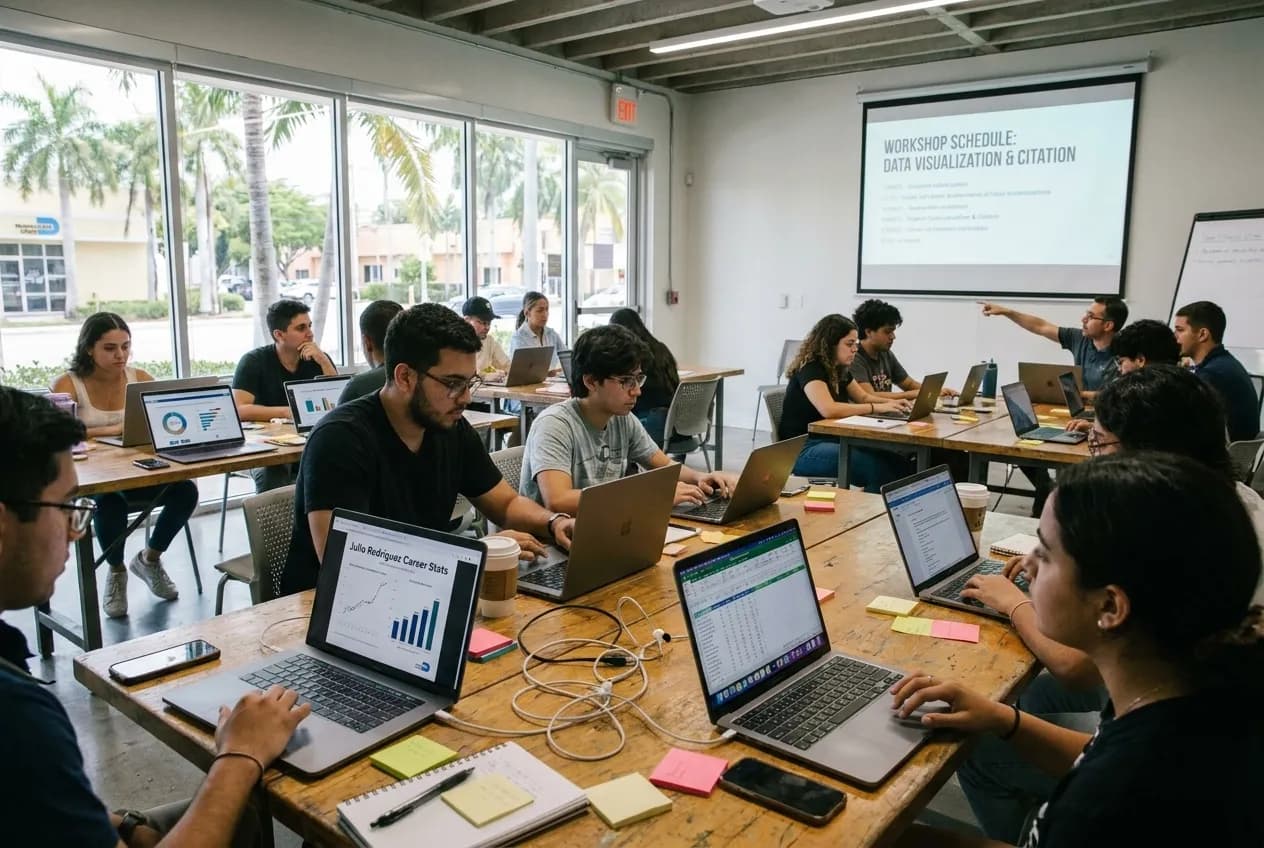
Miami-Dade public libraries typically offer technology training sessions covering popular design platforms like Canva, Microsoft Excel charting functions, and Google Sheets visualization tools. Students should verify current workshop offerings through the Miami-Dade Public Library System events calendar, as session topics rotate based on instructor availability and community demand. Beginner-level workshops usually focus on template customization, basic chart selection (bar graphs versus scatter plots for different data types), and exporting files in presentation-ready formats. Intermediate sessions may cover color accessibility standards, font hierarchy for statistical labels, and integrating multiple data sources into unified visual narratives. The tradeoff: beginner workshops provide more step-by-step guidance but may move slowly for students already comfortable with basic software navigation, while intermediate sessions assume familiarity with interface basics and spend more time on design theory.
Students working solo on baseball statistics projects like julio rodríguez career analysis benefit most from workshops that allocate time for individual practice rather than group projects. Check event descriptions for phrases like 'hands-on lab time' or 'bring your own data' which signal opportunities to work on your actual assignment rather than generic examples. Small project teams should look for sessions offering collaborative workspace and multiple computer stations, allowing partners to experiment with different visualization approaches simultaneously. The Miami-Dade Parks, Recreation and Open Spaces Department operates programs at over 200 park locations countywide, some offering computer labs with design software access—verify specific facility amenities by contacting individual recreation centers directly, as equipment availability varies significantly between locations.
Transportation and Timing Logistics for Late Summer Sessions
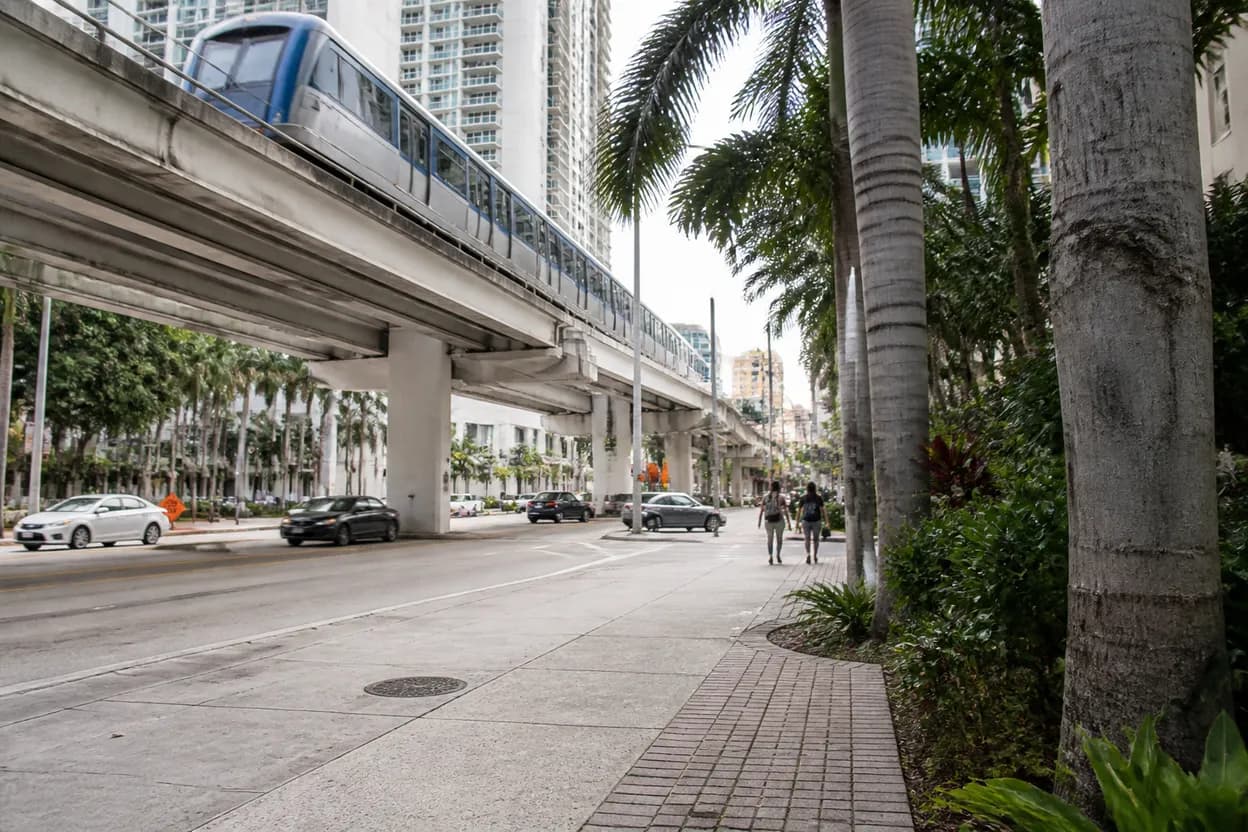
Late August workshops align well with back-to-school preparation schedules, but students must account for Miami's public transit realities when planning attendance. The free Metromover system operates 5:30 a.m. to 10 p.m. daily, serving downtown Miami, Omni, and Brickell areas with stations near Miami Dade College and other educational hubs. Students relying on Metromover should confirm their destination library or recreation center falls within the service area—the system covers 21 stations across three loops (Inner, Omni, Brickell) but does not extend to all county neighborhoods. For locations outside Metromover coverage, Miami-Dade Transit's Metrobus network provides broader reach, though travel times increase compared to rail options. The tradeoff: workshops at downtown library branches offer easier transit access but may fill quickly due to central location convenience, while neighborhood recreation centers require more complex travel planning but often have greater seat availability.
Evening workshop sessions (typically 6-8 p.m. based on common library programming patterns) accommodate students with daytime jobs or classes, but verify that your return transit aligns with Metromover's 10 p.m. service end time. Students driving should check whether their chosen facility offers parking and whether permits or fees apply—Miami-Dade Parks locations generally provide free parking, but availability varies by site. Plan to arrive 15 minutes early for first-time attendance to locate the correct room, sign in if required, and set up materials. Bringing your own laptop ensures familiarity with your device's software versions and file organization, though many workshops provide computers—confirm equipment policies when registering, as some sessions require advance notice if you need a provided workstation.
Citation Standards for Sports Statistics Sources
Academic projects using baseball statistics require proper attribution regardless of how visually polished the infographic appears. Students should seek workshops that address citation formatting for statistical databases, sports reference websites, and official team records—a component often overlooked in general design training but critical for back-to-school assignments. Different academic disciplines follow varying citation styles (APA for social sciences, MLA for humanities, Chicago for history), so verify which standard your course requires before the workshop. Some library sessions specifically cover citation management tools like Zotero or Mendeley, which help organize sources as you collect data rather than reconstructing references later. The tradeoff: spending workshop time on citation mechanics reduces hands-on design practice, but prevents academic integrity issues that can derail otherwise strong projects.
When creating infographics about player statistics, students must distinguish between data requiring citation (career batting averages, specific game performances) and general baseball knowledge (rule explanations, position definitions). Workshop instructors with library science backgrounds typically provide clearer guidance on this distinction than pure design trainers. For collaborative projects, establish a shared citation document early so all team members record sources consistently—workshops offering cloud storage orientation (Google Drive, OneDrive) help teams maintain synchronized reference lists. Students uncertain about citation requirements for visual elements like charts and graphs should bring their course syllabus or assignment rubric to the workshop for instructor review, as expectations vary significantly between professors and departments.
Peer Feedback Sessions and Revision Strategies
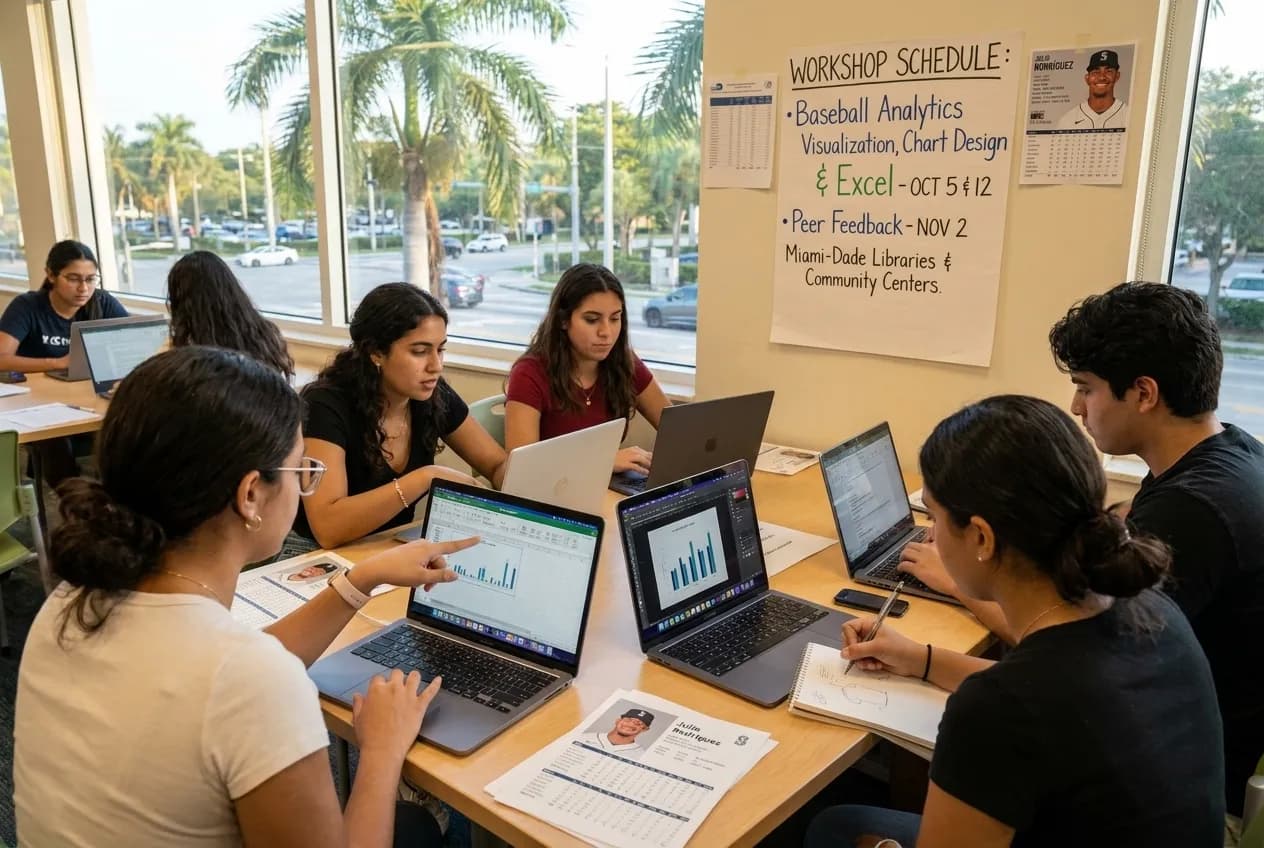
Many Miami-Dade library workshop series include optional peer review sessions scheduled one to two weeks after initial design training, allowing students to return with draft infographics for group critique. These feedback sessions provide valuable perspective on whether your visual hierarchy communicates clearly to viewers unfamiliar with your specific data—a test difficult to conduct alone. Effective peer review requires bringing printed drafts or having digital files ready to display, plus specific questions about elements causing uncertainty (color contrast, label placement, chart type selection). The tradeoff: peer feedback adds another time commitment to your schedule and requires vulnerability in sharing unfinished work, but catches confusing design choices before final submission that might cost assignment points.
Students should approach peer sessions with concrete revision questions rather than general 'what do you think' requests. For example: 'Does the timeline sequence read clearly left-to-right?' or 'Can you identify the three highest statistical values within five seconds?' yields more actionable feedback than open-ended opinions. Workshop facilitators often provide structured critique frameworks to keep feedback constructive and time-efficient when multiple students need review time. Solo workers benefit from peer sessions by gaining audience perspective they cannot generate independently, while small teams can test whether their collaborative vision translates clearly to outside viewers. Take notes during feedback discussions and photograph any hand-drawn suggestions on printed drafts—details fade quickly once you leave the session, and specific revision guidance becomes harder to reconstruct from memory alone.
Software Access Beyond Workshop Hours
A single two-hour workshop rarely provides sufficient time to complete a polished infographic from start to finish, making post-session software access essential for project completion. Miami-Dade public libraries offer computer workstations with design software during regular operating hours, though availability varies by branch and time of day—call ahead to confirm specific software installations and whether reservations are required. Students without home access to paid design tools like Adobe Creative Suite should verify which free alternatives (Canva, GIMP, Inkscape) the library systems support, as file compatibility issues arise when switching between programs mid-project. The tradeoff: library computers provide free software access but limit your work schedule to facility hours and may restrict file storage options, requiring USB drives or cloud uploads to preserve progress between sessions.
Some Miami-Dade Parks recreation centers with computer labs extend access to program participants beyond scheduled workshop times, but policies vary by location and require verification with individual facility staff. Students should establish a file backup routine immediately—cloud storage (Google Drive, Dropbox) prevents catastrophic loss if library computers experience technical issues or your personal device fails. When working on shared computers, remember to log out of all accounts and delete cached files containing your project data, as public workstations do not guarantee privacy for saved materials. For students needing extended design time, combining workshop instruction with home practice using free software versions creates the most flexible schedule, even if the free tools offer fewer advanced features than workshop demonstration versions.
Tags: #Miamistudentresources #infographicdesignworkshops #baseballstatisticsvisualization #backtoschoolpreparation #MiamiDadelibraries #datavisualizationtraining #freedesignsoftwareaccess #academicprojecthelp #sportsanalyticspresentation #citationformattingworkshops #CanvatrainingMiami #peerfeedbacksessions #Excelchartdesign #studenttechnologyworkshops #Miamipublictransitaccess
Sources consulted: Source 1: miamidade.gov · Source 2: miamidade.gov · Source 3: mdpls.org · Source 4: miamibeachfl.gov
All trademarks are the property of their respective owners.
Ask Karpo first
Ask Karpo to turn this Miami idea into a current plan for your date, budget, companion, transit preference, and energy level. Karpo can narrow the route and flag what to verify before you go.