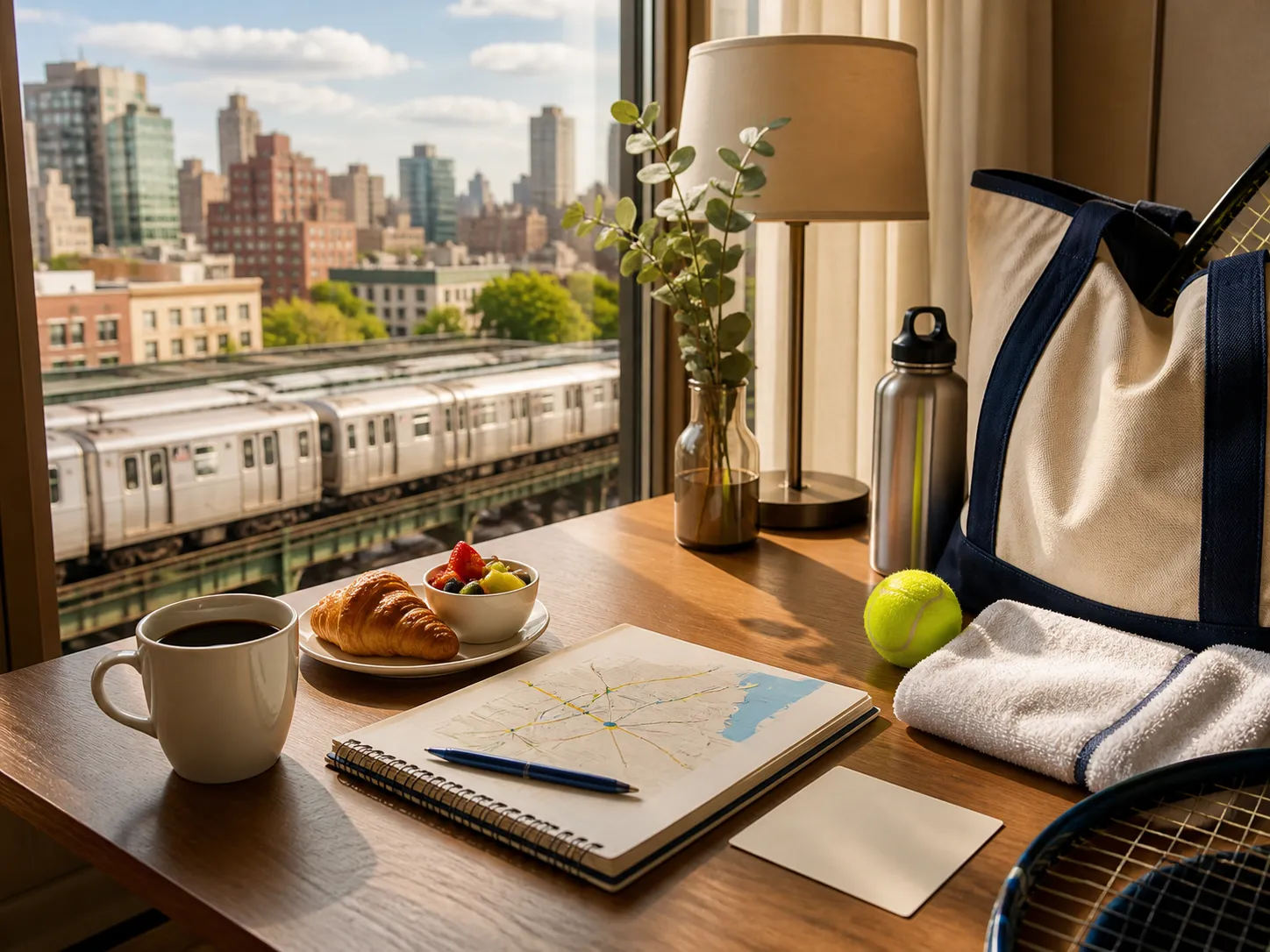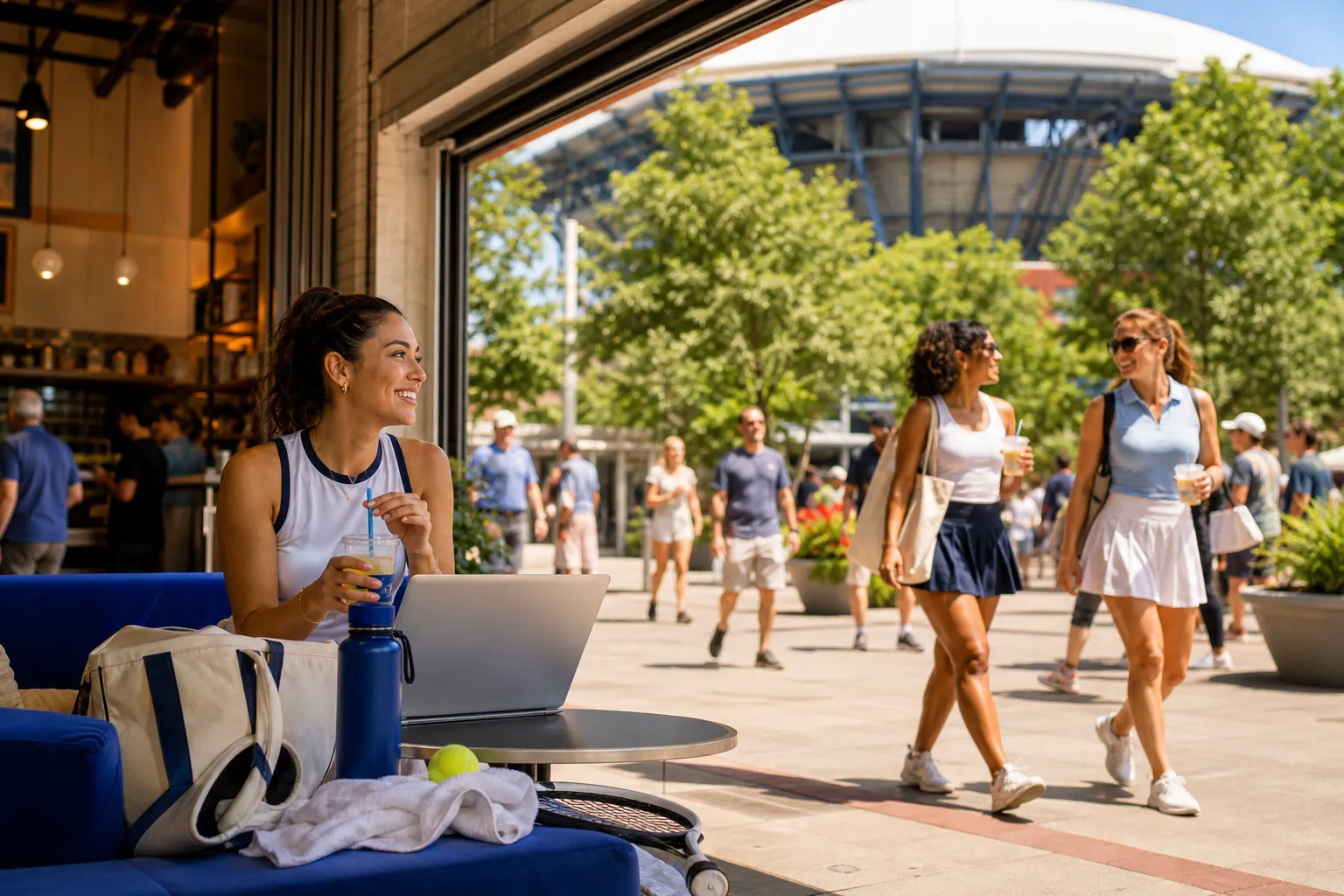
Jrue Holiday's reputation as one of basketball's most intelligent defenders rests on positioning, anticipation, and energy management—principles that translate surprisingly well to planning a US Open visit in Queens. Whether you're riding the 7 train to Flushing Meadows Corona Park for a day session or navigating the grounds between Arthur Ashe Stadium and the outer courts, thinking like a disciplined defender helps you stay ahead of crowds, secure better sightlines, and pace your energy across hours of live tennis. The 2026 US Open runs late August through early September, and applying a basketball defense lens to your visit means treating the tournament like a multi-quarter game: know when to press, when to rotate, and when to rest.
Text Karpo with your US Open session time and Queens starting point, and we’ll turn this basketball defense lens for tennis viewing into a practical local plan.
Positioning: Early Arrival and Court Selection
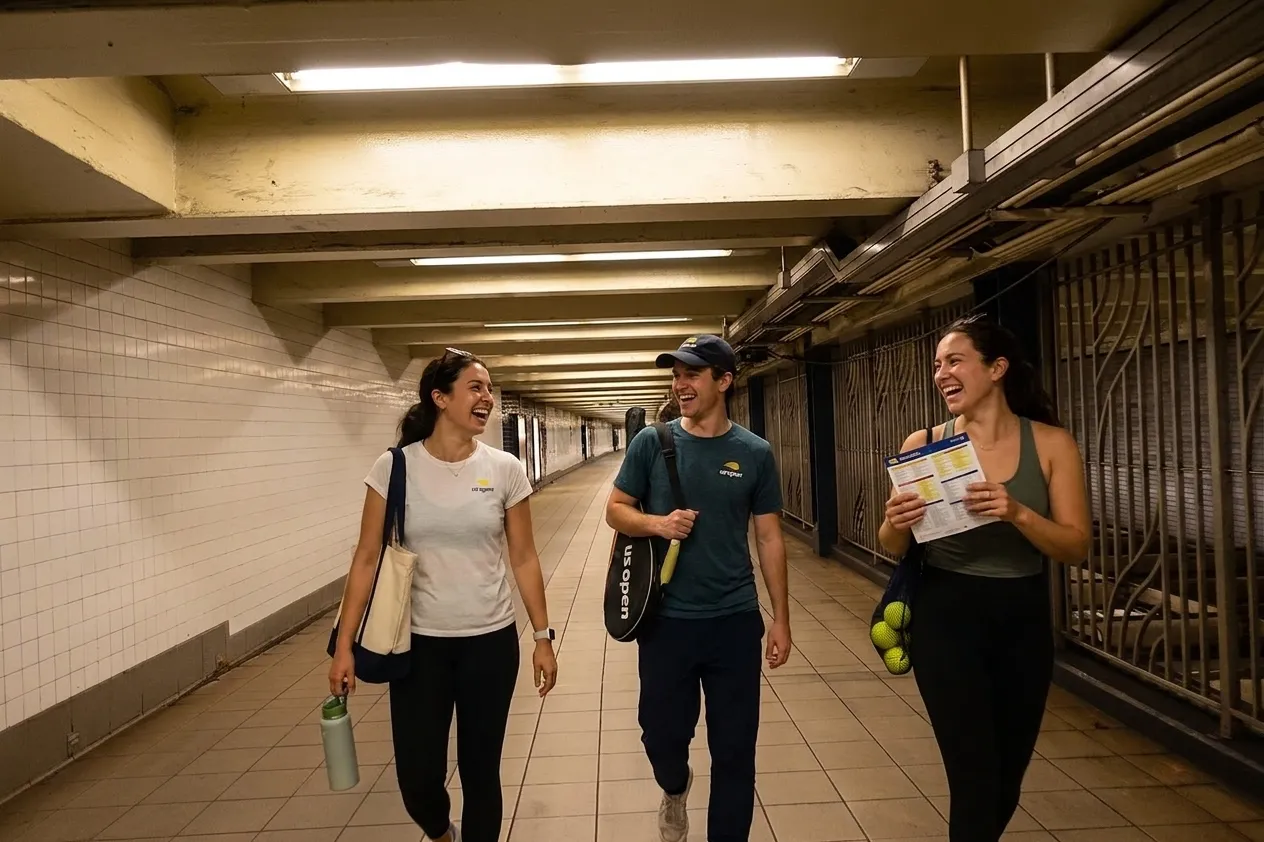
Holiday's defensive success begins with positioning—being in the right place before the play develops. For the US Open, that means arriving early and choosing your courts strategically. The official US Open event schedule at usopen.org lists session start times, typically 11 a.m. for day sessions and 7 p.m. for night sessions, but gates open an hour earlier. The 7 train from Manhattan or western Queens drops you at Mets–Willets Point, a short walk to the grounds, and the MTA's official US Open transit guide at new.mta.info recommends adding buffer time during peak hours. Positioning yourself near the outer courts—Courts 4 through 17—early in the day gives you close-up views of rising players and less crowded seating, much like a defender sagging off-ball to help before the drive begins.
Grounds passes grant access to all outer courts, the Grandstand, and Louis Armstrong Stadium (when not at capacity), so your positioning strategy should prioritize flexibility. Check the daily order of play the night before or morning of your visit on usopen.org, identify two or three matches you want to catch, and map a rotation that minimizes backtracking across the 46-acre Billie Jean King National Tennis Center. The official visitor A-Z guide at usopen.org offers a detailed site map and amenities list to help you plan your defensive rotations.
Anticipation: Reading Crowd Flow and Session Timing
Holiday's anticipation—reading the offense before it unfolds—translates to understanding crowd patterns and session rhythms at the US Open. Day sessions swell between noon and 3 p.m. as casual fans arrive; night sessions see the heaviest foot traffic between the posted timeand 8 p.m. If you're planning to eat on-site, anticipate lines at food vendors peaking during changeovers and between matches. The official prohibited-items guide at usopen.org notes that outside food is restricted, so budget time and appetite for on-grounds dining. Anticipating these surges lets you move counter to the crowd—grabbing lunch at the posted time or the posted time, visiting popular courts during off-peak windows, or securing Grandstand seats before the marquee match begins.
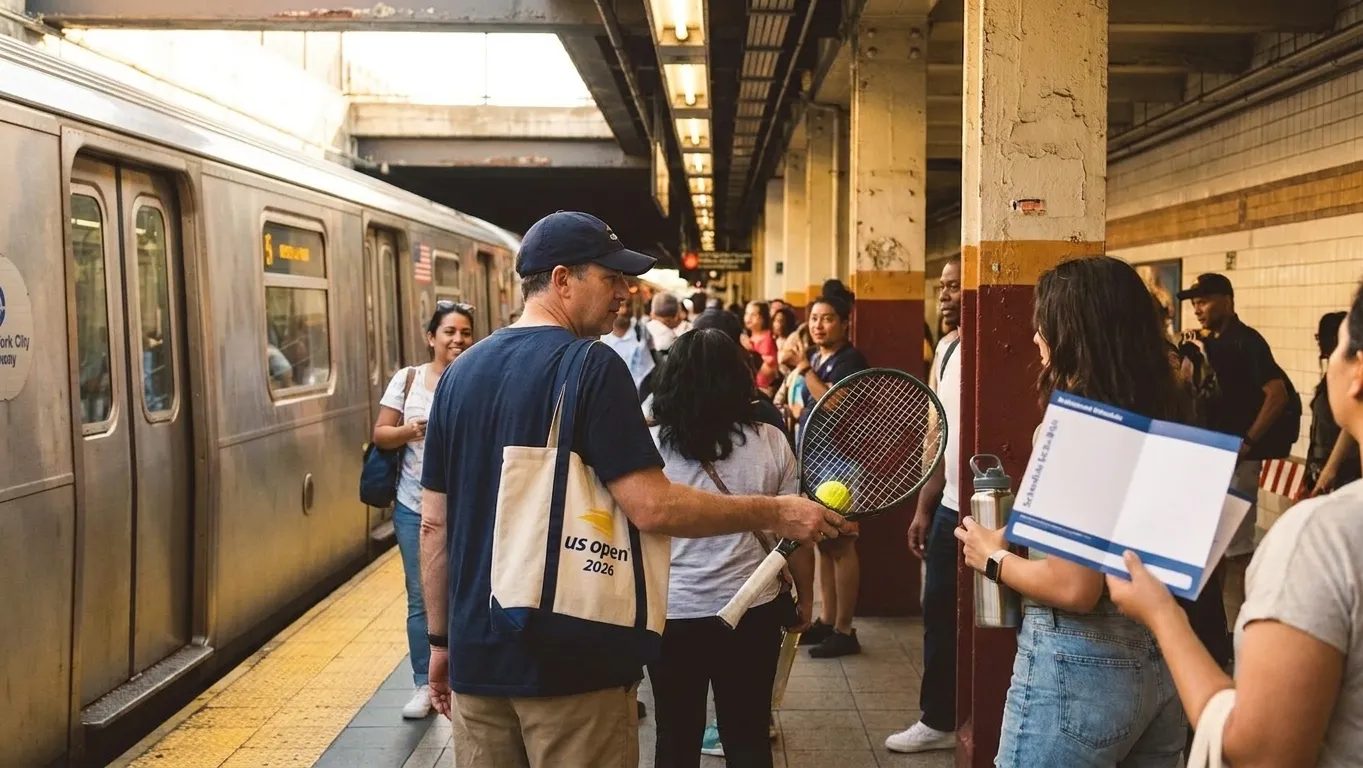
Anticipation also means checking real-time match progress. Matches don't run on fixed schedules—a straight-sets rout finishes faster than a five-set epic—so stay flexible and ready to rotate to your next court when a match you're watching winds down. The US Open app and on-site scoreboards provide live updates, helping you anticipate when to move, much like a defender reading the point guard's eyes before the pass.
Energy Management: Pacing Your Day Across Sessions
Holiday's defensive stamina comes from pacing—knowing when to expend energy and when to conserve. A full US Open day session can stretch six or seven hours, and a night session often runs past midnight during deep tournament rounds. Wear comfortable shoes, bring a hat and sunscreen for day sessions, and plan rest intervals. The grounds include shaded seating areas, lawns, and the South Plaza, where you can sit, hydrate, and regroup between matches. The official transportation directions at usopen.org remind visitors that re-entry is not permitted, so once you're in, you're in—manage your energy accordingly.
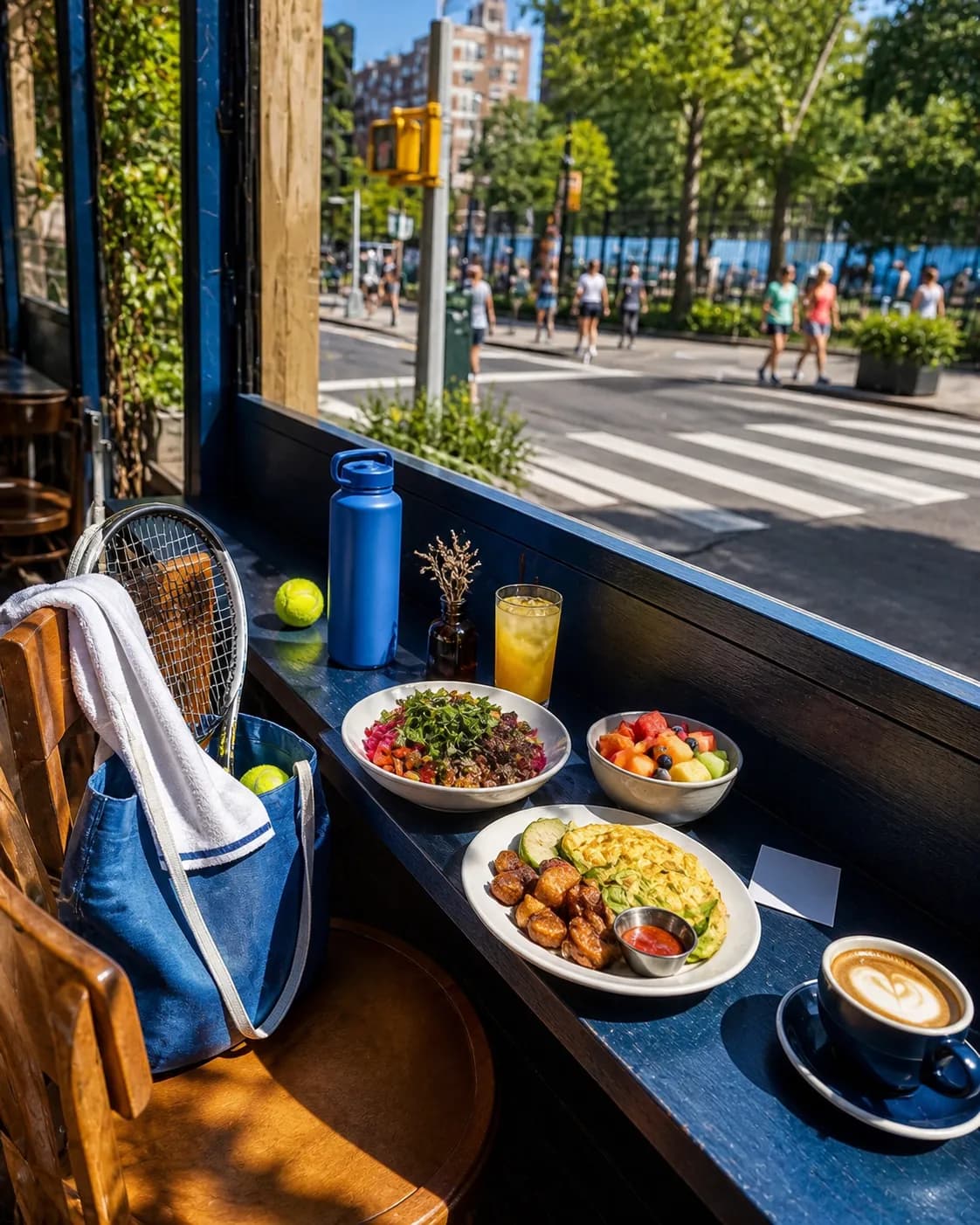
If you're staying in Queens, consider a mid-afternoon break strategy: catch morning matches, leave for a late lunch in Flushing or Corona, then return for an evening session if you have a separate ticket. This two-session approach mirrors a defender playing heavy minutes in the first and third quarters but resting in the second. Flushing's Main Street and Roosevelt Avenue offer quick, energizing meals—dumplings, tacos, banh mi—within a short walk or subway stop from the grounds, though confirming current business hours and menus close to your visit is always wise.
Help Defense: Navigating Crowds and Lines
Help defense in basketball means rotating to support a teammate under pressure. At the US Open, help defense means knowing when to adjust your plan based on crowd density and wait times. If Armstrong Stadium is at capacity, rotate to an outer court where you can walk right in. If the main food plaza is jammed, try vendors near the practice courts or the smaller kiosks by Court 17. The official visitor A-Z guide at usopen.org lists all food and beverage locations, restrooms, and first-aid stations, giving you a mental map for quick rotations when your primary plan hits resistance.
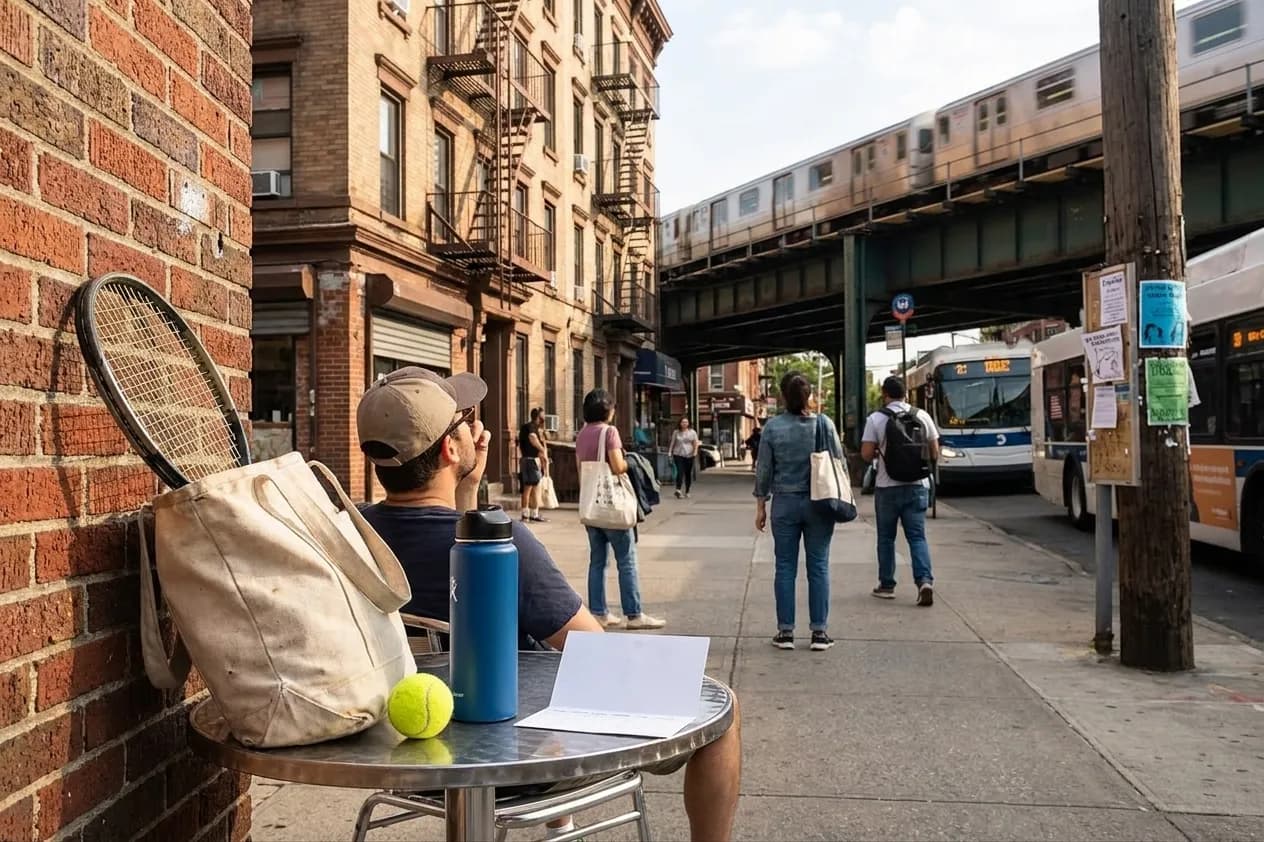
Help defense also applies to your travel plan. The 7 train is the primary route, but the Long Island Rail Road's Port Washington Branch stops at Mets–Willets Point as well, offering an alternative if subway service is disrupted. The MTA's official US Open transit guide at new.mta.info details both options and recommends checking service alerts on the day of your visit. Having a backup route is the transit equivalent of a weak-side rotation—you're ready to help before the problem becomes a crisis.
Transition Defense: Moving Between Matches and Courts
Transition defense is about getting back quickly and setting up before the opponent attacks. At the US Open, transition means moving efficiently between matches and courts without losing your rhythm. When a match ends, the crowd surges toward exits or the next featured court—use that moment to move laterally to a less-trafficked court or secure a seat at your next destination before the rush. Walking the perimeter paths rather than the central corridors often saves time and stress, much like a defender sprinting back through the lane rather than trailing the play.
Transition also applies to your arrival and departure. Arriving via the 7 train during the morning or early afternoon is smoother than arriving right at session start, and departing before the final match ends avoids the post-session crush. If you're planning to explore Flushing Meadows Corona Park before or after your session—the park's Unisphere, Queens Museum, and meadows are detailed at nycgovparks.org—build that into your transition plan so you're not rushing or backtracking.
Defensive Rebounding: Securing Seats and Sightlines
Rebounding is about effort, positioning, and timing—skills that apply directly to securing good seats at the US Open's general-admission courts. Outer courts operate on a first-come, first-served basis, and the best sightlines go to those who arrive early and position themselves near court entrances between matches. When a match ends and spectators leave, be ready to move in quickly and claim a seat with a clear view. This is your defensive rebound—anticipating the opportunity, boxing out the competition, and securing the asset.
For reserved seating in Arthur Ashe, Armstrong, or the Grandstand, your "rebound" is simply arriving at your seat early enough to settle in, orient yourself, and enjoy the pre-match atmosphere. The official US Open site at usopen.org provides seating charts and tips for each venue, helping you understand your sightlines before you arrive.
Practical Notes for Your Defensive Game Plan
- Check the official event schedule and order of play at usopen.org the night before your visit to map your court rotations.
- Arrive at least an hour before your session starts to secure good positioning on outer courts and avoid entry lines.
- Use the MTA's official US Open transit guide at new.mta.info to plan your 7 train or LIRR route and check for service alerts on game day.
- Review the prohibited-items guide at usopen.org before packing—large bags, outside food, and certain personal items are restricted.
- Pace your energy with rest breaks in shaded areas, hydration stations, and strategic meal timing to avoid peak food-vendor lines.
- Confirm current hours, menus, and availability for any Flushing or Corona restaurants you plan to visit before or after your session.
- Explore Flushing Meadows Corona Park's Unisphere, Queens Museum, and meadows if you have time before or after tennis—details at nycgovparks.org.
- For food safety and vendor information, NYC Health's food operators page at nyc.gov/site/doh/business/food-operators.page offers general guidance, though on-site vendors are managed by the tournament.
jrue holiday, us open tennis, flushing meadows corona park, queens new york, 7 train, basketball defense strategy, us open planning, tennis viewing tips
US Open® is a registered trademark of the United States Tennis Association. Karpo is not affiliated with or endorsed by the USTA, the US Open, the MTA, NYC Parks, or any businesses mentioned in this article.
Tags: #USOpen2026 #Queens #FlushingMeadows #KarpoFinds #Karpo #jrueholiday #NewYorkLocal #TennisTravel #NYCLocalLife #TennisTravel
Sources consulted: usopen.org — Official event schedule · usopen.org — Official visitor A-Z guide · usopen.org — Official transportation directions · usopen.org — Official prohibited-items guide · MTA — Official US Open transit guide · NYC Parks — Flushing Meadows Corona Park · NYC Tourism — Queens · NYC Health — Food Safety
All trademarks are the property of their respective owners.
Ask Karpo first
Want to know what is actually open, how to time the trip, and where to pause around Queens? Ask Karpo for the latest public US Open context, a respectful visitor plan, and a live route around Flushing Meadows before you head out.