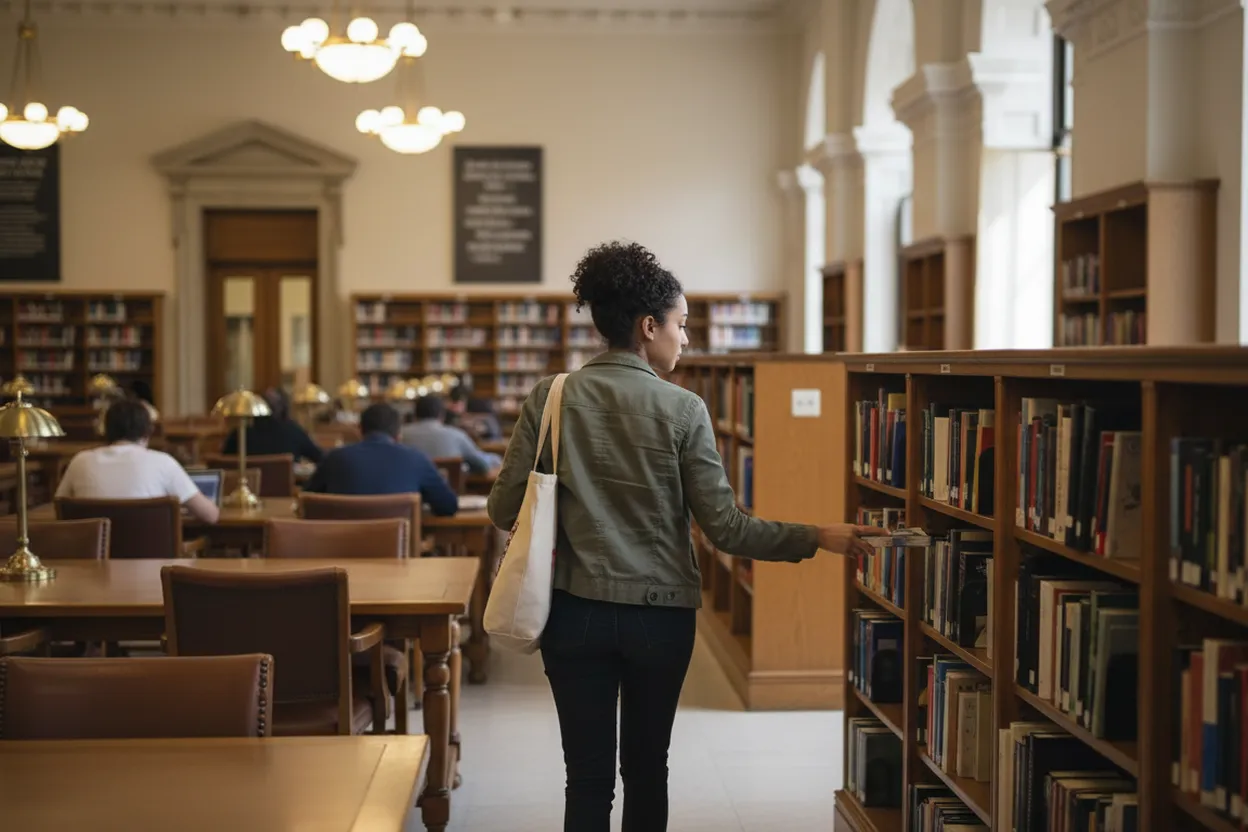
When john thune is trending, the useful NYC move is not to argue from a headline. It is to slow the story down, identify the claim, and check it against records you can actually trace. New York’s public libraries are built for that kind of work: databases for news and journals, public computers, librarians, civic calendars, and quiet rooms where a solo reader can compare sources without a feed deciding the order. This guide is for New Yorkers who want to understand a federal policy story, connect it to voting decisions, and avoid treating a viral clip as a complete civic education plan.
Want a low-noise route for checking Senate news before you vote or share it? Text Karpo for a library-first civic research plan matched to your borough and schedule.

Start at NYPL Online Resources Before Reading Commentary
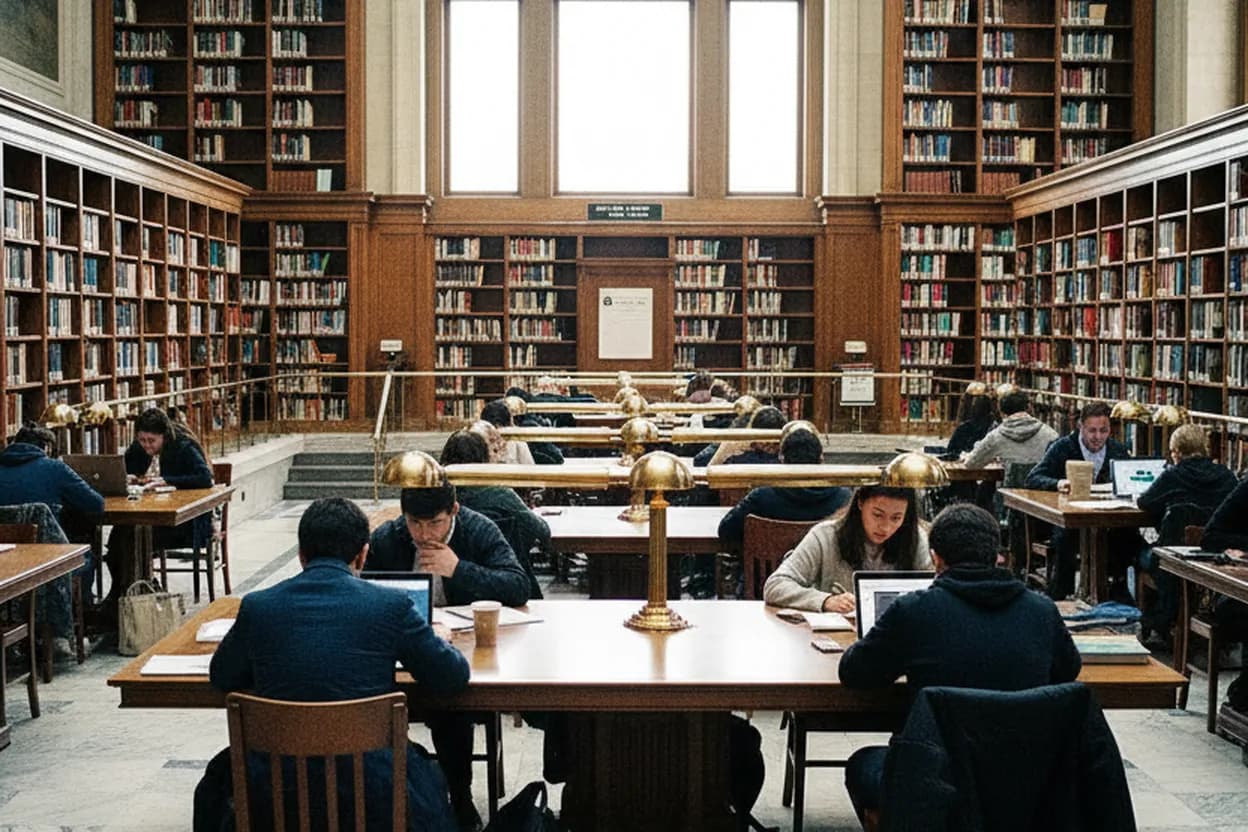
NYPL’s online resources and databases page is the cleanest first stop if you live, work, attend school, or pay property tax in New York State and can use a library card. Start with newspaper, magazine, journal, and research catalog tools before opening opinion pages. The practical advantage is pace: you can search a claim, find coverage across outlets, and separate a politician’s stated position from later interpretation. The tradeoff is that some databases require card login, so test access before you set aside a focused hour.
Use NYPL as a verification workspace, not a verdict machine. Search the exact bill name, committee, date, and quotation if you have them. If you only have a social post, write down what it alleges and look for a primary record or a reputable news report that names the source. Failure mode: stopping at a headline because it confirms what you expected. Backup logic: if one database blocks you, use the Research Catalog, ask a librarian, or switch to a branch computer where access may be easier.
Use Schomburg for Historical Context, Not Instant Takes
The Schomburg Center for Research in Black Culture at 515 Malcolm X Boulevard is a stronger fit when the policy question touches civil rights, voting access, representation, Black political history, or public institutions. NYPL lists regular hours as Monday through Saturday, 10 AM to 6 PM, with Sunday closed, but hours and exhibition access should be checked the same day. This is a medium-difficulty stop: rewarding for careful readers, less useful if you need a ten-minute answer between errands.
The accessibility benefit is that NYPL identifies its research centers as fully accessible, and the Schomburg page flags a current rule that e-bikes, e-scooters, and electronic transportation devices are not permitted inside NYPL locations, except mobility aids. That matters if you arrive by micromobility. Best pacing: choose one research question and one historical comparison, then stop. If a program, reading room appointment, or exhibition closure affects your plan, make the verification itself the decision point rather than forcing the visit.
Check Brooklyn Public Library Civic Engagement for Live Questions
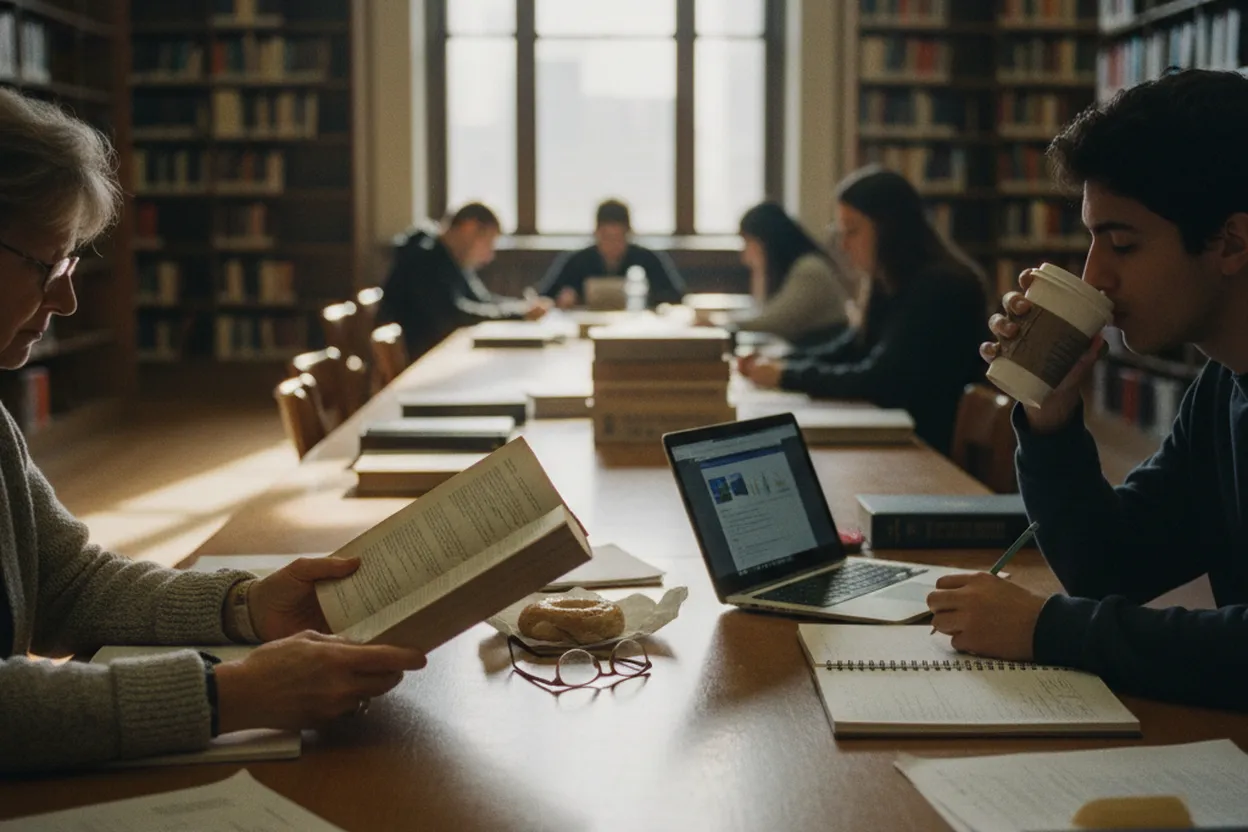
Brooklyn Public Library’s Civic Engagement page is useful when the story has moved from private reading to public questions. BPL describes civic events, educational programs, resources from elected officials, and community partners, and it points readers to NYC Votes for election resources. As of the page I reviewed, listings included tabling, office hours, neighbor conversations, and constituent help. Do not assume every listing is about federal policy; scan the event description before traveling.
This is best for people who learn through conversation but still want boundaries. Bring one question, such as how a federal issue connects to city services, voting deadlines, or your district office. The failure mode is showing up to a benefits or local services session expecting a Senate debate. Backup: if the event is not aligned, use the branch visit for computer access, printing, or source gathering, then move the discussion to a more appropriate civic forum.
Use BPL Civic Commons When Access and Services Matter
BPL’s Civic Commons at Central Library has its own Flatbush Avenue entrance and is described by BPL as a hub for organizations and services that support participation in public life. It includes the IDNYC office, Computer Center, and Community Partner Office, with seating, WiFi, and waiting amenities. For a New Yorker trying to understand a policy story while also handling documents or account access, that combination is practical rather than decorative.
The tradeoff is that Civic Commons is a service space, not a guaranteed policy seminar. IDNYC applications are by appointment only, and public computers, scanners, printers, or partner availability can become the real constraint. Use it when you need infrastructure: printing a voter form, checking official websites, saving articles, or preparing questions for an elected official’s office hours. If the room is busy, shift to a standard reading area or another branch instead of trying to complete sensitive research in a crowded queue.
Reserve BPL Presents Seats Only After Reading the Event Rules
BPL Presents can be a strong civic education option when historians, authors, or public affairs speakers are on the calendar. The official reservation policy says BPL Presents programs at the Dweck Cultural Center are free unless otherwise noted, and reservations are required for most adult programs. Reserved seats are first-come, first-served, and unclaimed reservations may be released fifteen minutes before start time. That changes your arrival math.
This is where pacing matters most. If a democracy, law, history, or media discussion matches your question, reserve early and arrive early enough to handle security, seating, and the possibility of overflow. Accessibility information is available through BPL Presents, and the Dweck Center is identified as accessible. Failure mode: treating a reservation like an assigned seat. Backup: if you miss seating, use the event listing to identify the speaker, book, or topic, then borrow or research the materials afterward.
Use Queens Public Library Digital Tools for a Quieter Backup
Queens Public Library’s digital services are a practical fallback if Manhattan or Brooklyn branches are inconvenient. QPL says members can use digital media services for eBooks, eMagazines, music, videos, and other online materials, and its card page references access to research databases, e-journals, digital media, and downloads. For a solo reader tracking a fast national story, the value is simple: you can keep researching without making a cross-borough trip.
The limitation is that digital access is only as good as your card, PIN, device, and patience with login screens. QPL’s eCard page says New York State eligibility applies, while non-New York State residents are directed to a paid annual account. Verify your eligibility and access before depending on it for deadline-sensitive work. If a database does not load, switch to QPL’s app, ask-a-librarian options, or a physical branch where staff can help with account problems.
Close With NYC Votes and the Original Senate Sources
After reading coverage, finish with official election and office sources. NYC Votes lists the 2026 general election change-of-address deadline as October 19, voter registration and online or mail ballot request deadlines as October 24, early voting from October 24 through November 1, and General Election Day as November 3, 2026. Those dates matter because federal news should eventually connect to voter eligibility, ballot timing, and whether you need to update information.
For the policy side, compare articles against Senator John Thune’s official biography and policy pages, which identify his current role, committees, and issue categories. Official pages are not neutral analysis, but they are useful for stated positions and office framing. Final verification step: before leaving home, reopen the library event page, branch page, NYC Votes deadline page, and any Senate source you plan to cite. If any key fact cannot be confirmed that day, do not share it as settled.
Tags: #AskKarpo #BeforeYouGo #JohnThune #NYCVotes #NYPL #BrooklynPublicLibrary #QueensPublicLibrary #CivicEngagement #VoterEducation #MediaLiteracy #PublicLibraries #NYCNews #Election2026 #WeekendPlans
Sources consulted: Source 1: nypl.org · Source 2: nypl.org · Source 3: bklynlibrary.org · Source 4: bklynlibrary.org · Source 5: bklynlibrary.org · Source 6: nycvotes.org
All trademarks are the property of their respective owners.
Ask Karpo first
Tell Karpo your date, group size, budget, and starting neighborhood. We’ll check current access, timing, transit, and the cleanest plan for NYC Public Libraries before you head out.