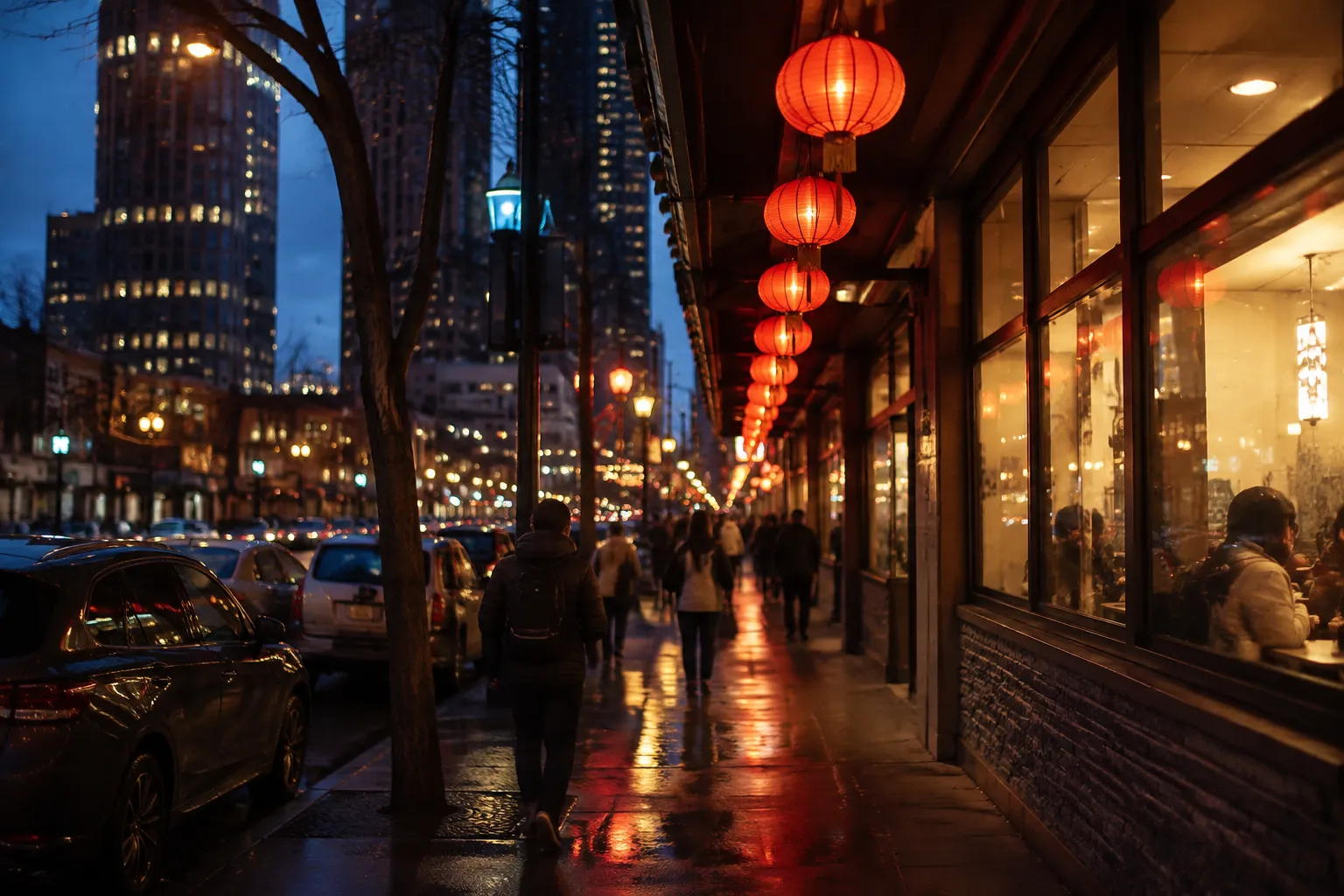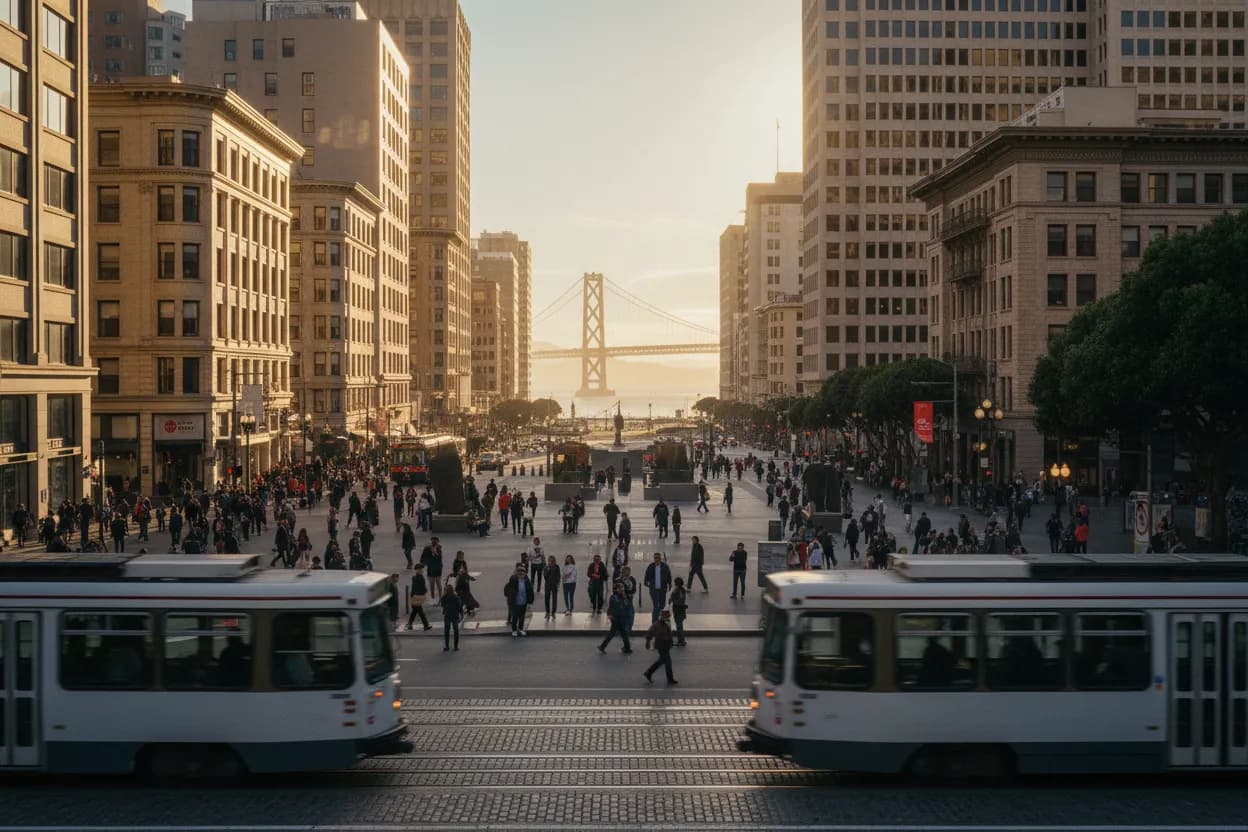
A useful San Francisco restaurant night does not start with a rumor, a celebrity sighting, or a screenshot. It starts with verification. The phrase john goodman may be why people are searching today, but it should not become an excuse to claim a local appearance, an endorsement, or private access that has not been officially announced. Treat it as a timely dinner-table hook, then build a public plan you can actually execute: pick a room that fits your group, check the restaurant’s own hours, review city food-safety information where available, use SFMTA tools for transit and access, watch live alerts, and keep a second stop close enough that a long wait does not wreck the night.
Want a San Francisco restaurant plan checked before you leave? Text Karpo with your neighborhood, group size, timing, mobility needs, and backup tolerance.

Use the trend as a dinner conversation hook
If someone brings up john goodman while planning dinner, keep the conversation fun and factual. The hook can help a group agree to meet, but it should not be treated as evidence that a public figure is in San Francisco, connected to a restaurant, expected at an event, or endorsing any place. A good city guide separates the reason people are curious from the facts needed to make a real plan.
For restaurants, the practical facts are plain: where you are meeting, whether the business is open when you intend to arrive, whether the room suits the group, and how you will get there without guessing. San Francisco’s Department of Public Health says it helps make sure food in the city is safe for the public through food safety education, inspection, permitting, and other measures. That makes official health information part of the planning process, not an afterthought.
Set one rule before anyone gets attached to a venue: no plan is final until it is checked on official or primary sources. A restaurant’s own page should answer hours and reservation questions. City health resources can help with food-safety context. SFMTA can help you decide whether transit, walking, biking, driving, or parking is realistic that evening.
Choose the room before choosing the menu
San Francisco dining plans often fail because the group picks food before it picks the room. A tiny counter, a loud bar, a reservation-only dining room, and a market stall can all be excellent, but they solve different problems. First decide whether the night needs seated conversation, fast ordering, wheelchair-aware routing, kid tolerance, late arrival flexibility, or a short walk from transit. Only then should the menu matter.
This is also where verification protects the group from hype. Do not assume a restaurant can seat six just because it looks casual online. Do not assume a popular counter has the same hours every day. Do not assume an accessible entrance, elevator path, or nearby stop is available without checking. SFMTA’s site includes accessibility information and a Muni Metro Elevator Status resource, so a transit-dependent plan should include an access check before departure.
For a practical evening, assign roles. One person confirms the restaurant’s current hours or reservation status on the restaurant’s official channel. One person checks SFMTA’s trip planner for the route. One person looks for city health-score or food-safety information when relevant. That division keeps the plan grounded and reduces the chance that everyone is relying on the same stale search result.
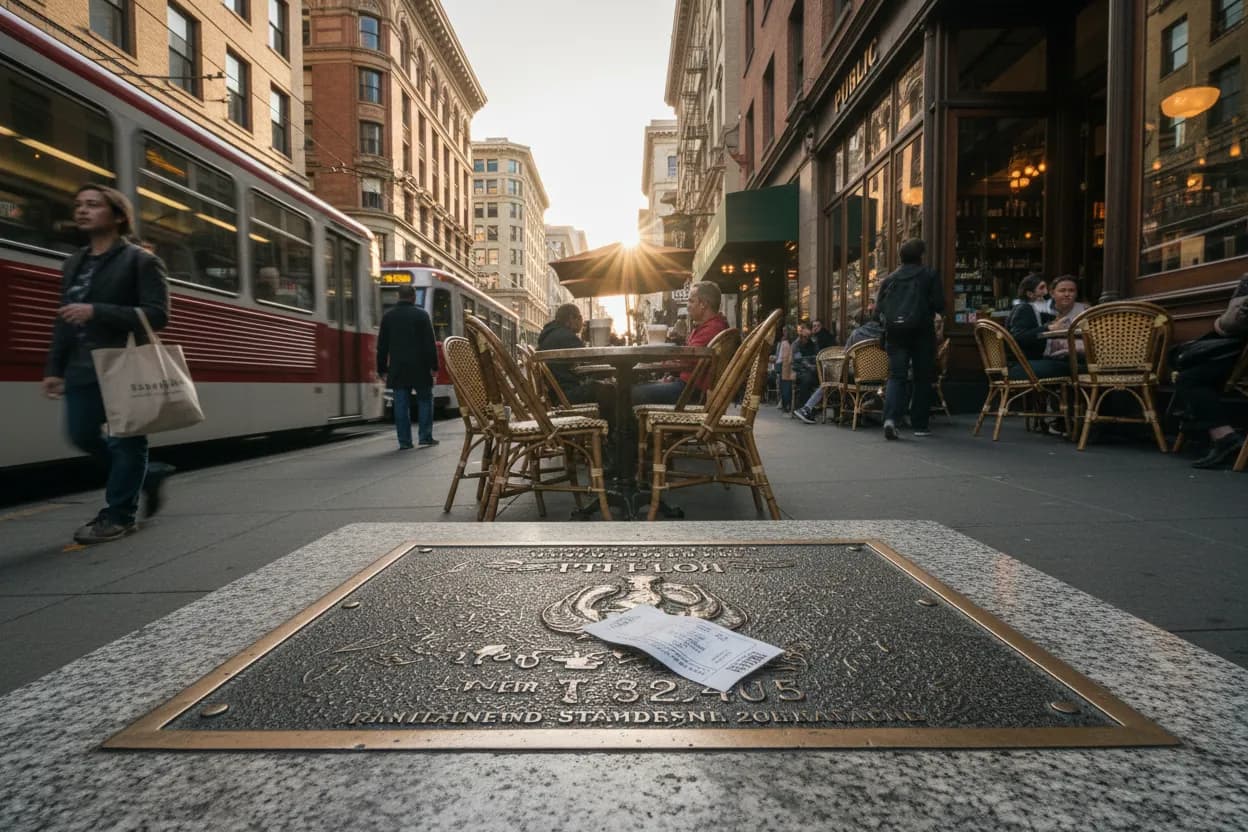
Match the market or hall to the group
A market or food hall can be the right San Francisco move when a group cannot agree on one cuisine, but it still needs a plan. These spaces can work well for mixed appetites, staggered arrivals, and people who want a lower-commitment meal. They can also create new problems: limited seating, lines at different vendors, noise, and uneven vendor hours. The solution is not to avoid them; it is to choose them for the right reason.
Before leaving, decide whether the group will split up to order or stay together. If people have mobility needs, identify the simplest arrival route, not just the shortest one. If the group includes anyone who needs a predictable seat, a market-style stop may need a backup sit-down option nearby. If the goal is conversation, do not pick the busiest, loudest room just because it is popular.
Vendor hours deserve special skepticism. A hall may appear open while individual vendors change service times, pause ordering, or close early. Because official extracts do not provide a universal San Francisco vendor schedule, readers should verify the specific vendor or venue page before traveling. The more people in the group, the more important this becomes.
Keep the first stop easy to reach
The first stop should be the easiest leg of the night. Use SFMTA’s trip planner before you leave, not after you are already standing on a corner with a hungry group. The agency’s site offers options for Muni, walking, biking, driving, and parking, which means you can compare the practical choices instead of defaulting to the loudest opinion in the chat.
Transit checks should include more than route names. SFMTA publishes travel and transit updates, alerts, Muni routes and stops, transit maps, and visitor guidance for getting around by Muni, bike, foot, or car. Because conditions can change, the useful habit is to check the current alert feed shortly before departure and again if the group is delayed. A reroute, elevator issue, or service change can turn a simple dinner into a late arrival.
Build your timing around uncertainty. For a seated reservation, aim to be nearby early enough that a transfer delay does not become a no-show. For a walk-in plan, arrive before the group is desperate to eat. If driving, verify parking assumptions through official or primary sources rather than treating curb space as guaranteed. In San Francisco, the best restaurant plan is often the one with the least fragile first mile.
Save a nearby option for long waits
A backup is not a sign of pessimism; it is how locals protect the evening. Pick a second restaurant, counter, or market option within a realistic walk or transit hop before you leave. The backup should match the same group needs as the first choice: seating, noise level, access, food preferences, and timing. A famous name across town is not a backup if your group will not realistically move there.
Set a wait limit in advance. For example, the group can agree that if the quoted wait exceeds the agreed tolerance, you switch immediately instead of negotiating on the sidewalk. Avoid inventing certainty around wait times; unless the restaurant’s official system confirms availability, treat the first stop as a possibility, not a promise. This is especially important for popular rooms, weekend evenings, and nights affected by street activity or transit delays.
Use the backup to manage crowd risk. If a neighborhood is crowded, a nearby second choice prevents the group from clustering outside one door while everyone searches separately. If SFMTA alerts show disruption near your first route, the backup can shift you toward an easier corridor. The point is not to chase the trend; it is to finish the night with dinner.
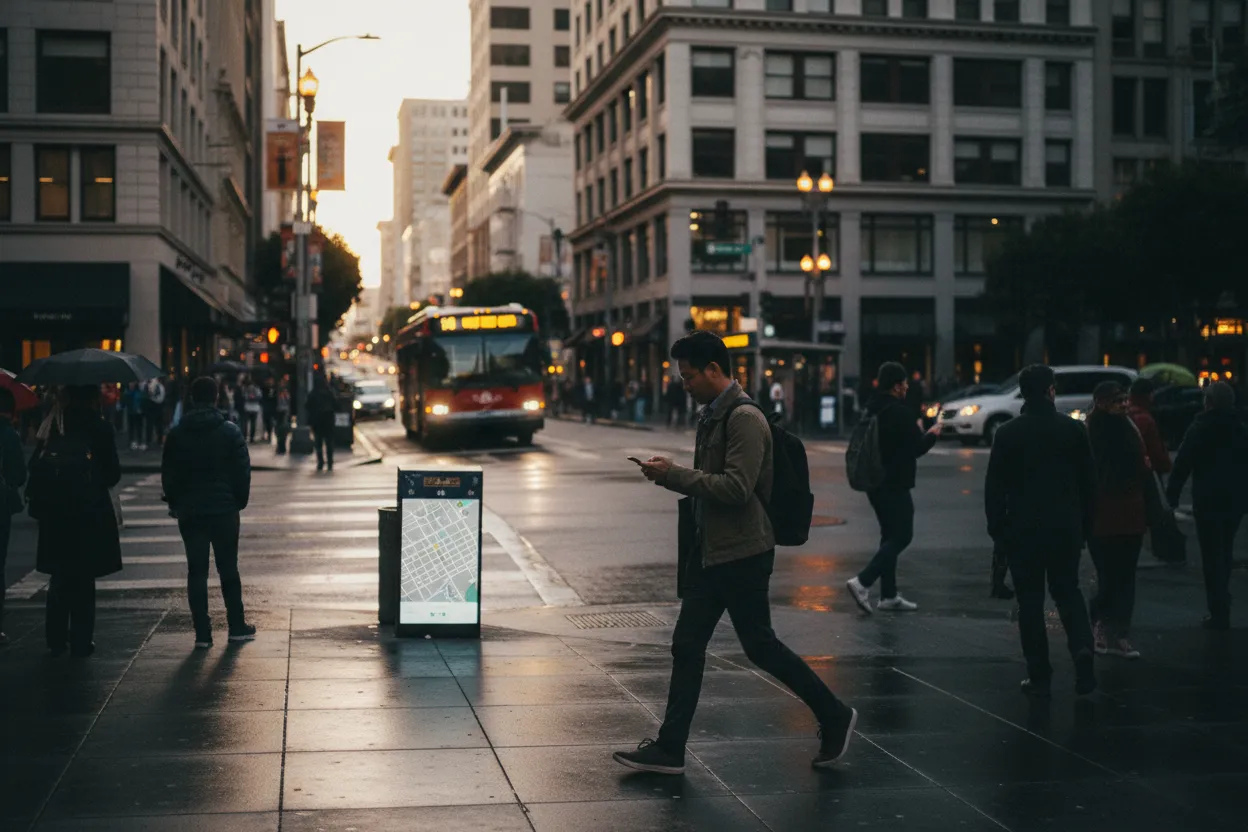
Verify vendor hours before leaving
The final check should happen close to departure. Confirm the restaurant or vendor hours on its official page or direct channel. Review whether reservations, walk-ins, or ordering methods have changed. If the place is part of a larger hall, confirm the individual vendor, not just the building. If anyone in the group depends on elevator access or a specific transit connection, check SFMTA’s current resources before committing.
Health and safety context belongs in this last pass too. San Francisco’s Department of Public Health says it provides food safety education, inspection, permitting, and related measures, and its resources include opening a restaurant or checking health scores. Use official city information when you want regulatory context, and avoid relying only on social posts or review snippets for claims about safety or compliance.
Keep city support channels in mind. SFMTA lists 311 for help, with an outside-San-Francisco number and TTY, and notes free language assistance. That does not replace a restaurant’s own confirmation, but it is useful for city-service questions. The cleanest plan is simple: verify hours, verify route, verify access, choose a backup, and leave before the schedule becomes tight.
Tags: #SanFrancisco #SFRestaurants #AskKarpo #BeforeYouGo #SFMTA #Muni #FoodSafety #DinnerPlan #RestaurantGuide #BayAreaEats #SFTransit #CityGuide #PublicSources #johngoodman
Sources consulted: sftravel.com · sfdph.org · sfmta.com
All trademarks are the property of their respective owners.
Ask Karpo first
Ask Karpo first when a San Francisco dinner plan depends on timing, transit, access, or a rumor-heavy search. Send the neighborhood, first-choice restaurant, backup idea, group size, and arrival window, and Karpo can help you turn scattered links into a verification checklist.