When student journalists encounter trending search terms like jefry yan, the impulse to publish quickly often collides with the responsibility to verify context and sources first. Los Angeles offers structured media literacy workshops specifically designed for school newspaper staff, yearbook editors, and media club members who need formal training in verification methods before covering names that appear in search trends. These free sessions—held at Central Library, UCLA facilities accessible via Metro, and community college campuses—teach database navigation, fact-checking protocols, and ethical decision frameworks that transform curiosity into responsible reporting. The workshops accommodate student schedules with after-school and weekend time slots, recognizing that journalistic confidence builds through repeated practice with verification checklists rather than assumptions about what a trending name might mean.
What's your current journalism experience level—school newspaper, personal blog, or complete beginner—and do you need weekend or weekday after-school workshop times? Specify whether you're working on a specific story deadline or building general skills, and we'll match you to a workshop series with a backup online option for scheduling conflicts.

Workshop Locations Accessible by Metro Transit
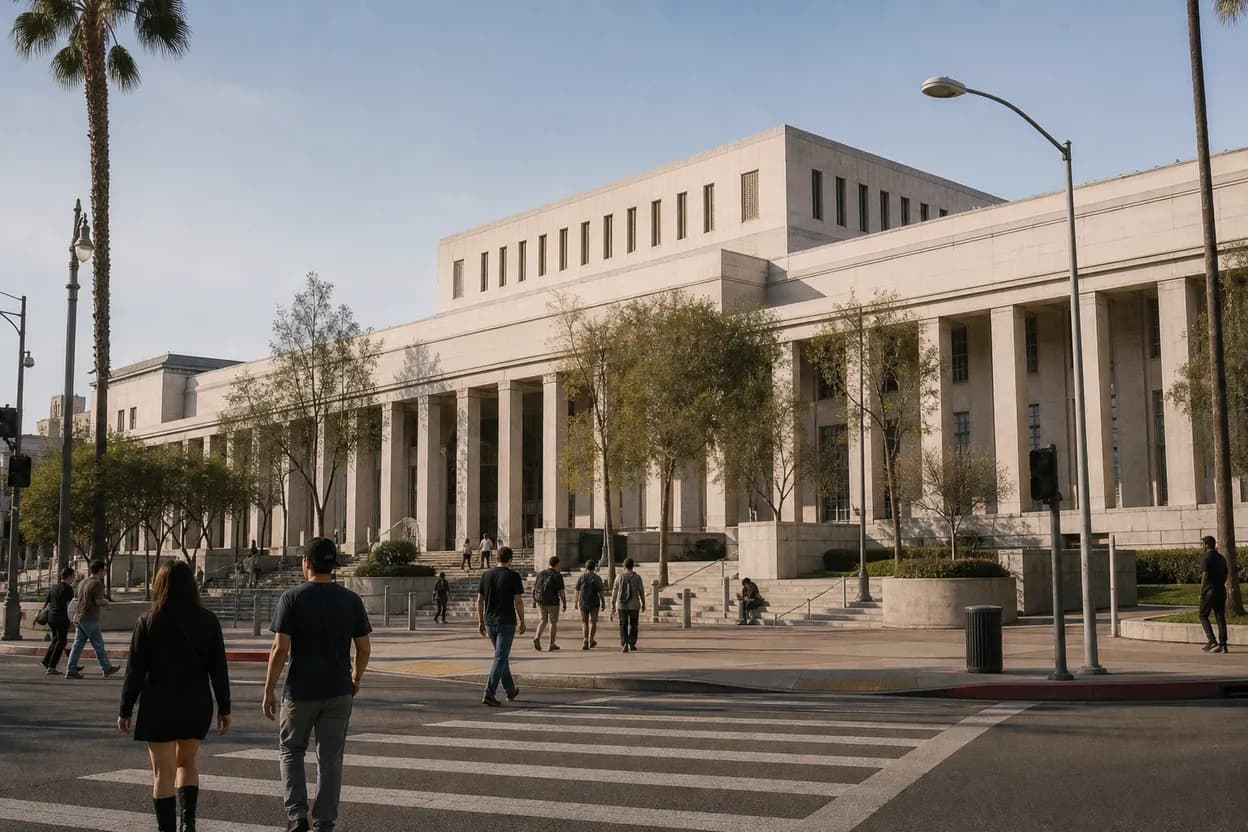
Central Library downtown serves as the primary venue for beginner media literacy sessions, reachable via Metro Rail lines that connect to Union Station and multiple bus routes with $1.75 regular fare. Students using TAP cards benefit from the daily cap system—paying for three rides grants unlimited travel for the remainder of that day, never exceeding $5 total. Workshop organizers schedule sessions in meeting rooms near the library's periodical databases and microfilm archives, allowing participants to practice searching historical newspaper records immediately after instruction. The building's accessibility features include elevators at all rail stations and wheelchair-accessible entrances, ensuring students with mobility needs can attend without barriers.
UCLA's Powell Library hosts intermediate workshops focusing on academic database access and scholarly source evaluation, located near the Westwood/UCLA Metro station on the Purple Line extension. Community college campuses in East Los Angeles, Santa Monica, and the San Fernando Valley offer satellite sessions coordinated with library staff, each campus positioned within walking distance of Metro bus stops or Bike Share stations. Students planning routes should use Metro's Trip Planner tool to identify connections that minimize outdoor wait times during August heat, standing in shaded areas at stops when possible. Free transfers between buses and trains remain valid for two hours when using the same payment card, making multi-leg journeys to workshop locations economical for students traveling from across the county.
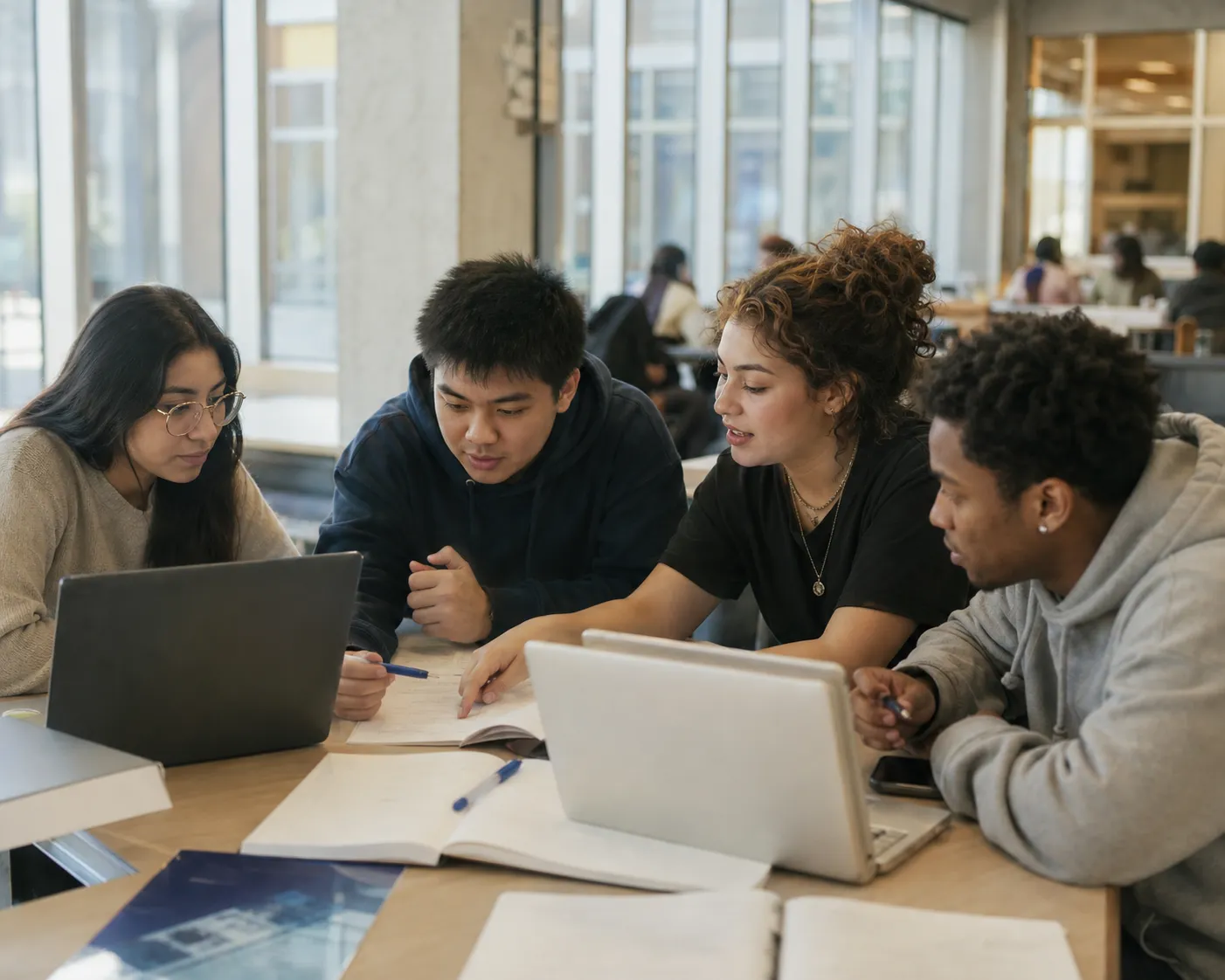
Verification Protocol Training for Trending Name Searches
The core curriculum teaches a three-step verification process before publishing any story involving names discovered through search trends or social media. First, students learn to distinguish between a name appearing in search results versus confirmed involvement in a local event—workshops emphasize that search volume alone never constitutes evidence of a person's presence in Los Angeles or connection to school community issues. Instructors demonstrate database queries using library subscriptions to newspaper archives, public records indexes, and academic journals, showing how to trace whether a name links to verifiable incidents with dates, locations, and corroborating sources.
Second-stage training covers lateral reading techniques: opening multiple browser tabs to research the credibility of sources making claims about a trending name rather than evaluating a single webpage in isolation. Students practice identifying domain registration details, cross-referencing author credentials, and recognizing when a story lacks original reporting. The workshops provide take-home checklists with decision trees—if a name appears only in social posts without institutional confirmation, the framework directs students toward reporting on the search phenomenon itself rather than repeating unverified claims. This approach suits beginner journalists who need structured steps to replace instinct-driven publishing with methodical verification habits.
Ethical Decision Frameworks for Student Newsrooms
Workshop facilitators present case studies where student publications faced consequences for printing names without adequate context—scenarios include misidentifying individuals in photos, repeating rumors about public figures, and publishing arrest records later expunged. Participants work through editorial decision matrices that weigh newsworthiness against potential harm, learning to ask whether a story serves the school community's need to know or merely satisfies curiosity about a trending term. The frameworks distinguish between public officials whose actions merit scrutiny and private individuals whose names may trend due to circumstances unrelated to student journalism's educational mission.
Role-playing exercises simulate newsroom debates where editors must decide whether to publish a story about a name trending in local searches. Students practice articulating their reasoning using the workshop's ethical guidelines: Can we independently verify the facts? Do we understand the full context? Have we contacted the individual or their representatives? Does publication serve a legitimate informational purpose? These structured discussions build confidence in saying "we need more reporting" rather than rushing incomplete stories to print. The approach fits student journalists developing professional standards alongside academic coursework, providing vocabulary and reasoning tools that translate to college journalism programs and internships.
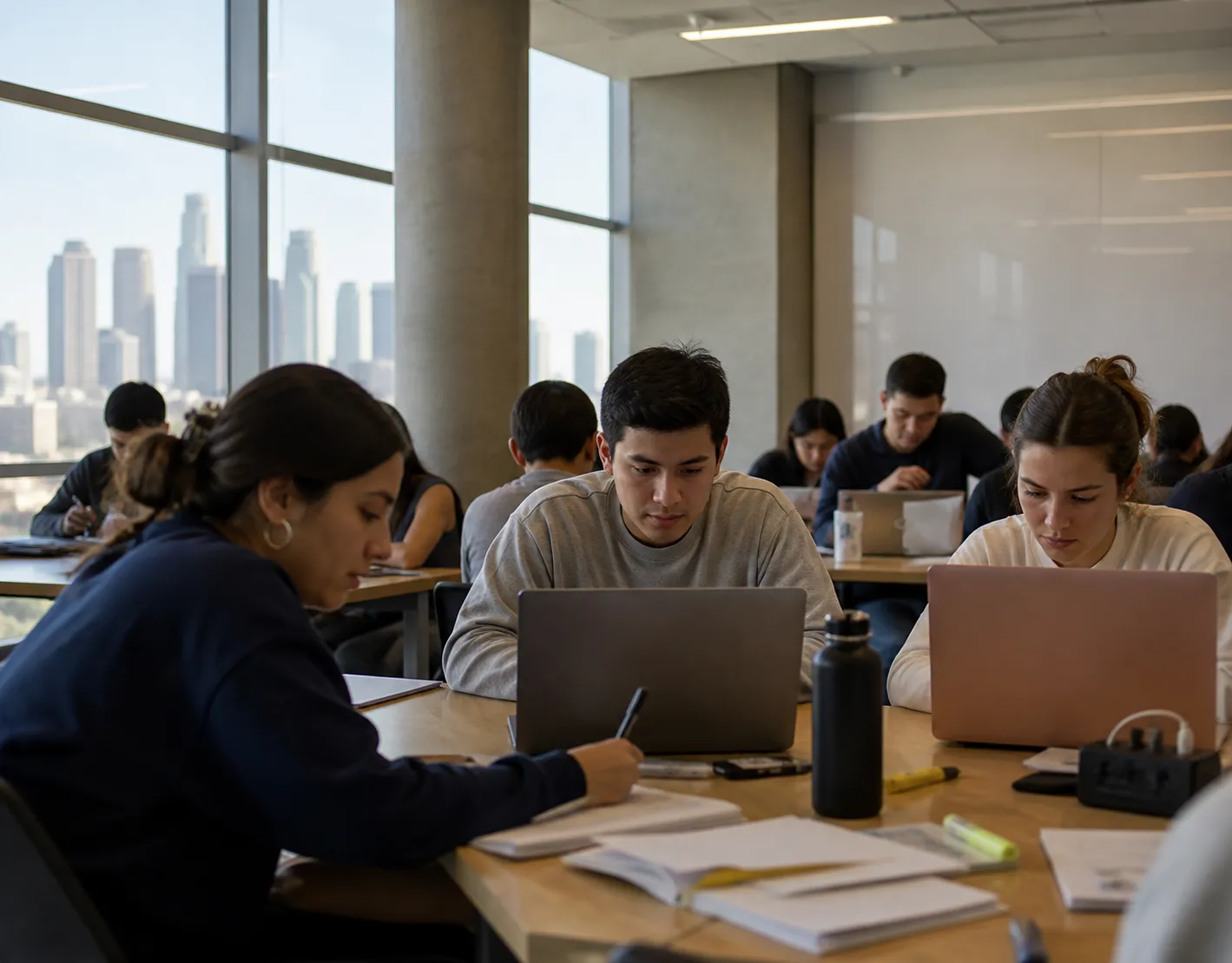
Database Access and Fact-Checking Tool Training
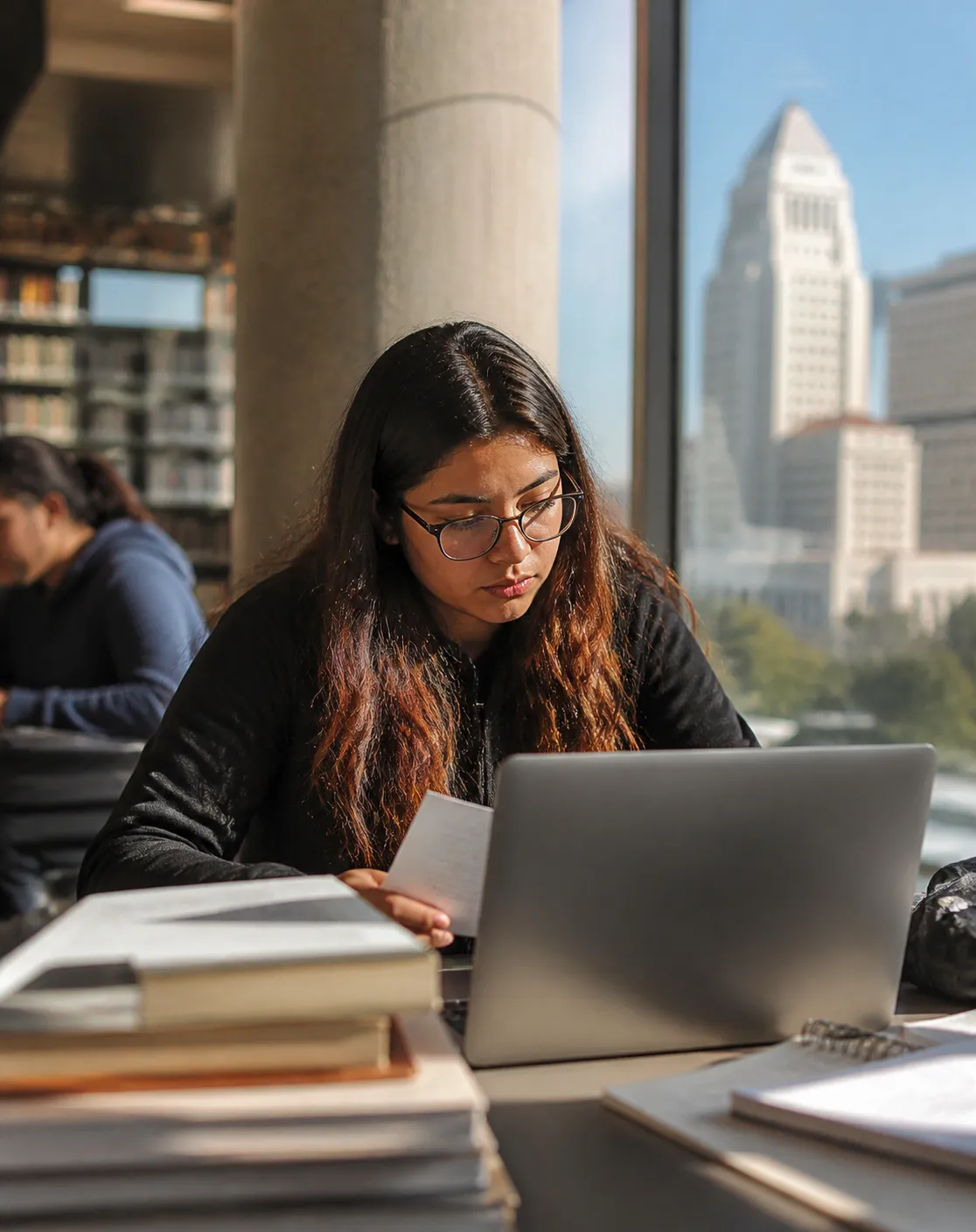
Central Library's subscription databases—including newspaper archives dating to the 1880s, legal record indexes, and academic research collections—become available to student journalists who complete orientation sessions on proper use and citation. Workshops dedicate hands-on time to searching these resources, with instructors demonstrating how to narrow results by date range, publication type, and geographic location to avoid conflating different individuals sharing common names. Students learn to evaluate source hierarchy: a staff-written newspaper article carries more verification weight than a letter to the editor, while court documents and government records provide factual anchors that opinion pieces cannot.
Fact-checking tool training introduces browser extensions and websites that reveal image metadata, track claim origins, and identify manipulated media. Participants practice reverse image searches to determine whether photos accompanying trending name stories show the individuals claimed or unrelated stock imagery. The workshops emphasize that these tools assist rather than replace human judgment—a reverse search showing an image's first appearance on a particular date doesn't automatically prove or disprove its authenticity without additional context. Students receive login credentials for library databases valid through the academic year, enabling continued practice between monthly workshop sessions held on weekend afternoons to accommodate school schedules.
Building Sustainable Verification Habits for School Publications
The workshop series culminates in students creating customized verification checklists for their specific school publications, adapting the general frameworks to their newsroom's workflow and publication frequency. A weekly school newspaper develops different protocols than a quarterly literary magazine, with the former requiring faster verification processes and the latter allowing deeper investigative research. Facilitators help student editors identify bottlenecks where verification might slow publication unreasonably, then problem-solve solutions like maintaining a pre-vetted source list or establishing relationships with local officials who can confirm basic facts quickly.
Follow-up sessions scheduled throughout the school year allow students to bring real editorial dilemmas for group consultation—a name trending in searches with unclear local connection, conflicting accounts of a campus incident, or pressure from administrators to avoid certain topics. These discussions reinforce that verification skills strengthen rather than constrain student journalism, building credibility that earns greater trust from readers and school communities. The workshops suit journalism students at beginner to intermediate levels, with differentiated instruction allowing newcomers to master basic database searches while experienced editors tackle complex ethical scenarios. Participants leave with professional development certificates and portfolio-ready work samples demonstrating their verification methodology, assets for college applications and journalism scholarship competitions.
Tags: #studentjournalism #medialiteracy #factcheckingworkshops #LosAngeleslibraries #verificationtraining #ethicalreporting #backtoschool #journalismeducation #databaseresearch #CentralLibraryprograms
Sources consulted: Source 1: metro.net · Source 2: discoverlosangeles.com · Source 3: lapl.org · Source 4: lacountyarts.org
All trademarks are the property of their respective owners.
Ask Karpo first
Ask Karpo to turn this Los Angeles idea into a current plan for your date, budget, companion, transit preference, and energy level. Karpo can narrow the route and flag what to verify before you go.