The Upper West Side has always kept its own rhythm, quieter than the Village but no less committed to the art. Walk past the brownstones on a summer evening in 2026 and you'll hear it—the flutter of a hi-hat through a basement window, the bloom of a trumpet cutting through the hum of Broadway traffic. These aren't tourist traps with celebrity photos and velvet ropes. They're neighborhood rooms where the music comes first, the cover charge stays at zero, and the bartender knows how you take your Old Fashioned by the second visit. Pull up a chair. The first set starts soon.
Updated August 2026: hours, prices, reservations, event dates, transit details, and venue policies can change. Use the linked official venue, city, or operator sources in the Sources section as the final reference before you go.
The Front-Row Gamble
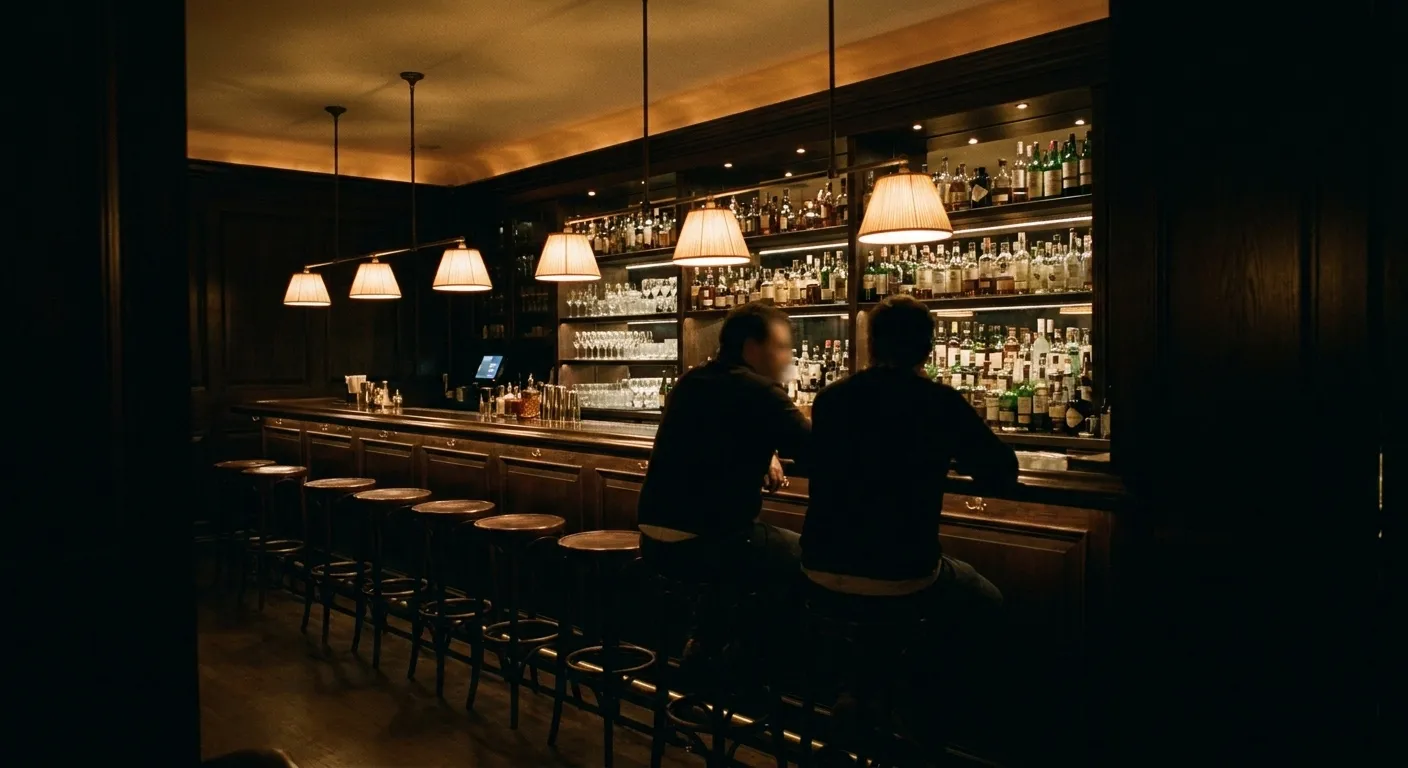
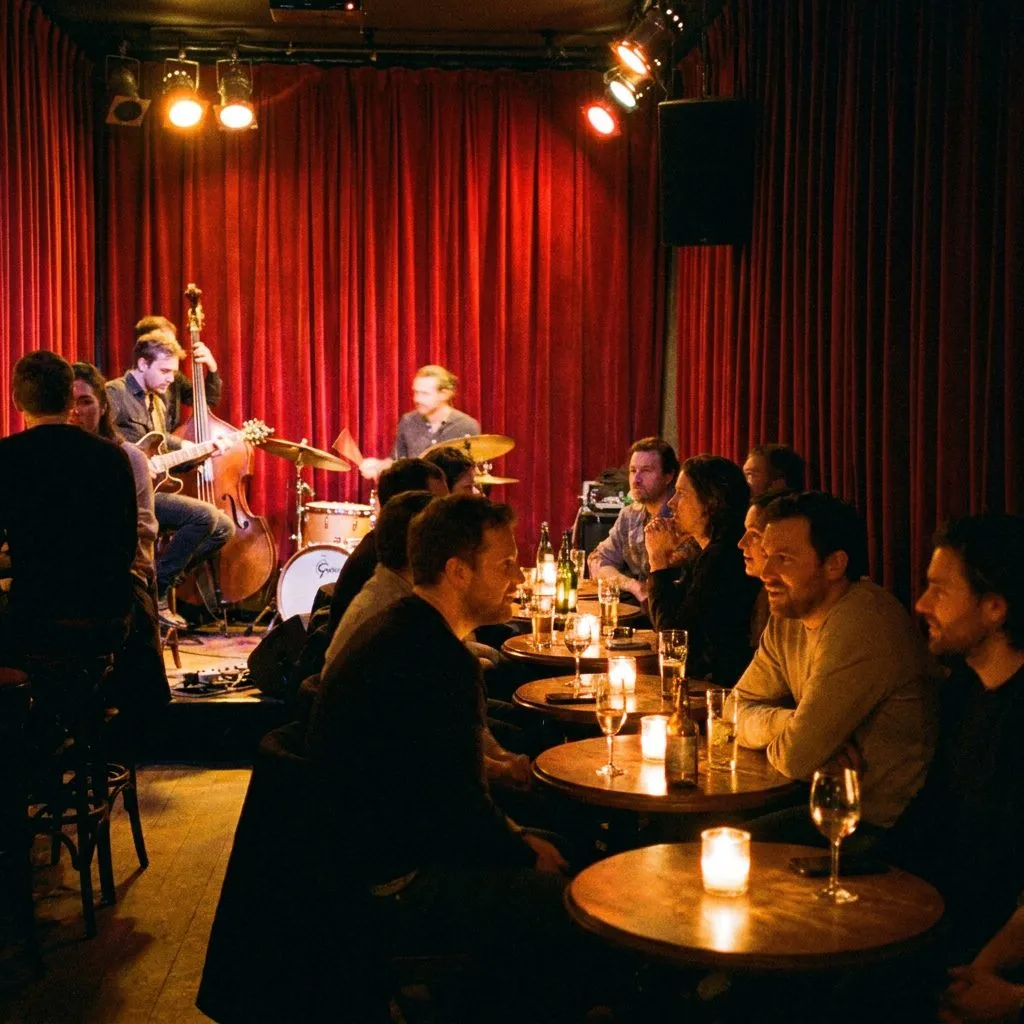
Smoke Jazz Club sits on Broadway between 105th and 106th, a slender storefront that's been booking heavyweight talent since the late nineties. The room is long and narrow, stage at the back, bar running the length of the left wall. What most people don't realize is that Smoke reserves the 'front rail' bar stools—six seats with an unobstructed sightline to the bassist's fingers—for walk-ins only. Arrive by 7:45 PM on weekends to claim one before the first set, and you'll spend the evening close enough to hear the drummer count off under his breath.
The sound is clean, the pours are generous, and the two-drink minimum feels less like a tax and more like an invitation to settle in. Smoke books trios that lean into hard bop and post-bop—players who've logged time at the Blue Note and the Vanguard but prefer the intimacy of a hundred-seat room. Summer nights, when the door props open between sets, the sidewalk fills with smokers and saxophonists debating chord changes.
Late-Night Latitude
Dizzy's Club perches on the fifth floor of Jazz at Lincoln Center, floor-to-ceiling windows framing the southern rim of Central Park. It's the outlier on this list—ticketed shows, white tablecloths, a kitchen that takes its crab cakes seriously. But if you know the rhythm of the room, you can stretch a single ticket into a double feature. Dizzy's Club sometimes hosts late-night programming; verify the current schedule and admission policy directly with the venue.
The vibe shifts after midnight. Ties come off, musicians from other gigs wander in with their horns, and the stage becomes a rotating cast of improvisers testing ideas they wouldn't risk during the formal sets. The skyline glitters through the glass, the piano finds a groove, and suddenly you're part of something that feels less like a performance and more like a conversation. It's worth the late hour, especially in summer when the city hums with restless energy and nobody wants to go home yet.
The Corner That Remembers
Mezzrow hides below street level in Greenwich Village—technically off the Upper West Side, but the subway makes it a fifteen-minute ride and the room deserves the detour. The ceiling is low, the walls are brick, and the stage sits so close you can see the calluses on the guitarist's fingertips. This is where the insider move pays off: ask the bartender for 'the Miles corner,' a two-person booth tucked beside the stage where Davis himself used to sit between sets in the eighties, nursing bourbon and watching the young players work.
The booth is small, upholstered in worn burgundy velvet, and positioned at an angle that lets you see both the musicians' faces and their hands. It's not always available—Mezzrow doesn't take reservations for it—but if you arrive early on a weeknight and ask politely, the bartender will point you there with a knowing nod. The acoustics in that corner are strange and perfect, the bass notes hitting you in the chest before they reach the rest of the room.
What Makes a Room Worth Returning To
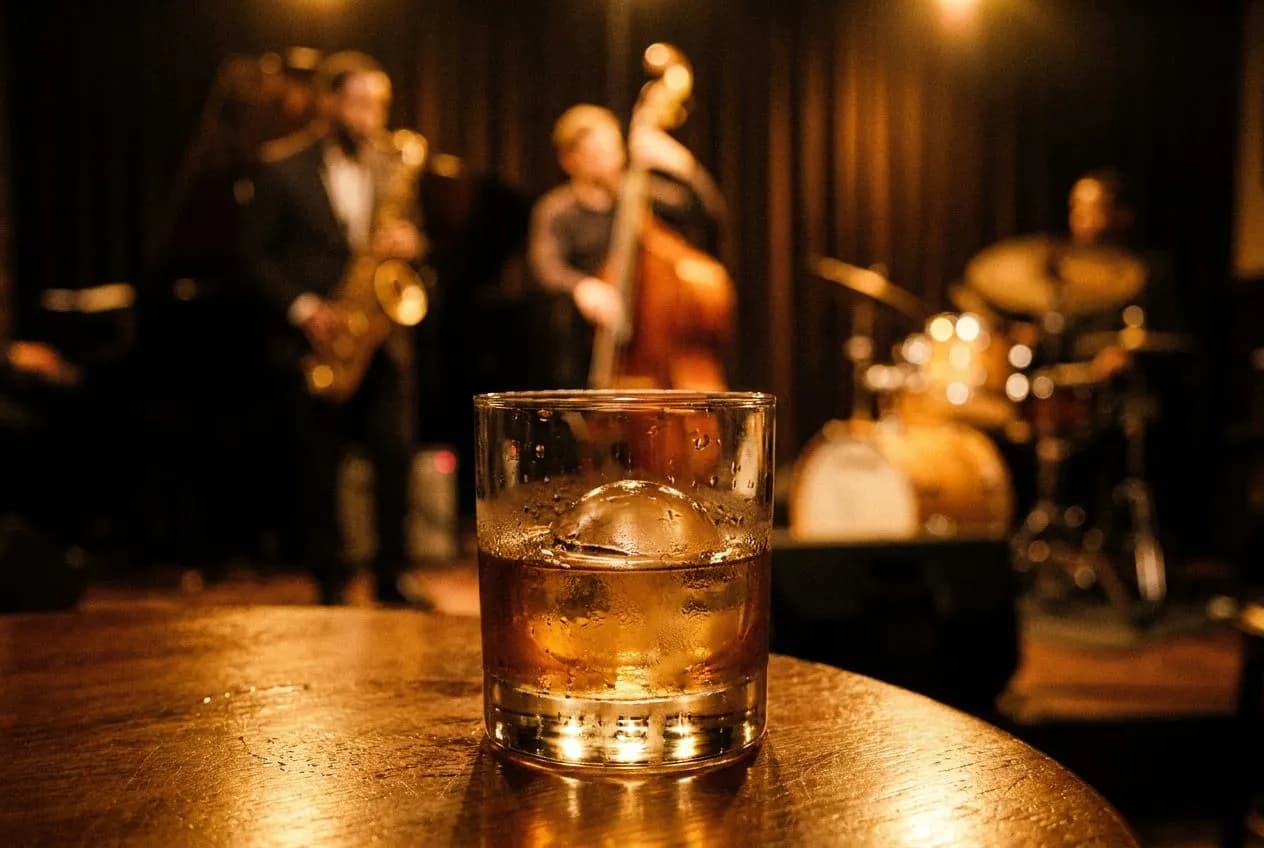
The best jazz bars nyc has to offer share a few qualities that have nothing to do with square footage or décor. They respect the music enough to keep the chatter low and the sound system honest. They hire bartenders who understand that a drink is part of the evening's architecture, not an interruption. And they book trios—not quartets or sextets, but the essential three-piece lineup where every note counts and there's nowhere to hide.
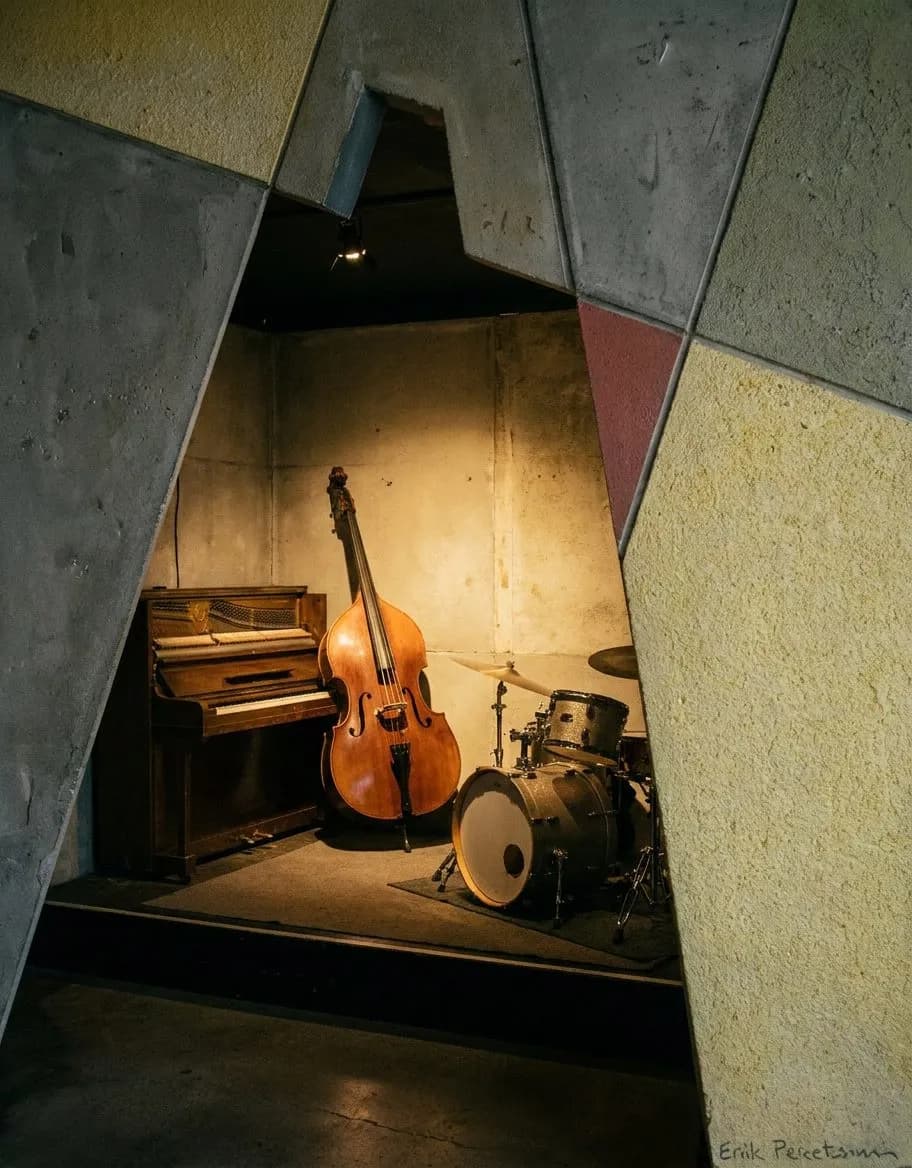
A piano-bass-drums trio is a high-wire act. The pianist has to comp and solo and hold down the harmonic center all at once. The bassist walks the line between rhythm and melody. The drummer does everything with restraint, brushes more than sticks, tension more than release. When it works, it feels like eavesdropping on a private language. When it doesn't, you notice immediately. The rooms on the upper west side that skip the cover charge are betting you'll come back for the music, not the novelty—and most nights, they're right.
The Two-Drink Calculus
Let's talk about the minimum, because it's the elephant in every jazz club. Two drinks, typically twelve to eighteen dollars each, plus tip. It's the cost of admission, and whether it stings or feels fair depends entirely on what's in the glass and who's on stage. The rooms that earn loyalty are the ones where the bartender free-pours the bourbon, where the house cocktail isn't an afterthought, where the ice is good and the garnish is fresh.
By late 2026, with craft cocktail culture fully embedded in even the neighborhood spots, the two-drink minimum has evolved into something closer to a curated pairing. You're not just paying rent on your seat—you're funding the musicians, keeping the lights on, and ensuring that the pianist who played with Roy Haynes gets a guarantee worth showing up for. It's a fair trade, especially when you're sitting close enough to catch the drummer's grin when he nails a tricky fill.
Practical notes
Smoke Jazz Club is at 2751 Broadway near West 106th Street; take the 1 train to 103rd Street. Dizzy's Club sits inside Jazz at Lincoln Center, Columbus Circle; the A, C, B, D, or 1 will get you there. Mezzrow is at 163 W 10th St in Greenwich Village; take the 1 to Christopher Street–Sheridan Square. Most rooms open around 6 PM; sets typically start at 7:30 and 9:30, with late-night sessions extending past midnight on weekends. Verify hours and lineups directly, as schedules shift. Street parking on the Upper West Side is possible but tight; garages cluster near Columbus Circle. All three venues are accessible, though Mezzrow's basement location involves stairs. Bring cash for tips; cards work everywhere else.
Tags: #JazzBarsNYC #UpperWestSide #PullUpAChair #LiveMusic #JazzTrio #NYCNightlife #SummerInTheCity #Nocover #KarposFinds #NYCJazz #CityGuide #WhereToListenNYC #JazzClubs #SummerNights #NYCInsider
Please drink responsibly. Must be of legal drinking age.
Sources consulted: Jazz · Upper West Side · Time Out New York Music · New York Times Music · MTA Info
All trademarks are the property of their respective owners.