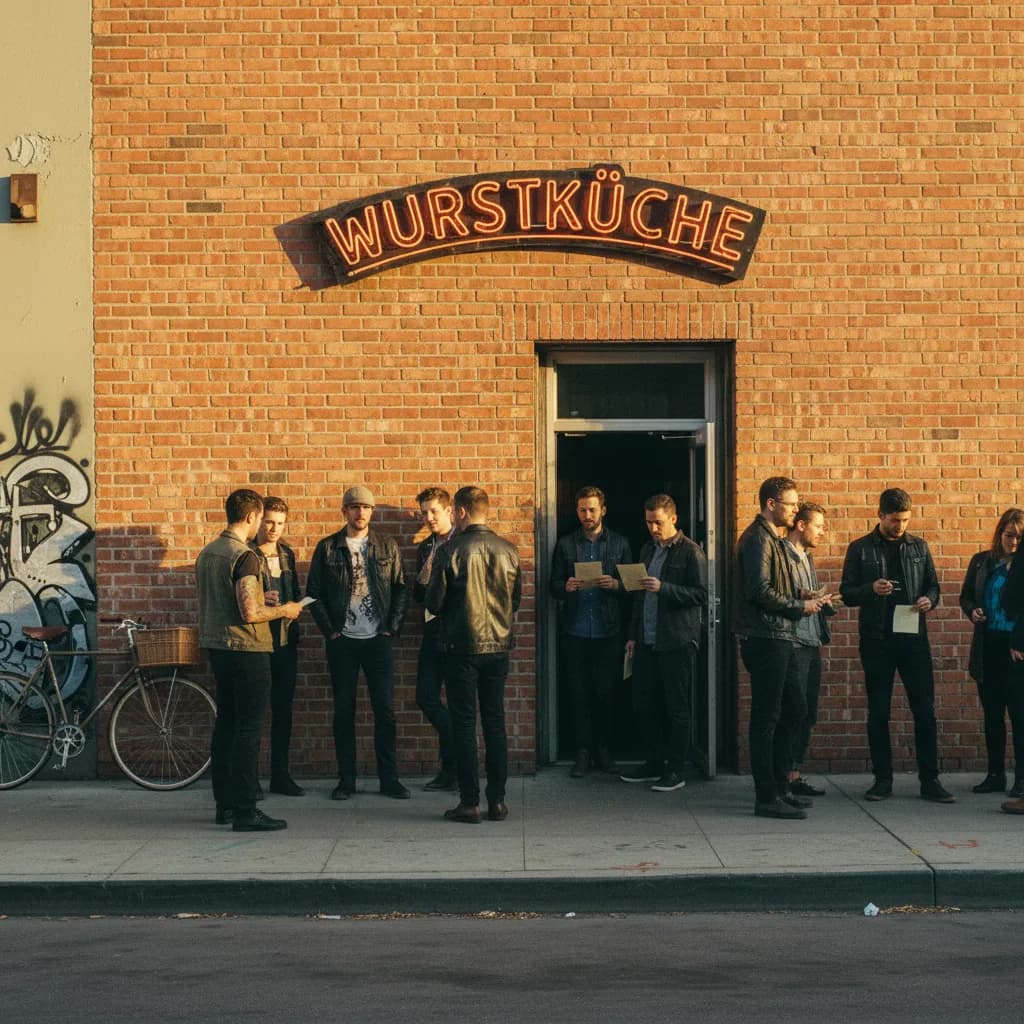
 Arts District Restaurants Open Near Me: Wurstkuche's Bavarian-Belgian Beer Hall
Hidden Gems & Odd Finds
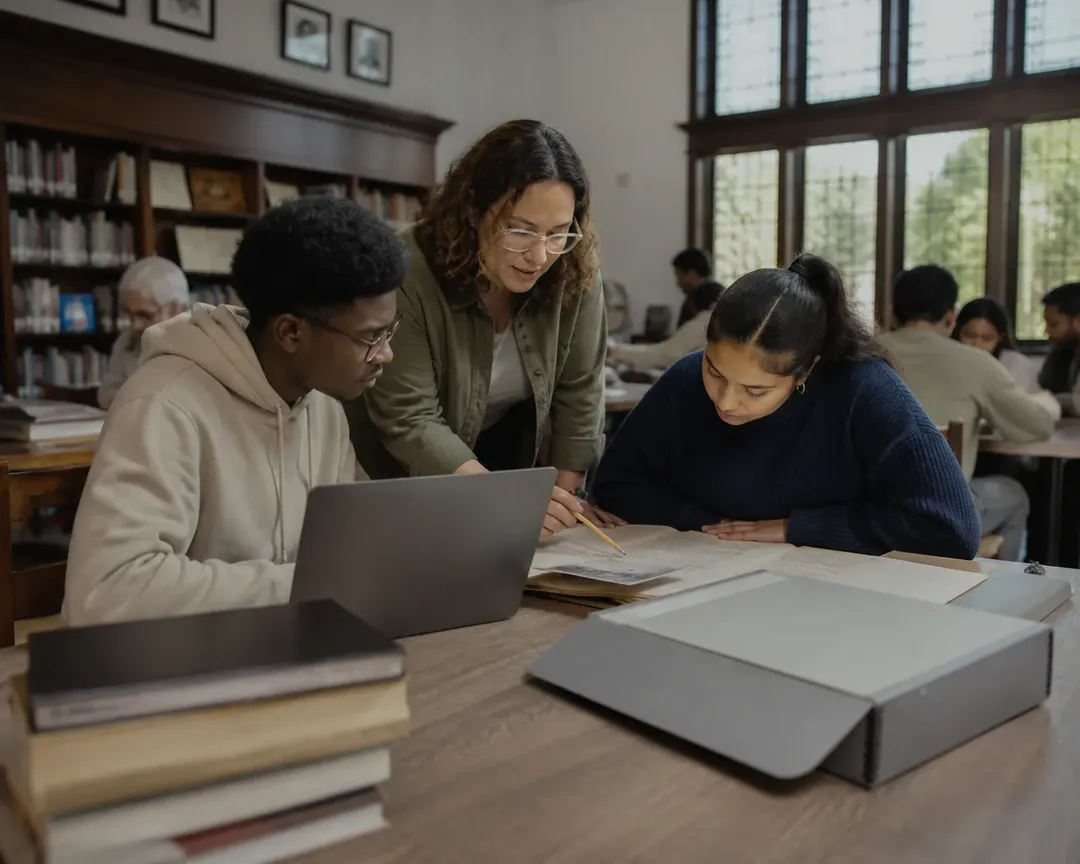
Jason Arday Academic Story: LA Hidden Educational Equity Resource Center Discovery
Use the jason arday search wave as a prompt to explore Los Angeles places where educational equity becomes researchable, not just inspirational. This weekday-afternoon discovery map favors public institutions, documented programs, and transit-aware stops that a solo visitor can verify before investing time.
The phrase jason arday is a powerful search hook because it points people toward questions of access, academic persistence, disability, and who gets to be seen as a scholar. For Los Angeles researchers, educators, students, and solo learners, the useful move is not to force that story onto the city without proof; it is to use the interest as a doorway into local resource discovery. This map focuses on verifiable public-facing routes: Los Angeles Public Library branches and events, LA County arts education and cultural equity documentation, Metro trip-planning tools, and the kinds of university or nonprofit archives that should be confirmed directly before visiting. The goal is a practical weekday-afternoon path for people who want evidence, context, and inclusive education leads rather than a tourist checklist.
Text Karpo your research focus (accessibility, equity programs, academic pathways), preferred LA area, and whether you need physical archives or digital access. We'll map a hidden resource center with relevant collections and suggest a backup university library.
Start With Public Libraries, Not Campus Assumptions
For a solo researcher, the Los Angeles Public Library system is the strongest first stop because it is broad, public, and built for discovery across neighborhoods. Its events calendar states that the library hosts free events every day and lets visitors browse by branch, audience, ZIP code, date, and interest. That matters for an educational equity search because disability access, adult literacy, family learning, public history, and community memory often surface through programs before they appear in neat archive labels.
Use the library calendar as a live map, not a static itinerary. On August 6, 2026, the public listings include examples such as an adult and child literacy class at Lake View Terrace, an Aphasia Book Club at Echo Park designed for adults with aphasia, and child reading programs at branches including Woodland Hills and Van Nuys. These are not replacements for academic archives, but they show where inclusive learning is active in public space. If your jason arday research question is about access to education, the library system gives you a grounded LA lens: who is being served, in what format, and through which neighborhood institutions.

Use Central Library as the Backup Repository Hub
Central Library is useful as a planning anchor because the official LAPL listings place archival and public-learning activity there, including Home Video Day 2026 with home videos on the big screen, archivist talks, and highlights from home media archives. That kind of event is valuable for researchers who care about documentation practices, community memory, and how local histories are preserved outside formal academic departments. It also gives educators a public-facing way to talk about archives without assuming students already know how special collections work.
The practical tradeoff is that Central Library can be broader than a campus special collection, so you should arrive with a precise question. Instead of asking for everything about disability services or equity, narrow the search to terms such as adult literacy, aphasia, accessibility, arts education, inclusive learning, or community archives. If a specific collection, reading room rule, or digitized repository is needed, verify it before going. The best use of Central Library on a weekday afternoon is as a confirmation and orientation stop: check what is publicly available, identify which leads require appointments elsewhere, and build a second path through online catalogs or agency pages if physical access is limited.
Trace Equity Through County Arts Education Records
LA County Department of Arts and Culture is another strong public-information node because its stated mission includes advancing arts, culture, and creativity throughout LA County. The department says it provides services and support through grants and technical assistance for nonprofit organizations, professional development opportunities, civic artworks, management of the County civic art collection, countywide arts education initiatives, research and evaluation, career pathways, free community programs, and cross-sector civic strategies. For an educational equity researcher, that list matters because equity is often documented in program design, funding language, evaluation reports, and access commitments.
This is where a hidden-gems approach becomes more serious. Instead of looking only for museums or headline events, examine how public agencies describe access, inclusion, and education infrastructure. The department states that its work is framed by the County Cultural Equity and Inclusion Initiative and a longstanding commitment to fostering access to the arts. That is a useful bridge between academic accessibility stories and Los Angeles public practice. It does not prove any one archive holds a complete disability education record, but it gives researchers a verified institutional path for finding nonprofit program documentation, arts education initiatives, and public accountability language that can support a deeper study.

Build a Transit-First Research Route
Los Angeles research days can fail because the plan ignores distance. Metro’s official rider information says Metro connects Los Angeles County by bus, rail, bike, van, and more, with trip-planning tools for routes, real-time arrivals, alerts, maps, and schedules. For a weekday-afternoon solo trip, this means the discovery map should be built around reachable clusters rather than a heroic citywide sweep. Pick one primary institution, one nearby public library branch or cultural agency lead, and one backup online task in case the in-person stop does not produce usable material.
Metro also matters for accessibility planning. The official rider guidance says all buses and trains are wheelchair accessible, elevators and accessibility features are available at rail stations, and operators can assist with boarding ramps and securement. It also notes Access Services as shared-ride service for eligible riders with disabilities. Treat these as planning facts, then still verify your exact route, station conditions, and service alerts before leaving. A researcher following the jason arday search trail should not make access an afterthought; the movement through the city is part of the equity question.
Turn Events Into Research Leads
Discover Los Angeles and LAPL event listings are useful because they reveal where public learning is happening now. Discover Los Angeles organizes events by categories including Educational, Museums, Bookstore Events, Arts and Theatre, Cultural Heritage, and regions such as Downtown, Hollywood, South LA, Westside, The Valley, and Northeast LA. LAPL listings add branch-level filters and examples of literacy, author, public art, book club, and archive-related programming. For educators, this makes the city legible: you can scan for live programs that point toward institutions, speakers, collections, or community groups worth contacting later.
The key is to separate discovery from confirmation. An event title can suggest a lead, but it does not confirm permanent holdings, disability-services archives, appointment rules, or access to program files. Use event pages to identify names, venues, themes, and public contact paths, then verify directly through the institution before building a lesson plan or research visit around it. This is especially important for campus special collections and nonprofit education archives, where public access may vary. Hidden resources are often real, but they become usable only when you confirm the evidence trail.
Tags: #LosAngeles #HiddenGemsOddFinds #educationalequity #accessibilityresearch #publiclibraries #solodiscoverymap
Sources consulted: Source 1: metro.net · Source 2: discoverlosangeles.com · Source 3: lapl.org · Source 4: lacountyarts.org
All trademarks are the property of their respective owners.
Ask Karpo first
Ask Karpo to turn this Los Angeles idea into a current plan for your date, budget, companion, transit preference, and energy level. Karpo can narrow the route and flag what to verify before you go.
Ask Karpo for more information.
Keep reading
- Arts District Restaurants Open Near Me: Wurstkuche's Bavarian-Belgian Beer Hall
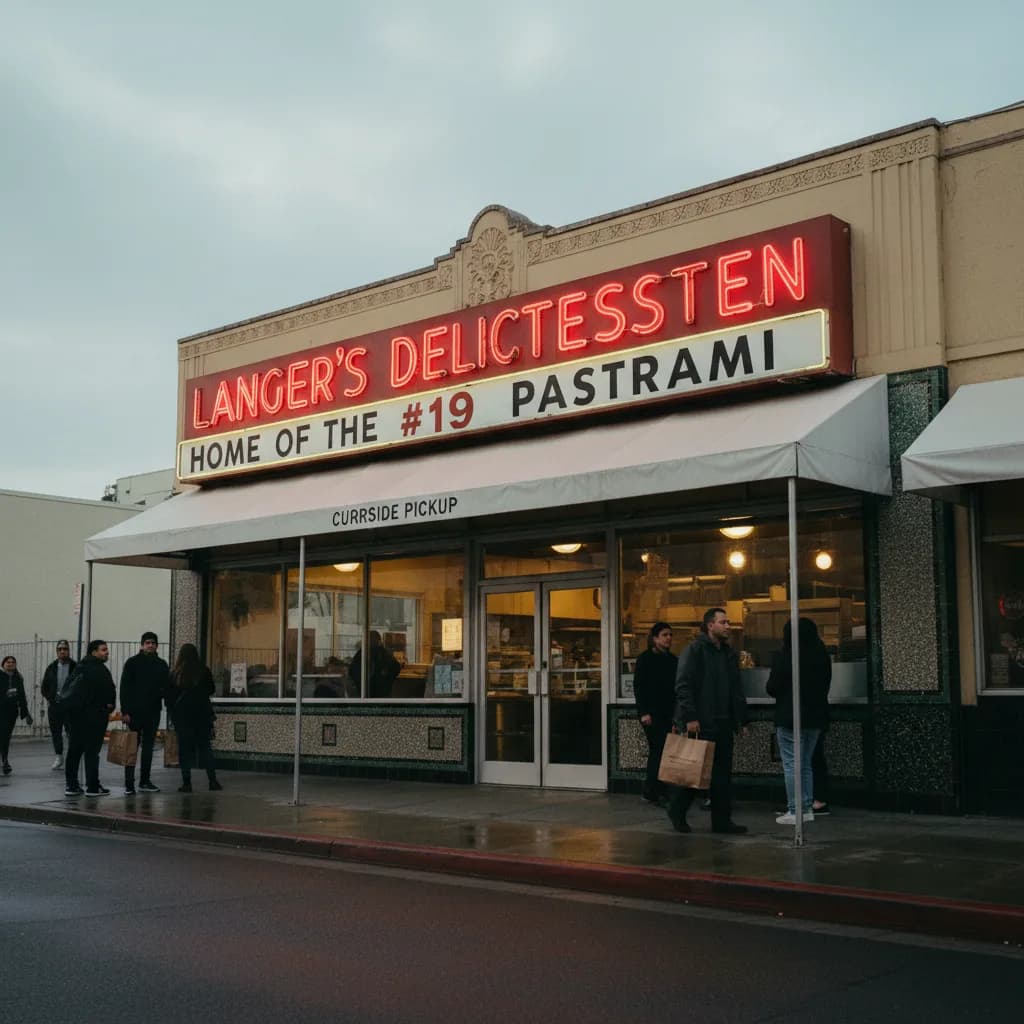 Restaurants Open Near Me in Westlake: Langer's Delicatessen's Pastrami Perfection
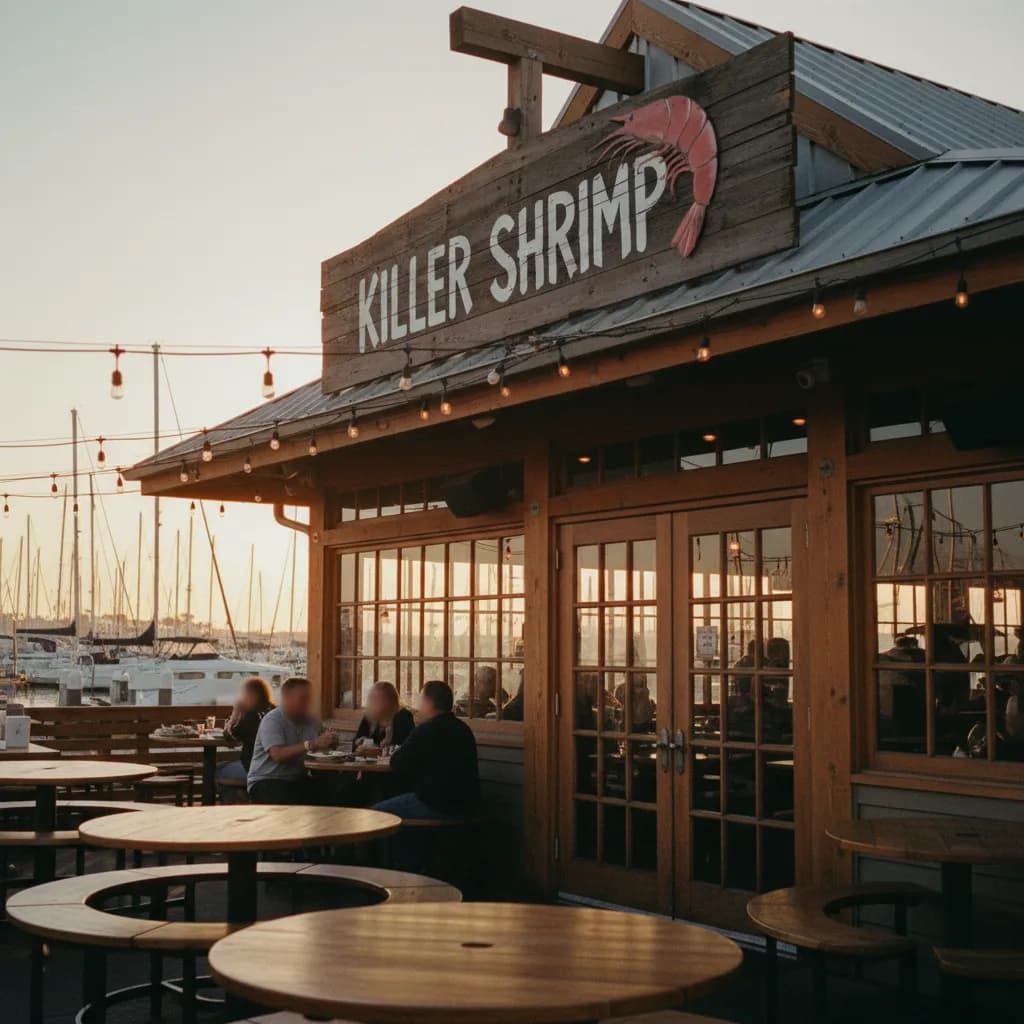 Killer Shrimp Marina del Rey: Your Ultimate Seafood Near Me Destination