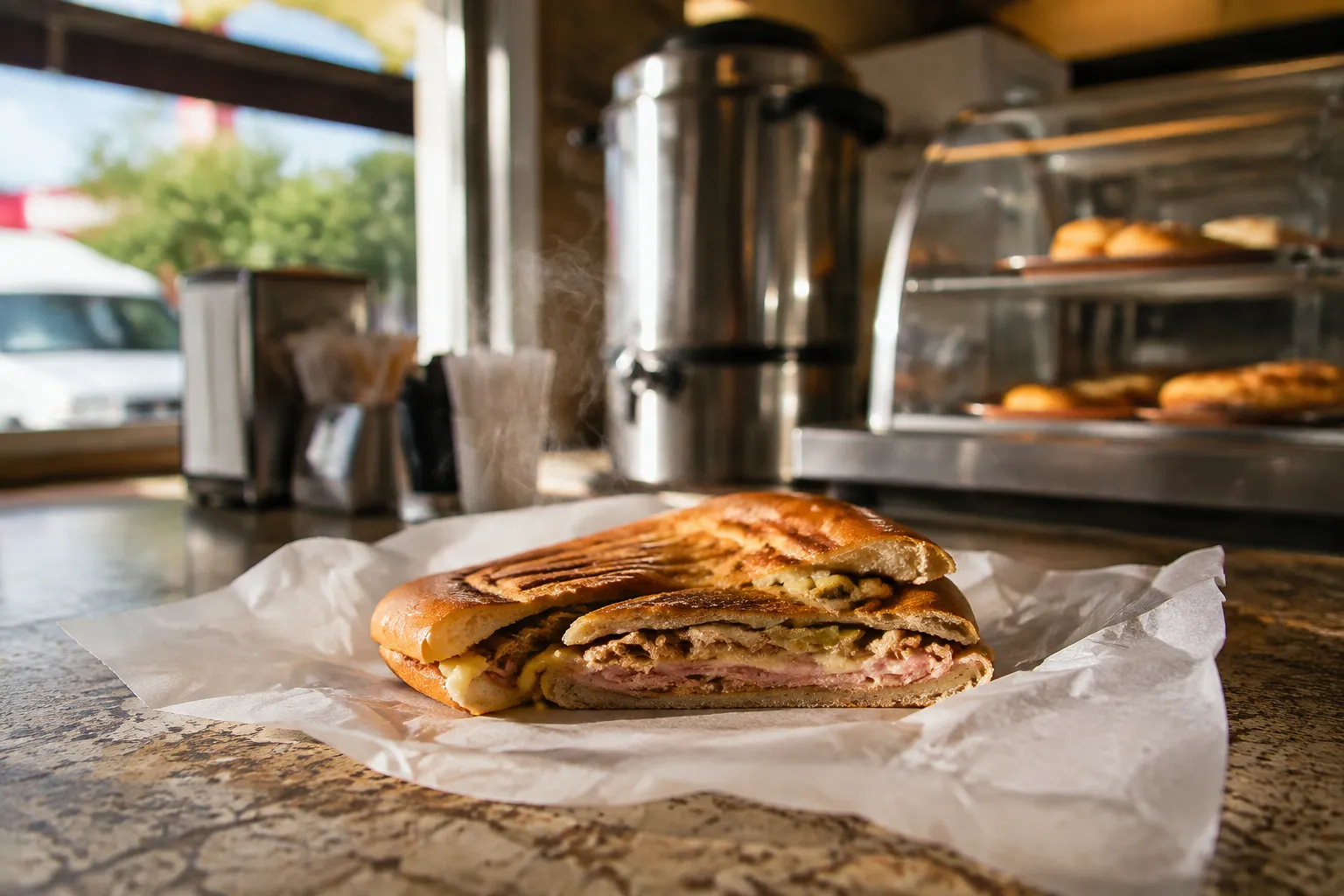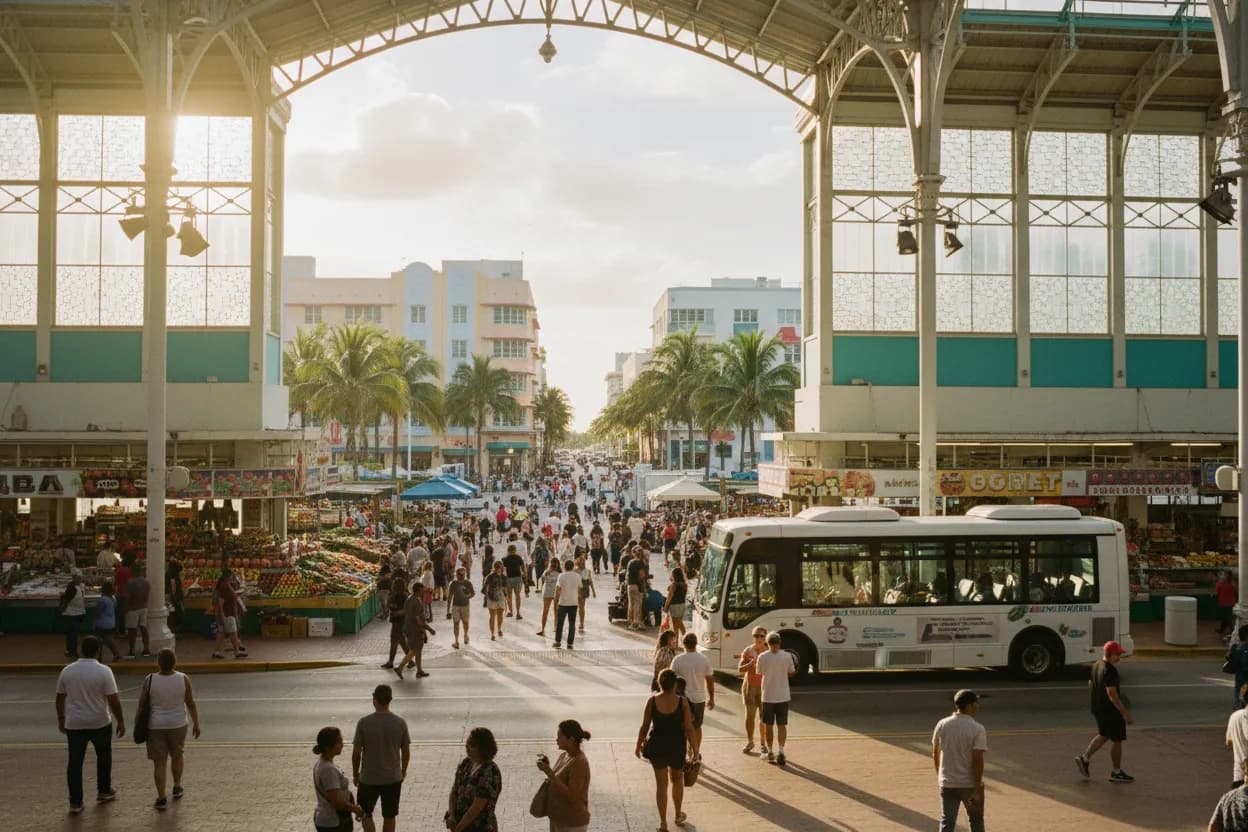
jamie komoroski is a timely search phrase, but it should not steer your Miami dinner into rumor-chasing. Treat it as a conversation hook, then build the night around public information you can verify before you leave. Greater Miami and Miami Beach promotes a culinary scene shaped by bold Latin and Caribbean flavors, celebrity-chef restaurants, food festivals, and distinct neighborhoods, which means the better question is not “Where is everyone going?” It is “Which public dining setup fits this group tonight?” A good Miami market meal plan starts with the room, the route, the likely wait, and the backup—not with a name trending online or an unconfirmed sighting.
Want a Miami dinner plan checked before you move? Text Karpo with your neighborhood, group size, transit preference, and backup tolerance, and ask for a verification-first market route.

Use the trend as a dinner conversation hook
If someone brings up jamie komoroski at the table, keep it in the conversation lane. Do not use a search spike as evidence of a Miami appearance, a restaurant affiliation, a private booking, or a guaranteed event. For a practical night out, the phrase is only useful because it reminds you to separate attention from access. A public market, food hall, or casual restaurant cluster should be chosen because it can handle your group, your timing, and your transportation plan—not because an unverified name is attached to it.
Miami rewards that discipline. The official Greater Miami and Miami Beach visitor site describes the area’s dining appeal through Latin and Caribbean flavors, celebrity-chef restaurants, food festivals, and neighborhood variety. That is broad enough to give you options and specific enough to keep the plan local. Your first task is to decide whether tonight is a quick counter-service meal, a walk-and-sample market stop, or a seated restaurant evening. Each choice creates a different risk profile for lines, noise, accessibility, and backup timing.
Choose the room before choosing the menu
Start with the dining room format. A market or hall is usually best when the group is split on cuisine, when one person wants something fast, or when you do not want the whole night to depend on one kitchen. A single restaurant is better when the group wants a calmer table, one bill, and a more predictable pace. The official visitor extract does not provide live restaurant hours, reservations, menus, or availability, so those details need to be checked directly on the venue’s official page before anyone commits.
Miami’s neighborhood identity matters here. Greater Miami’s official tourism language emphasizes that each neighborhood is a destination of its own, shaped by different cultures, landscapes, and people. Use that as a planning filter. If your group wants a local-life meal rather than a photo-stop meal, pick a neighborhood first, then select a public dining option that matches the group’s tolerance for walking, waiting, and noise.
The skeptical move is to reject any plan that depends on a single fragile assumption. If the only reason to go is a rumored crowd, a social post, or a celebrity-adjacent claim, the plan is weak. If the reason is that the location has multiple food choices, a reachable transit path, and a nearby fallback, the plan can survive real Miami conditions.
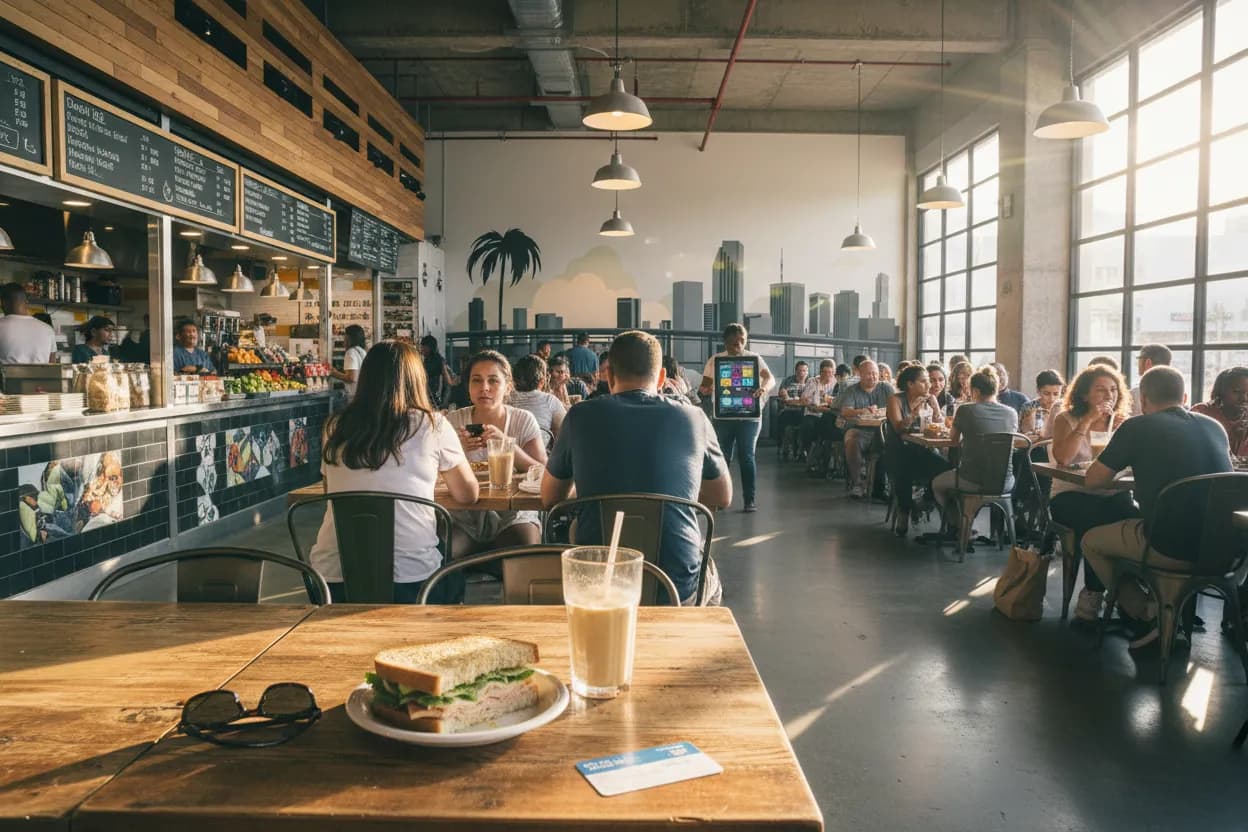
Match the market or hall to the group
For a two-person dinner, you can take more risk: one busy counter, one shared table, and a shorter patience window. For four or more people, the room matters more than the menu. Look for a setup where people can split up to order, regroup without blocking traffic, and leave easily if the wait is longer than expected. Do not assume every vendor in a market follows the same hours or the same service pace; verify each vendor’s official information before leaving.
Families, visitors, and mixed-age groups need a different checklist. Confirm whether the official venue page provides current access details, public entry information, and any operational notices. If someone in the group has mobility needs, do not rely on old photos or third-party blurbs. Miami-Dade Transit’s official transportation page points riders to elevator and escalator status, rider alerts, service updates, real-time tracking, and trip planning tools. Those checks belong in the dinner plan, especially if your route uses rail or mover connections.
Also decide what “done” looks like. A food hall stop can be complete after one plate and a drink, while a market night might include browsing and several vendors. Setting that expectation in advance prevents the common Miami mistake: arriving hungry, waiting too long, then debating the next move on a sidewalk while everyone is already tired.
Keep the first stop easy to reach
Miami-Dade’s Department of Transportation and Public Works says its mass transit system includes Metrobus, BRT Metro Express, Metrorail, Metromover, MetroConnect microtransit service, and Special Transportation Service. That gives you several public-route possibilities, but the correct choice depends on the exact origin, destination, time, and current service notices. Use the official Trip Planner, Transit Tracker, service updates, and rider alerts before you leave, not after the first delay.
If your meal plan touches Downtown or a Metromover connection, check current Metromover notices carefully. The official transportation extract includes an important message that on Saturday, Aug. 15, Metromover service will begin operating at 2 p.m. while upgrade work continues. Because service conditions can change, verify the current page the day of your meal. A dinner plan built around a mover stop should always include a walking, bus, rail, rideshare, or alternate-meal fallback.
For visitors, the cleanest first stop is often the one with the least transfer stress. Pick a place that your group can reach without complicated timing, then make the more adventurous choice the second stop if energy and service conditions allow. Miami nights can be excellent, but they are not improved by turning dinner into a transit puzzle.
Save a nearby option for long waits
A backup is not a sign that the first choice is bad. It is the difference between a plan and a wish. Before leaving, choose a second public dining option in the same general area or along the same transit path. Do not make the backup dependent on a different neighborhood unless the group has already agreed to move. In Miami, the better fallback is usually close, simple, and easy to explain: “If the line is too long, we walk or ride to this other option.”
Use a time trigger. For example, decide that if the first stop cannot seat or serve the group within your agreed patience window, you switch. The exact window is up to your group, but the principle matters: make the decision before hunger and crowd noise take over. If a venue’s official page lists operational updates, vendor information, or access notes, read those before arrival. If it does not, treat uncertainty as part of the risk.
This is also where hype should lose. A room that looks busy online may be unpleasant for a tired group, while a less flashy nearby option may deliver the better night. Miami’s restaurant scene is broad enough that you do not need to force one crowded stop to carry the whole evening.
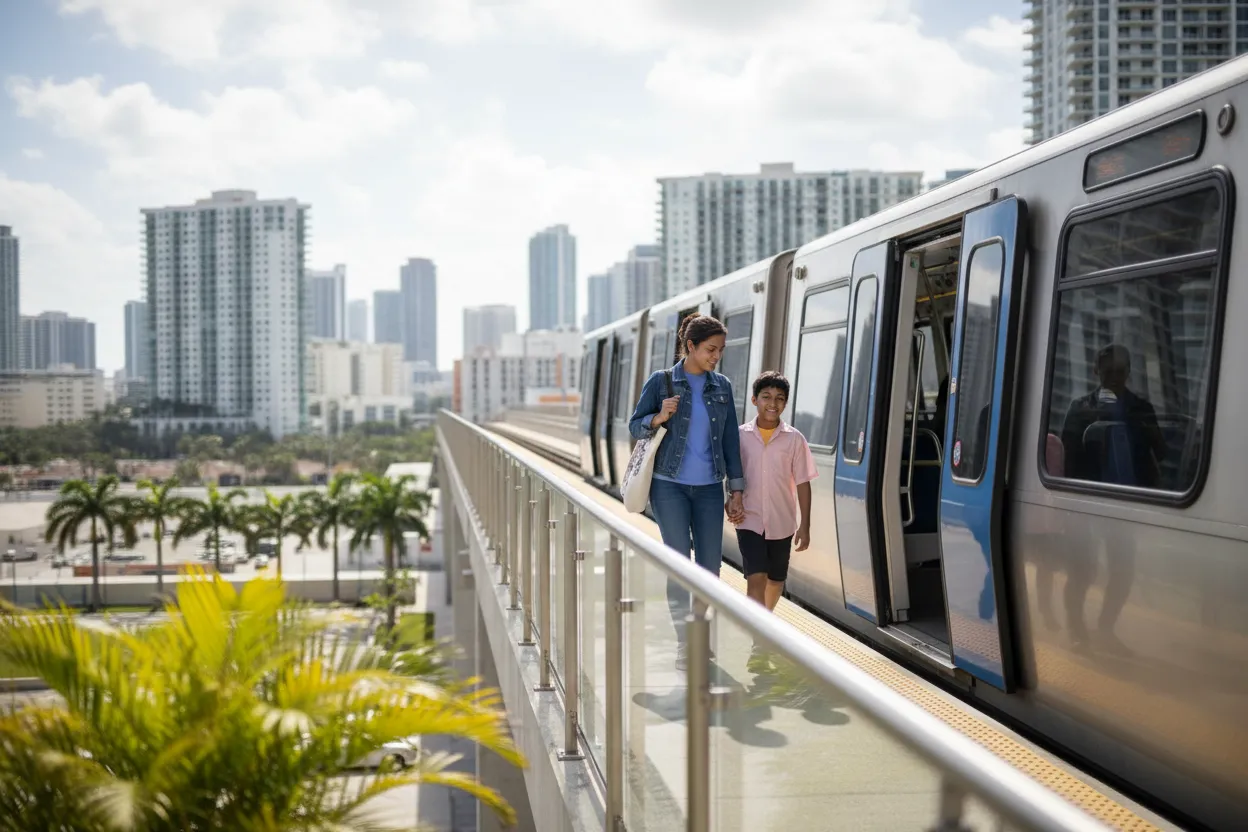
Verify vendor hours before leaving
The final check is boring, and that is why it works: confirm hours, vendor participation, access notes, and transportation status on official pages as close to departure as possible. The official extracts available here do not provide live restaurant or vendor schedules, so no specific opening time, menu item, price, reservation slot, or availability should be assumed. If the market has multiple vendors, check the vendor you actually want, not just the building.
Then check the route. Miami-Dade Transit directs riders to service updates, rider alerts, a Transit Tracker, and a Trip Planner, and it notes that the GO Miami-Dade Transit mobile app can help users plan trips, track rides, and purchase a mobile pass. If your group includes riders who need elevator or escalator access, use the official elevator and escalator status resource before you commit to that route.
End with a simple group text: first stop, arrival target, transit plan, backup, and switch point. That message turns a search-driven dinner idea into an executable Miami plan. It also keeps the jamie komoroski hook where it belongs—as a timely topic, not the foundation for a claim you cannot verify.
Tags: #MiamiRestaurants #MiamiFoodHall #MiamiDining #MiamiMarket #MiamiTransit #GreaterMiami #MiamiBeach #LocalLife #RestaurantPlanning #DinnerPlan #FoodMarket #AskKarpo #BeforeYouGo #KarpoGuide
Sources consulted: miamiandbeaches.com · miamidade.gov · miamidade.gov
All trademarks are the property of their respective owners.
Ask Karpo first
Ask Karpo first before you cross town for a crowded Miami meal. Send the neighborhood, your group size, preferred transit mode, and one must-have food category. Karpo can help you pressure-test the route, the access checks, and the backup before the night gets expensive or inconvenient.