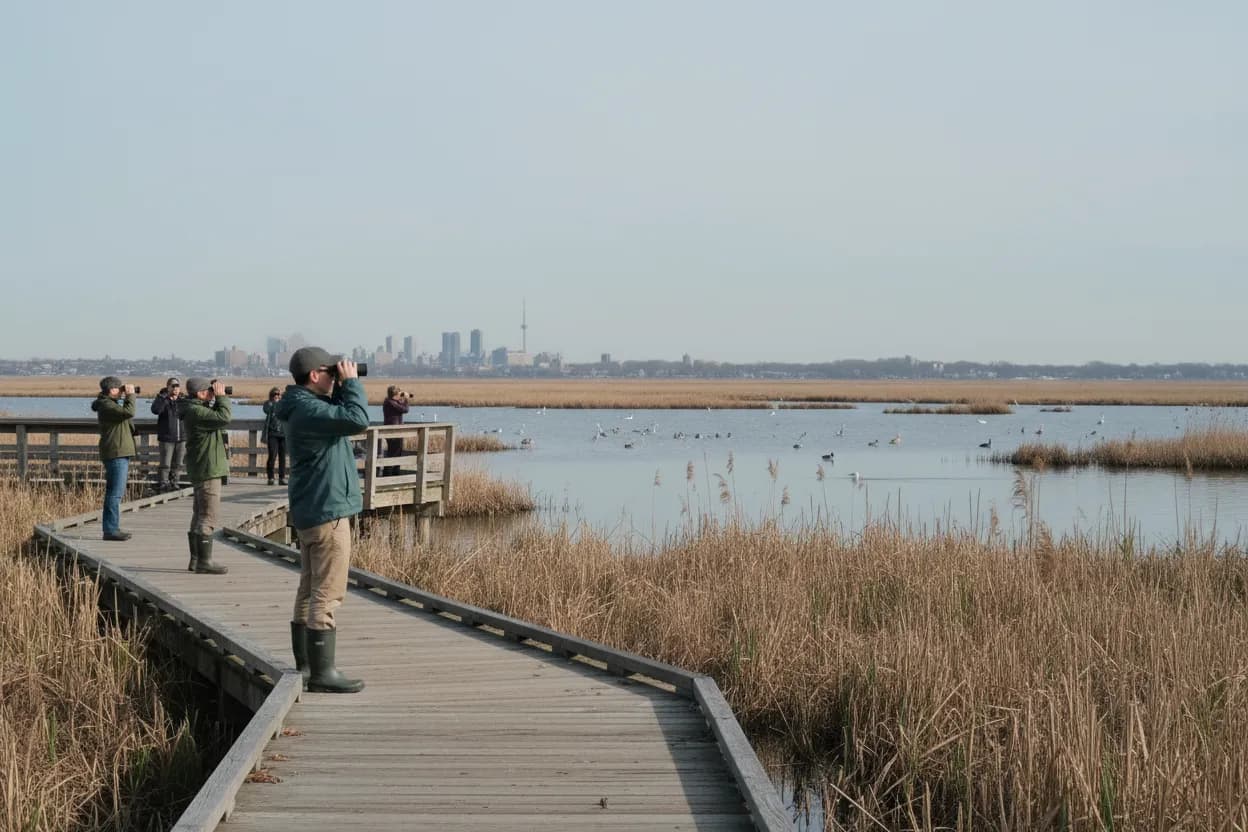
For New Yorkers seeking a genuine escape into nature without leaving the five boroughs, the Jamaica Bay Wildlife Refuge offers an unparalleled opportunity. Nestled within Queens, this expansive habitat is a crucial stopover for migratory birds and home to a diverse array of resident species, making it an ideal destination for budding birdwatchers and seasoned ornithologists alike. Unlike a typical city park, Jamaica Bay immerses visitors in a wild, estuarine landscape, providing a serene backdrop for observing avian life. This guide outlines a practical, low-friction plan for a beginner-friendly birding weekend, emphasizing accessibility and a relaxed pace to maximize enjoyment and minimize stress.
Want to effortlessly weave this birding adventure into your weekend plans, complete with personalized recommendations and real-time updates? Text Karpo for a curated itinerary.
Why Jamaica Bay for Beginner Birders?
Jamaica Bay Wildlife Refuge stands out as an exceptional starting point for birding due to its remarkable biodiversity and relatively accessible viewing opportunities. The refuge's diverse ecosystems, including salt marshes, freshwater ponds, and upland fields, attract a wide variety of birds throughout the year. For those new to birdwatching, this means a higher chance of spotting different species without extensive hiking or specialized equipment. The sheer volume of birds, especially during migration seasons, provides numerous chances for observation and identification practice.
Furthermore, the refuge's layout is generally beginner-friendly. Many trails are relatively flat and well-maintained, offering comfortable walking conditions. Unlike more remote birding locations, Jamaica Bay is easily reachable via public transport within NYC, eliminating the need for a car. This combination of rich avian life and convenient access makes it a welcoming environment for anyone looking to dip their toes into the rewarding hobby of birdwatching without feeling overwhelmed.
Crafting Your Low-Stress Birding Weekend
A successful beginner birding weekend at Jamaica Bay centers on pacing and managing expectations. Instead of rushing to identify every bird, focus on enjoying the experience of being outdoors and observing nature. Plan for a half-day visit initially, perhaps Saturday morning, allowing ample time to explore a single loop trail without fatigue. This approach prevents burnout and keeps the experience enjoyable, encouraging future visits.
Consider bringing a small notebook and pencil to jot down observations – colors, unique behaviors, or sounds – rather than relying solely on immediate identification. This practice sharpens observational skills and deepens engagement with the environment. Packing light, with essentials like water, a snack, and perhaps a basic field guide, will also contribute to a comfortable and low-stress excursion.
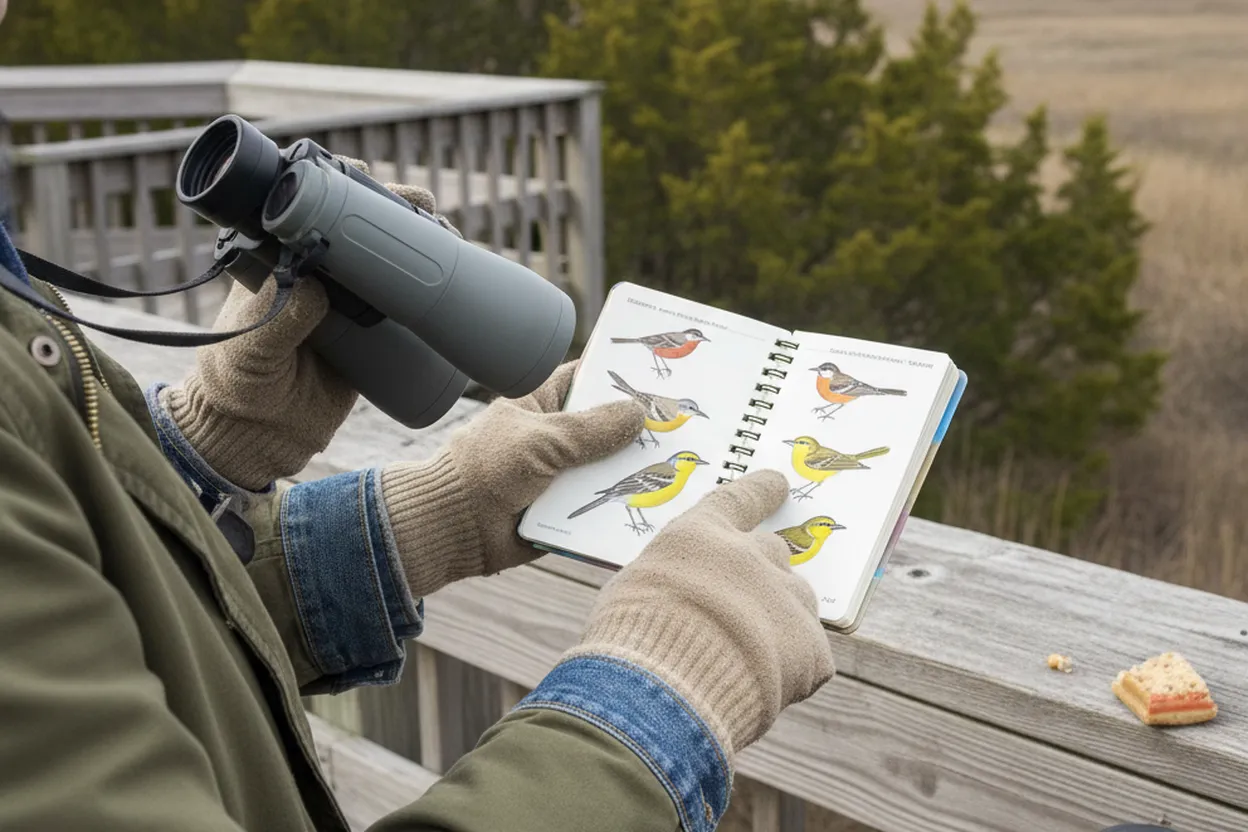
Essential Gear for Your First Outing
While serious birders might carry an array of specialized equipment, a beginner's kit for Jamaica Bay is remarkably simple. The most crucial item is a pair of binoculars. Even an inexpensive pair can significantly enhance your viewing experience, allowing you to see details that are invisible to the naked eye. Opt for models with a magnification of 7x or 8x, as these provide a good balance of power and a wide field of view, making it easier to locate birds.
Beyond binoculars, comfortable walking shoes are paramount, as you'll be on your feet for several hours. Dress in layers, as weather conditions can change, and consider a hat for sun protection. A reusable water bottle is essential for hydration. While not strictly necessary for a first-timer, a basic regional bird field guide can be a valuable companion, aiding in identification and providing interesting facts about the birds you encounter.
Navigating the Refuge: Key Areas for Beginners
Jamaica Bay offers several distinct areas, but for beginners, focusing on the East Pond and West Pond loops is highly recommended. These freshwater impoundments are magnets for a wide variety of waterfowl, shorebirds, and wading birds, especially during migration. The paths around these ponds are generally flat and offer excellent vantage points, often with interpretive signage helping to identify common species. The sheer concentration of birds here increases your chances of successful sightings.
The visitor center area itself, with its immediate surroundings and shorter trails, also provides a gentle introduction. Often, birds can be observed right from the center's windows or nearby feeders. This allows for a comfortable, less strenuous start to your birding journey, particularly if you're still getting comfortable with your binoculars or field guide. Always consult the official website for any trail closures or seasonal recommendations before your visit.
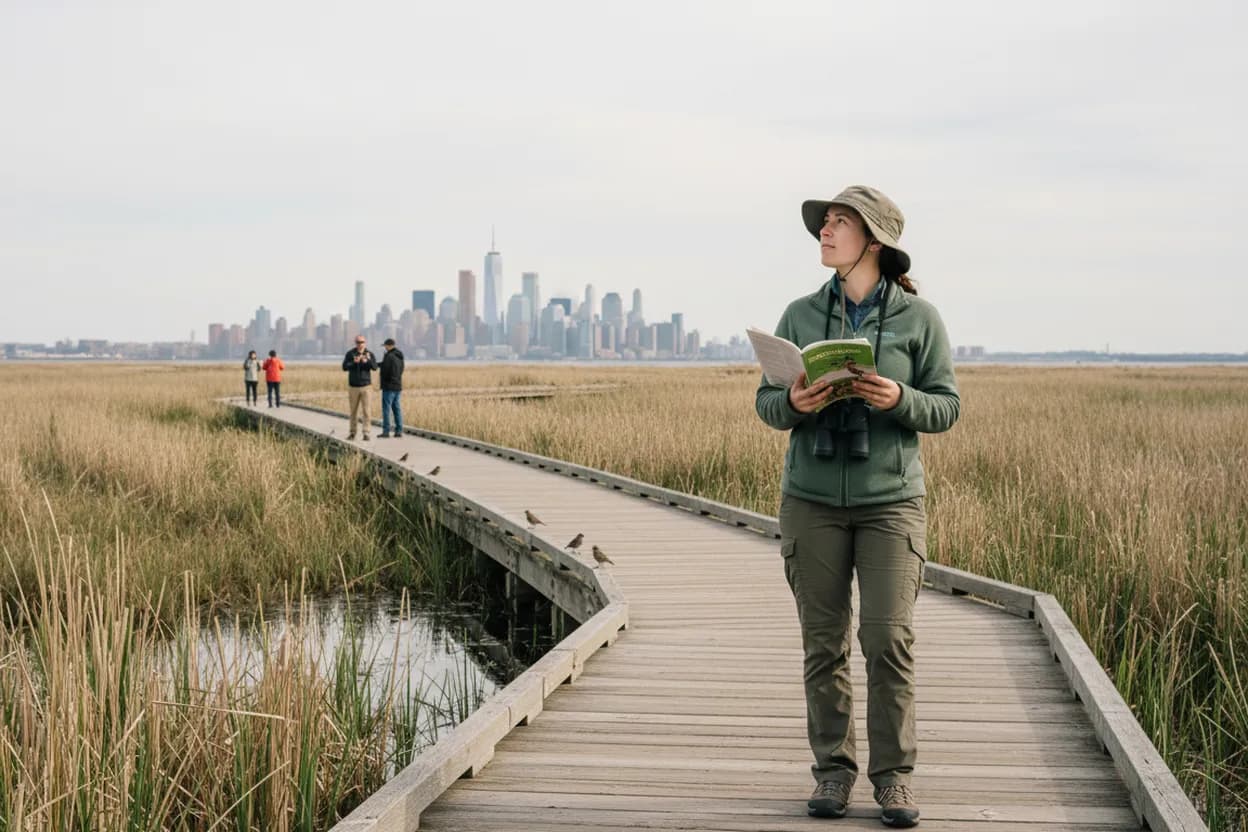
Understanding the Seasonal Rhythms
The birding experience at Jamaica Bay fluctuates significantly with the seasons, offering something unique throughout the year. Spring and fall migration periods are often considered the most exciting, as a vast array of migratory species pass through, making the refuge a bustling hub of avian activity. During these times, you might witness spectacular numbers of warblers, shorebirds, and raptors, presenting a dynamic and ever-changing spectacle.
However, winter also holds its own charm, with large congregations of ducks, geese, and other waterfowl, many of which are not seen during the warmer months. Summer brings nesting birds and their young, offering opportunities to observe breeding behaviors. While there's no 'wrong' time to visit, checking the official website or local birding reports for recent sightings can help you decide when to visit based on your interests and what species you hope to encounter.
Mindful Observation and Etiquette
Approaching birding with mindfulness and respect for wildlife enhances both your experience and the well-being of the birds. Maintain a respectful distance from all animals, especially nesting birds or those that appear stressed. Using binoculars allows for close-up views without intrusion. Keep noise levels low, speak softly, and move slowly to avoid startling birds or other visitors.
Adhering to trail markers and staying on designated paths is crucial for protecting the fragile ecosystems within the refuge. Avoid feeding wildlife, as this can disrupt natural behaviors and diets. Remember that you are a guest in their home, and responsible behavior ensures that Jamaica Bay remains a sanctuary for both birds and future visitors. Patience is a virtue in birding; sometimes the best observations come from simply waiting quietly.
What to verify for Jamaica Bay Wildlife Refuge
To ensure a smooth and enjoyable birding weekend, always perform a few key verifications before heading out. Check the official National Park Service website for Jamaica Bay Wildlife Refuge for current operating hours, any temporary closures, or advisories. Weather conditions can significantly impact your visit, so consult a reliable forecast and dress accordingly, preparing for sudden changes.
Additionally, verify public transportation schedules if you plan to use it, especially for weekend timings which may differ. While the refuge generally offers a tranquil experience, being aware of any ongoing events or group activities that might affect crowd levels can also be helpful. A quick check of recent birding reports from local groups or eBird can also give you an idea of what species have been sighted, adding to the anticipation.
Tags: #JamaicaBayWildlifeRefuge #BirdingNYC #WeekendPlans #QueensNature #NYCWildlife #NatureEscape #BeginnerBirding #OutdoorNYC #ExploreQueens #UrbanNature #NationalParkService #AskKarpo #BeforeYouGo #NYCAdventures
Sources consulted: Jamaica Bay Wildlife Refuge — official site · MTA service information · NYC 311
All trademarks are the property of their respective owners.
Ask Karpo first
Tell Karpo your date, group size, budget, and starting neighborhood. We’ll check current access, timing, transit, and the cleanest plan for Jamaica Bay Wildlife Refuge before you head out.