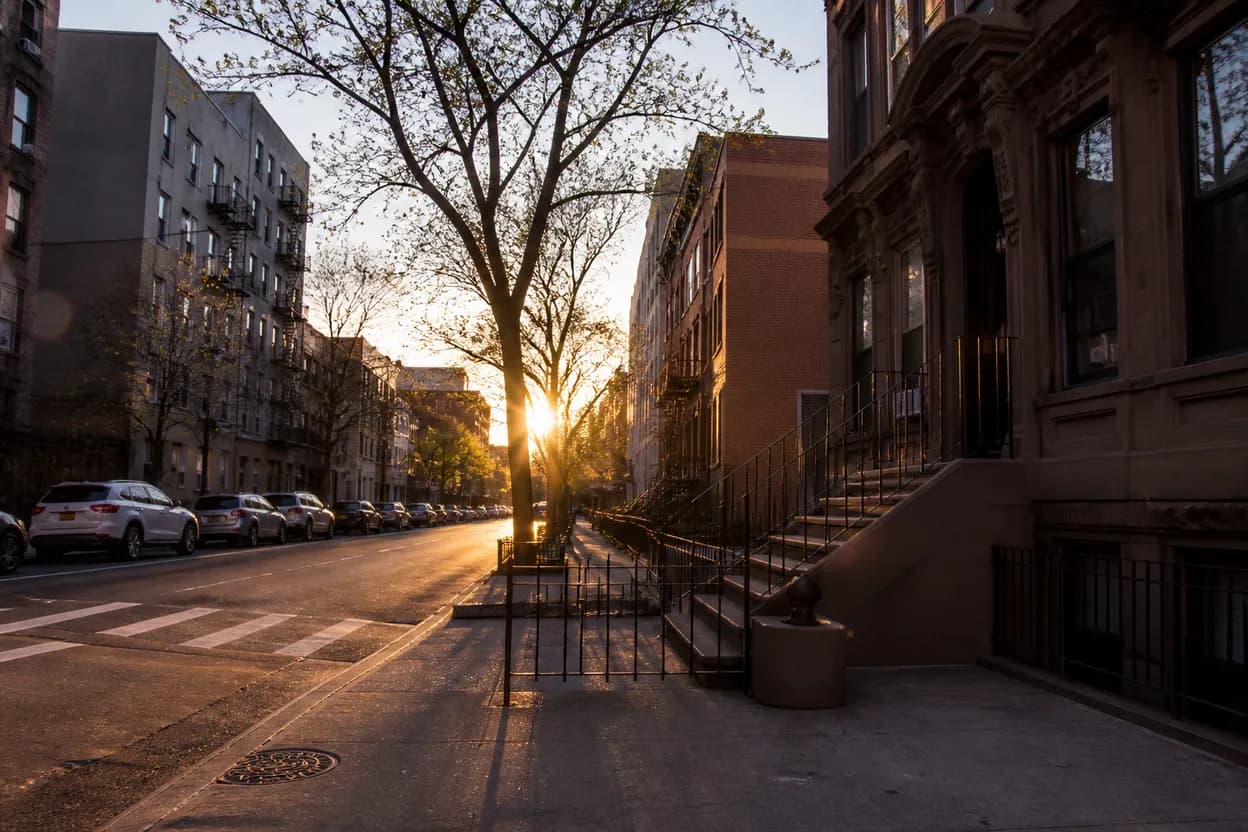
The phrase jake t austin may be what brought you here, but a useful New York City plan should not depend on a celebrity sighting, a repost, or a whispered “maybe.” Treat the search as a timing cue, not evidence. NYC is too big, too crowded, and too changeable to cross town on an unverified assumption. A better approach is to choose one public neighborhood task, confirm what is officially open or listed, anchor the route around transit access, and keep a nearby backup. This guide uses publicly checkable city options—borough guides, cultural itineraries, Restaurant Week, museums, parks-adjacent planning, Broadway, shopping, and budget activities—without claiming any appearance, affiliation, endorsement, private access, or event guarantee.
Want a second set of eyes before you go? Text Karpo with your neighborhood, time window, and must-do stop, and ask for a quick verification-first NYC plan.

Translate the headline into a neighborhood question
When a name is suddenly everywhere online, the wrong move is to ask, “Where is everyone going?” The better NYC question is, “What public neighborhood can I actually enjoy if the rumor turns out to be nothing?” That shift protects your time. Instead of chasing jake t austin content around the city, pick a public-facing plan you would still be happy to do: a meal, a museum corridor, a Broadway area walk, a shopping route, or a borough-focused afternoon.
NYC Tourism frames the city as five boroughs with constant energy, attractions, activities, and neighborhood stories. Use that structure. If you want iconic Manhattan energy, plan around Times Square, Broadway, or Central Park. If you want a food-led route, use official restaurant and borough resources. If you want arts and culture, consider publicly listed cultural institutions and museum options. The point is not to guess where a person might be. The point is to turn attention into an executable city plan.
Choose the area by the actual task
Start with the task, then choose the neighborhood. For dining, NYC Restaurant Week Summer 2026 is officially listed for July 20 through August 16, with two-course lunches and three-course dinners across all five boroughs starting at $30. Do not assume every restaurant, time, or table is available; use the official page and the restaurant’s own booking channel before you travel. If your plan is “eat somewhere good,” that is a stronger anchor than “maybe something is happening nearby.”
For culture, NYC Tourism points readers toward Harlem arts institutions, LGBTQ+ landmarks, Chinatown family businesses, Prospect Heights and Crown Heights cultural institutions, Ridgewood in Queens, and budget-friendly museums and activities. Those are usable planning categories because they connect to public places and neighborhoods. A practical plan might be: one main cultural stop, one nearby meal, and one flexible walk. Keep it simple enough that a delay does not ruin the day.
For classic visitor energy, Manhattan still works because the official city guide highlights Broadway, Times Square, Central Park, observation decks, shopping, and performing arts. But Manhattan also concentrates crowds. If your tolerance for congestion is low, consider a borough plan in Queens, Brooklyn, the Bronx, or Staten Island, all of which NYC Tourism describes as distinct parts of the city with their own food, history, culture, and attractions.
Use transit exits as planning anchors
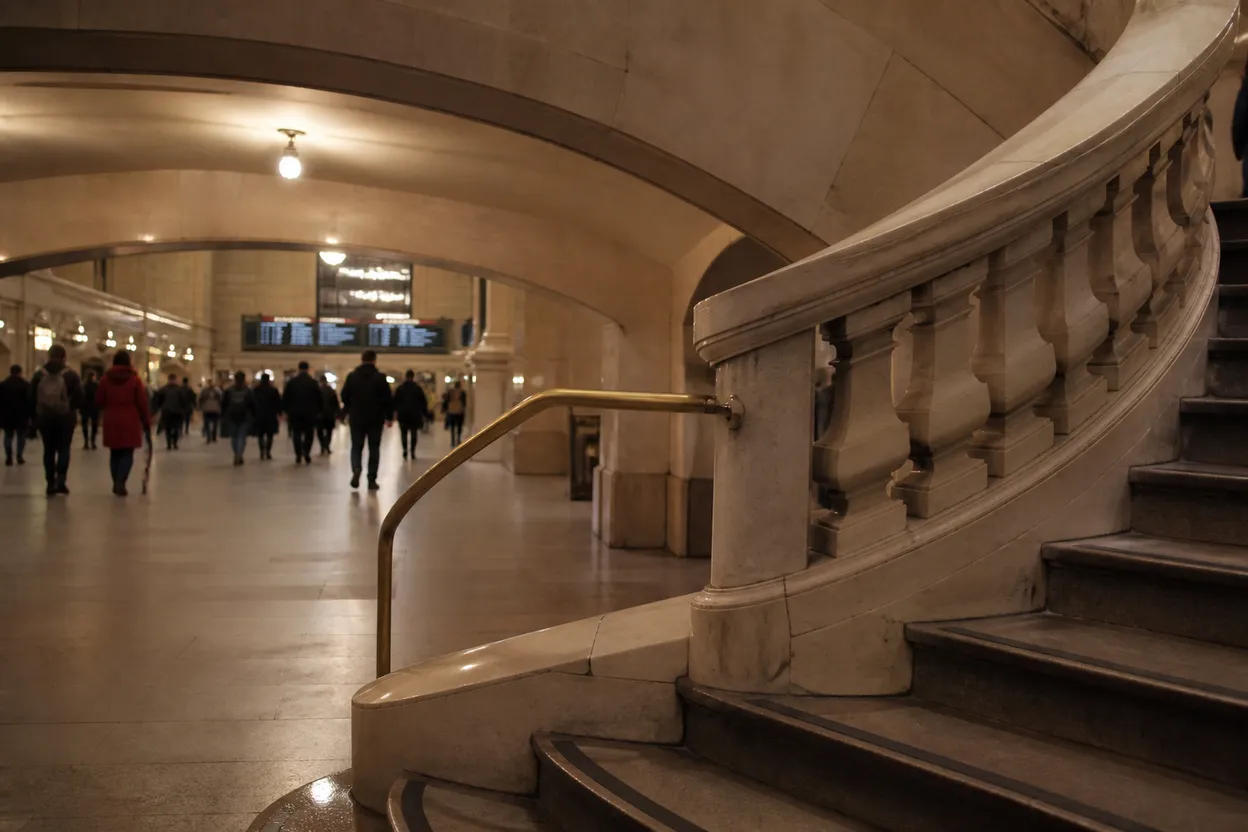
In NYC, “near the station” is not precise enough. A large station can leave you several avenues or blocks from where you intended to be, and the wrong exit can add avoidable walking, stair use, or confusion. Before leaving, check official transit information for service status, accessibility, station exits where available, and any active changes. If official transit pages are unavailable or unclear at the moment you check, build extra time and choose a simpler route.
Make the exit part of the itinerary. Write your plan as: arrival station, preferred exit, first public stop, indoor backup, outdoor backup, return station. This works especially well around high-traffic areas such as Times Square and Broadway, where sidewalks can slow down without warning. It also works in neighborhood corridors where the best experience depends on arriving on the correct side of a park, museum, shopping street, or restaurant cluster.
Do not let a trending name override basic route logic. If a plan requires three transfers, a long walk, and an unverified destination, downgrade it. NYC rewards tight geography. Pick one borough or one neighborhood cluster, then stay there long enough to let the day work.
Add one indoor and one outdoor backup
A verification-first neighborhood guide always needs two backups: one indoor and one outdoor. The indoor option protects you from weather, fatigue, crowds, and schedule changes. Depending on the neighborhood, that could mean a museum, gallery, shopping stop, restaurant, café, performance venue lobby area where public access is allowed, or another officially listed attraction. Verify admission rules, hours, ticketing, and capacity on the venue’s official page before you commit.
The outdoor option keeps the day from collapsing if the indoor stop is full, delayed, or not a good fit. NYC Tourism highlights parks, walking tours, borough exploration, and citywide landmarks as part of the visitor experience. For Manhattan, Central Park is part of the official borough description. For other boroughs, use official borough and neighborhood pages to identify public areas, historic corridors, and walkable clusters. If a park or public space matters to your plan, check current conditions on the relevant official page before crossing the city.
A good backup is nearby, public, and satisfying on its own. A bad backup is another rumor. If the original reason for the outing was jake t austin and the verified plan becomes dinner plus a museum or a neighborhood walk, that is not a failure. That is how you avoid wasting a Friday in transit.
Avoid treating online attention as a local promise
Online attention does not equal a public appearance. It does not mean a person is in NYC, that a venue is involved, that access exists, or that an event will happen. This guide makes no claim that jake t austin is appearing, endorsing anything, affiliated with any neighborhood, or available to the public. In New York, that distinction matters because crowds can form quickly around thin information.
If you see a post naming a restaurant, theater, hotel, studio, park, or neighborhood, verify before acting. Look for an official venue page, a public event listing, a city tourism page, or direct communication from the organization involved. If none exists, treat the information as unconfirmed. Do not call private businesses repeatedly, crowd entrances, block sidewalks, or assume staff can confirm personal movements. A public city plan should not depend on private access.
The same skepticism applies to entertainment listings. NYC Tourism includes Broadway and performing arts, TV show tapings, all-ages venues, nightlife, events, and festivals among city options, but each specific experience can have its own ticketing, timing, and access rules. Verify the official listing, then verify the venue. If those two checks do not line up, pause.
Verify conditions before crossing the city
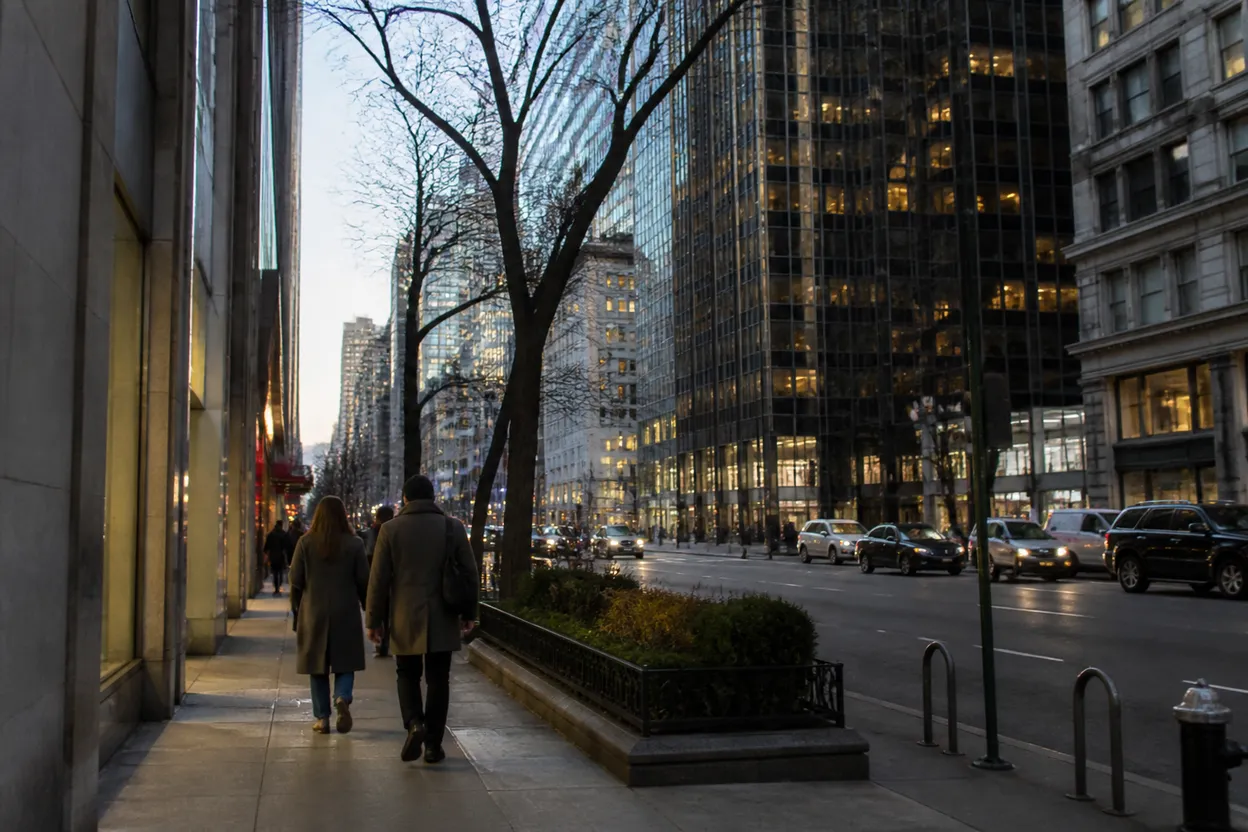
Run a final check in this order: official destination page, official city or tourism listing where relevant, transit status, weather-sensitive access, reservation or ticket confirmation, and backup distance. This is especially important during citywide promotions such as NYC Restaurant Week Summer 2026, when interest can be high and details may vary by restaurant. The official listing gives the program frame; the individual restaurant confirms the practical details.
Build a crowd-risk rating for yourself. Low risk means one neighborhood, one confirmed stop, flexible timing, and a nearby backup. Medium risk means a popular area like Times Square, Broadway, or a major museum corridor. High risk means unverified celebrity chatter, a vague address, no official listing, and a plan that requires crossing boroughs. If your plan lands in the high-risk category, redesign it before you leave.
A solid NYC day does not need secret information. It needs a public destination, a checked route, a realistic time window, and a reason to enjoy the neighborhood even if the internet was overexcited. Let the headline start the idea, but let official sources decide the plan.
Tags: #AskKarpo #BeforeYouGo #NYC #NeighborhoodGuides #NewYorkCity #Manhattan #Brooklyn #Queens #TheBronx #StatenIsland #NYCTransit #NYCRestaurantWeek #CityPlanning #VerifiedPlans
Sources consulted: nyctourism.com · new.mta.info · nycgovparks.org
All trademarks are the property of their respective owners.
Ask Karpo first
Ask Karpo first if your NYC plan starts with a name, rumor, or screenshot. Send the neighborhood, time window, official link, and your backup preference. Karpo can help pressure-test the route, flag weak assumptions, and turn online attention into a public plan that still works.


