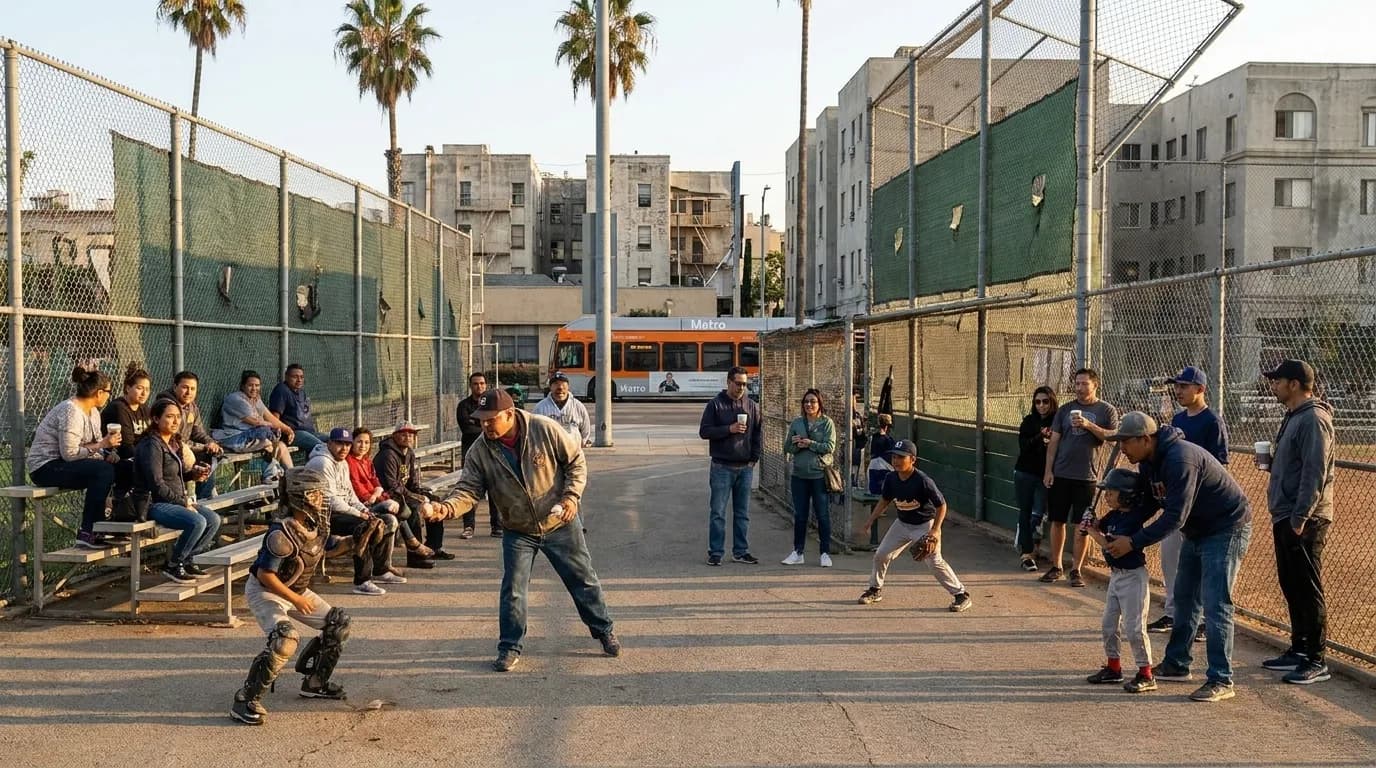
Youth baseball players inspired by MLB catcher Jake Rogers can find training opportunities across Los Angeles neighborhoods through the city's extensive recreation center network and independent baseball facilities. The LA Parks system operates dozens of recreation centers throughout East LA, South LA, and the San Fernando Valley that offer baseball programming, while independent batting cage facilities provide year-round practice space. Parents seeking position-specific instruction for catchers and players working on defensive fundamentals will find a range of options from free city-run programs to paid clinics led by experienced coaches. The key is matching your player's age, skill level, and schedule to the right facility and program format, whether that means structured weekday evening sessions or open Saturday morning practice time.
Not sure which Los Angeles neighborhood facility fits your player's position, age group, and schedule? Text Karpo your neighborhood, your player's age and position, whether you prefer weekday evenings or weekend mornings, your budget per session, if you need Metro access, and whether open batting cages work as a backup practice option. We'll help you identify the right rec center or training facility and confirm coaching focus before you commit.
LA Parks Recreation Centers and Baseball Programming
The Los Angeles Department of Recreation and Parks operates recreation centers citywide that provide sports programming including baseball. Many centers offer seasonal leagues, skills clinics, and open practice time on their baseball diamonds and multi-use fields. City-run programs typically operate at low cost or free, making them accessible entry points for families exploring youth baseball. The LA Parks website lists facilities by neighborhood and sport, allowing parents to search for centers near their home or along convenient transit routes. Program availability varies by season and center, so checking directly with your local facility ensures current offerings match your needs.
Timing Your Training Sessions
Weekday evenings and Saturday mornings tend to be prime times for youth baseball instruction when coaches run position-specific drills and structured practice sessions. Weekday sessions typically start between 4:30 and 6:00 p.m. to accommodate school schedules, while Saturday morning slots often begin between 8:00 and 10:00 a.m. These windows offer the best chance of finding organized coaching and group instruction. For families with flexible schedules, weekday late mornings or early afternoons may provide quieter access to batting cages and practice fields for independent work. Always confirm current program schedules directly with facilities, as offerings shift seasonally and enrollment may be required in advance.
Metro Access to East LA, South LA, and Valley Centers
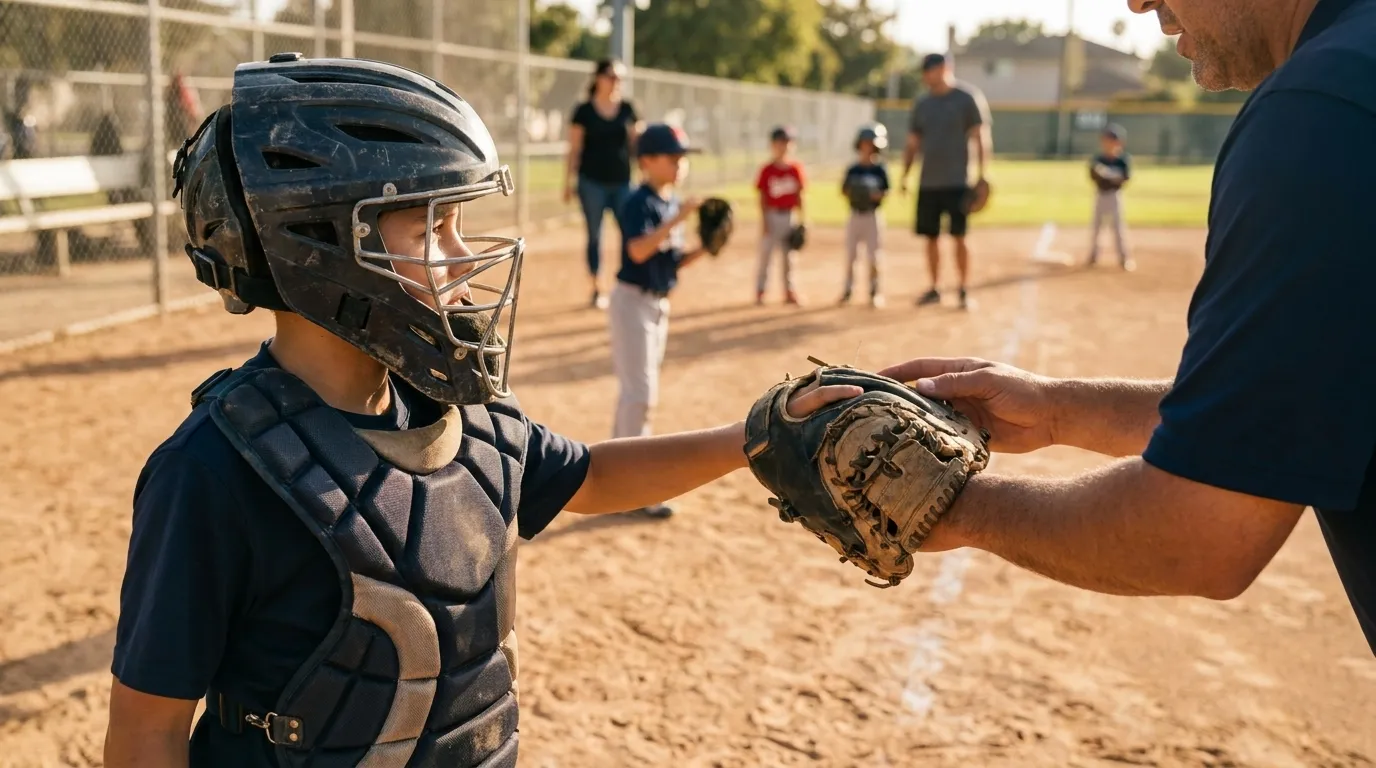
Metro rail and bus lines connect to recreation centers across Los Angeles, making baseball training accessible without a car. The Metro A Line (Blue) and E Line (Expo) serve stations near South LA and East LA recreation centers, while the Metro B Line (Red) and Orange Line reach San Fernando Valley facilities. From Metro stations, local bus routes or short walks typically complete the journey to specific rec centers. Parents should map the full door-to-door route including any transfers and walking segments, then factor in equipment bags and whether younger siblings will accompany you. The Metro trip planner and LA Parks facility locator together help identify the most transit-friendly training options for your household.
Budget Expectations and Program Costs
Baseball training costs in Los Angeles vary widely based on program type and facility. City-run recreation center programs often operate free or at minimal cost, providing an affordable starting point for youth players. Independent batting cage facilities and private coaching clinics typically charge per session, with rates influenced by instruction level, group size, and facility amenities. When budgeting, consider whether you're paying per visit or enrolling in a multi-week program, and ask about sibling discounts or package rates if multiple family members will participate. Equipment costs—gloves, bats, helmets, catcher's gear—add to the overall investment, though some programs provide shared equipment for beginners.
Confirming Catcher-Specific Instruction
The biggest uncertainty for families seeking position-specific training is whether a given program offers dedicated catcher instruction or focuses primarily on general baseball skills. Not all youth clinics include specialized coaching for catchers, and age-group fit matters—some programs group younger players together regardless of position, while others separate by skill level or position once players reach a certain age. Before enrolling, call the facility or check their website to confirm coaching focus, ask about the instructor's background, and clarify whether catcher-specific drills like blocking, framing, and throwing to bases are part of the curriculum. This upfront conversation prevents mismatched expectations and ensures your player gets relevant instruction.
Backup Plan: Open Batting Cages and Independent Practice
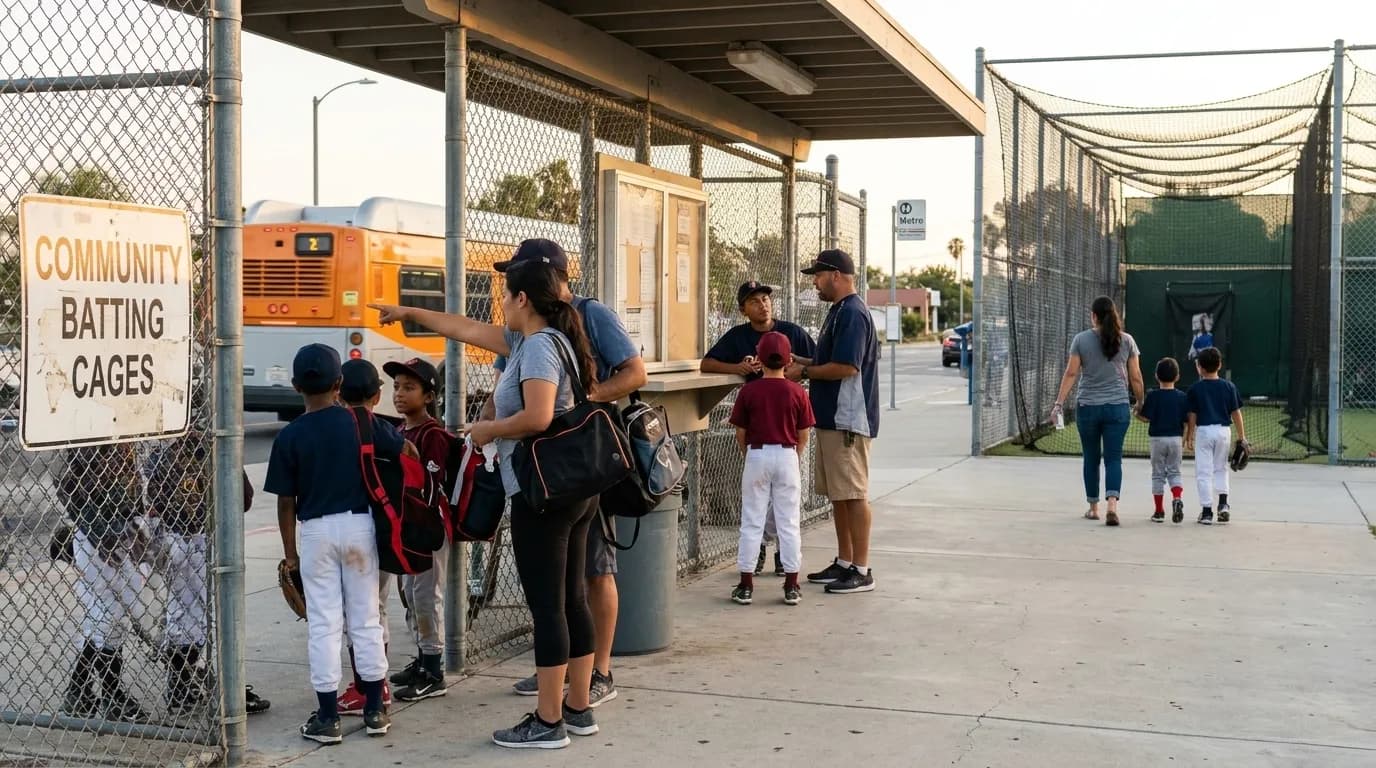
If structured coaching doesn't align with your schedule or the program doesn't offer the position-specific work you're seeking, open batting cages at the same facility or nearby parks provide a solid backup for independent practice. Many batting cage facilities rent cage time by the half-hour, allowing a parent or teammate to pitch or feed balls while the player works on swing mechanics and plate discipline. This approach gives you flexibility to practice on your own timeline and focus on the specific skills your player needs. Bring your own equipment, arrive with a practice plan, and use video on your phone to review swings. Independent cage work complements formal instruction and keeps skills sharp between coached sessions.
Companion Fit and Family Logistics
Youth baseball training works best when the logistics fit your family's routine. Consider whether younger siblings can safely accompany you to practice, whether the facility has seating or shade for waiting parents, and whether the location allows you to combine the trip with other errands or activities. Some recreation centers offer concurrent programming for different age groups, letting multiple children participate simultaneously. If you're relying on Metro, factor in total travel time and whether your player can manage equipment on public transit. The right training program is one your family can sustain week after week without excessive stress or schedule conflict.
Tags: Jake Rogers, Los Angeles baseball training, youth baseball clinics, catcher training, batting cages Los Angeles, LA Parks recreation centers, neighborhood baseball, East LA baseball, South LA baseball, San Fernando Valley baseball, Metro accessible sports, youth sports Los Angeles, position-specific coaching, baseball defensive skills, plate discipline training
Sources consulted: mlb.com · laparks.org · laparks.org
All trademarks are the property of their respective owners.
Ask Karpo first
Tell Karpo your Los Angeles neighborhood, player's age and position, preferred weekday or weekend schedule, budget per session, whether you need Metro access, and interest in open batting cages as a backup practice option.