The boardwalk at Jacob Riis Park isn't selling you anything. No rental kiosks, no food trucks in formation, no attendants directing foot traffic. What it offers instead is a wooden loop stretching east from a 1930s bathhouse, a structure whose arches and columns still command attention even as its interior remains gutted and off-limits. The benches face the Atlantic in patient rows. The regulars occupying them know the wind patterns, the good hours, the way the light shifts across the water. This is summer travel stripped of the itinerary—a place that was once grand and is now simply here.
The Bathhouse Arcade
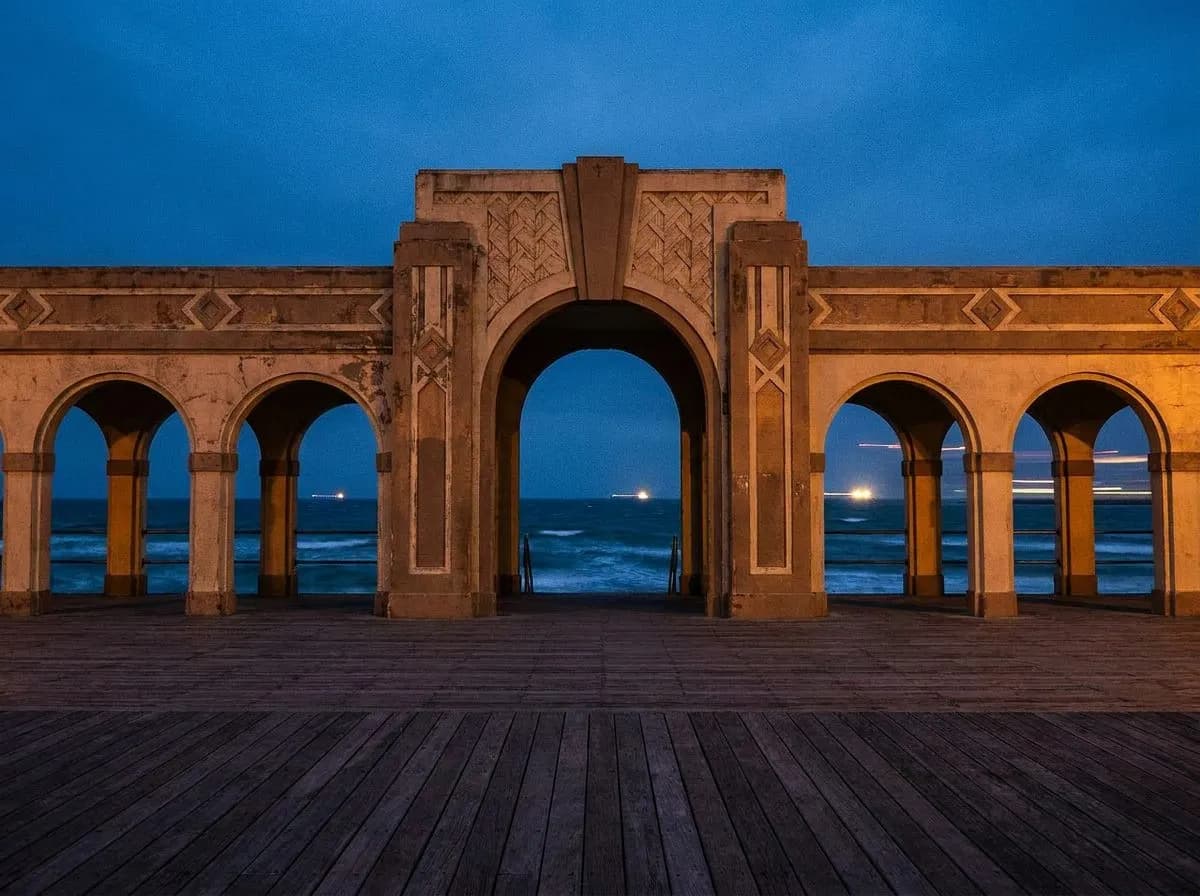
The bathhouse stands at the western end of the loop, its art deco facade still legible beneath decades of salt air and deferred maintenance. The interior is closed, casualties of storms and budget cuts leaving hollow spaces behind locked doors. But the arcade remains open, a series of vaulted arches running along the building's length. Most visitors walk straight through to the beach. The regulars know better.
The third arch from the east offers the best wind shelter on breezy days, a pocket of still air where the geometry of the structure breaks the ocean gusts. It's a detail that matters more than it should—the difference between lingering and retreating, between a place that works and one you merely pass through. The arches frame the beach in clean vertical slices, each one a slightly different composition of sand and water and sky.
The Bench Geography
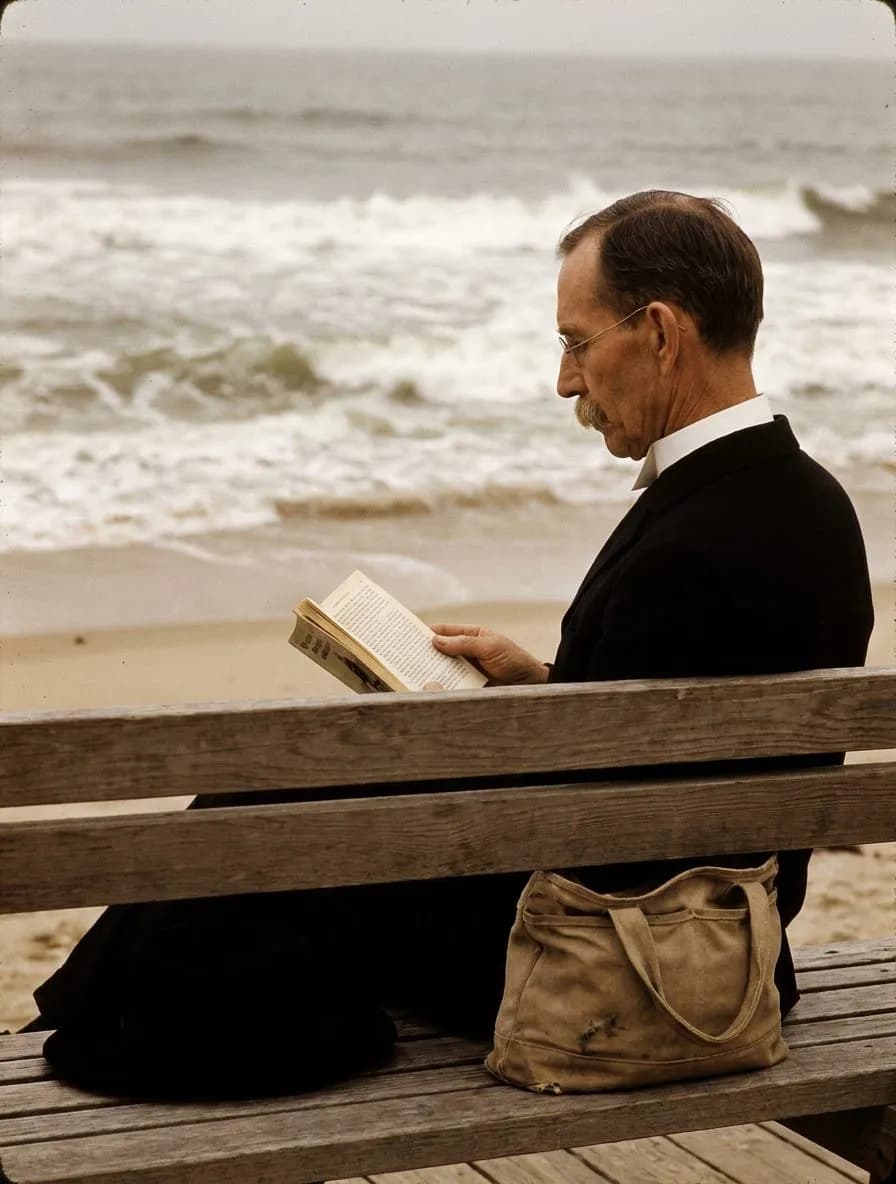
The benches are where the loop becomes something other than exercise. Dozens of them line the boardwalk, painted the same municipal green, spaced at intervals that suggest postwar optimism about crowds that no longer come in the same numbers. Each bench faces the water directly. No angles, no concessions to conversation. The assumption is that you're here for the view.
The westernmost bench—nearest the bathhouse—is known among regulars as the 4pm bench because it catches the last direct sun before the building's shadow shifts across the boardwalk. The name circulates quietly, the kind of knowledge that marks you as someone who has spent enough afternoons here to notice. By late afternoon, that bench is usually claimed. The shadow line creeps east, the temperature drops a few degrees, and the light goes amber and long across the water.
The Loop Itself
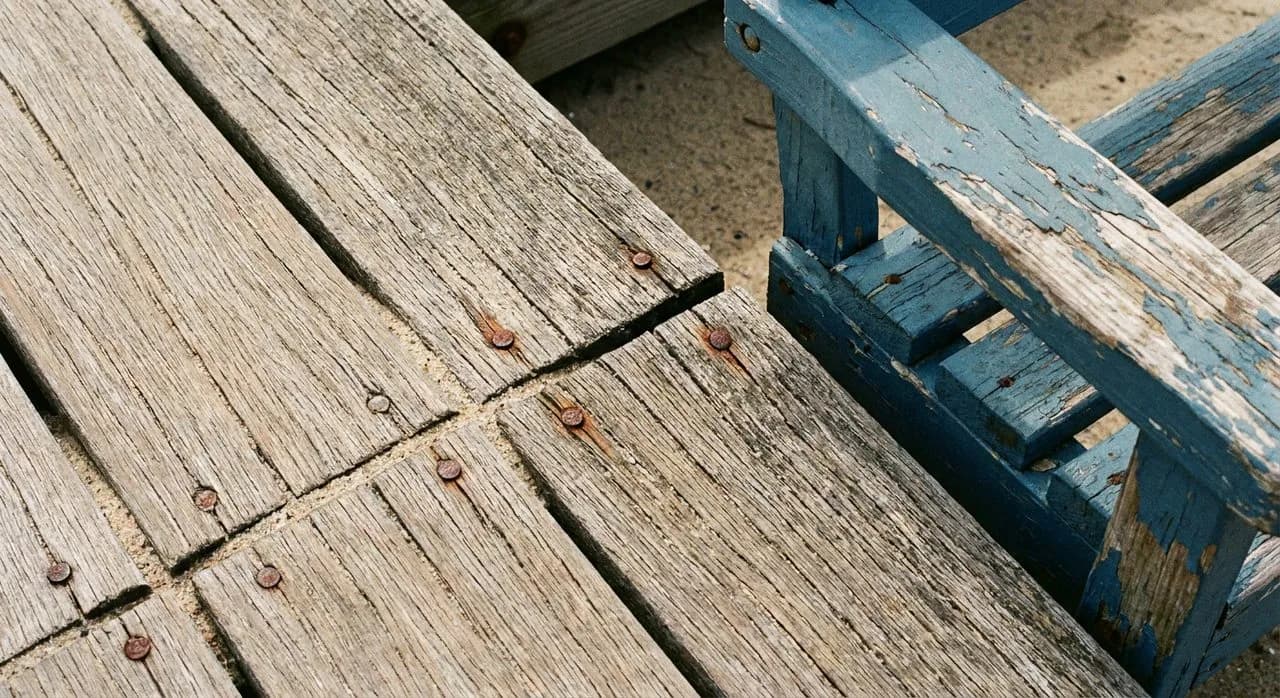
The boardwalk runs just under a mile if you walk to the eastern end and back. The wood is weathered smooth in the high-traffic center, splintered and soft at the edges. In places the boards have warped, creating gentle rises and dips that your feet register before your eyes do. The Atlantic stays on your left during the outbound leg, close enough that you can hear the specific texture of each wave's collapse—the hiss and drag of foam on sand.
The pace here resists hurry. Runners use the adjacent paths; the boardwalk belongs to walkers, strollers, people who stop mid-loop to lean on the railing and watch the water for no particular reason. Gulls work the tideline. The occasional plane lifts from JFK, improbably low and loud. The infrastructure is aging in real time—rust blooms on railings, concrete crumbles at the edges—but the loop continues to function, a piece of public architecture doing exactly what it was designed to do seventy years after the ribbon cutting.
The Regulars
By mid-morning the benches begin to fill with people who arrive with the ease of habit. They bring books they may or may not read, thermoses of coffee, the kind of compact folding chairs that suggest this is not their first visit. Some nod to each other. Most simply settle in, claim their sight lines, and let the hours pass. There's a quality of attendance here, a showing up that doesn't require justification or agenda.
The loop accommodates solitude without enforcing it. You can walk the length of the boardwalk and exchange nothing more than the occasional nod, or you can strike up a conversation with the person on the next bench about the wind direction or the likelihood of rain. Both options feel equally natural. The structure of the place—benches in rows, a single wooden path, the ocean as the shared focal point—creates a loose sociability that doesn't demand anything.
Getting There
The Rockaways require commitment. This isn't a neighborhood you pass through on the way to somewhere else. The Q22 bus drops passengers at the park entrance, a fact that sounds simpler than it is—the walk from the stop to the boardwalk adds an extra eight minutes that most guides don't mention, a stretch of parking lot and access road that can feel punishing in full sun or headwind. The distance is a filter. The people who make it to the benches tend to stay awhile.
The beach itself sprawls in both directions, wide and pale and largely uncommercialized. Jacob Riis sits within the larger Gateway National Recreation Area, a designation that has protected it from certain kinds of development while leaving it vulnerable to the slower erosion of neglect. What remains in 2026 is a place held in suspension—neither restored to its original grandeur nor fully given over to ruin, but somewhere in between, functioning and fraying in equal measure.
What Remains
There's no narrative arc to a visit here, no crescendo or reveal. The boardwalk loop is what it is at the beginning and what it remains at the end: wooden planks, ocean views, benches facing the water, a bathhouse that once was. The appeal lies precisely in that constancy, the absence of manufactured experience. You walk, you sit, you watch the light change. The infrastructure decays by increments small enough to ignore on any single visit but visible across seasons.
Jacob Riis Park asks very little and offers exactly what it has: a place to be near the ocean without pretense, a loop that accommodates the pace you bring to it, benches that will still be here next summer. The art deco bones of the bathhouse catch the afternoon light. The Atlantic continues its work on the shore. The regulars return, claim their spots, and settle in. The loop persists.
Practical notes
Jacob Riis Park is located at 157 Rockaway Beach Blvd., Rockaway Park, NY 11694. The Q22 does not provide direct Brooklyn service; NPS says take the Q22 or Q35 to Jacob Riis Park/Beach 149th Street, with inside-park bus stops in season and Beach 149th Street stops off-season. Jacob Riis Park is open daily from 6 a.m. to 10 p.m., while swimming beach lifeguard service is seasonal from Memorial Day weekend through Labor Day, 10 a.m. to 6 p.m. The site is largely accessible, though the boardwalk's weathered boards can pose challenges for wheeled mobility devices in places. Bring sun protection, water, and layers for wind. No food concessions operate reliably; plan accordingly.
Tags: #JacobRiisPark #TheRockaways #TheLongWayHome #NYCBeaches #ArtDecoArchitecture #BoardwalkWalks #AtlanticOcean #GatewayNationalRecreationArea #QueensNYC #SummerNYC #CoastalDecay #BeachBenches #NewYorkCity #UrbanNature #SlowTravel
Sources consulted: Jacob Riis Park - Wikipedia · Jacob Riis Park - National Park Service · Jacob Riis Park - NYC Parks · Rockaway Beach and Boardwalk - Wikipedia · MTA Transit to Rockaway
All trademarks are the property of their respective owners.