When search interest around Jackson Koivun rises—whether tied to tournament results, qualifying news, or social media buzz—it's a reminder that golf fans planning multi-day trips to the 2026 US Open at Flushing Meadows often look for ways to stay engaged with the game between sessions. Queens is home to a growing number of indoor golf simulator facilities, and they offer a practical solution for visitors who want to work on their own swing, escape afternoon heat or rain, or simply fill hours before an evening round at the championship. This guide connects that planning need to real neighborhood options, transit logistics, and the rhythm of a tournament week in New York.
Text Karpo with your US Open session time and Queens starting point, and we’ll turn this golf simulators idea into a practical local plan.

Why Indoor Golf Fits a US Open Trip
The US Open runs across multiple days, and most fans attend one or two sessions rather than camping at Flushing Meadows from dawn to dusk every day. That leaves mornings, late afternoons, or rain delays open for other activities. Indoor golf simulators let you hit real balls into a screen that tracks distance, spin, and trajectory, often with virtual courses and practice modes. For traveling golfers, it's a chance to loosen up before walking miles of fairway ropes, or to debrief your own game after watching the world's best. For casual fans, it's an accessible introduction to the sport in a climate-controlled setting.
Queens facilities range from dedicated simulator lounges with food and drink to driving ranges that have added indoor bays for year-round use. Because the borough stretches from Long Island City near Manhattan to the Nassau County line, you'll find options close to your hotel, near the 7 train corridor, or within a short ride of Flushing Meadows Corona Park. Contact facilities directly to confirm current availability, booking policies, rates, and whether walk-ins are accepted during your visit dates.
Flushing and Downtown Flushing Options
Downtown Flushing sits less than two miles north of the US Open venue, connected by the 7 train, buses, and ride-share routes. The neighborhood's density and commercial energy mean you'll find simulator bays tucked into mixed-use buildings, often above restaurants or next to fitness centers. These spots cater to local leagues and after-work players, so morning and early afternoon slots tend to be quieter. If you're staying near the tournament or arriving early on match day, a Flushing simulator session can serve as a warm-up ritual or a way to fill time before gates open.
Downtown Flushing also offers dense food options—hand-pulled noodles, soup dumplings, Korean barbecue—so you can combine a simulator hour with lunch before heading to the park. Check facility websites or call ahead to confirm bay availability and current booking requirements, especially during weekday evenings when local players may reserve in advance.
Long Island City and Astoria Access
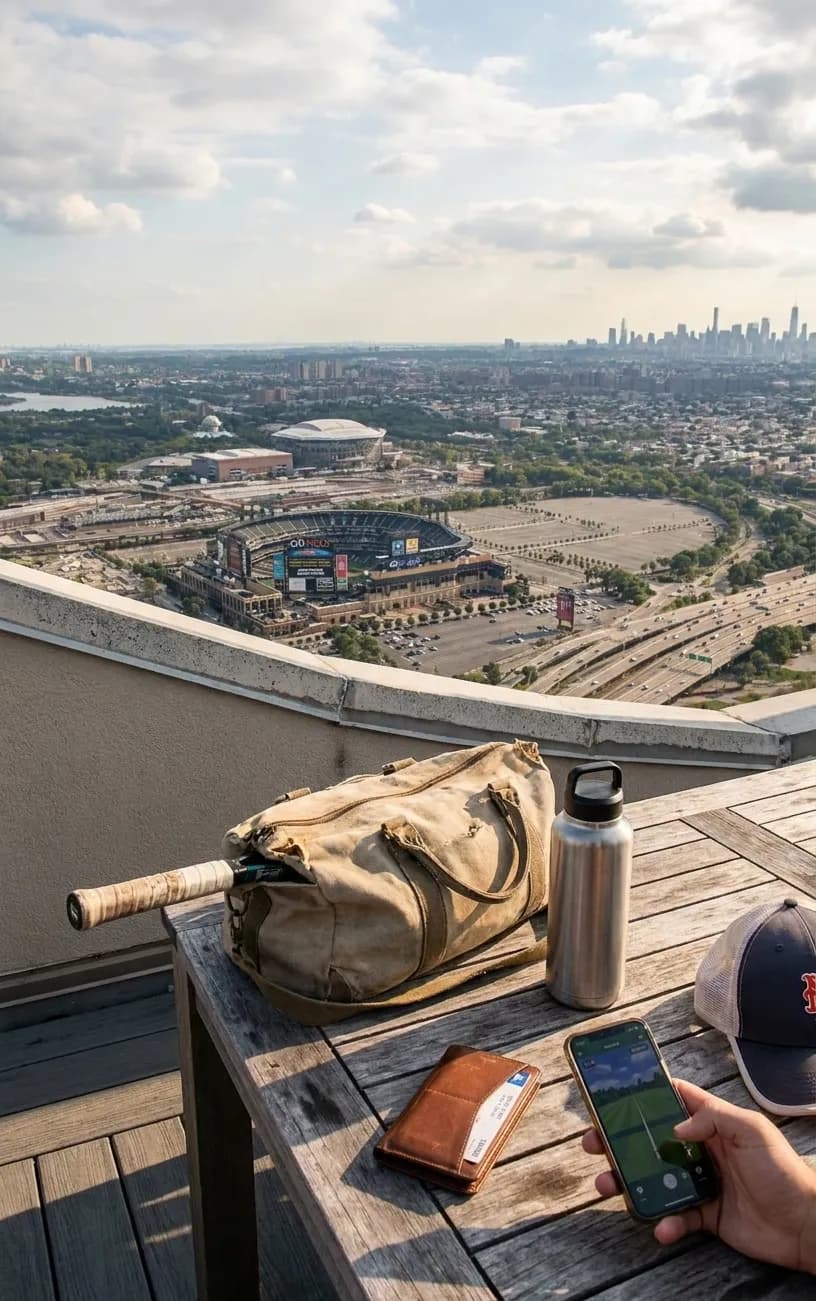
Long Island City has emerged as a hub for boutique fitness and entertainment venues, and simulator lounges have opened in converted warehouses near the waterfront or along Queens Boulevard. These facilities often emphasize social play—groups can book bays, order food, and rotate through closest-to-the-pin challenges or virtual tournaments. If you're staying in Manhattan or Brooklyn and taking the 7 or N/W trains to Flushing Meadows, Long Island City is a convenient stop on the way back, letting you decompress after a long day on your feet.
Astoria, one stop further on the N/W, has a similar mix of entertainment and dining. Simulator facilities here tend to be smaller and more neighborhood-focused. Both neighborhoods offer quick subway connections to Midtown, so you can build a simulator visit into a broader evening plan without backtracking. Verify current hours, rates, and booking methods with each facility before planning your stop.
What to Expect Inside a Simulator Bay
Most Queens simulator setups use launch monitors—devices that measure club speed, ball speed, launch angle, and spin—to project your shot onto a screen showing a virtual course or driving range. You'll hit real golf balls (usually range balls provided by the facility) with real clubs, either your own or house sets that may be available. The software calculates where your ball would land, then advances you to that spot for your next shot.
Facilities typically offer practice modes—driving range, chipping green, putting green—and play modes that let you complete 9 or 18 holes on virtual courses. Some systems include games like longest drive or accuracy challenges, which work well for groups with mixed skill levels. Bays are usually semi-private, separated by netting or partial walls, and many venues serve beer, wine, and snacks. Dress codes are relaxed; sneakers and casual athletic wear are fine.
Timing Your Visit Around US Open Sessions
The US Open schedule includes practice rounds, early-round matches, and weekend finals, each with different gate times and crowd patterns. Practice rounds and early morning tee times mean you might have free afternoons; weekend rounds often run late, leaving mornings open. A simulator session works well as a buffer activity—book a bay for the morning if you're attending an afternoon session, or reserve a slot if you're done at the course by mid-afternoon. Check the official US Open schedule on usopen.org for current gate times and session details.
Rain delays and weather interruptions are part of outdoor golf, and the US Open is no exception. If you're holding tickets for a session that gets postponed or shortened, a nearby simulator offers a ready-made Plan B. Many facilities allow online booking, so you can pivot quickly without losing the day. Confirm same-day booking policies with individual venues in advance.
Combining Simulators with Other Queens Activities
Queens is New York's most diverse borough, and a US Open trip is a chance to explore beyond the tournament grounds. A morning simulator session in Flushing pairs naturally with a walk through Flushing Meadows Corona Park—home to the Unisphere, Queens Museum, and New York Hall of Science. Verify current hours, admission policies, and access details for cultural venues on their official websites before visiting.
If you're based in Long Island City, you can combine simulators with a visit to MoMA PS1, Gantry Plaza State Park, or the waterfront area. Jackson Heights, a short 7 train ride from Flushing, offers one of the city's best food corridors, with Indian, Tibetan, Colombian, and Ecuadorian restaurants lining Roosevelt Avenue and 37th Avenue. A simulator stop in nearby Woodside or Elmhurst can anchor a broader culinary tour. Corona, immediately west of Flushing Meadows, is known for its Latin American food scene and proximity to Citi Field.
Practical Notes for Simulator Planning
- **Booking ahead**: Contact facilities directly or check websites to confirm current booking policies, availability, and whether reservations are recommended for your visit dates.
- **Group size**: Most bays accommodate four to six players; solo and pair bookings are common during daytime hours.
- **Pricing structure**: Rates and policies vary by facility; verify current pricing, minimum requirements, and any food-and-beverage policies before booking.
- **Club rental**: Confirm whether house clubs are included or available; bring your own if you prefer familiar grips and shafts.
- **Footwear**: Golf shoes are rarely required; clean sneakers or athletic shoes work fine on artificial turf mats.
- **Skill level**: Simulators welcome beginners; staff can help with setup, and software often includes tutorials.
- **Transit connections**: Check MTA trip planner for subway and bus routes; most Queens simulator neighborhoods are served by the 7, N, W, E, F, M, or R trains. Verify current service status on mta.info before travel.
- **Weather independence**: Simulators operate year-round, unaffected by heat, rain, or wind that might disrupt outdoor plans.
Rechecking Details Before You Go
Simulator facilities update hours, pricing, and booking policies regularly, especially around major events like the US Open. Visit business websites or call directly to confirm current rates, bay availability, and any tournament-week promotions. The official US Open site provides the latest gate times, transportation options, and prohibited-items lists, all of which affect how you schedule your day. NYC Parks and MTA sites offer real-time service updates and park information for Flushing Meadows and surrounding transit routes.
By treating a simulator visit as a flexible, bookable block in your US Open itinerary—rather than a rigid must-do—you'll have a practical tool for managing energy, weather, and downtime across a multi-day tournament trip. Whether you're a serious golfer looking to stay sharp or a casual fan curious about the game, Queens indoor golf facilities offer a climate-controlled, accessible way to engage with the sport that brought you to Flushing Meadows in the first place.
Tags: #USOpen2026 #Queens #FlushingMeadows #KarpoFinds #Karpo #jacksonkoivun #NewYorkLocal #TennisTravel
Sources consulted: usopen.org — Official event schedule · usopen.org — Official visitor A-Z guide · usopen.org — Official transportation directions · usopen.org — Official prohibited-items guide · NYC Parks — Flushing Meadows Corona Park · New York Mets — Citi Field
All trademarks are the property of their respective owners.