The 2026 US Open at the USTA Billie Jean King National Tennis Center in Flushing Meadows, Queens, will draw hundreds of thousands of fans across two weeks of championship tennis. But the most instructive moments may happen before the gates officially open—when grounds crew smooth clay, players warm up on practice courts, and the first coffee vendors unlock their carts. These quiet morning hours offer a lesson in focus that has nothing to do with forehands or rankings: intentional preparation, unhurried observation, and the discipline to arrive before the noise. This approach, inspired by the search curiosity around jackson koivun and the broader interest in how athletes and fans alike find clarity in routine, turns a tennis tournament into a workshop on attention.
Text Karpo with your US Open session time and Queens starting point, and we’ll turn this jackson koivun idea into a practical local plan.
Why Early Mornings at Flushing Meadows Teach Focus
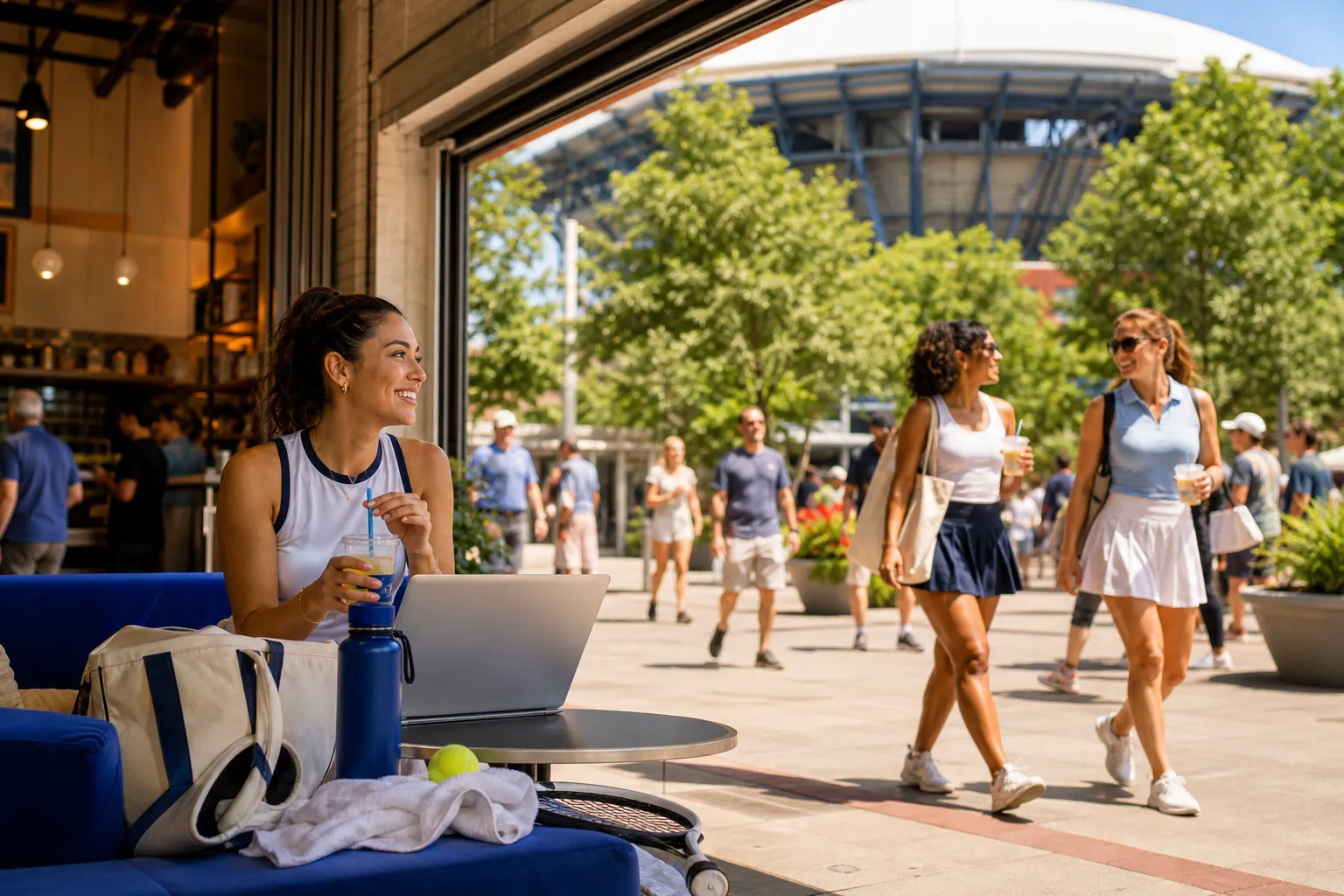
The early part of a US Open day offers a fundamentally different experience than the afternoon crush, especially when you verify current gate and schedule details before leaving. Practice courts are active but not mobbed. Walkways are clear. The Unisphere in adjacent Flushing Meadows Corona Park catches morning light without selfie queues. This environment rewards the visitor who treats arrival as part of the event, not a prelude to it. Watching a top-seeded player drill backhands for thirty minutes, without commentary or distraction, teaches patience and the value of repetition. Observing how grounds staff prepare a court surface with methodical care models thoroughness. These are focus lessons that don't require a ticket upgrade—just an earlier alarm.
Coffee Stops and Slow Starts in Queens
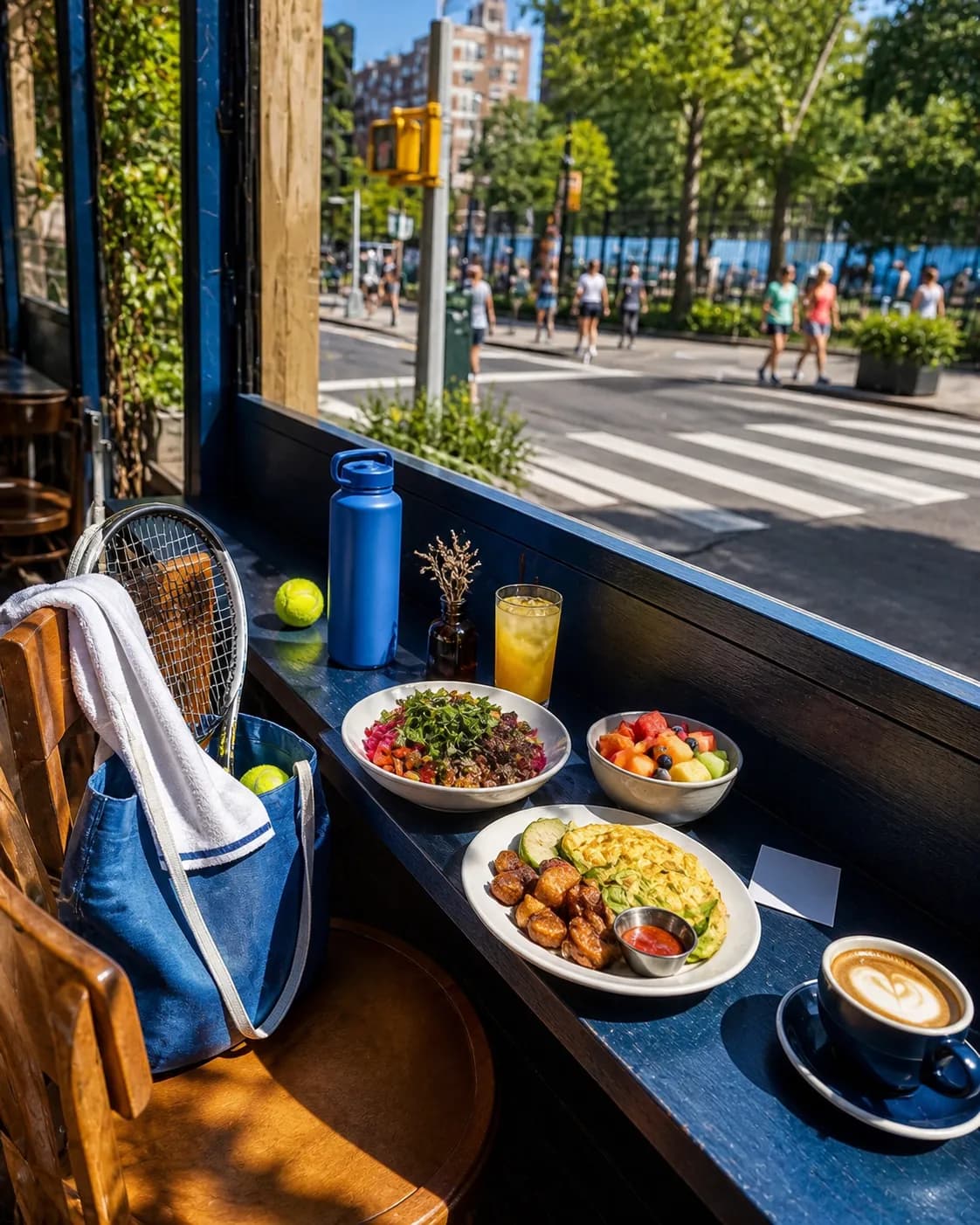
The neighborhoods surrounding the tennis center—Corona, Flushing, Jackson Heights—are home to bakeries, diners, and coffee shops that open early and operate at a human pace. Stopping for a cortado or a buttered roll before entering the tournament grounds turns the commute into a ritual. The act of sitting, sipping, and reviewing the day's order of play on the official US Open app builds a calm foundation. This isn't about caffeine; it's about creating a buffer between the subway ride and the stadium, a moment to set intention rather than react to crowds. The lesson applies beyond tennis: starting any high-stimulus day with a low-stimulus anchor improves decision-making and emotional regulation.
Practice Court Watching as a Discipline
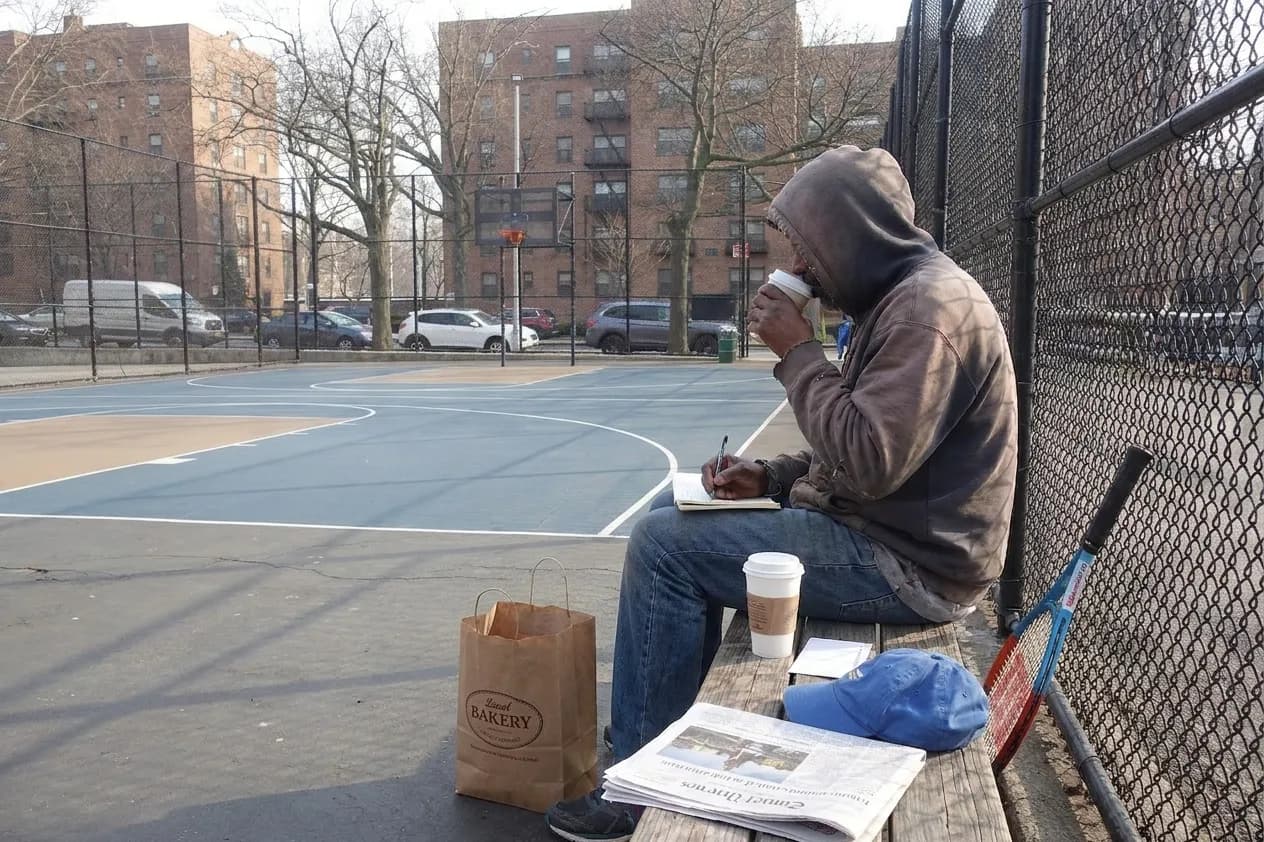
The US Open practice courts are open to grounds-pass holders and offer close-up views of players warming up, testing serves, and working with coaches. Unlike stadium matches, there's no scoreboard drama or crowd energy—just repetition, adjustment, and quiet concentration. Spending thirty minutes watching a player hit the same shot from the same spot, over and over, is a lesson in how excellence is built. It's also a lesson in attention span: can you stay engaged without the dopamine of a tiebreak? The answer reveals how much of our focus depends on external stimulation versus internal interest. Early-morning practice watching is a low-stakes way to train sustained attention, and it's free with your tournament pass.
Getting There: MTA and Walking Routes
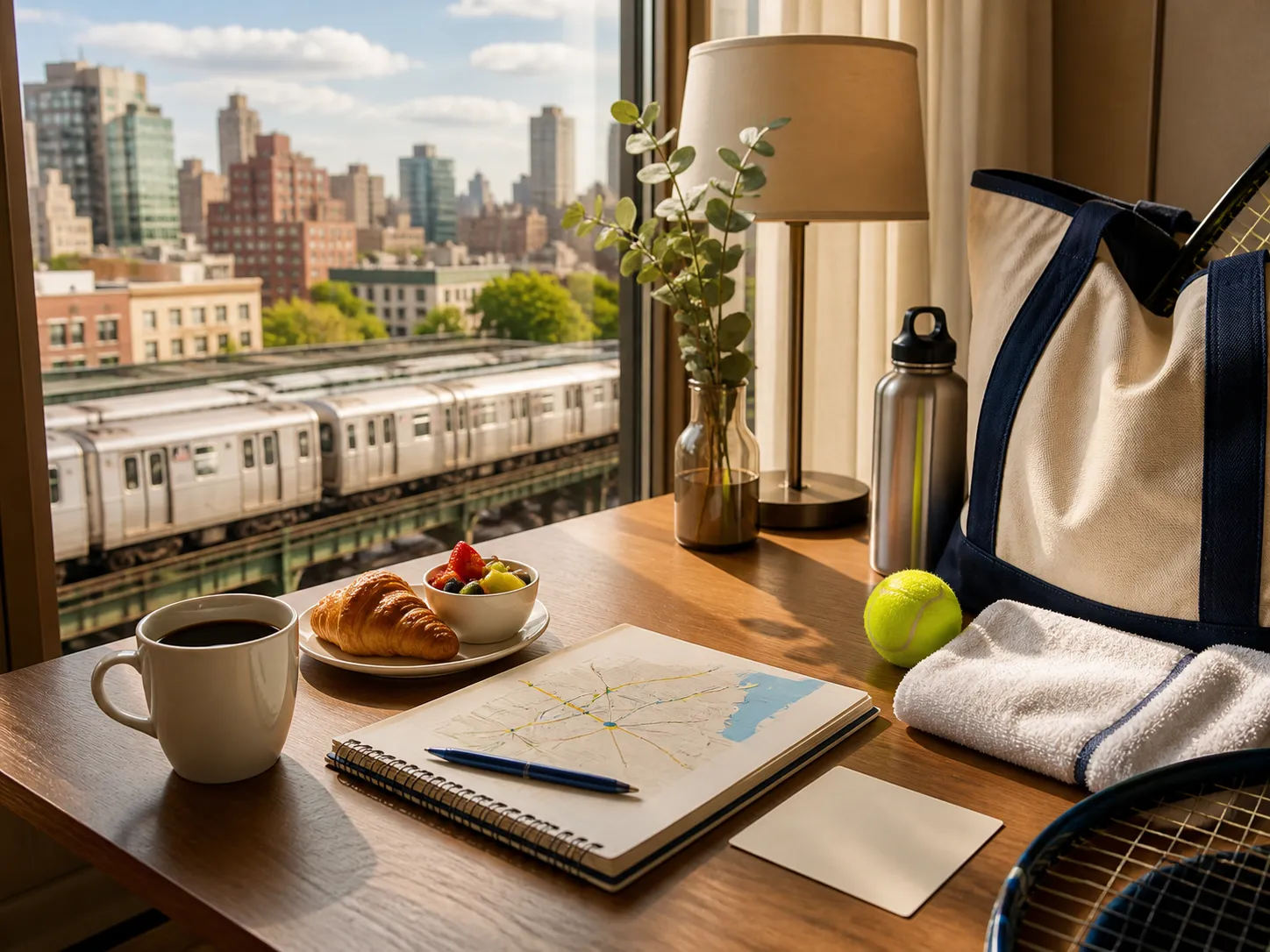
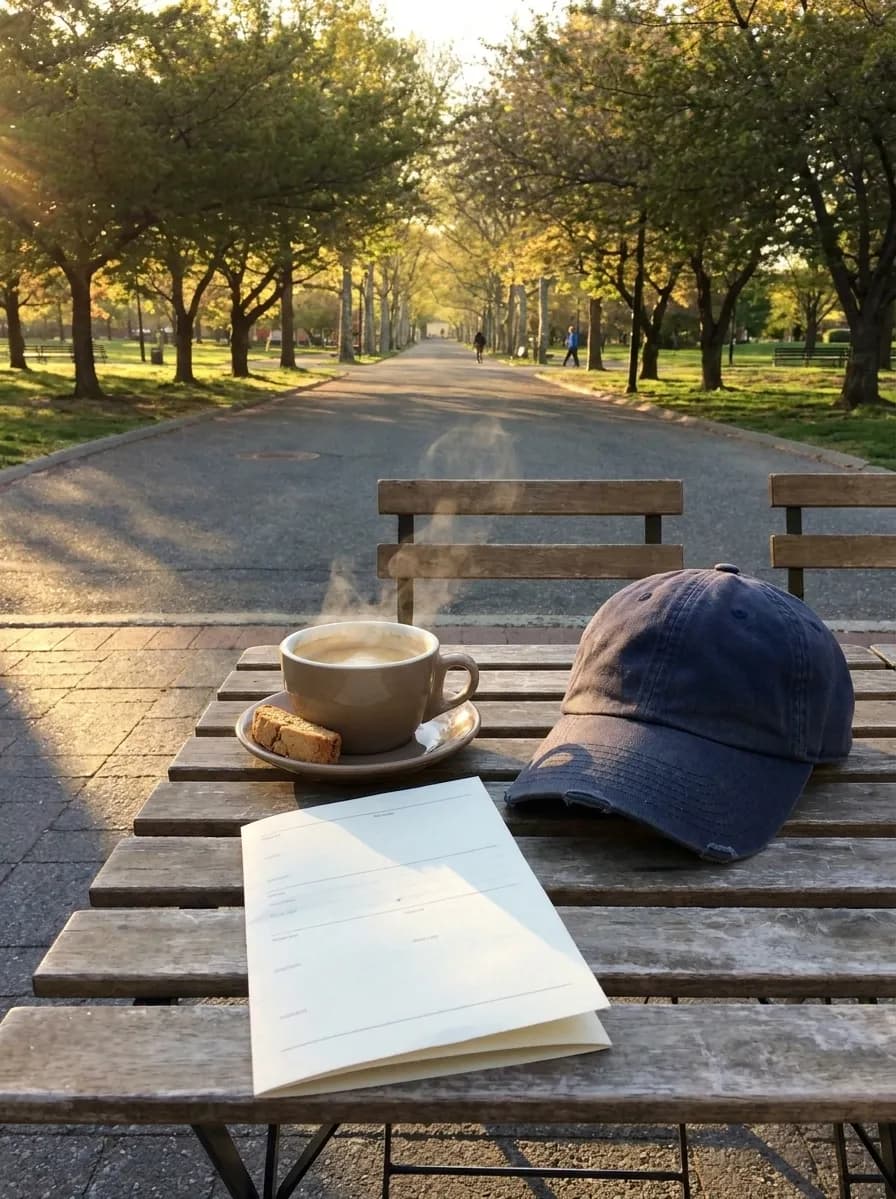
The MTA provides dedicated US Open service on the 7 train to Mets–Willets Point station, with increased frequency during the tournament. Arriving on the first or second train of the morning—rather than the midday surge—means empty cars, available seats, and a walking path to the tennis center that feels more like a park stroll than a commuter shuffle. The official MTA guide and the US Open transportation page both recommend arriving early to avoid congestion, but the advice is usually framed around convenience. The deeper benefit is psychological: starting your day in control, rather than compressed, sets the tone for everything that follows. Walking through Flushing Meadows Corona Park before the grounds open also offers a chance to see the Unisphere, the Queens Museum, and the park's meadows without the tournament crowds.
What to Bring and What to Leave Behind
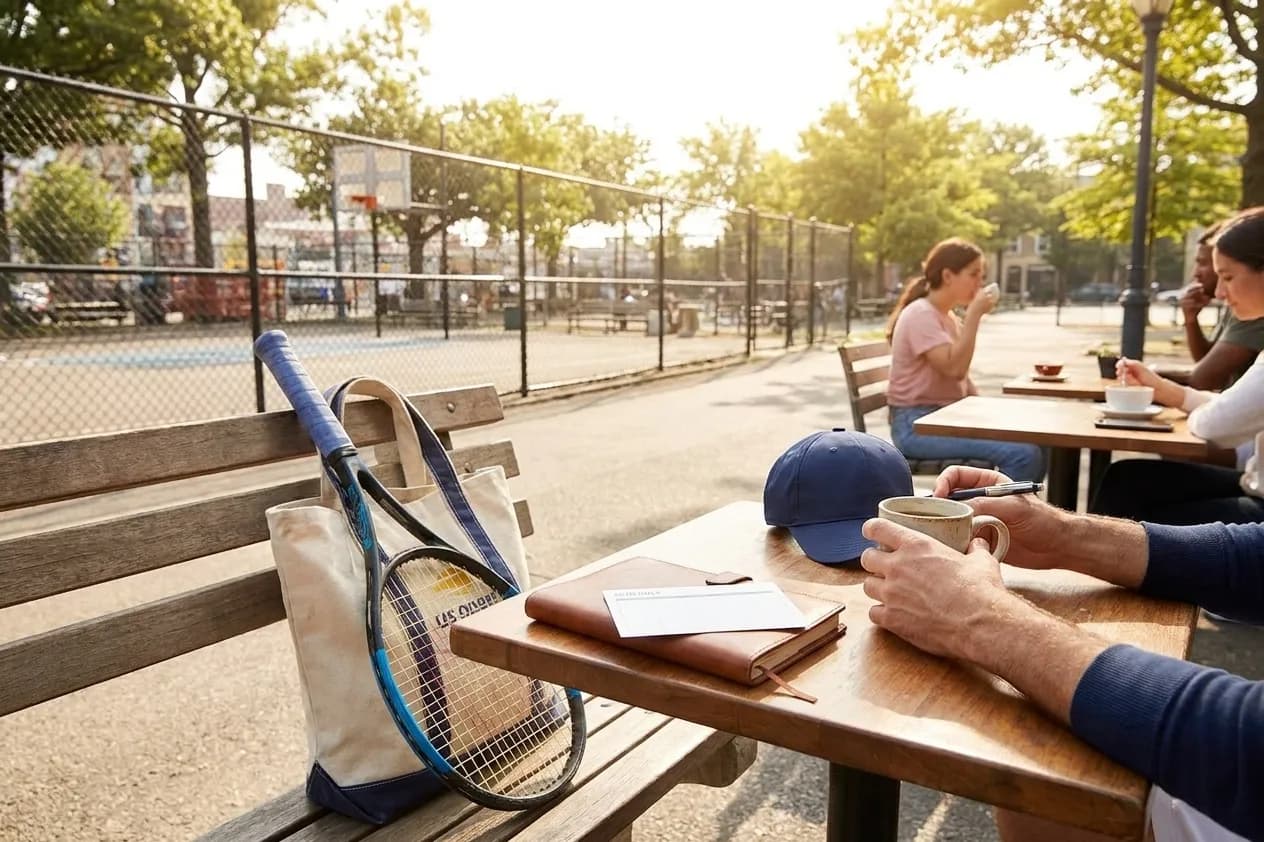
The US Open prohibited-items list is detailed and enforced. Large bags, backpacks, glass containers, and outside food are not permitted. Arriving early means shorter security lines, but it also means planning your carry carefully. A small crossbody bag, sunscreen, a hat, and a refillable water bottle (empty until you pass security) are the essentials. The official visitor A-Z guide covers everything from accessible seating to nursing rooms, and reviewing it the night before prevents surprises. The discipline of packing light and checking rules in advance is another quiet focus lesson: preparation reduces friction, and friction drains attention.
Practical Notes for Quiet US Open Mornings
- Check the official US Open event schedule at usopen.org for daily gate opening times, which vary by session and tournament phase.
- Use the MTA 7 train to Mets–Willets Point; the first trains of the morning are least crowded and most reliable.
- Review the prohibited-items list at usopen.org before packing to avoid delays at security.
- Plan a coffee or breakfast stop in Corona or Flushing before entering the grounds to create a calm transition.
- Arrive at least ninety minutes before your first scheduled match to allow time for practice court watching and unhurried exploration.
- Bring a refillable water bottle (empty through security), sunscreen, a hat, and a small bag that meets size restrictions.
- Download the US Open app for real-time practice court schedules and order of play updates.
- Visit the NYC Parks page for Flushing Meadows Corona Park to explore walking routes and park amenities before or after your session.
The 2026 US Open will be a spectacle of athleticism, drama, and crowd energy. But the quietest hours—before the stadium gates open, before the announcers take the microphone, before the lines form—offer something rarer: a chance to practice focus in an environment designed for distraction. Arriving early, moving slowly, and watching without urgency are skills that transfer far beyond tennis. They're lessons in how to start a day, how to observe without consuming, and how to find clarity in the margins. The jackson koivun search interest points to a broader curiosity about intentional routines and calm preparation, and the US Open mornings in Queens are a perfect laboratory.
Tags: #USOpen2026 #Queens #FlushingMeadows #KarpoFinds #Karpo #jacksonkoivun #NewYorkLocal #TennisTravel
Sources consulted: usopen.org — Official event schedule · usopen.org — Official visitor A-Z guide · usopen.org — Official transportation directions · usopen.org — Official prohibited-items guide · MTA — Official US Open transit guide · NYC Parks — Flushing Meadows Corona Park
All trademarks are the property of their respective owners.
Ask Karpo first
Want a calmer US Open morning that still feels connected to the tournament? Ask Karpo for the latest Queens practice-day context, quiet arrival ideas, and a respectful fan plan around Flushing Meadows before you head out.