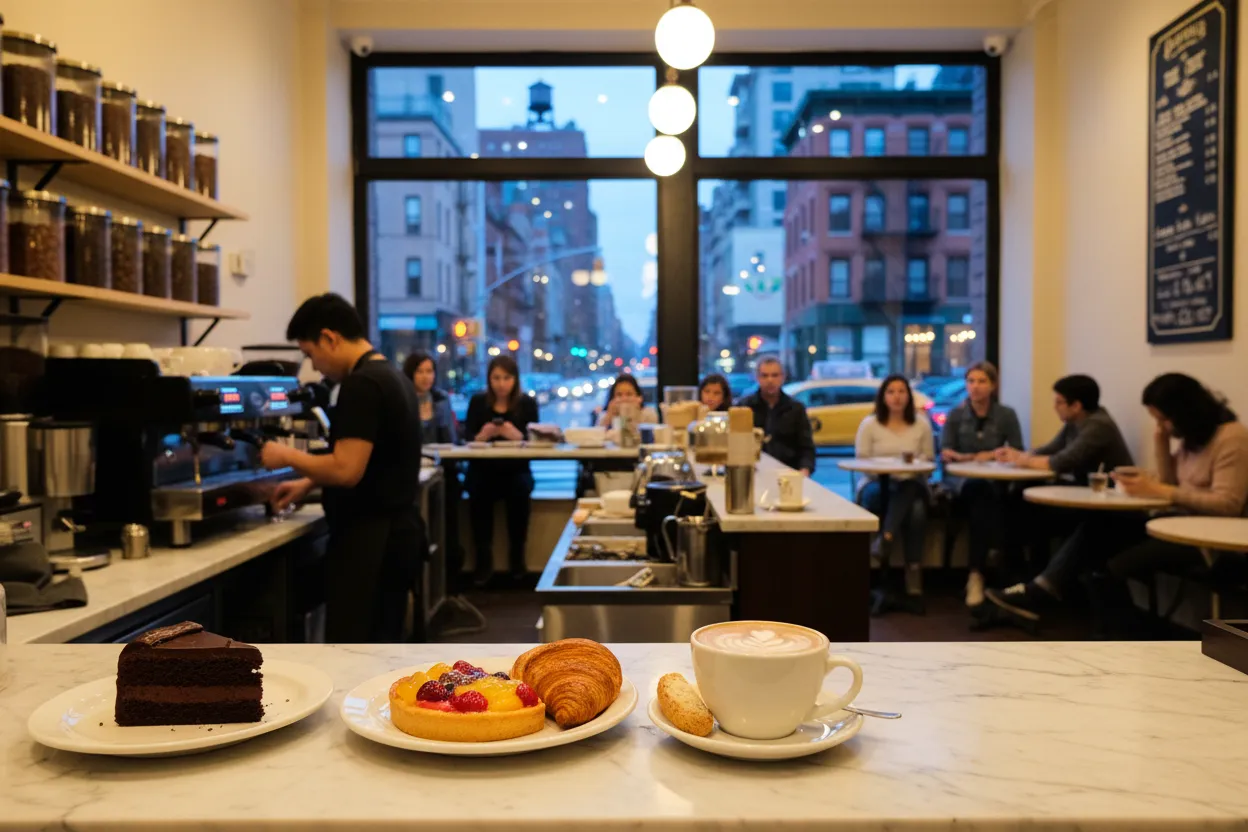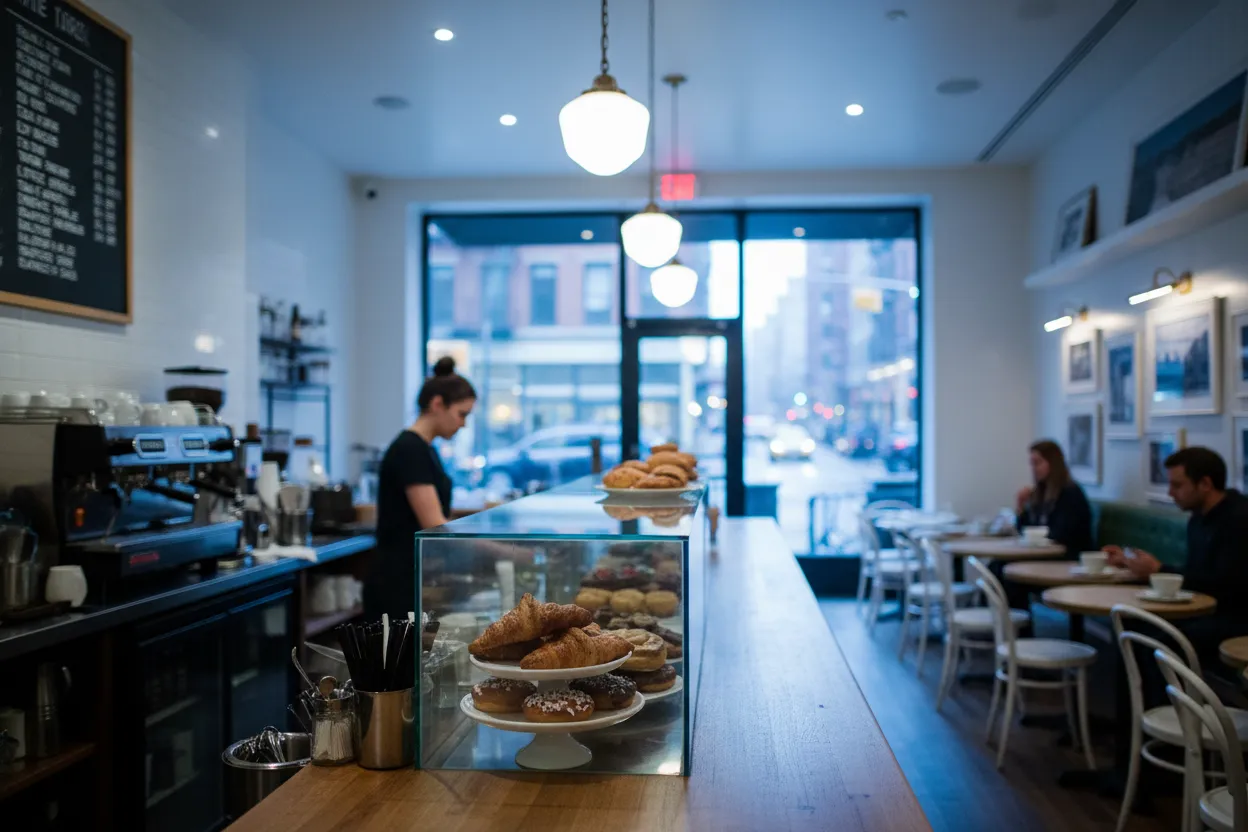
The room sits at the back of a narrow storefront on Roosevelt Avenue, past the bakeries and the cell phone shops, where the 7 train rattles overhead every few minutes. Jackson Heights holds one of the densest concentrations of Colombian immigrants in the United States, and somewhere between the empanada vendors and the money transfer offices, a tasting room has emerged that treats coffee the way a sommelier treats wine — with patience, with origin maps, and with ceramic cups that have never seen glaze.
The Threshold Between Street and Ritual
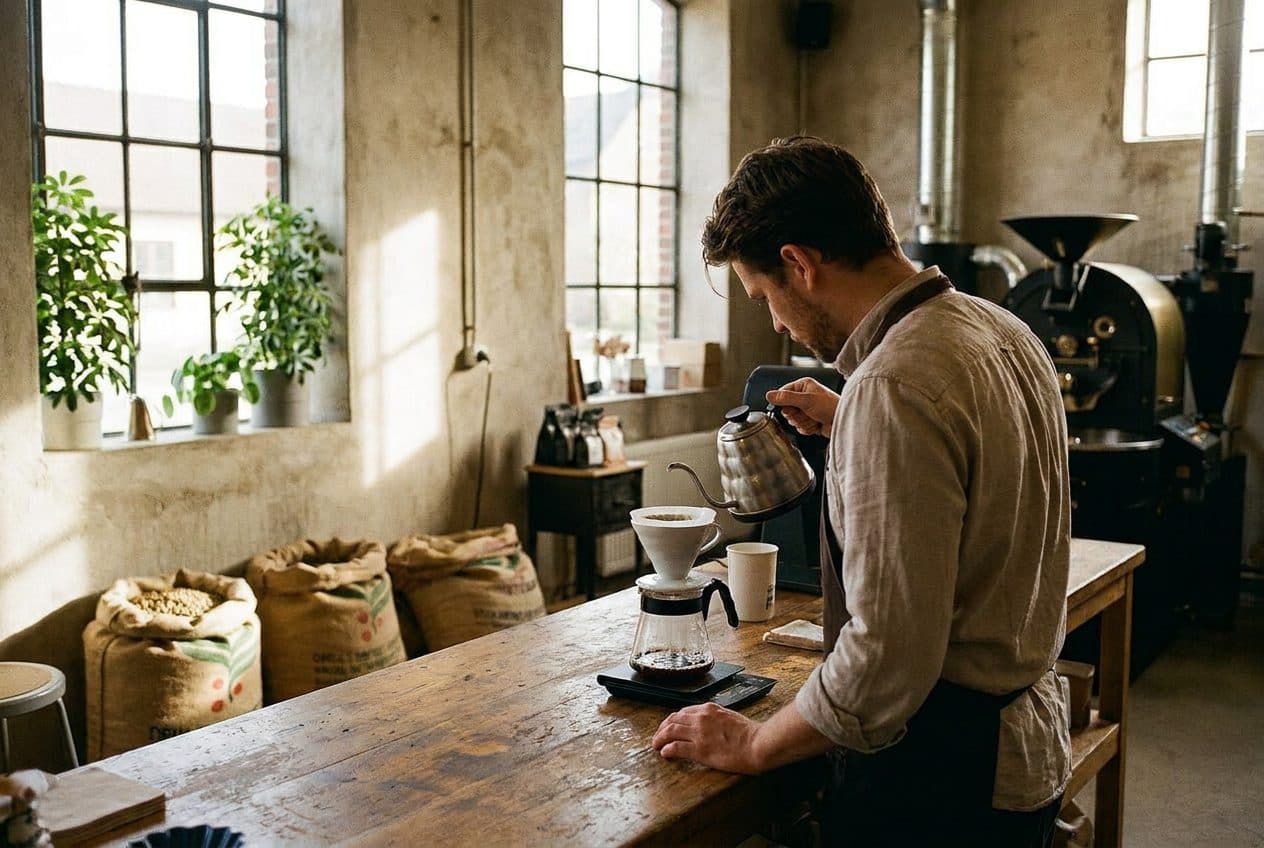
The entrance offers no obvious signage in English. A hand-painted coffee plant marks the door, and first-timers often walk past twice before noticing. Inside, the transition is immediate: the chaos of Roosevelt Avenue — the fruit carts, the cumbia bleeding from speakers, the perpetual motion of a neighborhood that never quite settles — gives way to something almost monastic. The space runs deeper than it is wide, maybe fifteen feet across but stretching back forty. Exposed brick on one side, whitewashed plaster on the other. The counter sits midway, a slab of reclaimed wood that looks like it survived a previous life as a butcher's block. There are no espresso machines visible. No milk steamers hissing. The only equipment on display: a row of ceramic pour-over drippers, a gooseneck kettle, and a digital scale that the barista checks with the frequency of a chemist.
Where the Beans Actually Come From
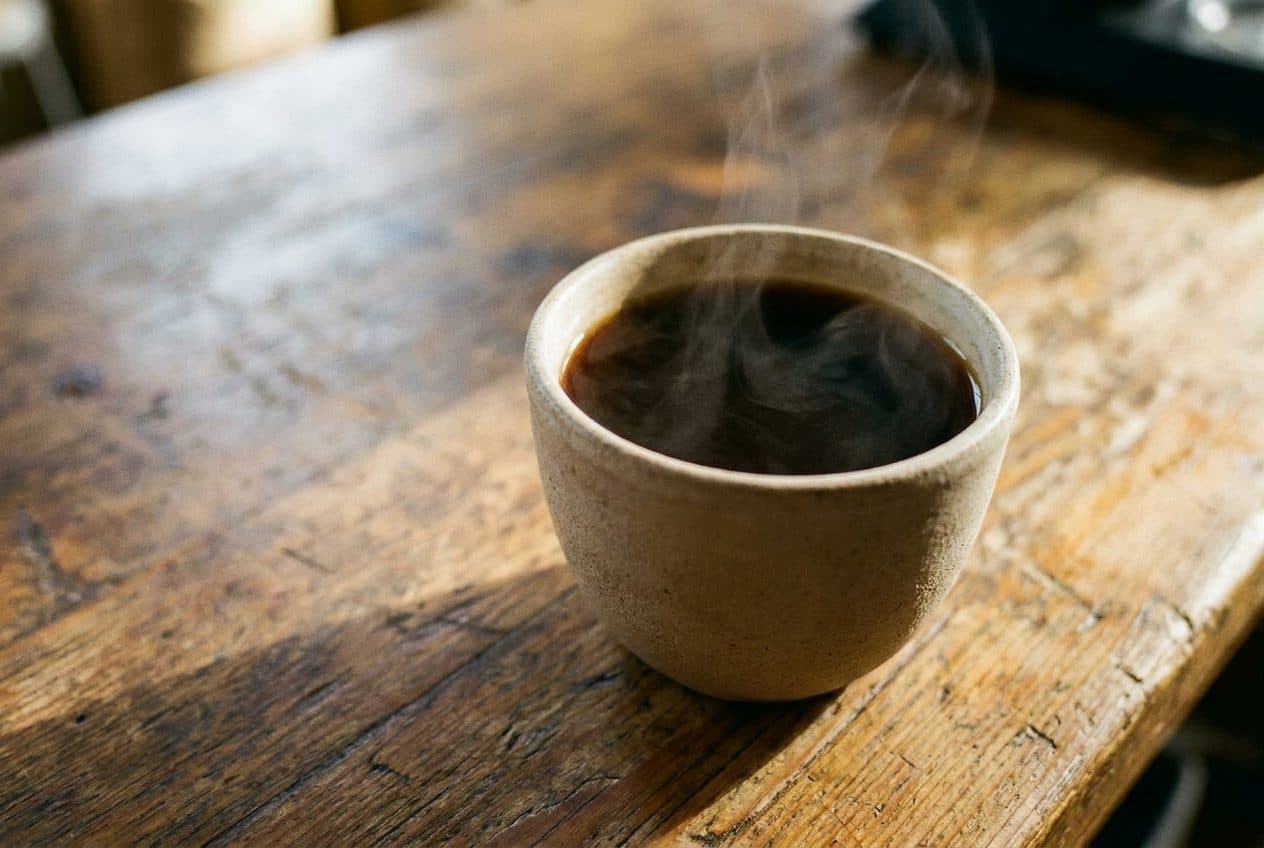
Colombian coffee reaches American cups through a long chain of exporters, importers, roasters, and distributors. By the time it arrives at most cafés, the farm is a footnote. Here, the chain collapses. One of the staff members — she works afternoons, usually — sources directly from her family's farm in Nariño, near the Ecuadorian border. The beans travel in small batches, roasted locally in Queens, and arrive at the counter within weeks of harvest during peak season. The menu, such as it is, lists origins the way a wine bar lists appellations: Huila, Tolima, Cauca, and that Nariño lot, which only appears after two in the afternoon. The altitude of each farm is noted. The processing method — washed, natural, honey — is explained to anyone who asks, and the staff assumes curiosity rather than expertise.
The Afternoon Pour-Over Ritual
Mornings draw a different crowd: construction workers grabbing tinto in paper cups, office cleaners on their way to the subway, regulars who want their coffee strong and fast. The tasting room doesn't fully activate until after lunch. Around two o'clock, the pace shifts. The afternoon barista sets out the Nariño beans — a micro-lot, maybe twenty kilos total per shipment — and the pour-over ritual begins. Water temperature is measured. The bloom, that first pour that lets the grounds release carbon dioxide, is timed to the second. The whole process takes four minutes, and the room adjusts accordingly. Conversations drop to murmurs. The 7 train still rumbles overhead, but somehow the sound recedes. The coffee arrives in an unglazed ceramic cup, rough to the touch, designed to cool the liquid slowly and release aromatics as the temperature drops.
The Back Counter Nobody Mentions
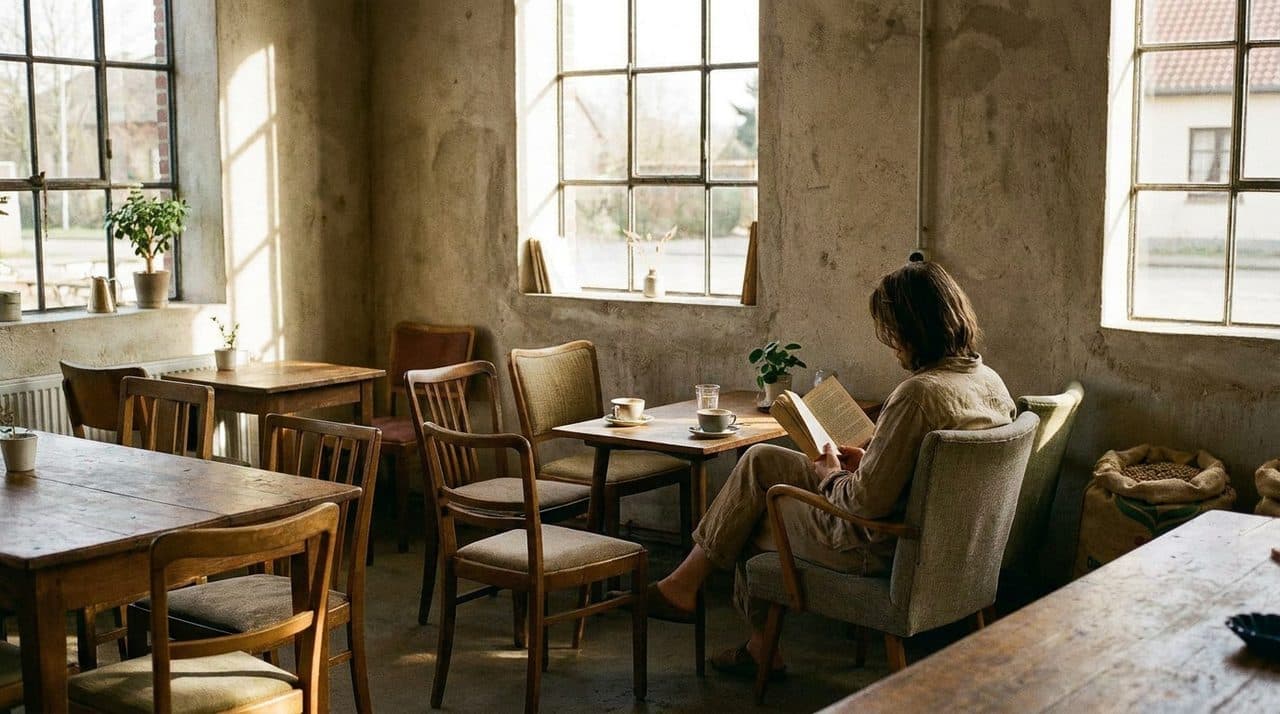
Past the main seating — four small tables, mismatched chairs, a bench against the wall — the room narrows further. A short hallway leads to what looks like storage, but just before the back door, two seats face a narrow counter. This is where tastings happen. The seats are never formally advertised. Regulars know to ask. The barista will set up a flight: three origins, side by side, each brewed identically so the differences emerge clean. The experience takes twenty minutes, costs roughly what a cocktail might in Manhattan, and comes with no printed tasting notes. The staff talks through each cup instead, pointing out the citrus in one, the brown sugar finish in another. Those who find it early in their visit often return specifically for this.
The Crowd That Gathers Here
Jackson Heights resists easy demographic shortcuts. The neighborhood holds Colombians, Ecuadorians, Mexicans, Bangladeshis, Nepalis, and Tibetans in overlapping layers. The tasting room draws from all of it, though the Colombian core remains visible. On weekends, families stop in after church. During the week, younger professionals — some who grew up here, some who moved for the rent — claim the window seats with laptops. The common thread is a certain patience. Nobody rushes. The WiFi password is given freely, but the outlet situation discourages all-day camping. Two plugs, both near the back, both usually occupied. The unspoken rule: finish the cup, then decide whether to stay.
What Else Appears on the Counter
The food offering stays minimal but deliberate. Almojábanas — small cheese breads, slightly sweet, with a crust that cracks under pressure — arrive warm in the mornings. Pandebono, denser and chewier, appears later. Both come from a bakery two blocks away; the tasting room doesn't bake on-site. A small case holds alfajores, the dulce de leche sandwiched between crumbly cookies, and occasionally a tres leches slice that sells out by early afternoon. The menu doesn't list these items. The case speaks for itself. Whoever wants something sweet points and asks.
Practical Notes
The tasting room operates off Roosevelt Avenue, reachable via the 7 train to any of the Jackson Heights stops — the walk from 82nd Street or 74th Street takes under five minutes. Hours run roughly from early morning through early evening, though the afternoon pour-over service doesn't begin until after lunch. No reservations exist; walk-ins only. The back counter tastings can be requested but depend on staffing and crowd size. Expect to spend a few dollars for a single cup, slightly more for a flight. Card payments accepted, though cash moves faster. The space seats maybe fifteen at capacity, and weekend afternoons can fill completely. Mornings offer more room but less ceremony.
Tags: #JacksonHeightsCoffee #ColombianTinto #QueensCafes #SingleOriginCoffee #PourOverRitual #NariñoBeans #NYCCoffeeScene #LatinAmericanEnclaves #RooseveltAvenue #SpecialtyCoffeeNYC #CoffeeTastingRoom #HiddenQueens #CeramicCups #ThirdWaveCoffee #ImmigrantFoodways
Sources consulted: timeout.com · eater.com · sprudge.com
All trademarks are the property of their respective owners.
Ask Karpo first
Want to know which single-origin is pouring this week, whether the afternoon tasting counter needs a reservation, and what else is worth stopping at on the same Jackson Heights block? Ask Karpo for a current roastery update and a local walking route.