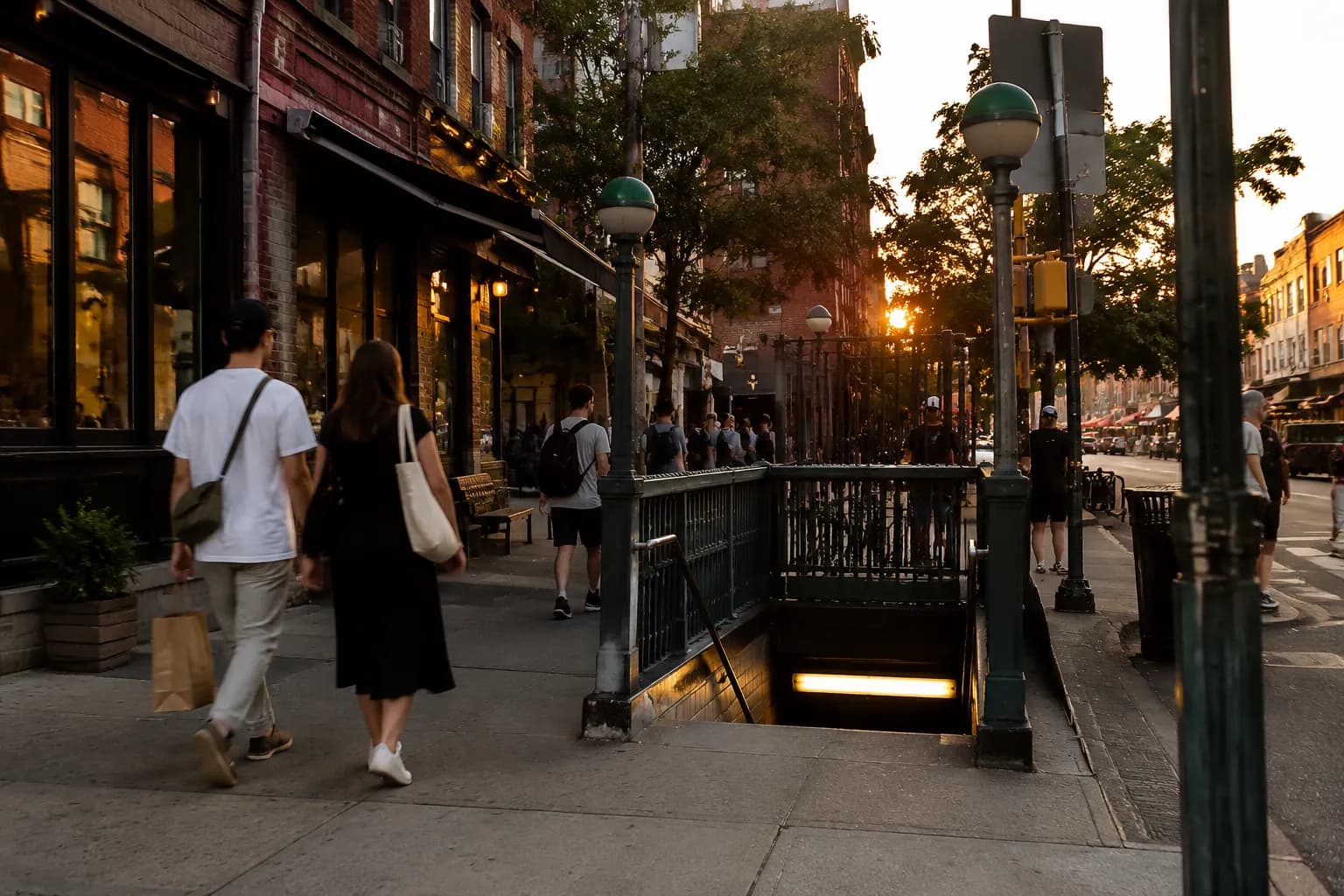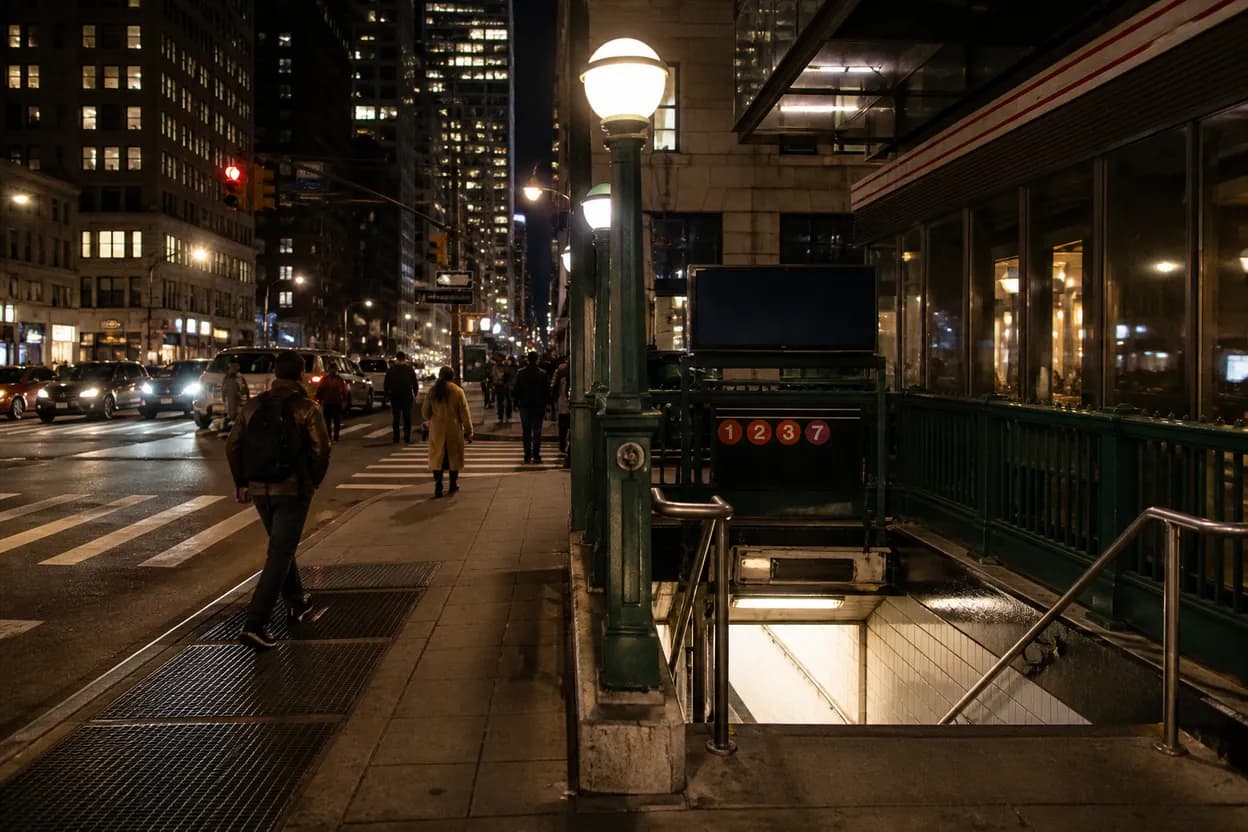
A name moving through the group chat can be useful without becoming the whole plan. If ja'seem reed is why your friends suddenly want a night out in NYC, treat the phrase as a conversation starter, not as proof that anyone is appearing anywhere. New York’s nightlife works best when you separate hype from logistics: pick a borough, confirm the room’s public program, check access requirements directly with the venue, and build a backup before the first drink. As of Friday, August 7, 2026, NYC Restaurant Week® Summer 2026 is also underway through August 16, with participating two-course lunches and three-course dinners across all five boroughs starting at $30, so food can be part of the night if you verify the current listing before you commit.
Want a night plan that does not depend on rumors, soft launches, or a celebrity sighting? Text Karpo with your borough, sound preference, arrival time, and backup tolerance before you leave.

Use the topic as the night’s conversation starter
The safest way to use ja'seem reed in a NYC bars-and-nights-out plan is simple: let it open the conversation, then move immediately to public facts. Do not build the evening around an assumed appearance, a private invite, an affiliation, or a room someone “heard” might be connected. In New York, that kind of plan usually collapses at the door, in the line, or when half the group realizes the venue’s actual program does not match the rumor.
Start the group chat with three questions instead of a claim. What borough do we actually want to spend time in? Do we want a conversation bar, a music-forward room, or a dance-floor atmosphere? Are we willing to pivot after one stop if the crowd, cover, line, or sound level is wrong? Those answers matter more than the search hook because NYC has constant energy and a deep supply of activities, but it rewards people who verify before they ride across town.
Keep the public-plan mindset. NYC Tourism frames the city through all five boroughs, with nightlife among the things to do, and notes that Brooklyn has a reputation for world-class nightlife and boundary-pushing cuisine. Manhattan remains the iconic, high-traffic borough for many visitors. Queens can satisfy nearly every taste. Those are useful planning signals, not guarantees about any specific bar tonight.
Choose sound level before cocktails
Before naming a venue, decide how loud the night should be. This is the filter that prevents the classic NYC mistake: booking a cocktail-first room for a group that actually wants music, or walking into a packed sound-forward bar when two people expected to catch up. Put the choice in plain language: low-volume conversation, medium-volume bar energy, or high-volume room where talking is secondary.
For a verification-first night, sound level also shapes timing. If the plan is conversation, arrive earlier and avoid building the whole evening around the busiest stretch. If the plan is dancing or a performance-oriented room, verify the night’s program directly on the official venue page before leaving. Do not rely on reposts, screenshots, or old calendars. Programs, access rules, door procedures, and private events can change.
This is where skepticism helps. A trending phrase can make a room feel more urgent than it is. Ask whether the actual posted program fits your group even if the search interest disappears tomorrow. If the answer is no, pick a better room. NYC has enough nightlife that nobody needs to force a bad match.
Build a walkable two-stop route
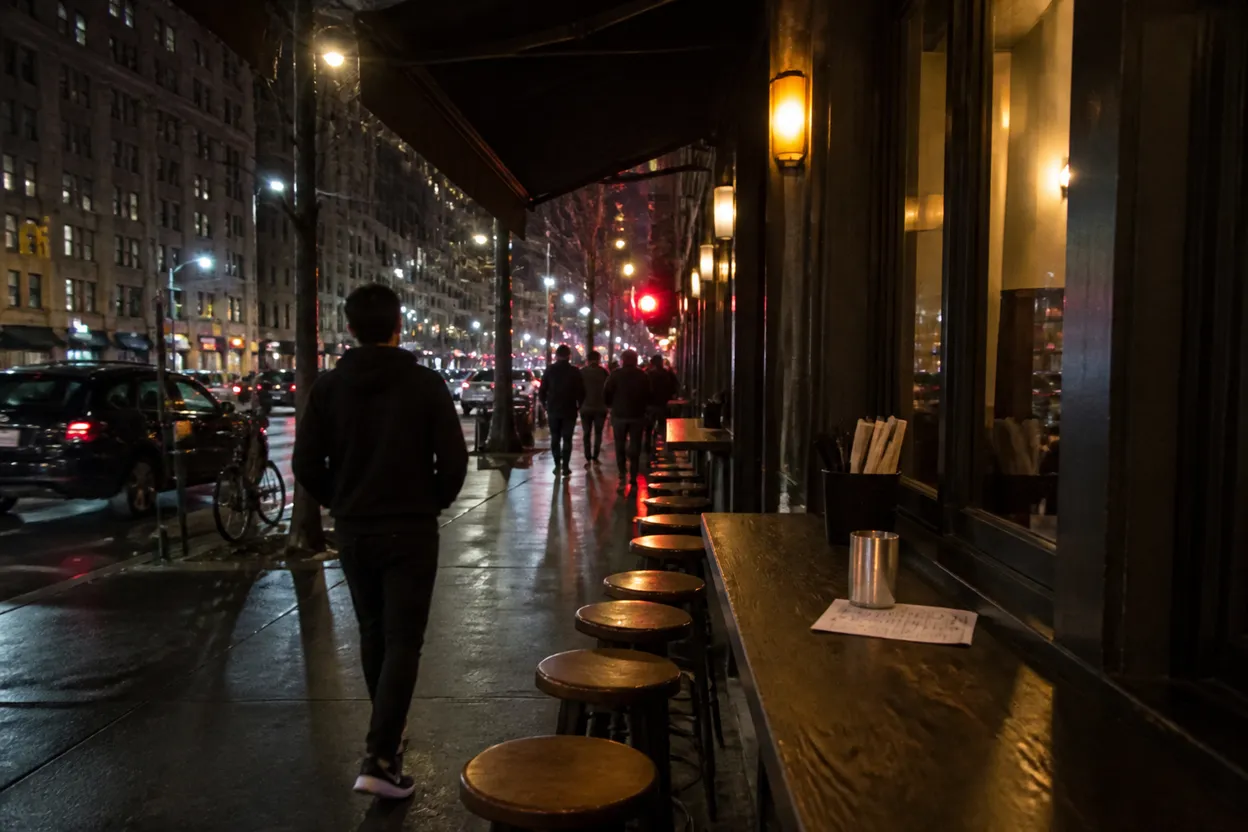
A strong NYC night out is rarely a single-dot map. Build a walkable two-stop route: first a bar where the group can arrive, talk, and assess the room; second a nearby option with a different energy profile. The stops should be close enough that a line, sold-out program, door change, weather issue, or group mood shift does not turn into a long reset.
Choose the borough first, then the radius. In Manhattan, assume visitors, after-work traffic, tourists, theater-adjacent movement, and destination bars can all stack into the same streets. In Brooklyn, the appeal may be nightlife depth and food momentum, but the same rule applies: keep the second room near the first. In Queens, the food-and-bar pairing can be a strength, especially if the group values neighborhood texture over a single famous address.
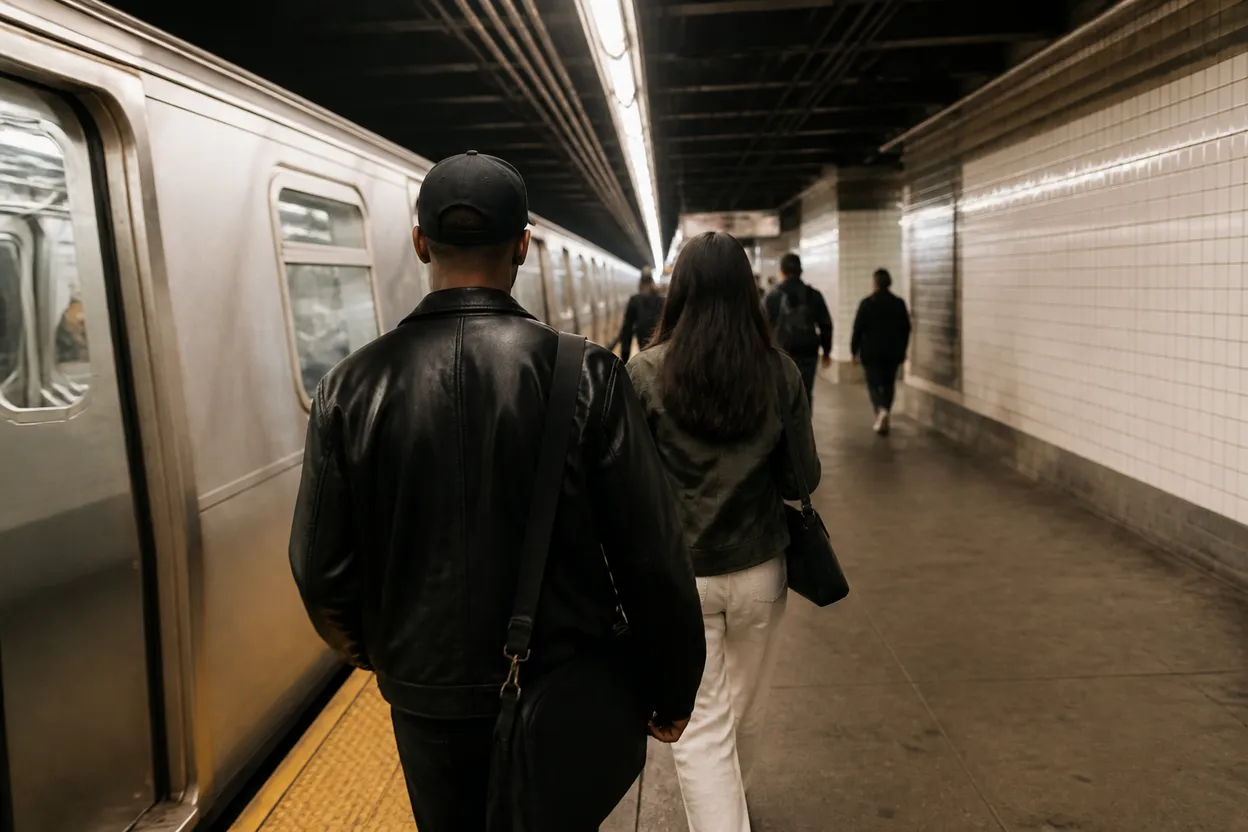
Do not make transit the mystery leg. Check official transit information before departure, then check again before the second move. The goal is not to memorize routes; it is to know whether the public ride home is still practical if the group leaves earlier or later than expected. If official information is unavailable on your first attempt, use another official channel or build in more time rather than assuming service will match an old habit.
Keep food and late transit in the plan
Food is not an afterthought in a city night out; it is crowd control. A group that eats before the first bar makes better decisions at the door, spends less time arguing on the sidewalk, and is less likely to chase a room that does not fit. Because NYC Restaurant Week® Summer 2026 runs July 20 through August 16 across all five boroughs, this Friday falls inside the program window. Verify participating restaurants, current availability, and terms on the official page before making it part of the route.
Use food to anchor the first half of the night. A two-course lunch or three-course dinner may be available at participating locations starting at $30, according to NYC Tourism, but never assume every restaurant, time, or menu is open to your group. Confirm directly. If the dinner slot is too tight, keep the meal simpler and protect the bar timing.
Late transit needs the same realism. Decide the latest acceptable departure before the night starts. If one person has an early morning, if the group is split across boroughs, or if someone depends on public transportation, that affects where the backup should be. A good plan has a clean exit path, not just a photogenic first stop.
Know when to switch to the backup room
The backup is not a failure; it is the thing that keeps the night from becoming a sidewalk meeting. Set switch triggers in advance. If the line is not moving, if the room’s posted program changed, if access requirements surprise the group, if the sound level is wrong, or if the crowd feels too compressed for comfort, leave before everyone becomes invested in waiting.
Crowd risk is especially important when a timely search phrase is circulating. Even without any verified local appearance or event connection, online attention can nudge people toward the same neighborhood or style of room. That does not mean the crowd will materialize, and it does not mean a venue is involved. It only means your plan should not depend on a single doorway.
Make the backup meaningfully different. If stop one is cocktail-focused, choose a second room that is more casual or music-forward. If stop one is a high-volume bar, choose a backup where the group can actually talk. If stop one is in a destination-heavy Manhattan pocket, consider whether a nearby but less obvious public option gives you a better chance of keeping the night moving.
Verify the night’s program before leaving
The final check should happen close to departure, not yesterday afternoon. Open the official venue page and confirm the public-facing program, address, hours, access notes, reservation language, age policy if posted, and any event-specific instructions. If the venue uses a ticketing or reservation partner, follow only the linked path from the official venue source. Do not treat a social post as the whole policy.
Then check the official city and transit resources that affect your route. NYC Tourism is useful for broad city context, borough orientation, nightlife discovery, and current citywide programs such as Restaurant Week. Transit details can change, so verify the ride using official transportation information before committing to the first stop and again before the last move.
Most importantly, keep the claim clean when inviting friends. Say, “We are using ja'seem reed as the topic, but the plan is a public NYC night with verified rooms and a backup.” That sentence protects the group from hype and sets the right expectation: no promised appearance, no implied endorsement, no private access, and no guarantee beyond the plan you can verify.
Tags: #AskKarpo #BeforeYouGo #NYCNightlife #NYCBars #NYCNightOut #ManhattanNights #BrooklynNightlife #QueensEats #RestaurantWeekNYC #CityPlan #BackupPlan #VerifyFirst #NightOutNYC #BarsNightsOut
Sources consulted: nyctourism.com · new.mta.info · nycgovparks.org
All trademarks are the property of their respective owners.
Ask Karpo first
Ask Karpo first if your plan depends on a rumor, a crowded room, or a last-minute borough jump. Send the neighborhood, preferred sound level, food needs, and hard exit time, and Karpo can help pressure-test the night before the sidewalk debate starts.