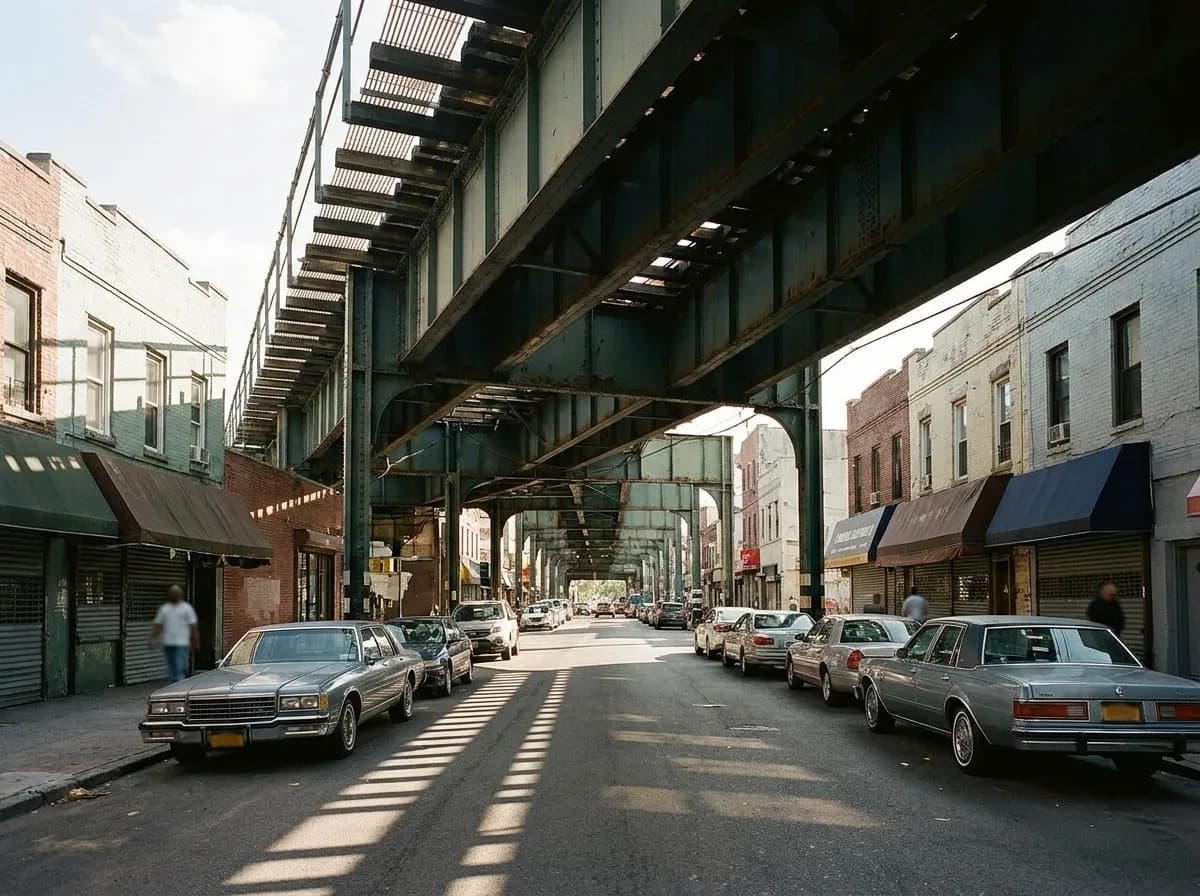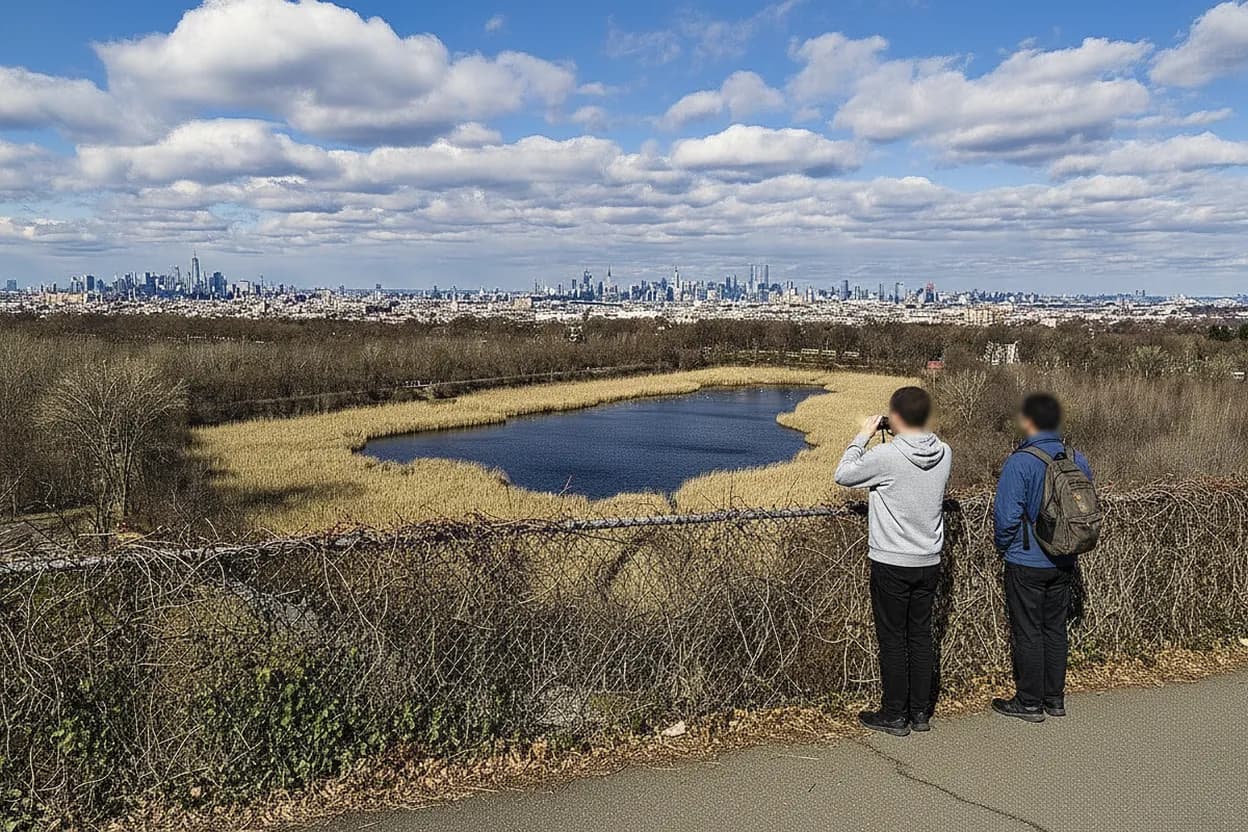
Ridgewood Reservoir is the rare New York walk where the city seems to have stepped back without disappearing. Set inside Highland Park on the Brooklyn-Queens border, the former water-supply site now reads as a wetland, woodland, and historic infrastructure loop rather than a polished lawn-and-meadow park. On a humid, overcast weekend morning, that can be exactly the point. It is quieter than the famous parks, flatter once you reach the reservoir path, and odd enough to feel like a find. The tradeoff is practical: entrances take planning, nearby subway access may involve stairs, paths can hold damp patches after rain, and bugs can decide how long you linger.
Want a quieter green route matched to weather, transit, and your energy? Text Karpo before you go, and ask for the best entrance, loop length, and backup plan.
Start With The Actual Question
The reservoir is not automatically better than Prospect Park, Forest Park, or a waterfront greenway. It is better when your priority is low-key wandering, habitat watching, and a loop that feels removed from the city without requiring a day trip. If you want cafes, lawns, bathrooms at every turn, or a packed social scene, choose a larger park. If you want headphones, tree cover, and surprise, Ridgewood Reservoir makes a stronger case.
The experience depends on approach friction. The reservoir sits high in Highland Park, and the easiest part is the path around the basins once you are there. Getting up from transit or surrounding streets can be the piece that changes the rating. Treat it as a short urban hike with a flat payoff, not a seamless promenade. That framing keeps expectations honest and helps you avoid arriving underprepared after sticky weather.
Entrances And Transit Reality
For subway planning, the J line stations around Cypress Hills, Crescent Street, Norwood Avenue, and Cleveland Street are the practical references to check, but do not assume every weekend pattern is normal. MTA service changes can alter the best stop or add shuttle-bus time. Before leaving, verify the live trip from your actual starting point rather than relying on a saved route. That is especially important for a weekend morning visit.
The most useful arrival choice is the one that minimizes climbing, confusing crossings, and backtracking for your group. From the Brooklyn side, expect neighborhood streets before the park feels fully green. From the Queens side, the reservoir’s position near the Jackie Robinson Parkway can make map lines look simpler than the walk feels. If step-free access matters, confirm station accessibility and choose an entrance based on current MTA and Parks information, not memory.
What The Loop Feels Like
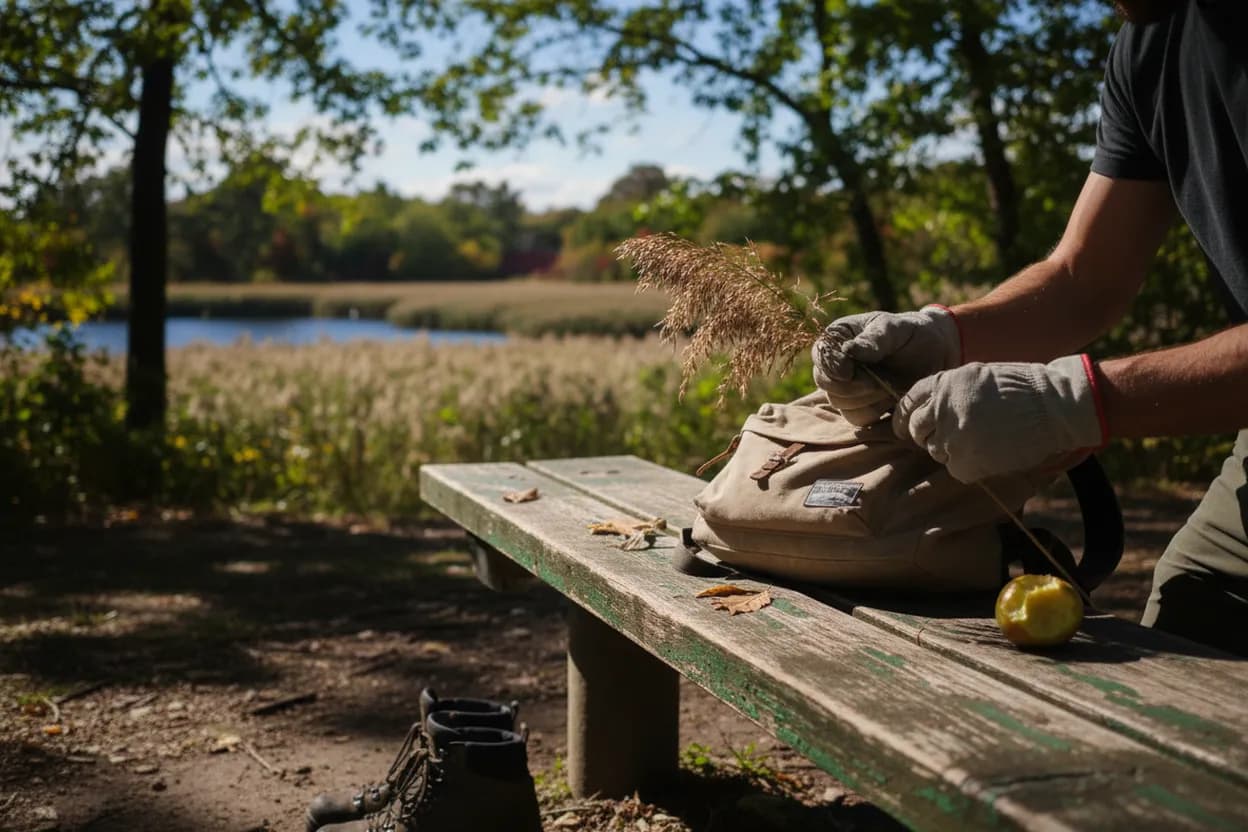
Once you reach the reservoir path, the mood changes quickly. The basins sit behind fencing, with vegetation, water, and reclaimed woodland doing more of the work than formal landscaping. Official and educational sources describe the site as a former reservoir built for Brooklyn’s water system in the nineteenth century and later transformed by ecological succession. That history matters because the appeal is not scenic polish; it is infrastructure becoming habitat.
Pace it slowly. A solo walker can treat the loop as an hour-plus outing if transit, approach, stops, and weather are included, even if the flat reservoir segment itself feels manageable. The better rhythm is to circle, pause at viewpoints, listen for birds, and resist turning it into a speed walk. If the path is crowded with cyclists, runners, or groups, shorten your loop and use Highland Park’s broader paths as release valves.
After Rain, Read The Ground
The locked scenario matters: an overcast morning after humid weather is good for atmosphere and bad for assuming dry footing. Expect shaded sections to stay damp, and wear shoes that can handle grit, puddle edges, and mud near low spots. Do not enter fenced basins or informal desire paths to dodge wet areas. The reservoir’s protected value is part of the reason to go, and staying on public paths protects both the site and your morning.
Post-rain conditions also change comfort. Mosquitoes can be noticeable around wetlands and shaded vegetation, particularly when the air is still. Bring repellent, consider long sleeves, and keep pauses brief if bugs gather. If you arrive and the loop feels slick or swarmed, the correct move is not to force the plan. Walk a shorter paved segment of Highland Park, then switch to a nearby neighborhood coffee or transit-accessible backup.
Navigating Ridgewood Reservoir: Access, Seating, and Comfort
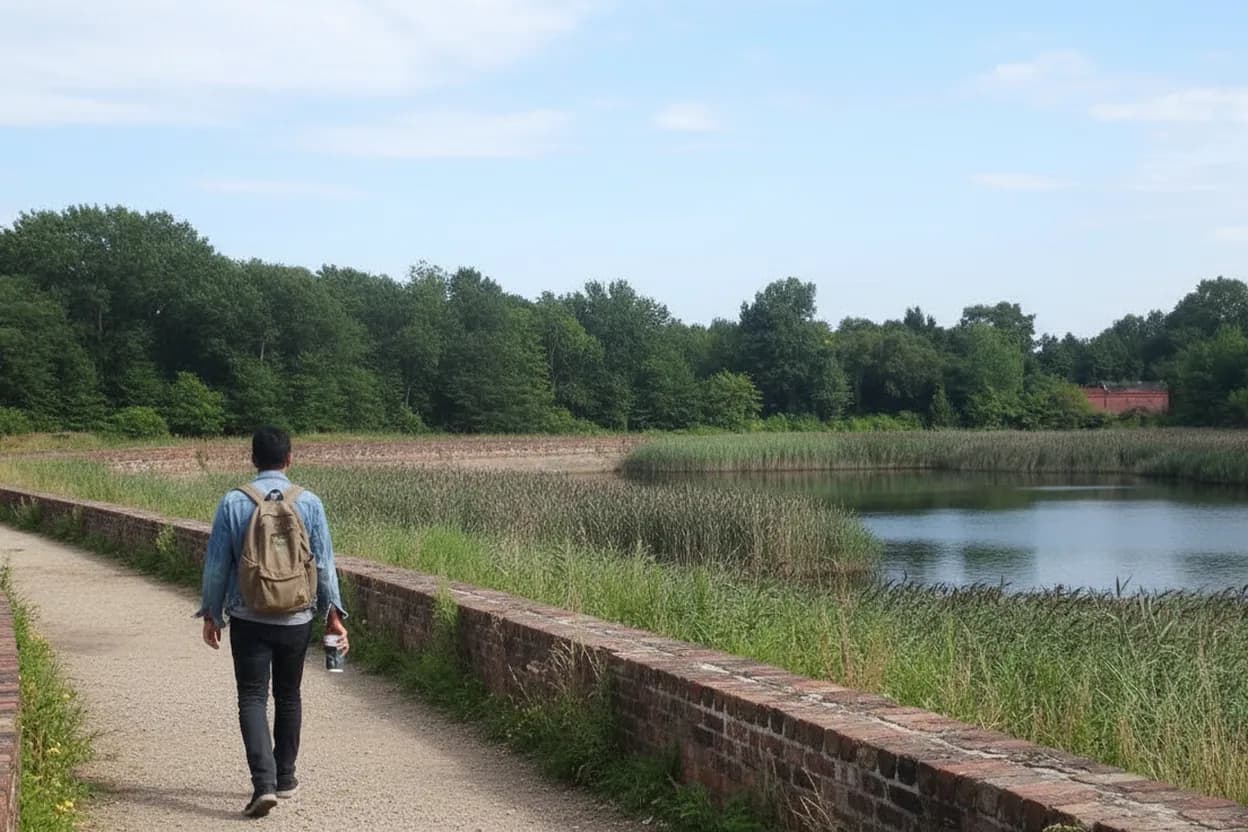
The reservoir loop is often described as flat, but accessibility is more complicated than slope alone. The approach from subway stations, street grades, curb conditions, stairs, and temporary maintenance can matter more than the loop surface. If someone in your party uses a wheelchair, stroller, cane, or has limited stamina, verify current access with NYC Parks and MTA before committing. A route that is easy for one walker may be frustrating for another.
Comfort planning should be boring and specific. Carry water, use the restroom before arriving unless you have confirmed a facility near your route, and download the map because park edges can be disorienting. Headphones are fine for a solo walker, but keep volume low enough to hear bikes, runners, and nearby traffic. In hot, humid weather, shade helps, yet it does not replace a shorter plan and a clear exit point.
Who Should Pick It
Choose Ridgewood Reservoir if you like the in-between category of New York places: not wilderness, not a manicured destination, not a secret, but still unfamiliar enough to reset your day. It suits Brooklyn or Queens walkers who want a new green route without crossing the whole city. It is also a good match for bird-curious visitors who are happy observing from paths rather than chasing sightings into sensitive areas.
Skip it, or postpone, if your group needs guaranteed amenities, stroller-smooth access from train to trail, or a big-park backup inside the same gate. It is also the wrong pick for anyone expecting dramatic overlooks or a destination packed with programming. The reservoir’s value is quieter: wetland protection, layered history, and a walk that rewards patience. That makes it stronger as a morning reset than as an all-day anchor.
What to verify for Ridgewood Reservoir, Highland Park, Brooklyn/Queens border
Verify four things on the morning of July 20, 2026 or any later visit: MTA routing to the J line or bus alternative, current NYC Parks notices for Highland Park, weather in the previous twelve hours, and whether anyone in your party needs step-free access. If one of those checks fails, change the entrance, shorten the walk, or move the outing. The best version of Ridgewood Reservoir starts with fewer assumptions.
Pack for a damp urban nature loop: repellent, water, shoes with grip, a charged phone, and a route home that does not depend on one train pattern. Stay on marked public paths, keep out of fenced or closed areas, and treat wildlife as something to watch from a distance. If the site feels too buggy, muddy, or isolated that morning, the successful decision is leaving early with the quiet part already won.
Tags: #AskKarpo #BeforeYouGo #RidgewoodReservoir #HighlandPark #BrooklynWalks #QueensWalks #NYCNature #HiddenNYC #UrbanWetlands #WeekendWalk #SoloWalk #NYCParks #TransitCheck #CityNature
Sources consulted: Source 1: php1-84.nycgovparks.org · Source 2: dec.ny.gov · Source 3: dec.ny.gov · Source 4: storymaps.arcgis.com · Source 5: nysenate.gov
All trademarks are the property of their respective owners.
Ask Karpo first
Tell Karpo your date, group size, budget, and starting neighborhood. We’ll check current access, timing, transit, and the cleanest plan for Ridgewood Reservoir, Highland Park, Brooklyn/Queens border before you head out.