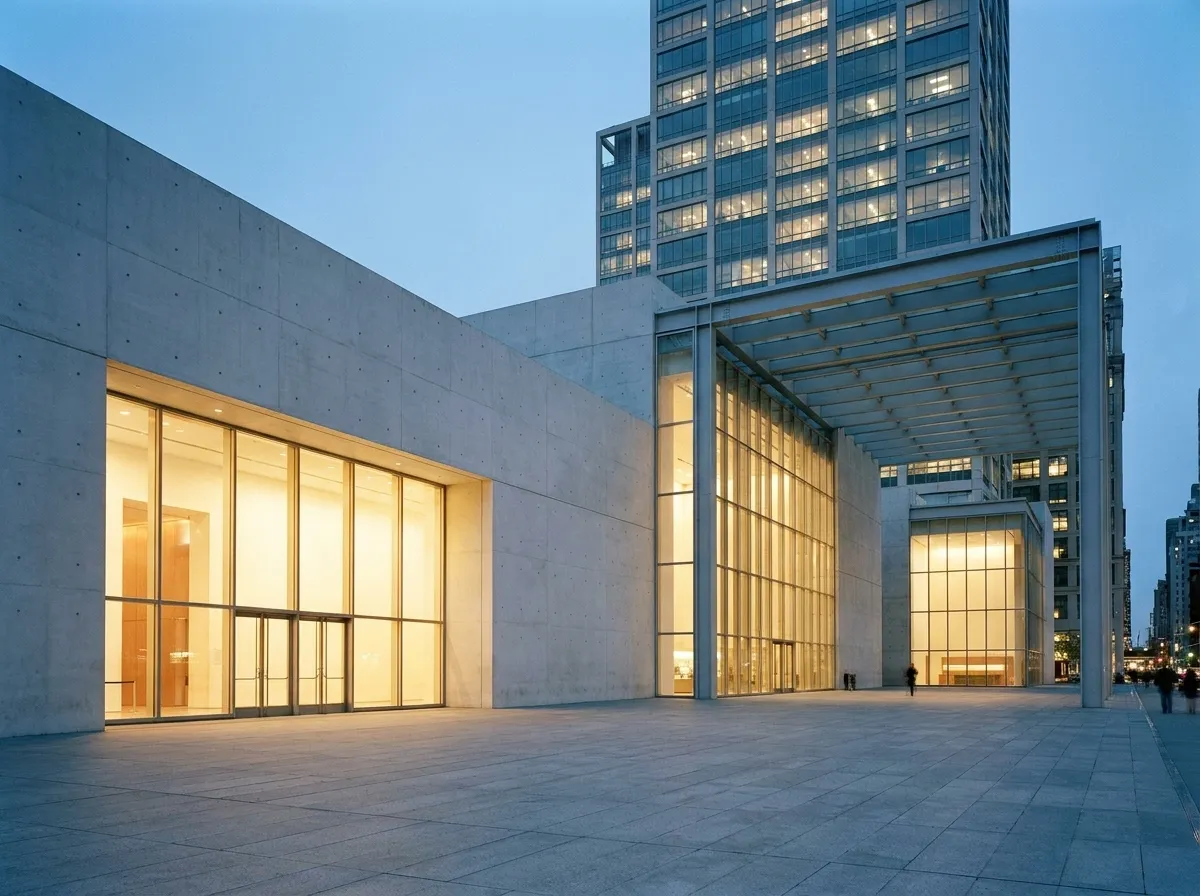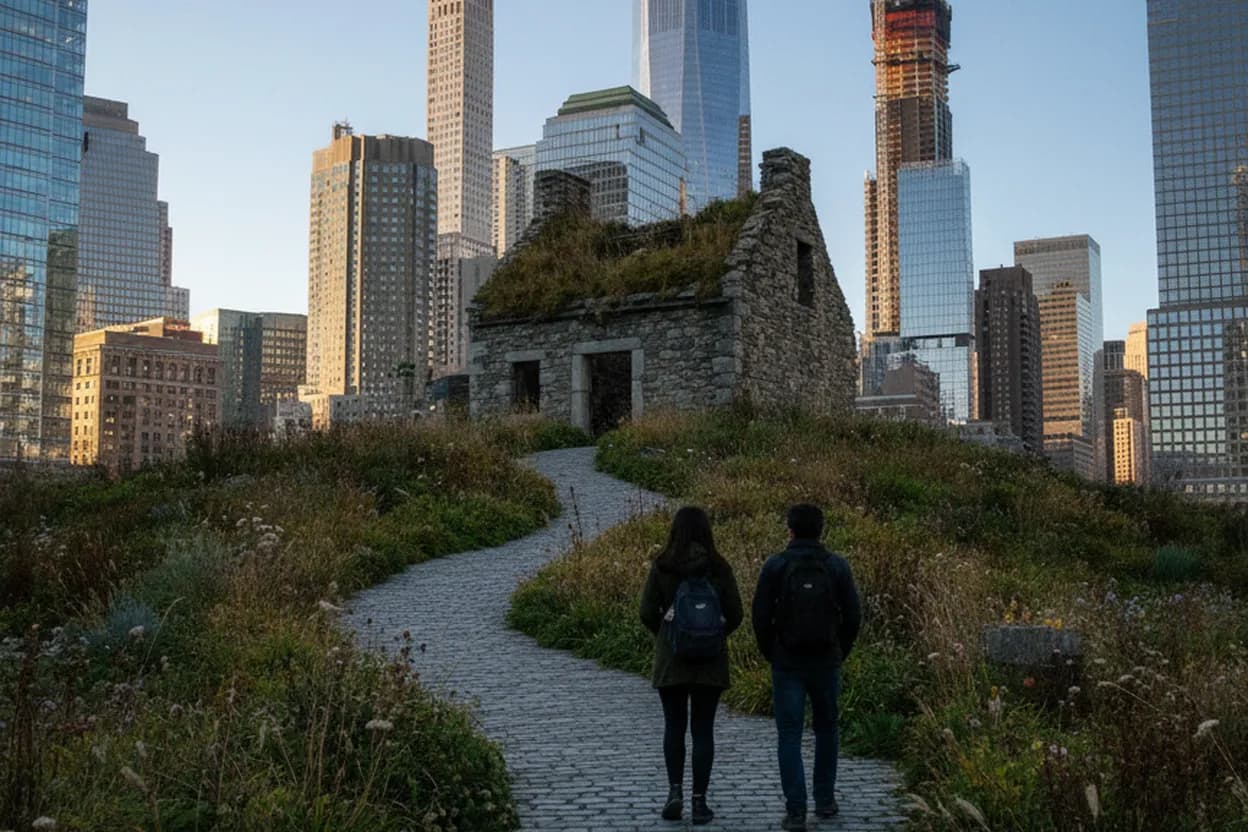
The Irish Hunger Memorial offers a unique and contemplative experience in the bustling heart of Battery Park City. More than just a monument, it's an immersive landscape designed to evoke the stark realities of the Great Irish Famine while providing a serene escape. This is not a typical park visit; instead, it's an opportunity for quiet reflection and historical engagement, seamlessly blending nature with reconstructed historical elements. Ideal for those seeking a free, self-guided journey through a poignant piece of history, it provides a distinctive contrast to the surrounding urban environment, inviting visitors to pause and consider a significant human story.
Want more curated, executable plans for NYC's hidden gems and iconic sites? Text Karpo "Irish Memorial" for personalized itineraries and real-time planning assistance.
Who This Reflection Walk Suits Best
This experience is particularly well-suited for individuals or small groups seeking a contemplative and educational outing that requires minimal planning and zero cost. It appeals to those with an interest in history, particularly Irish-American heritage, or anyone looking for a quiet respite from the city's relentless pace. Unlike a playground or a bustling market, the Memorial encourages introspection, making it a perfect fit for a solo reflection or a thoughtful conversation with a companion.
Visitors who appreciate unique landscape architecture and historical narratives presented in an unconventional format will find the Memorial compelling. It's an excellent choice for a low-key afternoon, perhaps combined with a stroll along the Battery Park City waterfront. Those with limited time but a desire for a meaningful experience will also find this walk rewarding, as its impact is profound regardless of the duration of the visit.
Pacing Your Visit Through the Memorial
To fully appreciate the Irish Hunger Memorial, allow yourself at least 45 minutes to an hour. While it's possible to walk through more quickly, a slower pace enables deeper engagement with the various elements. Begin by observing the overall structure from a distance, then gradually make your way through the reconstructed Irish landscape, noticing the details of the stone walls, the abandoned cottage, and the varied terrain. This allows for a progressive understanding of its symbolic weight.
Consider pausing at different vantage points, both within the Memorial and as you view the surrounding cityscape. The design encourages a journey, not just a static observation. There are no fixed routes, so feel free to wander and discover the elements that resonate most with you. Do not rush the experience; instead, let the atmosphere and the historical context sink in.
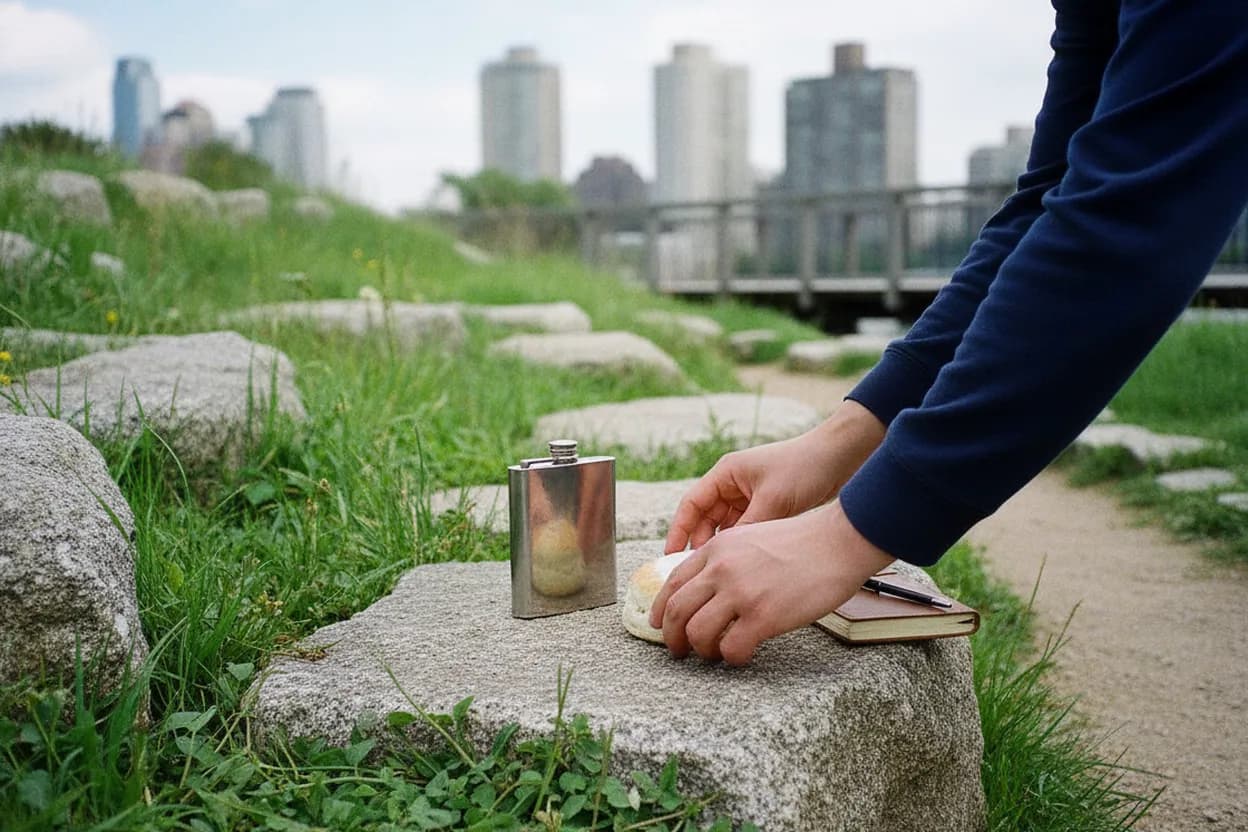
Navigating the Unique Landscape Design
The Memorial is designed to mimic a rural Irish landscape, complete with fieldstone walls and an authentic 19th-century cottage. As you enter, you'll find yourself ascending a gently sloping path, drawing you away from the urban environment. Pay attention to the textures and materials, which are integral to the Memorial's message. The use of actual stones and soil from Ireland contributes to its authenticity and evocative power.
The path winds through various sections, each contributing to the narrative. The recreated cottage, brought piece by piece from County Mayo, serves as a poignant centerpiece, representing the homes abandoned during the Famine. The surrounding greenery and the deliberate disarray of certain elements are intentional, aiming to convey the desolation and resilience tied to the historical event. Engage with these details rather than simply walking by.
Experiencing the Reflective Qualities
The Memorial is inherently a space for reflection. The winding paths and elevated position offer moments of solitude, encouraging visitors to contemplate the themes of migration, loss, and resilience. The design intentionally creates a sense of detachment from the city, allowing for a more focused internal experience. Take the time to read any informational plaques or interpretive elements that may be present, as they deepen the understanding of the site's significance.
Consider the juxtaposition of the Memorial's somber theme with the vibrant, modern cityscape visible from its edges. This contrast is a powerful part of the experience, reminding visitors of both historical hardship and contemporary urban life. It’s an opportunity to connect past struggles with present-day realities, fostering a deeper appreciation for the human spirit and the importance of remembering history.

Potential Missteps and How to Avoid Them
One common misstep is treating the Memorial as a quick photo stop rather than a reflective site. While photography is allowed, focusing solely on capturing images can detract from the intended experience of contemplation. Another pitfall is expecting a traditional park with amenities like benches or extensive open lawns for recreation; this is a memorial, and its purpose is distinct.
Avoid visiting with the expectation of finding extensive recreational facilities. The Memorial is designed for quiet walking and thoughtful engagement. Additionally, while it is open-air, weather conditions can impact your comfort. Dress appropriately for the season, as there is limited shelter from sun or rain within the Memorial itself. Planning your visit for a time when you can dedicate your full attention will enhance the experience.
Best Time of Day for Tranquility
For the most tranquil experience, consider visiting during the early morning hours or later in the afternoon, closer to sunset. These times generally see fewer crowds, allowing for a more personal and uninterrupted reflection. The quality of light during these periods can also enhance the mood and visual impact of the Memorial, casting long shadows and highlighting its textures. Weekdays are typically less busy than weekends.
Midday visits, especially on sunny weekends, might bring more foot traffic, which could diminish the quiet contemplative atmosphere. If a busy time is unavoidable, seek out the quieter corners of the Memorial or choose a less central path to maintain a sense of solitude. The Memorial's design does offer some natural pockets of quiet, even during busier periods.
What to verify for Irish Hunger Memorial
Before heading out, it is always advisable to verify the current operating hours of the Irish Hunger Memorial on the official Battery Park City Authority website. While typically accessible, unexpected closures or special event schedules could occur, and confirming this detail ensures a smooth visit. Additionally, check the local weather forecast to dress appropriately for an outdoor experience, as there are no indoor facilities for shelter.
Confirming accessibility information, if relevant to your needs, is also prudent. While the Memorial is designed with paths, specific mobility considerations might warrant a quick check of the official site for the latest guidance. Lastly, as policies can evolve, a quick glance at the official source for any updated visitor guidelines or restrictions will prevent any surprises upon arrival.
Tags: #IrishHungerMemorial #BatteryParkCity #FreeNYC #NYCWalks #ManhattanHistory #ReflectionSpace #CulturalLandmarks #UrbanEscape #NYCAttractions #OutdoorNYC #HistoricalSites #AskKarpo #BeforeYouGo #DiscoverNYC
Sources consulted: Irish Hunger Memorial — official site · MTA service information · NYC 311
All trademarks are the property of their respective owners.
Ask Karpo first
Tell Karpo your date, group size, budget, and starting neighborhood. We’ll check current access, timing, transit, and the cleanest plan for Irish Hunger Memorial before you head out.