 Carousel Restaurant: East Hollywood's Essential Armenian-Lebanese Mediterranean Food Feast
Restaurants
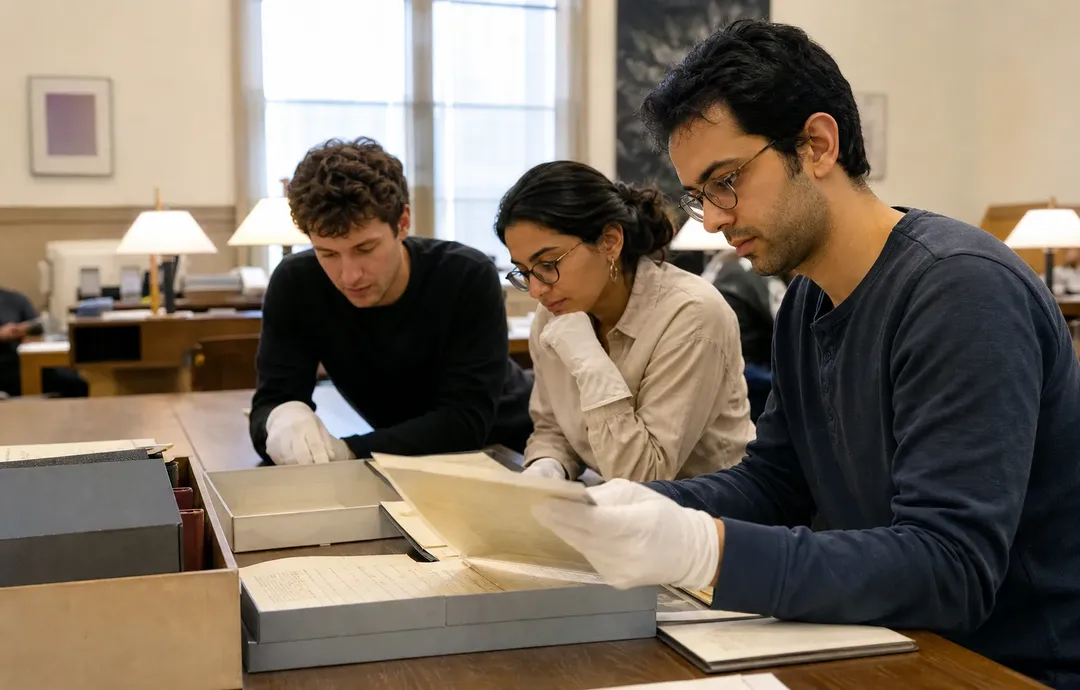
irgc commander ahmad vahidi remarks: LA University Archive Comparison Session for Middle
A Los Angeles planning guide for researchers comparing campus archive access before a Middle East policy citation sprint. Pair library appointments with quiet restaurant work blocks, Metro route checks, and backup public-library research options.
Search interest around irgc commander ahmad vahidi remarks can pull serious researchers toward Los Angeles, but the useful local task is not chasing a headline. It is building a careful archive comparison session that helps graduate students, thesis partners, and independent researchers decide which campus collection is worth requesting first for Middle East policy citation work. As of August 6, 2026, the strongest plan is a weekday academic-hours itinerary that treats USC, UCLA, and Occidental as research targets to verify, not as assumed open stacks. Use nearby restaurants as structured debrief points: one meal to compare catalog leads, one coffee break to divide appointment requests, and one final stop to record citation gaps. The goal is efficient evidence gathering without duplicating special-collections requests or mistaking database access for permission to use restricted materials.
Do you have current student ID access at any LA university, or do you need visiting-researcher registration instructions? We'll compare three archive collections by Middle East holdings with one backup public-library digital database subscription.
Start With A Citation Triage Meal
Before anyone books a campus visit, meet in a restaurant that supports a quiet working conversation and separate the citation problem from the political news hook. A search query like irgc commander ahmad vahidi remarks may surface commentary, but the archive session should begin with a source ladder: original statement, official translation, contemporaneous news report, policy response, and later scholarly interpretation. Each researcher should bring the citations they are trying to verify, then mark which items require primary-source access and which can be checked through library catalogs or public databases. The restaurant is useful because it creates a bounded decision window before the group enters stricter academic spaces.
Use the meal to assign roles rather than debate conclusions. One person can own USC checks, another UCLA, and another Occidental, while a solo researcher can divide the same work across separate blocks. The practical question is not which university is best in general; it is which institution appears most likely to support the exact citation trail. For Middle East policy research, that may mean comparing finding aids, declassified-document references, newspaper databases, multilingual holdings, and visiting-researcher requirements. Do not assume access because a record appears online. Treat every promising lead as provisional until a catalog page, staff response, or formal researcher-registration step confirms how it can actually be used.
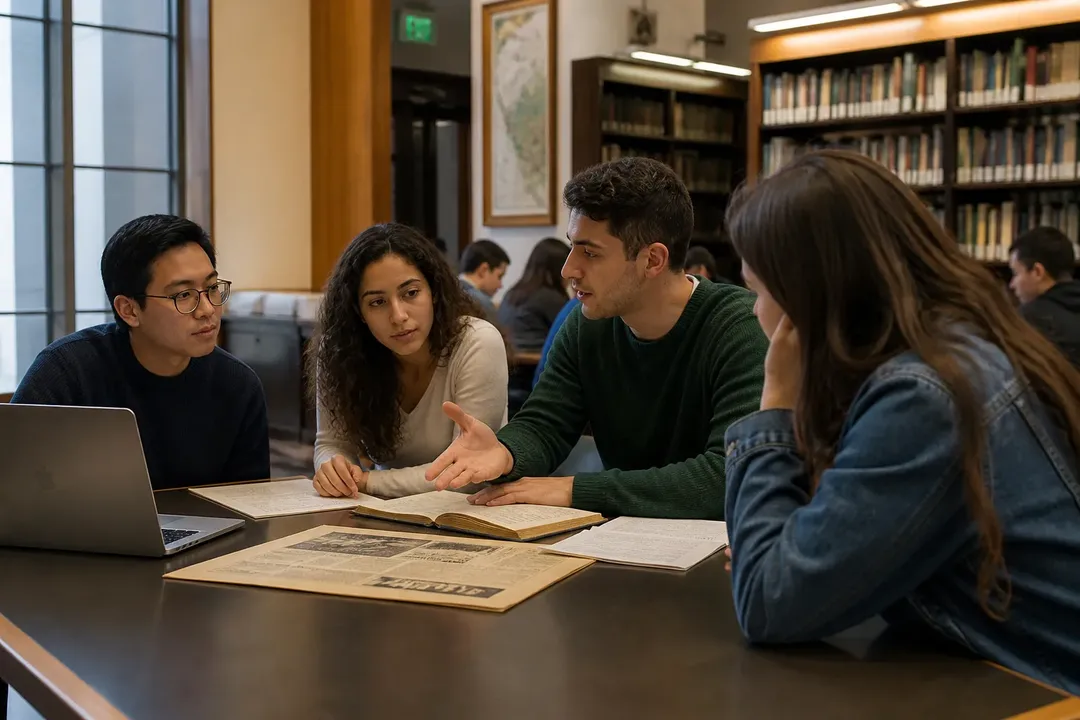
Map Campus Requests Before Crossing Town
Los Angeles rewards route discipline. Metro connects Los Angeles County by bus, rail, bike, van, and more, and its trip-planning tools include real-time arrivals, a trip planner, alerts, maps, and schedules. For archive researchers, that matters because campus libraries may sit far apart in both geography and process. Build the day around confirmed or likely appointment windows, then check transit routes before leaving the restaurant or hotel. Metro fare rules also shape planning: the regular fare is $1.75, transfers are free within two hours when tapping with TAP, credit, or debit, and daily and weekly caps can limit repeated trip costs.
If the session includes thesis partners, avoid sending both people to the same desk unless the evidence need truly requires it. One researcher can travel while the other stays in a public space to compare catalog records, draft request language, or monitor replies from special collections. Metro’s app and alerts can help check delays, detours, and service changes before leaving, which is especially important when a missed arrival could compress an appointment. The serious-researcher version of convenience is not speed alone; it is preserving enough time to register, ask precise questions, and record citation status accurately. Add buffer time for walking, security desks, locker rules, and unexpected limits on materials.
Use Public Libraries As Backup Infrastructure
A strong university-archive comparison session needs a backup system, not just a primary campus list. The Los Angeles Public Library hosts free events every day and maintains a citywide branch network with Central Library, Westwood Branch Library, Hollywood, Fairfax, Little Tokyo, West Los Angeles, and many other branches listed in its event and branch filters. That does not prove a specific database is available for a given citation, but it does make LAPL a practical public-space anchor for regrouping, catalog searching, and low-pressure reading between campus requests. For independent researchers without university credentials, the public-library layer can prevent a wasted day.
Use LAPL stops for tasks that do not require restricted university access: cleaning Zotero notes, comparing transliterations, checking whether a cited title has multiple editions, and preparing questions for archivists. If a campus database is unavailable to visitors, record that as a finding rather than a failure. The session is about comparing pathways. Public-library spaces are also useful when one partner is waiting for a special-collections reply while another is traveling. Keep the research log blunt: source named, institution checked, access status unknown or confirmed, next action, and responsible person. That format reduces duplicate emails and keeps emotionally charged geopolitical material tied to verifiable documentation.
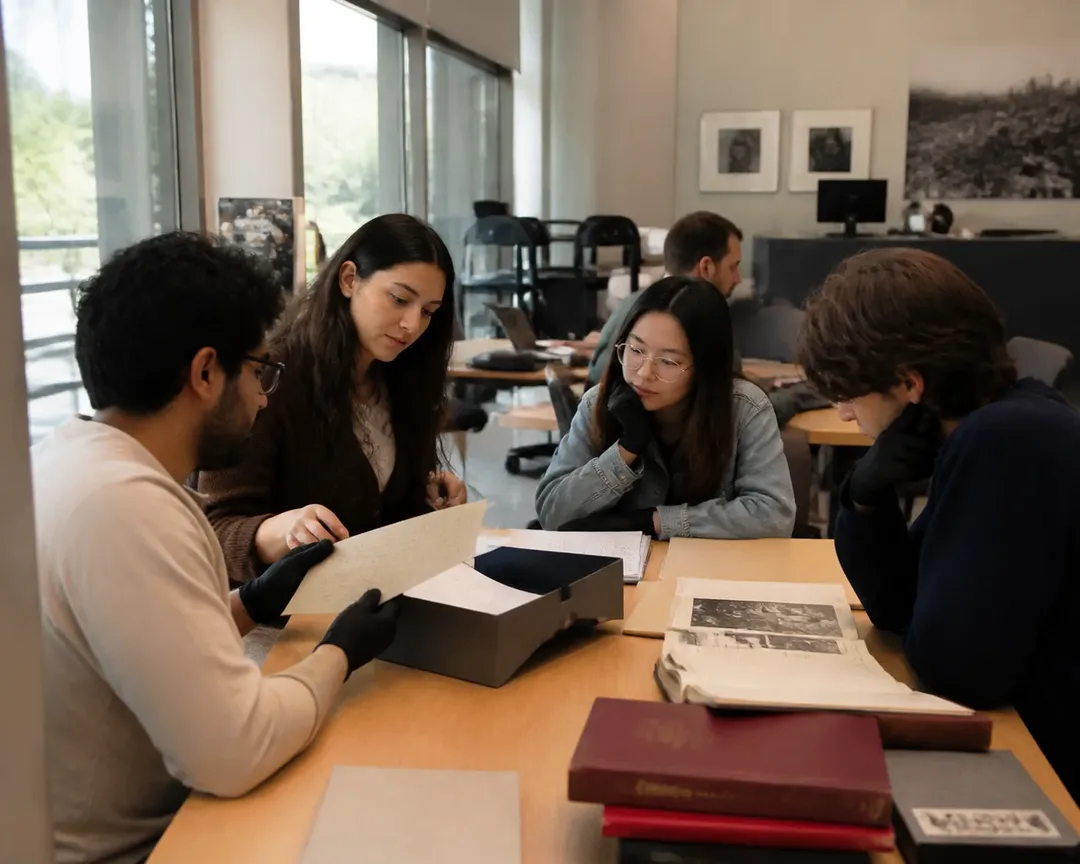
Choose Restaurants For Workflow, Not Atmosphere
Because this guide sits in the Restaurants category, the dining choice should serve the research workflow. Pick places based on the phase of the archive session: a calm breakfast or lunch for source triage, a short coffee stop for task handoff, and a final table for reconciling what each campus could or could not support. Do not treat restaurants as guaranteed workspaces; confirm suitability directly if you need extended laptop use, group seating, accessibility details, or quiet conditions. The best restaurant for this use case is not necessarily famous. It is the place that lets serious researchers speak clearly, handle laptops responsibly, and leave quickly when a library window opens.
Los Angeles has current public food programming that can inspire timing, but it should not replace archive planning. The city events calendar lists Dine LA Restaurant Week for August 14 to August 28, 2026, and also shows Food & Drink listings among many cultural categories. Those events may be useful for visitors already scheduling meals, yet the archive session should stay anchored to confirmed research needs. If a dining event adds crowding, shift the debrief elsewhere. If it offers a convenient meal after appointments, use it as a reward after the citation log is complete. The discipline is simple: restaurants support concentration, scheduling, and trust-building; they do not validate sources.
End With A Verification Matrix
Close the day by turning scattered notes into a verification matrix. Create columns for the claim, original-language issue, likely primary source, USC status, UCLA status, Occidental status, public-library backup, interlibrary-loan question, and next contact. For a topic discovered through irgc commander ahmad vahidi remarks, include a separate field for whether the quote, paraphrase, or policy claim has been traced to an original document. This prevents a common research error: using the most visible online repetition as if it were the earliest reliable source. If no institution has confirmed access, label the item unresolved and identify the smallest next step.
The matrix also makes the session valuable for commercial or editorial teams that need to trust the work quickly. A researcher can show what was checked, what remains dependent on appointment approval, and where a thesis partner should continue. For transit-dependent teams, add a logistics note beside each institution: route checked, alert checked, and backup meeting place selected. Metro’s safety and accessibility information notes systemwide security personnel and transit ambassadors, wheelchair-accessible buses and trains, and rider tools for service updates, but individuals should still plan for their own mobility and comfort needs. End when every citation has an owner, not when every question feels answered.
Tags: #LosAngeles #Restaurants #MiddleEastpolicyresearch #Universityarchives #Graduatestudents #Researchplanning
Sources consulted: Source 1: metro.net · Source 2: discoverlosangeles.com · Source 3: lapl.org · Source 4: lacountyarts.org
All trademarks are the property of their respective owners.
Ask Karpo first
Ask Karpo to turn this Los Angeles idea into a current plan for your date, budget, companion, transit preference, and energy level. Karpo can narrow the route and flag what to verify before you go.
Ask Karpo for more information.
Keep reading
- Carousel Restaurant: East Hollywood's Essential Armenian-Lebanese Mediterranean Food Feast
 Late-Night Restaurants Open Near Me: The Barkley, South Pasadena's Enduring Anchor
 Connie & Ted's: West Hollywood Seafood Near Me, New England Soul