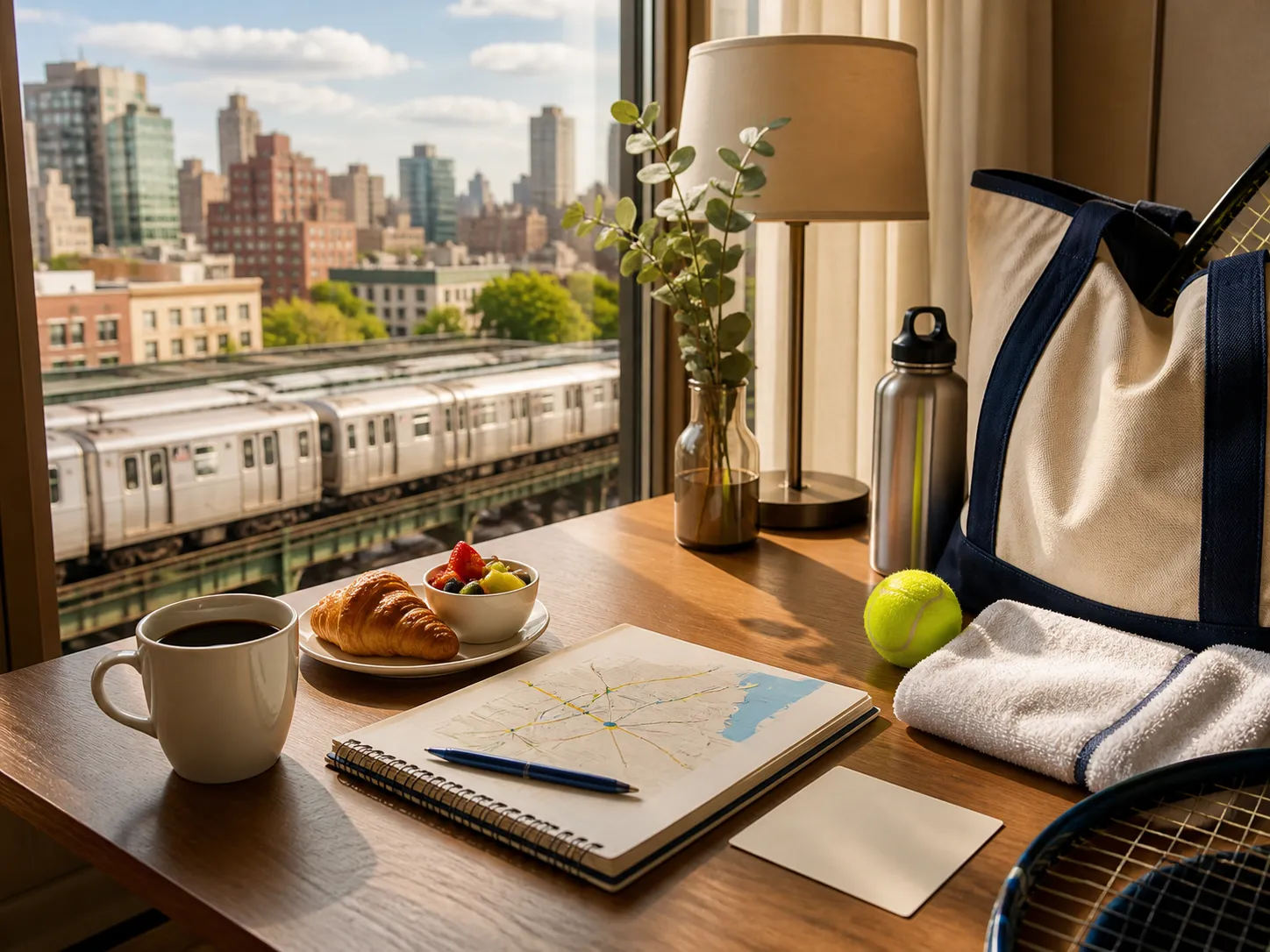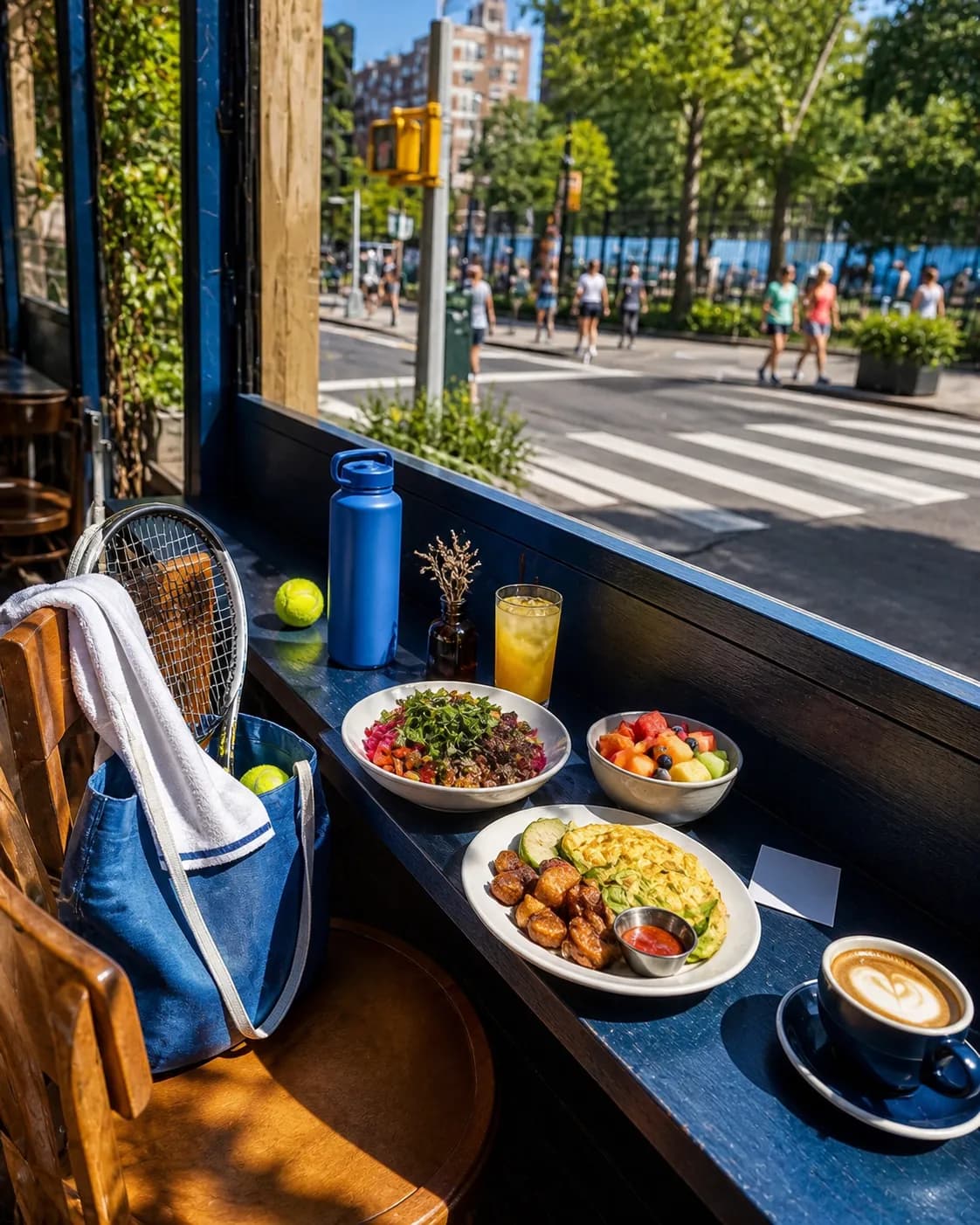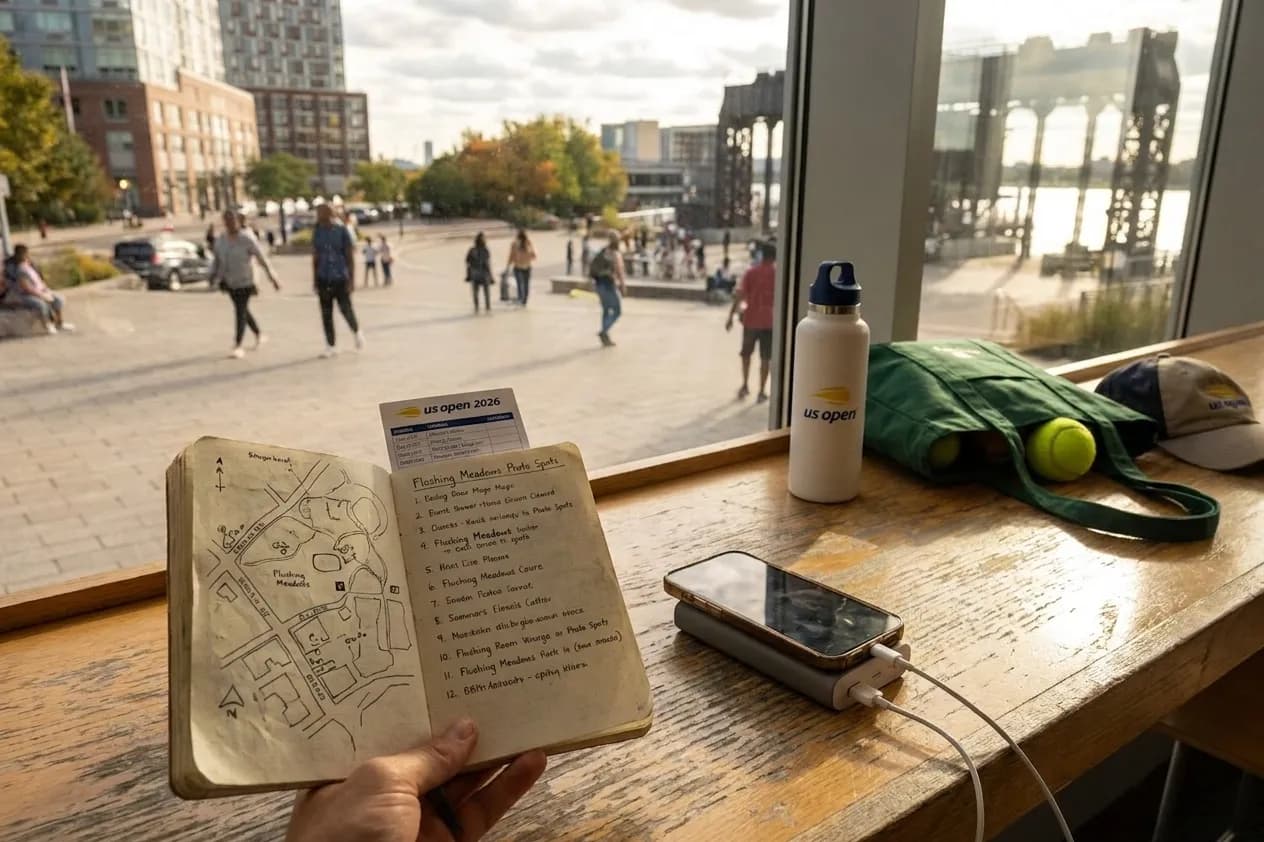
The iPhone 18 Pro rumored features conversation has photographers and tennis fans thinking ahead to what might be possible by the time the 2026 US Open arrives at Flushing Meadows. Whether Apple delivers new computational photography modes, improved low-light performance, or longer battery life, the real challenge at any crowded tournament day remains the same: keeping your phone charged, your shots composed, and your planning offline so you can focus on the match instead of hunting for an outlet or a signal. This guide walks through practical photo ideas, battery habits, and offline prep that work with any iPhone model—current or future—so you're ready to capture the energy of the tournament, the texture of Queens, and the moments between games without the stress.
Text Karpo with your US Open session time and Queens starting point, and we’ll turn this offline planning, phone battery, photo ideas, and practical tech habits for crowded event days into a practical local plan.
Why Offline Planning Matters at a Crowded Tournament
Cell service inside and around the USTA Billie Jean King National Tennis Center can be unpredictable when tens of thousands of fans are streaming video, posting photos, and checking scores simultaneously. Relying on live maps, cloud photo backup, or real-time transit apps during peak hours can drain your battery and leave you stuck. Before you leave home or your hotel in Long Island City, Astoria, or Flushing, download offline maps of the tournament grounds and surrounding neighborhoods, save your transit route offline copies from the MTA site, and pre-load any confirmation emails or tickets into your phone's wallet or a save offline folder. Check the official US Open event schedule and visitor A-Z guide the night before so you know which courts and sessions you want to prioritize, and note any prohibited-items rules that might affect your camera gear or charging accessories.
Battery Strategy: Start Full, Stay Disciplined
A full day at the US Open—especially if you're hopping between Arthur Ashe Stadium, Louis Armstrong Stadium, and the outer courts—can easily stretch from noon to midnight. Start with a 100% charge, and bring a fully charged portable battery pack that you've tested at home. Enable Low Power Mode as soon as you arrive, turn off background app refresh, and keep your screen brightness just high enough to see in direct sunlight. Avoid recording long 4K videos of every point; instead, shoot short bursts in standard HD or use Live Photos to capture a few seconds of action without the file size and processing drain. If you're planning to stay for an evening session under the lights, consider putting your phone in airplane mode during the middle of the day when you're just watching, then toggling it back on when you want to share a photo or check the next match time.
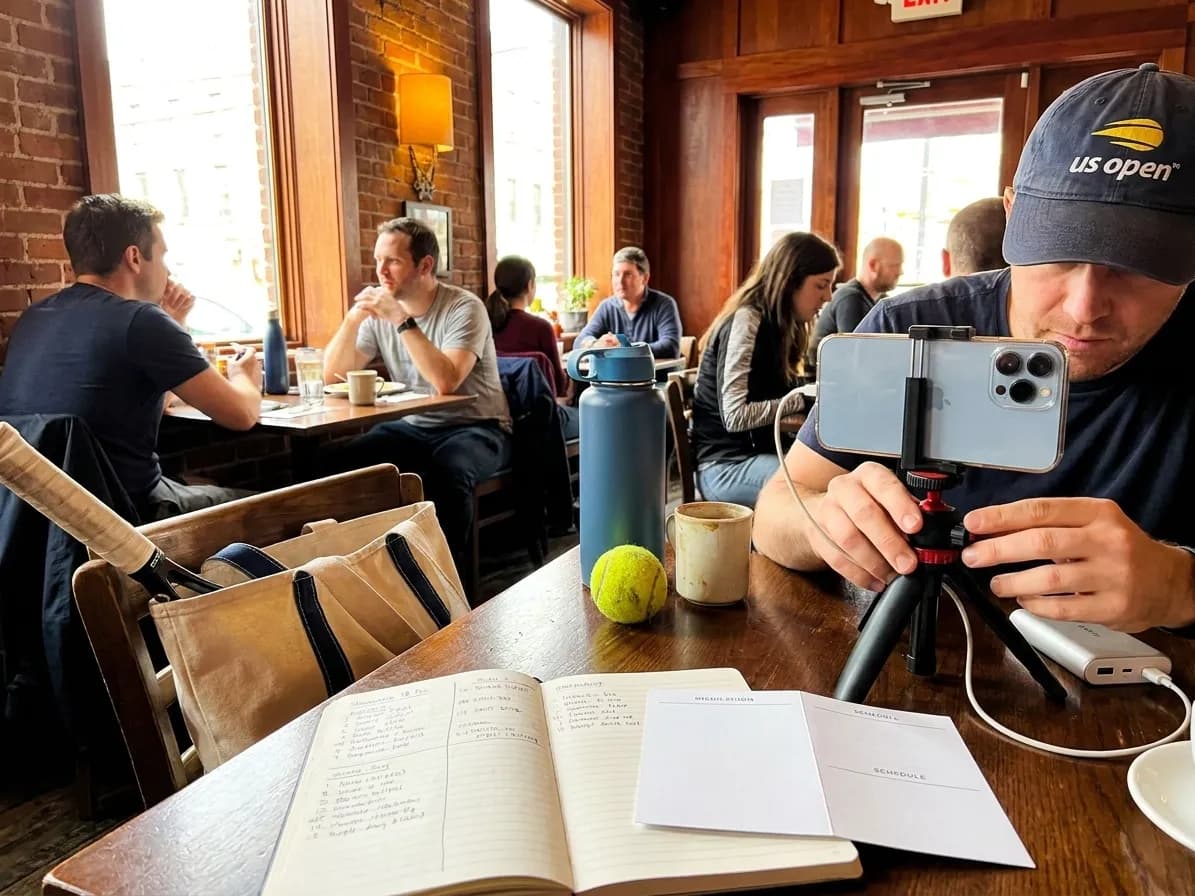
Photo Ideas That Work in Crowds and Bright Sun
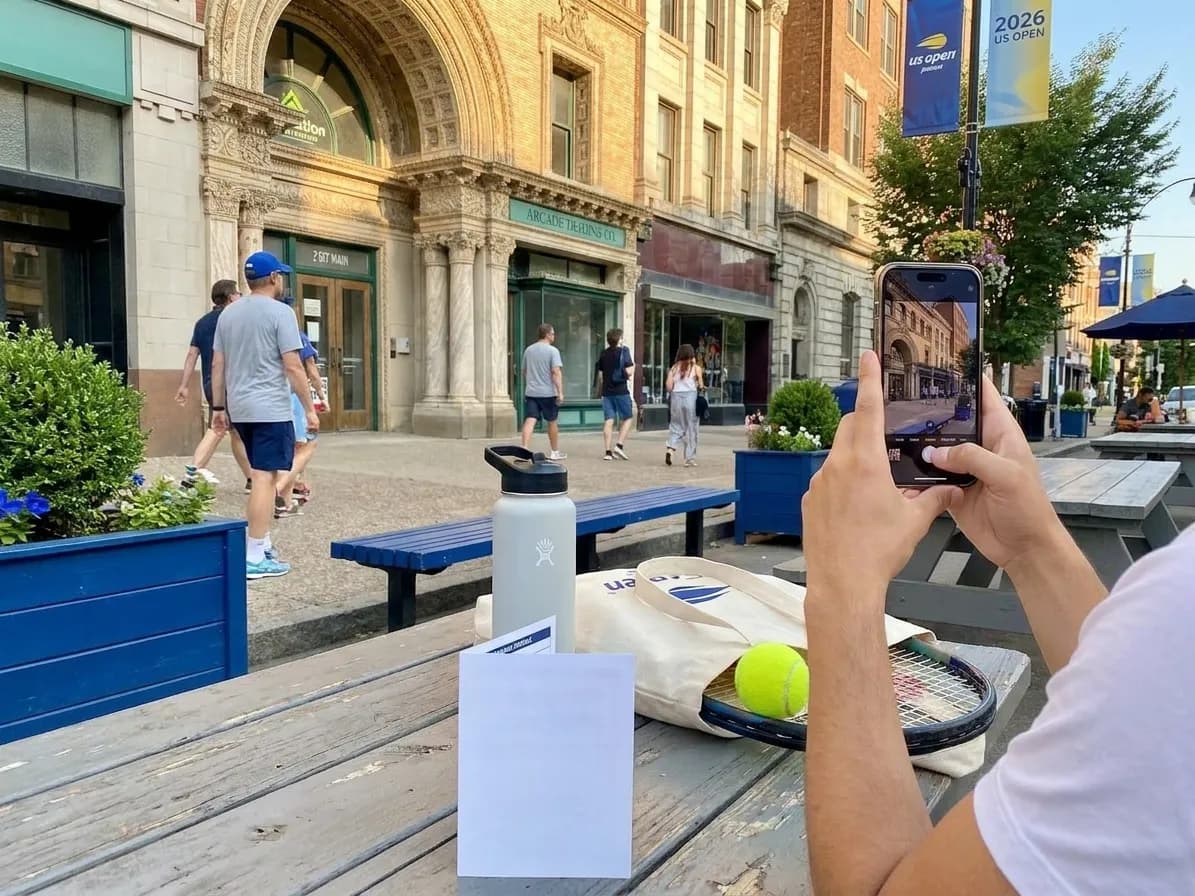
The US Open offers a mix of dramatic court action, colorful crowd scenes, and iconic New York backdrops. Instead of fighting for a clear sightline during a rally, focus on the moments between points: a player toweling off, the ball kid sprinting to retrieve a stray ball, or the shadow patterns cast by the stadium roof. Shoot wide to capture the scale of Arthur Ashe or the intimacy of a packed outer court, and use portrait mode to isolate a fan's reaction or a vendor's tray of food. Early morning and late afternoon light—before the sun is directly overhead—will give you softer shadows and richer colors. If you're shooting through a fence on an outer court, get your lens as close as possible to the chain-link to minimize the blur, and tap to focus on your subject rather than the metal. Save your burst mode for serves and volleys, and remember that a well-composed still of the scoreboard, the crowd, or the Unisphere in the distance can tell the story just as well as a blurry action shot.
Practical Tech Habits for Event Days
Before you head into the tournament grounds, take an offline copy of your seat location, session time, and any meet-up plans with friends. Turn off automatic cloud backup for photos and videos so your phone isn't trying to upload gigabytes of content over a weak signal. If you're using a newer iPhone with satellite emergency features or crash detection, be aware that these can activate in dense crowds or on bumpy subway rides—know how to cancel a false alert quickly. Keep your phone in a secure pocket or crossbody bag rather than balancing it on your lap or a seat armrest, especially in tight rows. If you're planning to use your phone for mobile tickets, payment, or transit cards, keep those apps easily accessible on your home screen and test them before you leave your starting point in Queens. And if you're traveling with kids or a group, agree on a low-tech backup plan—like meeting at a specific food plaza or the Unisphere—in case someone's phone dies or you lose signal.
Charging and Connectivity Around Flushing Meadows
The tournament grounds may offer charging stations or lounges, but availability and access can vary by ticket type and crowd levels—check the official visitor guide closer to your visit. If you're planning to spend time in Flushing before or after your session, the Queens Public Library branches in Flushing and nearby neighborhoods offer public seating, restrooms, and outlets where you can top off your battery in a quieter environment. Coffee shops and food courts along Roosevelt Avenue and Main Street in Flushing can also be good spots to recharge both your phone and yourself, but expect crowds during tournament weeks. If you're staying in Long Island City or Astoria, charge your phone fully at your hotel and consider leaving a backup battery pack there so you can swap it out mid-day if you're close enough to make a quick trip back.
Getting to and from the Tournament with Tech in Mind
The 7 train is the primary transit line to the Mets–Willets Point station, and service can be packed during tournament hours. Before you board, download your return route and any alternative lines (like the LIRR from Flushing) as offline copies or offline maps. If you're using a digital MetroCard or OMNY, make sure your phone has enough battery to tap in and out—carry a physical backup card if possible. The walk from the subway to the tournament entrance is short but can be crowded, so keep your phone secure and avoid stopping in the middle of the flow to check directions. On your way back, especially after a late night session, cell service at the station can be slow; having your route pre-loaded means you won't be stuck waiting for a map to refresh while the platform fills up.
Practical Notes for Tournament Photo Days
- Check the official US Open prohibited-items guide before packing camera gear, tripods, or large battery packs—rules can change year to year.
- Test your portable battery and charging cable at home; a faulty cable discovered at the tournament is a wasted opportunity.
- Download offline maps of Flushing Meadows Corona Park, the tournament grounds, and your transit route the night before.
- Enable Low Power Mode and disable background app refresh, auto-brightness, and cloud photo backup before you arrive.
- Take offline copies of your tickets, session times, seat locations, and any meet-up plans so you're not hunting for emails in a weak signal.
- Agree on a physical meeting spot with your group in case phones die or you lose connectivity—the Unisphere or a specific food plaza works well.
- Shoot in short bursts rather than long 4K videos to save battery and storage; focus on moments between points and crowd scenes.
- Keep your phone in a secure pocket or bag, not balanced on your lap or seat, especially in tight rows or crowded walkways.
- Plan a mid-day charging stop at a Queens Public Library branch, a Flushing coffee shop, or your hotel if you're staying nearby.
- Check MTA service status and the official US Open event schedule the morning of your visit for any last-minute changes.
Thinking Ahead Without Overplanning
The iPhone 18 Pro rumored features discussion is a reminder that camera technology keeps improving, but the fundamentals of event photography—composition, light, timing, and battery discipline—stay constant. Whether you're shooting with the latest model or a phone that's a few generations old, the best photos come from being present, prepared, and patient. By planning offline, managing your battery, and focusing on the moments that matter, you'll come away from the 2026 US Open with images that capture the energy of the tournament and the texture of a summer day in Queens, without the stress of a dead phone or a missed connection.
This article references the iPhone 18 Pro rumored features as a practical planning lens for the 2026 US Open and does not claim any product specifications, release dates, or features are confirmed. Always verify transit, event schedules, prohibited items, and venue policies through official sources close to your visit.
iPhone is a trademark of Apple Inc. US Open is a trademark of the United States Tennis Association. MTA and related marks are trademarks of the Metropolitan Transportation Authority. All trademarks are the property of their respective owners. This article is published independently by Karpo and is not endorsed by, affiliated with, or sponsored by Apple Inc., the United States Tennis Association, or the Metropolitan Transportation Authority.
Ask Karpo First
Tags: #USOpen2026 #Queens #FlushingMeadows #KarpoFinds #Karpo #iphone18prorumoredfeatures #NewYorkLocal #TennisTravel #NYCLocalLife #TennisTravel
Sources consulted: usopen.org — Official event schedule · usopen.org — Official visitor A-Z guide · usopen.org — Official transportation directions · usopen.org — Official prohibited-items guide · Queens Public Library · MTA — Service status
All trademarks are the property of their respective owners.
Ask Karpo first
Want to know what is actually open, how to time the trip, and where to pause around Queens? Ask Karpo for the latest public US Open context, a respectful visitor plan, and a live route around Flushing Meadows before you head out.