 Dog Costume Parade Near Me in East Village: Boris and Horton
Free Things to Do
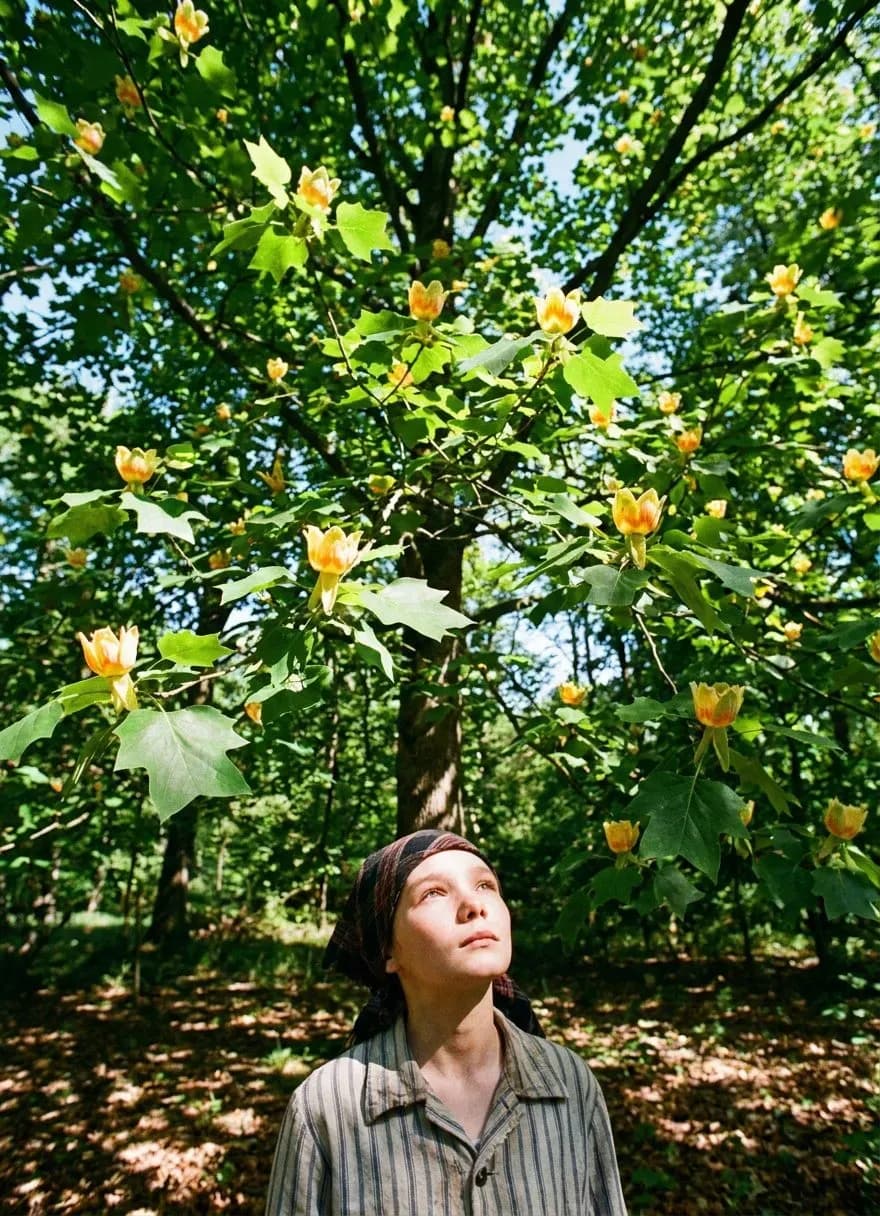
Inwood Hill Park Shorakapkok Preserve and Tulip Tree Grove: A Fresh Field Note
Manhattan's last natural forest harbors 200-year-old tulip trees, a tidal salt marsh boardwalk, and a rocky shore where Spuyten Duyvil meets the Hudson—all reachable by subway.
Manhattan keeps one secret in plain sight: a forty-acre tract of old-growth forest where tulip poplars older than the Republic stretch toward the canopy and tidal currents shape the shoreline twice a day. Inwood Hill Park's Shorakapkok Preserve occupies the island's northern tip, a ridge-and-marsh landscape that has never been plowed, paved, or planted in rows. The red-blazed trail from Payson Avenue delivers you into a different geological epoch within fifteen minutes, and the quiet—broken only by the knock of pileated woodpeckers and the hiss of water over stone—makes it one of the city's most disorienting free things to do.
The Payson gate and the forest threshold
Enter at Payson Avenue and West 218th Street, where a steel gate marks the trailhead. The path descends immediately, trading street noise for leaf litter and the smell of wet schist. Red blazes appear every thirty yards on tulip trunks and outcrops; follow them northwest as the trail drops toward the marsh. Birch and black cherry fill the understory, but it's the tulip trees—Liriodendron tulipifera—that define the canopy, their straight boles rising without branches for fifty feet before the crown spreads.
Spring arrives here in waves. Trout lilies carpet the slopes in late March, bloodroot and trillium follow in April, and by May the tulip trees open their greenish-yellow flowers sixty feet overhead. You won't see them easily without binoculars—the blooms face upward, shaped like their namesake and tinged with orange at the base—but the bees know, and the air hums with their work on warm mornings.

The champion tree and the rock shelter
At the main trail split, near the schist overhang locals call the rock shelter, a small bronze plaque marks the preserve's largest tulip tree. The trunk is five feet across at chest height, the crown reaches a hundred feet, and park foresters estimate the tree at 280 years old—a sapling when the Continental Army retreated north through these woods. It dwarfs everything around it, a monument to what succession looks like when left alone.
The rock shelter itself is a shallow cave worn into the ridge, used by Lenape families for thousands of years before European contact and later by colonial hunters. It's fenced now to protect the archaeological layer, but you can stand at the opening and feel the temperature drop five degrees. Mica glints in the schist walls. On weekday afternoons the light slants through the canopy in shafts dense enough to cast shadows, and the silence is total except for the trickle of a seasonal seep that runs over the stone.
The Shorakapkok boardwalk and observation deck
The trail flattens as you approach the marsh, and the forest opens onto a tidal wetland fed by Spuyten Duyvil Creek. A wooden boardwalk runs across the Phragmites and cord grass to an observation platform at the channel's edge. The name Shorakapkok is Lenape, meaning "the edge of the river," and the translation holds: you're standing at the point where the Harlem River empties into the Hudson, a tidal strait that reverses direction every six hours.
The platform offers a three-sided view—west to the Palisades, north to the Henry Hudson Bridge, east toward the Metro-North tracks climbing the Bronx ridge. Great egrets stalk the shallows at low tide, and in migration season the marsh fills with warblers. The water is brackish, saline enough to support ribbed mussels and fiddler crabs but fresh enough for cattails. If you visit in late afternoon, the light turns the marsh grass gold and throws long shadows from the bridge piers.

The shore scramble and tidal archaeology
An unmarked path splits left from the boardwalk just before the platform, dropping through a tangle of sumac and poison ivy to the rocky shore of Spuyten Duyvil. The route is steep, muddy after rain, and not maintained—wear boots with grip. At the bottom you reach a cobble beach littered with driftwood and the occasional waterlogged piling from a long-gone dock.
At low tide the retreating water exposes pottery shards and oyster middens left by colonial and Indigenous inhabitants—fragments of redware, stoneware, and shell heaps compacted into the sediment. Park rules prohibit removing artifacts; observe only and check current site restrictions before visiting. The oyster shells are enormous, some six inches long, evidence of the estuary's abundance before industrialization. It's a quiet kind of time travel, ephemeral and renewed with every tide.
Spring rituals and the ecologist's walk
The preserve attracts a small cohort of regulars—birders with scopes, botanists with hand lenses, runners who prefer roots to pavement. In spring the park may offer seasonal wildflower walks; verify current dates and meeting point with NYC Parks. The group is capped at fifteen participants on a first-come basis, and it fills quickly; arrive ten minutes early. The naturalists know where the pink lady's slippers hide and which logs host the best slime molds, and they'll point out the tulip tree flowers if they've opened early.
Even without a guide, spring rewards the patient. Bring a hand lens and a field guide—Newcomb's is still the best for the Northeast—and walk slowly. The forest floor transforms week by week: hepatica in March, Dutchman's breeches in April, Solomon's seal and wild geranium in May. The tulip tree bloom window is brief, ten days to two weeks depending on the weather, and the flowers drop quickly once pollinated. Check the park's conditions page in late April or visit after a warm week to catch them.
Why it works in 2026
The Shorakapkok Preserve endures because it was never fully colonized—too steep to farm, too rocky to build on, too far from the grid to justify the cost. That accident of topography and economics preserved a fragment of what the entire island looked like before contact. In 2026, with the city denser and louder than ever, the contrast is clarifying. You're forty minutes from Midtown by subway, standing in a forest where the trees predate the Constitution and the marsh still rises and falls with the moon.
It's not wilderness—the A train rumbles a quarter mile south, and jets descend toward LaGuardia every ninety seconds—but it's wild enough to reset your sense of scale. The tulip trees will outlive your subway card. The tide will turn whether you watch it or not. That's the gift of the place, and it costs nothing but attention.
Practical notes
Inwood Hill Park main entrance: Payson Avenue and West 218th Street, Manhattan. Nearest subway: A train to 207th Street, then a ten-minute walk north on Seaman Avenue. Limited street parking on Payson. The park is open dawn to dusk year-round; trails are unsupervised and can be muddy. Wear boots with traction, bring water and binoculars, and download a trail map before you go—cell service is spotty under the canopy. The boardwalk is accessible; the shore scramble is not. No dogs on the boardwalk. Verify seasonal conditions and event schedules directly with NYC Parks.
Tags: #InwoodHillPark #Shorakapkok #TulipTrees #FreeAndFine #NYCNature #ManhattanHikes #HudsonRiver #SpuytenDuyvil #OldGrowthForest #TidalMarsh #SpringWildflowers #UrbanForest #NYCParks #HiddenManhattan #NaturalHistory
All trademarks are the property of their respective owners.
Ask Karpo for more information.
Keep reading
- Dog Costume Parade Near Me in East Village: Boris and Horton
 Dog Costume Parade Near Me in Astoria: Château le Woof
 Dog Costume Parade Near Me on Upper West Side: Black Lab Cafe