
Finding an immigration lawyer in New York City is less about picking the flashiest ad and more about matching your situation to the right kind of help. NYC has a wide network of nonprofit legal services, city-funded resources, and private attorneys, but the right choice depends on whether you need help with a green card, asylum, removal defense, family petition, work authorization, or a simple form review. Because immigration law is complex and frequently changes, the safest approach is to verify credentials, services, and current intake rules before you make an appointment.
Before you call the first office you find, use this guide to compare NYC immigration lawyers and accredited nonprofit options by case type, language, and urgency so you can book with more confidence and fewer surprises.

Start with the right kind of help
For many NYC residents, the best first stop is not a private firm but a nonprofit or city-funded provider that can explain your options and, in some cases, offer free or low-cost representation. The NYC Mayor’s Office of Immigrant Affairs maintains a directory of free legal services, and the city’s ActionNYC program page directs residents to screened, community-based immigration help. These resources are especially useful if you are unsure whether your issue is family-based, humanitarian, employment-related, or a defense matter.
If your situation is urgent or high-risk, such as a court date, a deadline for filing, or a government notice you do not understand, move quickly and bring every document you have. General information is helpful, but it is not a substitute for personalized legal advice, especially when your immigration status, work authorization, or ability to remain in the U.S. may be affected.
Know the difference between lawyers and representatives
In immigration cases, you may encounter attorneys, DOJ-accredited representatives, and notarios or document preparers. Only licensed attorneys and properly accredited representatives should be trusted to give immigration legal advice. The U.S. Department of Justice’s recognition and accreditation system lets nonprofits provide immigration help through qualified staff, while the New York State Unified Court System explains how to verify attorney status and look up disciplinary history.
A practical rule in NYC: if someone promises guaranteed results, asks you to sign blank forms, or refuses to show credentials, walk away. For a private attorney, confirm the lawyer is admitted and in good standing. For a nonprofit, confirm the organization is recognized and ask who will actually handle your case.

Use NYC’s nonprofit and city resources first
NYC offers a strong public-interest safety net for immigrant communities. The city’s immigrant affairs portal links to legal service providers, language access support, and guidance on scams and fraud. ActionNYC is designed to help immigrants access free, safe legal screenings, and the Mayor’s Office of Immigrant Affairs also publishes information on immigrant rights and local support services. These programs can be a good fit if you need a screening before deciding whether to pay for private counsel.
Community-based organizations can also be helpful when language access matters. Many work with interpreters or multilingual staff and may prioritize people with limited income, pending court dates, or specific humanitarian needs. Because intake rules can change, recheck the official page or call ahead before traveling across boroughs.
Compare private immigration lawyers like a local
If your case is complex, time-sensitive, or outside the scope of free services, a private immigration lawyer may be the faster path. Compare firms by their experience with the exact matter you have, not by the size of the office or the number of online reviews. A lawyer who handles family petitions may not be the best fit for removal defense, and a business-immigration specialist may not be the right person for asylum or waivers.
Ask who will be your actual point of contact, what language services are available, how fees are structured, and what is included in the quoted price. In NYC, where travel time and appointment timing matter, it also helps to choose an office near a subway line you can realistically reach for follow-ups.
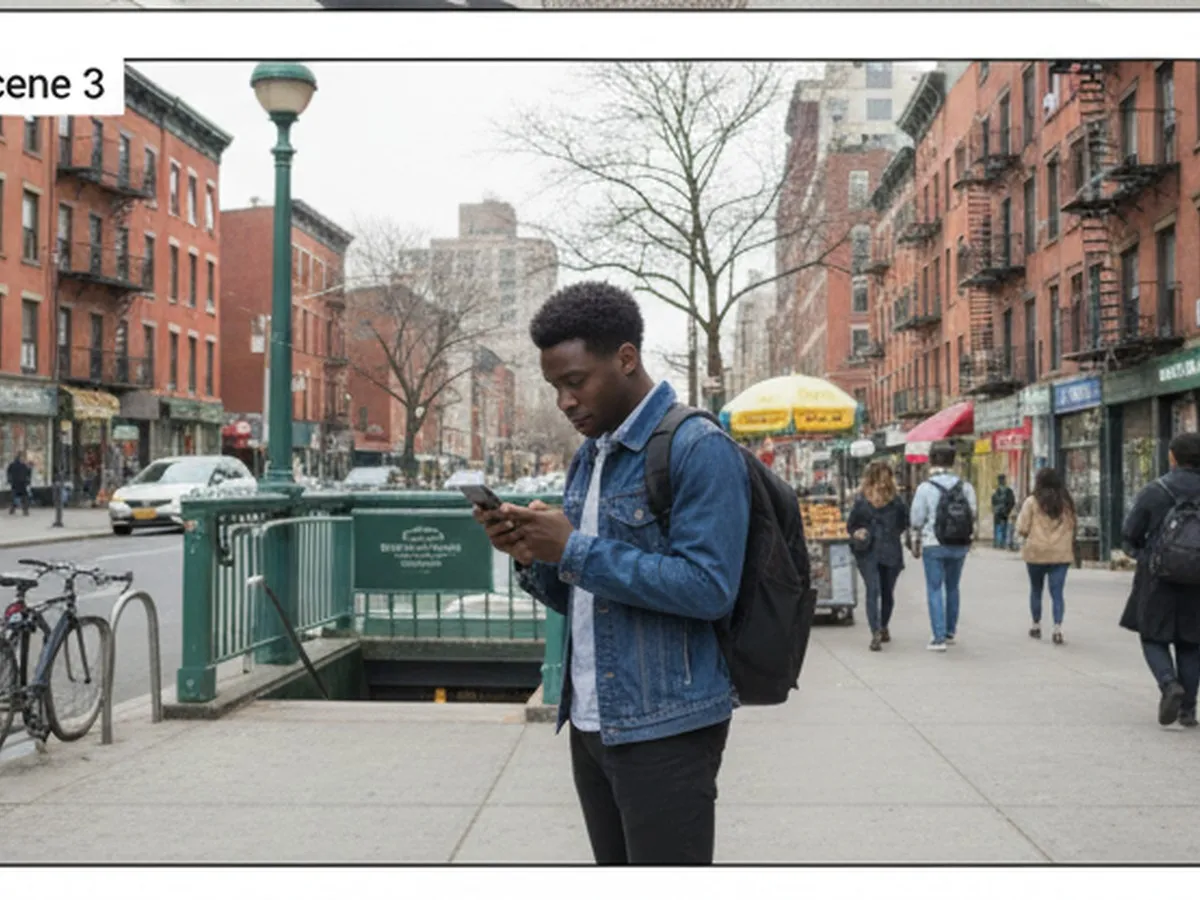
Plan your visit around transit and timing
A smart legal-aid trip in NYC is part transit planning, part document management. Before you head out, check MTA service changes, leave extra time for delays, and bring originals plus copies of everything relevant: passports, notices, receipts, court papers, employment records, marriage or birth certificates, and any prior applications. Many legal offices operate by appointment only, and some nonprofit intake systems fill quickly.
If you are visiting Manhattan from outer boroughs, it may be worth choosing a provider near a major transit corridor rather than the closest office to your home. That can reduce the chance of a missed appointment if you need a second visit, interpreter support, or additional paperwork review.
Watch for scams and confirm before paying
Immigration fraud is a real risk, and the city and federal agencies both warn residents to verify credentials before sharing sensitive information or money. Be cautious if someone pressures you to pay in cash only, promises insider access, or claims they can speed up government decisions. Keep copies of receipts, retain written fee agreements, and never give original documents to anyone who cannot clearly explain why they need them.
Before you pay, confirm the full scope of services, refund policy, and whether the office will file forms, track deadlines, or simply prepare documents. If you are comparing multiple providers, ask each one the same questions so you can make a fair side-by-side comparison instead of choosing based on the most polished pitch.
Choose by scenario: solo, date, or group
For a solo visit, pick the most direct option: a nonprofit screening if you need guidance, or a private attorney if you already know your case type and need fast legal strategy. For a date-night errand or after-work stop, choose an office with a predictable appointment window near a major train line so the day does not become a logistics problem.
For a group plan, such as helping a relative or friend, focus on offices that can handle family coordination, interpreter needs, and document review in one visit. The best NYC immigration help is usually the one that makes the next step clear, whether that is filing, preparing for court, or staying on top of a deadline.
Tags: #immigrationlawyer #nyc #immigration #legalservices #nonprofithelp #manhattan #brooklyn #queens #hiddengemsoddfinds #NYC #KarpoFinds #AskKarpo
Sources consulted: NYC Mayor’s Office of Immigrant Affairs: Immigration legal services · NYC ActionNYC program overview · U.S. DOJ EOIR recognition and accreditation roster reports · New York State attorney search and disciplinary records · USCIS: Avoid scams · MTA subway riding guide
All trademarks are the property of their respective owners.
Ask Karpo first
If you want, Karpo can help you narrow this down by neighborhood, language, budget, or case type, then turn it into a short checklist of what to ask before you book a consultation.


