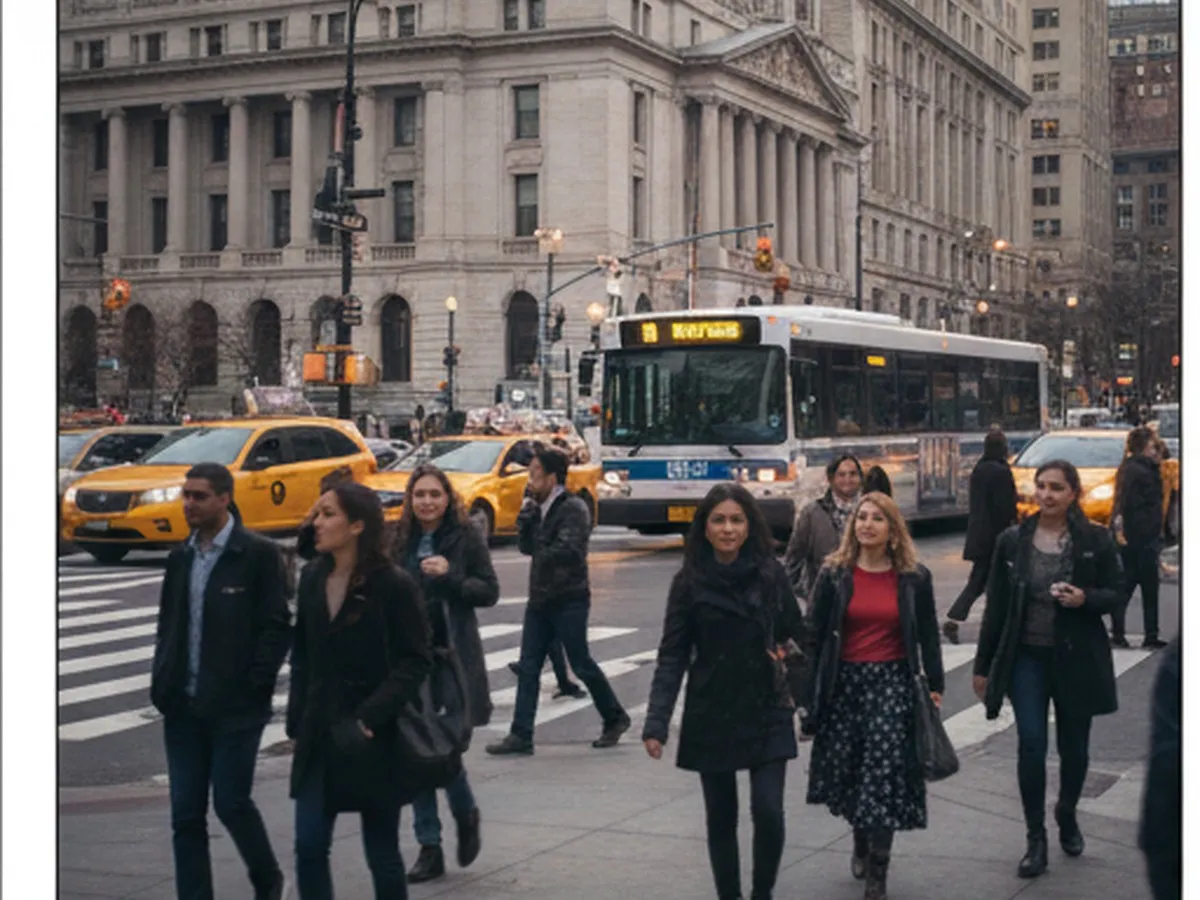
“Mamdani” shows up in search results a lot, but in 2026 there is no Mayor Mamdani running New York City; instead, the name is better known from political conversations and theoretical scenarios about progressive, left-leaning leadership that would prioritize tenants’ rights, public transit, climate justice, and policing reform. That makes “Mayor Mamdani” a useful shorthand for imagining how a more strongly progressive administration might reshape day-to-day life for 20- to 40-somethings across the five boroughs—and how you can navigate and influence those changes using real, current NYC government structures, rather than relying on outdated 2025 speculation.
Curious how a Mayor Mamdani could alter your rent, commute, favorite nightspots, or the vibe of your neighborhood? Save this guide and share it with friends in other boroughs, then use Karpo to bookmark official NYC links for housing, transit, policing, and climate so you have a reliable, updated hub when real policy debates heat up again—no more getting stuck in outdated 2025 Twitter threads.

Manhattan: Hypothetical Mamdani Policies in the Civic Core
Manhattan is where any mayor’s agenda becomes visible fastest—through City Hall, major agencies, and high-profile projects in Midtown and Downtown. In a Mamdani-style progressive scenario, you’d expect strong focus on tenants’ protections, aggressive enforcement of existing rental laws, and support for statewide reforms like good cause eviction through coalition-building rather than unilateral city action, since eviction rules and rent regulation are set at the state level. This kind of administration would likely use current tools such as NYC’s Office of Tenant Advocate and housing enforcement units to crack down on illegal evictions and harassment, while pushing for more deeply affordable housing in new rezonings and city-owned sites. For Manhattan renters, that could translate into more active inspections, better access to legal help, and tighter oversight of big landlords—but always within the limits set by Albany.
Daily life in Manhattan is also heavily shaped by transit and street design. Any mayor has to work with the MTA, a state-controlled entity, to influence subway and bus service, but the city does control streets, bus lanes, bike infrastructure, and many safety programs. A progressive, Mamdani-adjacent vision would likely support existing initiatives such as congestion pricing (managed by the MTA and state) for cleaner air and better transit funding, while expanding protected bike lanes and busways in busy corridors like 14th Street and around Penn Station, building on existing NYC Department of Transportation programs. Residents and commuters in Manhattan would feel this through faster crosstown trips, safer biking, and possible changes to curb use—like less free parking and more loading zones—to prioritize buses and emergency vehicles.
If you work or go out in Manhattan, a hypothetical Mayor Mamdani’s cultural and nightlife stance would matter too. The city already has programs to support arts organizations and regulate nightlife through licensing and enforcement. A more progressive administration might push grants and public-space programming toward smaller, community-centered venues and outdoor performances, similar to how the city and partners have organized free summer events across Manhattan in recent seasons. That could mean more inclusive programming in places like Lincoln Center’s public plazas, Bryant Park, and waterfronts, while still balancing concerns about noise, crowding, and safety. To see what’s actually happening now—not just hypotheticals—New Yorkers should check current cultural calendars and city permits rather than relying on projections that were circulating in 2025.
Brooklyn: Housing Pressure, Nightlife, and Progressive Experiments
Brooklyn is often the testing ground for new ideas on housing, public space, and nightlife. A Mamdani-style administration would likely prioritize tenant organizing and anti-displacement work in rapidly changing neighborhoods like Williamsburg, Bushwick, Crown Heights, and Flatbush. While formal zoning and large-scale developments go through the city’s Uniform Land Use Review Procedure (ULURP), any mayor can shape those debates by backing or opposing rezonings, negotiating community benefits, and funding legal and organizing support for tenants through agencies and city-funded nonprofits. Young renters could see stronger anti-harassment enforcement, more language-accessible resources, and likely support for statewide rent reforms—though again, changes to rent laws themselves would require Albany’s action, not just City Hall.
Brooklyn’s reputation as a hub for creative industries and nightlife means progressive leadership could push for more inclusive, community-led cultural spaces. The city has already partnered with organizations to run free outdoor events and festivals in places like Brooklyn Bridge Park and Prospect Park. A mayor aligned with Mamdani-style priorities would probably strengthen such partnerships, encourage non-police responses to minor quality-of-life issues at events, and support harm-reduction strategies around nightlife instead of purely punitive approaches. At the same time, enforcement of noise and occupancy rules would continue through existing departments like the NYPD and city agencies, meaning changes would be more about priorities and tone than huge legal rewrites.
Transit-wise, Brooklyn relies on subways, buses, and ferry connections, all intertwined with state-controlled MTA decisions. A hypothetical Mayor Mamdani could advocate for more frequent bus service and better subway maintenance, but would mainly influence local travel through expanding bus lanes (e.g., on major arteries like Flatbush Avenue) and safe bike routes connecting to Manhattan and Queens, using current NYC DOT programs. For residents juggling late-night commutes from work or going out, that might look like more 24-hour bus priority corridors and safer cycling infrastructure, especially where demographics skew younger and car ownership is low. As always, travelers should confirm service changes and new routes through official MTA and DOT communications, not third-party rumors or old 2025 proposals.
Queens: Immigrant Communities, Transit Lifelines, and Equity
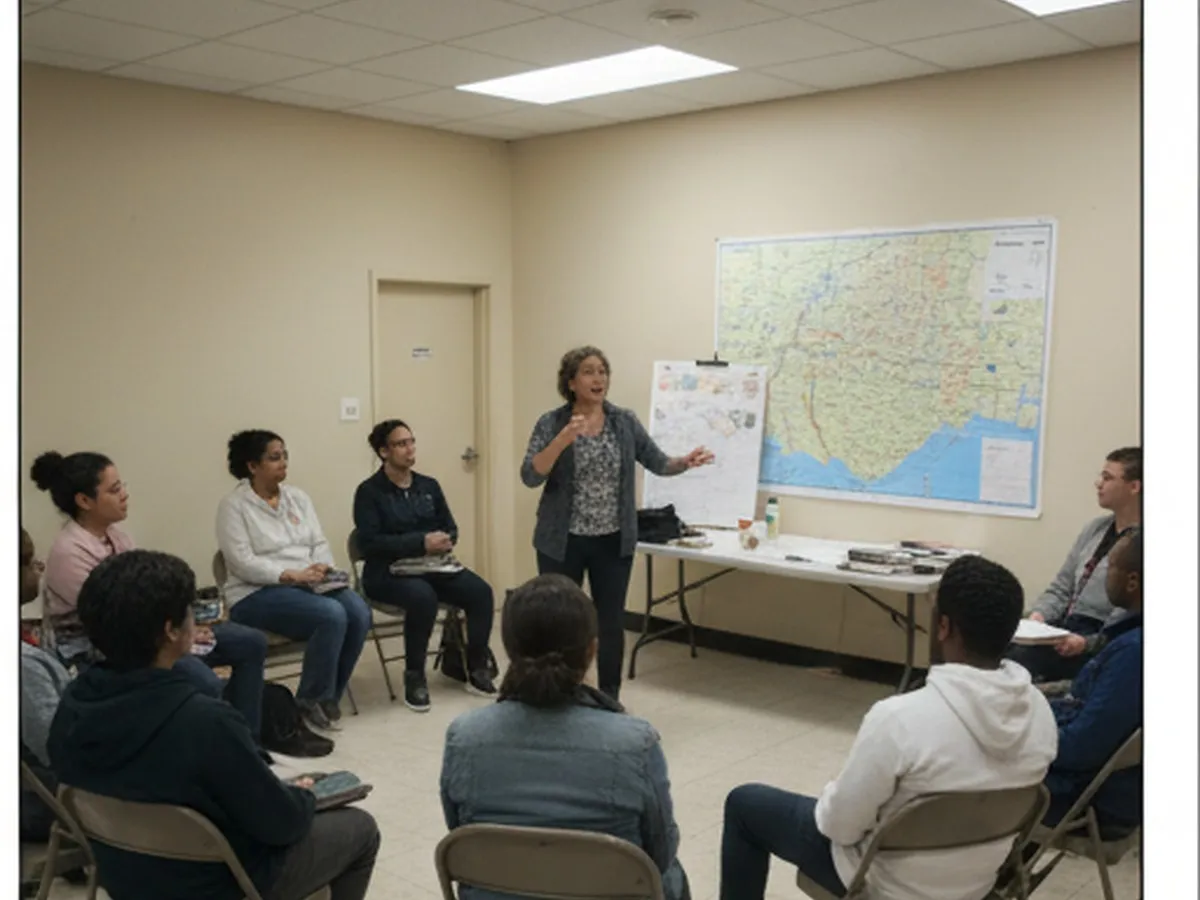
Queens is home to some of the most diverse neighborhoods in the country, where immigration, language access, and workers’ rights are constant concerns. A progressive, Mamdani-like administration would likely push to expand and better fund existing city programs that support immigrant New Yorkers, including legal assistance, language interpretation, and protections against workplace exploitation, all of which are currently administered through various NYC agencies and nonprofit partnerships. Such an approach could prioritize outreach in Queens transit hubs and commercial strips, making sure residents hear about real-time policy changes from official sources instead of misinformation spreading in community chats or outdated social posts from 2025.
Queens also depends heavily on subway lines like the 7, E, F, and R, plus buses and growing bike networks. Since the MTA controls service levels, a hypothetical Mayor Mamdani would have to work through advocacy and budget negotiations rather than direct control, but could expand local street safety and bus priority projects on key corridors, building on existing DOT work. That might mean more protected bike lanes in western Queens and improved bus lanes along busy stretches like Queens Boulevard, improving commutes for young professionals and students. For late-night workers and creatives traveling across boroughs, these changes would be felt as safer, more predictable trips home, even if subway frequencies remain a state-level decision.
Queens residents also care about public safety and policing, especially in diverse, working-class neighborhoods. A progressive mayoral approach might emphasize investment in non-police community programs, mental health crisis teams, and youth-focused services, drawing on models already piloted in different parts of the city. However, the NYPD’s structure and many legal constraints are defined by city laws and state regulations, meaning change would be incremental rather than overnight. If you’re trying to understand how policing and public safety may evolve in your part of Queens, the most reliable path is to track current NYPD policies and City Council legislation, and to participate in community precinct meetings, instead of relying on hypothetical 2025 campaign promises that didn’t become law.
The Bronx: Public Health, Parks, and Climate Justice
In the Bronx, long-standing inequities around air quality, health outcomes, and infrastructure make it a focal point for any mayor who campaigns on justice and equity. A Mamdani-style administration would probably highlight environmental justice—supporting efforts to reduce truck traffic near major corridors, back investments in waterfront resiliency, and expand tree canopy and green spaces, using existing city tools for capital planning and parks investment. Residents might see stronger support for programs that bring more resources to historically underserved areas, similar in spirit to recent citywide climate and resiliency initiatives that connect environmental policy with public health.
Public parks and recreation, from the Bronx Zoo area to neighborhood playgrounds, could also receive more attention under a progressive agenda. The city’s Parks Department already manages capital projects and programming, and any mayor can shift budget priorities toward playground repairs, new recreation centers, or cultural events in borough parks. A hypothetical Mayor Mamdani might push to make these spaces feel more welcoming to young adults and families alike, with free or low-cost events that mirror successful city-supported programming seen in other boroughs, such as outdoor movies and performances. For residents, that would mean more chances to gather locally for culture and recreation without traveling far or paying high ticket prices.
On public safety and health, progressive leadership often focuses on non-police interventions and access to services. The Bronx, with higher rates of chronic health conditions, could see additional funding for community clinics, mental health programs, and violence interruption initiatives, delivered through existing city agencies and contracted organizations. These changes would be guided by current city health policy and budget negotiations, not hypothetical 2025 platforms, so staying informed through official NYC announcements and community boards is critical. If you’re navigating healthcare or benefits in the Bronx, remember that online lifestyle guides provide general information only; for personalized advice, you’d need to consult healthcare providers or legal aid organizations linked from government and reputable nonprofit sites.
Staten Island: Transit, Local Identity, and Resistance to Change
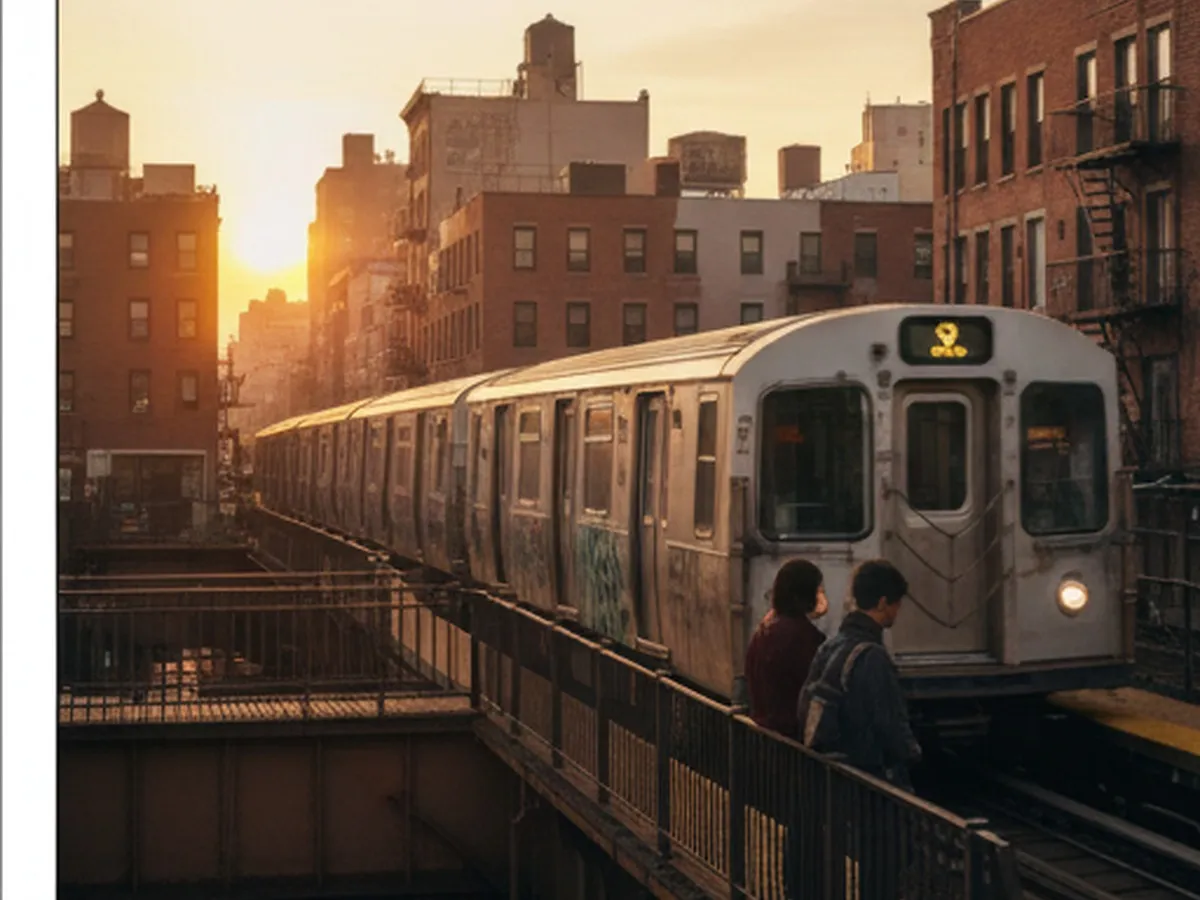
Staten Island often feels distinct from the rest of the city, with a stronger emphasis on driving, ferry connections, and local identity. A hypothetical Mayor Mamdani, emphasizing transit equity and climate justice, would likely support improvements to the Staten Island Ferry and bus connections, but also promote alternatives to car dependence where possible. Since major transit decisions still run through the MTA and state, changes would be more about ferry service quality, bus reliability, and selective street redesigns, as well as maintaining and improving existing free ferry access. Residents who rely heavily on cars might experience tension between equity-driven policies—like promoting bus lanes or bike facilities—and local preferences for parking and road capacity.
Politically, Staten Island has often leaned more conservative than other boroughs, which could shape the local reaction to a progressive mayor. Policies emphasizing tenant protections, police reform, or climate initiatives might meet stronger pushback here than elsewhere, affecting how quickly and fully they’re implemented at the neighborhood level. For example, any citywide move to reallocate budget from certain enforcement activities to social services would be debated strongly in Staten Island civic spaces and media, even though the underlying legal framework would still be defined by City Charter, state law, and City Council decisions. Young adults living on Staten Island would see those debates play out in local community boards and town halls, making direct participation especially important.
In daily life, cultural and recreational programming in Staten Island might receive new attention under a mayor focused on borough equity—expanding city-backed events in local parks and waterfronts and partnering with arts groups similar to those featured in citywide summer programs. That would mean more opportunities close to home, but residents would need to follow official NYC calendars and local event listings to know what’s genuinely happening now, as opposed to hypothetical 2025 proposals that never moved forward. Using Karpo or your own saved links, you can track which programs are real, recurring, and updated for 2026 before planning outings or inviting friends from other boroughs.
Citywide Systems: What a Mayor Can (and Cannot) Change
Imagining a Mayor Mamdani is useful, but understanding what any NYC mayor can and cannot change is even more important. The city’s powers are defined by the New York State Constitution, state laws, and the New York City Charter, which limit unilateral action on issues like rent regulation, major transit funding, and many aspects of criminal law. For instance, the MTA, which runs subways and most buses, is a state authority, so mayors influence transit mainly through advocacy, funding negotiations, and control over city streets and some local services, not by simply ordering train frequency changes. Similarly, big shifts in rent law, tax codes, or criminal statutes require cooperation with the state legislature, and often with the City Council, not just a mayoral executive order.
On the other hand, mayors have substantial control over budget priorities, agency leadership, and program emphasis. They appoint commissioners who oversee departments like the NYPD, DOT, Parks, Health, and Housing Preservation & Development, and can direct those leaders to focus on enforcement, public outreach, or new pilots in specific ways. A Mamdani-style mayor could, for example, push DOT to accelerate bus lane and bike network expansion, or direct housing officials to be more aggressive in pursuing landlords who violate housing codes. They could also champion arts and cultural programming and partner with institutions to deliver large-scale public events similar to the city-supported summer festivals and outdoor series that have defined recent seasons in NYC. These changes show up in how agencies interact with you: inspections, outreach, services, and opportunities for grants or participation.
For young New Yorkers trying to understand real-world impact, the key is to distinguish between historical or campaign rhetoric and current policy. Many ideas floated in 2025—by media, advocates, or hypothetical scenarios—did not become law or program reality. To know what’s active in 2026, you need to look at current City Council legislation, official agency announcements, and up-to-date calendars and service changes from NYC and the MTA. Lifestyle guides like this can help you frame questions and spot themes, but they cannot replace official sources or professional advice on legal, medical, housing, or financial matters. Whenever you’re making a serious decision—signing a lease, contesting a citation, planning a major move—use this borough-by-borough lens to understand where change is likely, then verify details directly with government or recognized nonprofit resources.
Ask Karpo first
Before you spiral through old 2025 threads about a hypothetical Mayor Mamdani, treat Karpo as your first stop for current, borough-specific context. Ask for a quick rundown of how today’s real administration and City Council are approaching rent, transit, nightlife, climate, or policing in your part of NYC, and we’ll map your everyday routines—your commute, favorite parks, go-to venues—onto the systems that actually exist now, not in outdated scenarios. From there, we can point you to official NYC and MTA pages to recheck hours, rules, eligibility, and service changes, plus local boards or community meetings where your voice will carry weight. Whether you live in Manhattan or visit from Staten Island, we’ll help you keep your saved insights aligned with 2026 realities, so you can read, share, book, and build a more informed life in the city—no hypothetical mayor required. This is general information, not personalized legal, medical, housing, or tax advice; for those issues, we’ll steer you toward qualified professionals and official government or nonprofit channels.1]
Tags: #hiddengemsoddfinds #nyc #policy #housing #transit #climate #nightlife #civicengagement #NYC #KarpoFinds #AskKarpo
Sources consulted: NYC Tourism: Guide to Summer in NYC · Dandelion Chandelier: Culture Index Summer 2026 · NewYorkCityFeelings: Summer 2026 in NYC
All trademarks are the property of their respective owners.
Ask Karpo first
When you’re trying to decode how a hypothetical Mayor Mamdani might change life on your block, start with your own routine: where you commute, how you spend weekends, what feels unfair or broken. Tell Karpo what borough you live in (or play in most), plus your top worries—rent, transit, nightlife, small businesses, parks—and we’ll turn that into a personalized, borough-by-borough game plan, with links to the right agencies, deadlines to watch, and suggestions for where your voice will matter most. We’ll keep tracking real NYC policy updates, so your saved plan stays current instead of freezing at old 2025 conversations.


