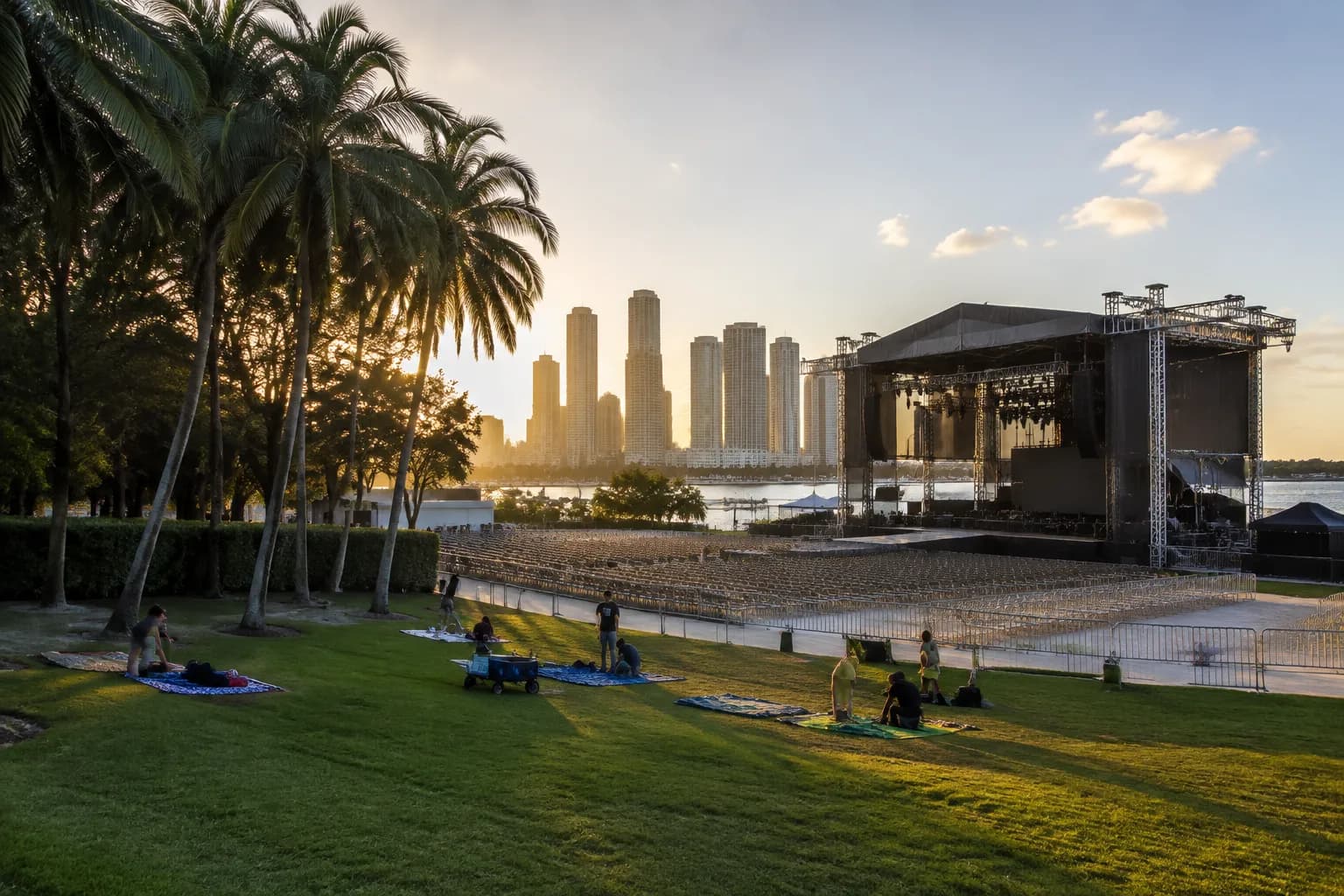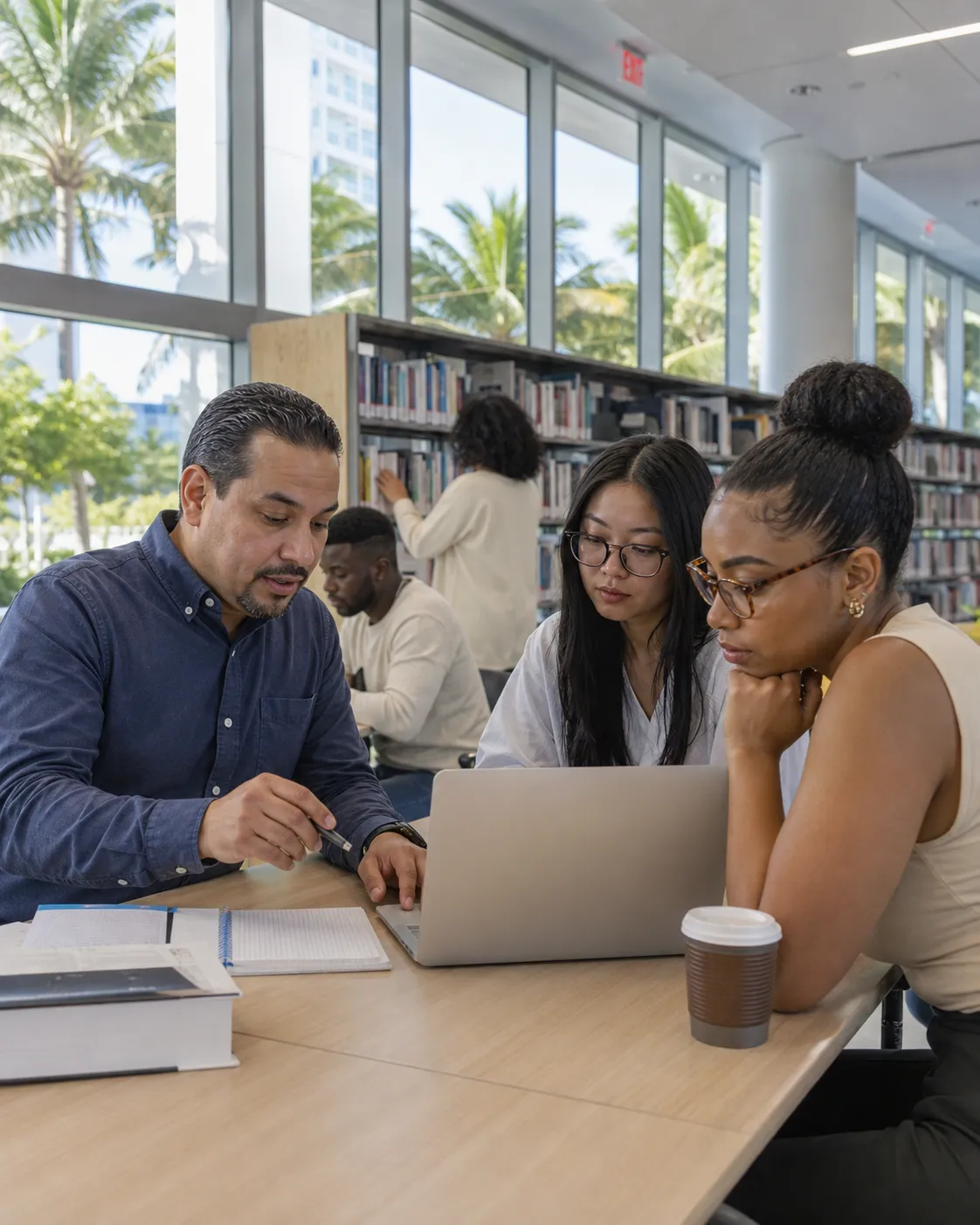
A calm source check session can turn a noisy headline into a manageable reading exercise. In Miami, a library table gives you the kind of quiet afternoon that makes it easier to separate what is confirmed from what is still moving. When the keyword idaho shooting starts circulating in search results, the useful move is not to chase every post. It is to compare official records, read reputable public information channels, and note which details are direct reporting versus repetition. Miami-Dade Public Library System resources are a good fit for that kind of work because the goal is not debate or drama, but careful verification. If you also want a simple way across town, Miami-Dade County's free Metromover can reduce the friction of getting there without adding cost or another search task to the afternoon.
Use Karpo with your Miami neighborhood, quiet-time preference, device access, and research goal to find a library-based session for calmly checking Idaho shooting sources.

Pick the Setting First
Choosing the library first changes the tone of the whole session. A table, a charger, and a few minutes without autoplay are enough to keep the work focused. The value is not that the library tells you what to think, but that it gives you a public place where you can slow down before the feed speeds up. For a Miami reader, that matters because a trending topic can arrive through social posts, alerts, and headlines all at once. A library setting gives you distance from that noise and keeps the task grounded in reading, note taking, and cross checking rather than reacting.
If you want the session to feel more structured, Miami-Dade Public Library System's events page is the safest place to start looking for library programming. That page signals where public events are listed without forcing you to guess which branch is doing what on a given day. The right mindset is to treat the page as a discovery tool, not a promise. Check whether the topic is framed as media literacy, news literacy, research help, or another public service format, then confirm the details before you go. That approach respects the limits of what is published and avoids turning a search hook into an assumption.
Separate Claim From Record
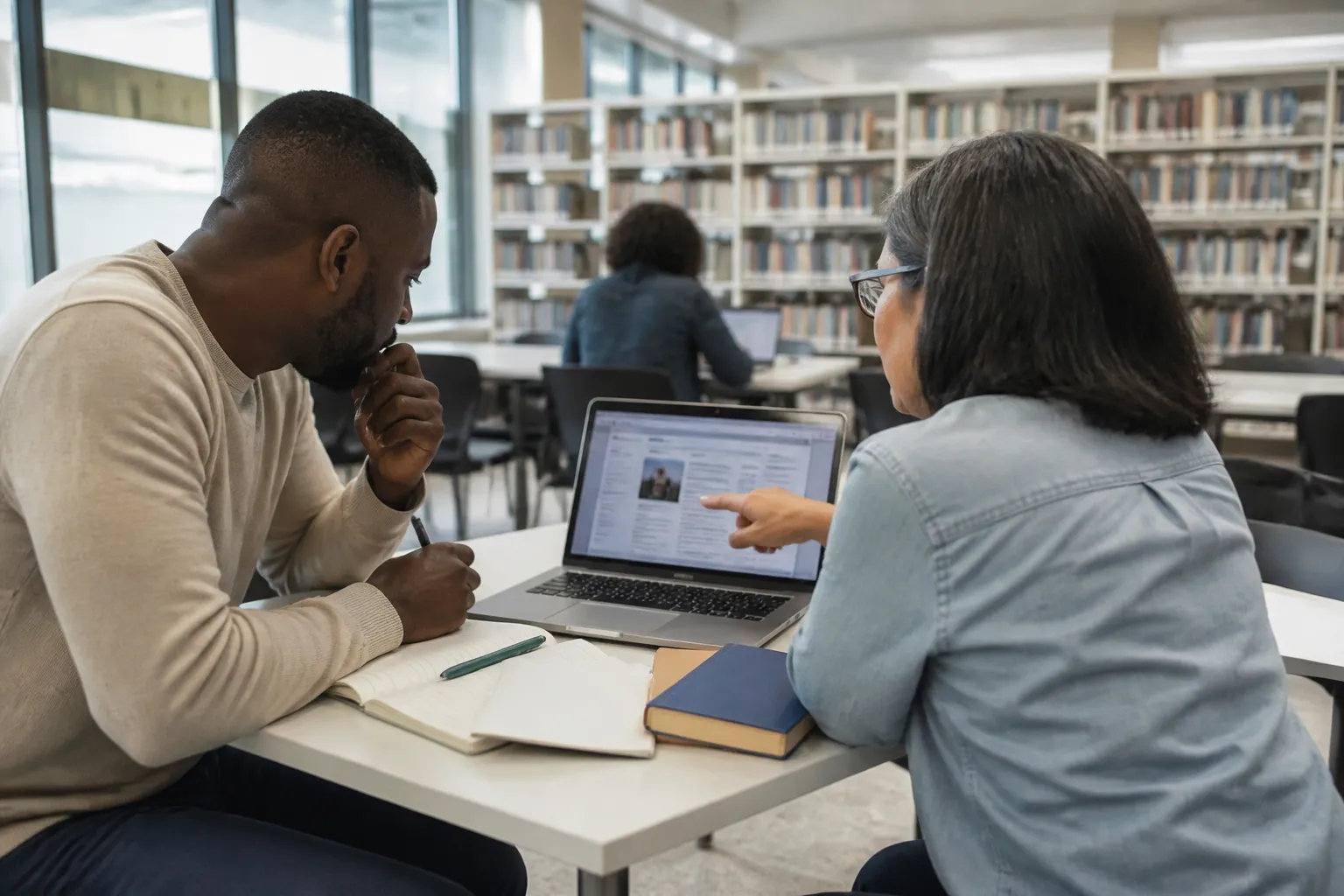
Start by sorting the page in front of you into layers. Official records, direct reporting, and commentary do different jobs, and they should not be treated as equal. Official records are best for confirming whether a statement exists at all. Direct reporting can add context, but it still needs a date and a named source. Commentary can be useful for interpretation, yet it should never outrank primary information. A source check session works when you keep those layers visible. Write down who is speaking, what they actually saw or published, and whether the detail is first hand, second hand, or just repeated.
When a search feed fills with idaho shooting coverage, the safer move is to pause before forwarding a link. Open the page, check the date, and look for the exact claim you need to verify. Then compare it with a public record or a reputable outlet that clearly attributes its information. If two versions disagree, do not flatten them into one summary. Keep the difference visible until a better source resolves it. That habit is more useful than speed, especially when the story is developing and the facts can change while you are still reading.
Move Through the City Without a Hassle
If your afternoon starts in downtown Miami, Metromover can make the trip simple. Miami-Dade County describes it as a free elevated people mover that operates seven days a week in the downtown Miami, Omni, and Brickell areas. The system has 21 stations and three loops, and service runs from 5:30 a.m. to 10 p.m. That mix matters for a library visit because it removes the need to plan around parking or fares. You still need to check where the line is going, but the basic cost barrier is gone, which keeps the focus on the news check itself.
Metromover also fits the mood of a careful media-literacy outing because it is predictable enough to support a quiet plan. Major destinations on the system include Kaseya Center, Bayside Marketplace, Miami Dade College, and the Miami-Dade County School Board. That does not mean every rider is headed to the same place, only that the system connects to public, civic, and learning-oriented stops that can make a short research trip feel manageable. For a college roommate companion, that can be a better choice than a rushed ride-share or an expensive parking hunt, especially when the real work is already waiting at the table.

Check the Channels That Can Move With the Story
A source check session is stronger when it ends with a list of channels worth revisiting later. Miami-Dade County says a profile on miamidade.gov can connect you to news and alert services, including emergency alerts, transit rider alerts, weekly news and events, public notices, and recycling reminders. For a developing topic, those subscriptions matter because they let you distinguish an official update from a rumor chain. They do not replace reporting, but they help you see whether a detail is being echoed by a public source that can be traced and dated. That is the sort of follow-up work a calm afternoon is good for.
Do not expect every channel to answer the same question. A county alert can confirm a service issue or a public notice, while a library event page can point you to a place and time for learning. Neither one is meant to settle the whole story on its own. The better habit is to match the source to the claim. If the question is about timing, look for dated updates. If it is about a public statement, look for the original release. If it is about context, use reputable reporting and keep your notes separate from your conclusions.
Know Who This Helps
This kind of session works best for people who want to stay informed without spiraling. It suits a college roommate, a student, or anyone who would rather spend a quiet afternoon comparing evidence than scrolling for the loudest take. The emotional mode is careful, not detached. You are still paying attention, but you are choosing a method that protects judgment. That is useful for local readers in Miami because a free public space can turn a stressful headline into a manageable task, one note card and one verified source at a time.
The practical goal is simple: leave with better habits than you brought in. You should know how to separate a headline from a record, when to wait for a better source, and how to use free public transit or a library event listing without making assumptions. If the idaho shooting trend is the hook that got you there, the real outcome is a repeatable way to read the next fast-moving story. That is what makes the session valuable in Miami. It is free, public, calm, and centered on verification rather than reaction.
Tags: #Miami #FreeThingstoDo #MiamiDadePublicLibrarySystem #Metromover #medialiteracy #newsliteracy
Sources consulted: Source 1: miamidade.gov · Source 2: miamidade.gov · Source 3: mdpls.org · Source 4: miamibeachfl.gov
All trademarks are the property of their respective owners.
Ask Karpo first
Ask Karpo to turn this Miami idea into a current plan for your date, budget, companion, transit preference, and energy level. Karpo can narrow the route and flag what to verify before you go.