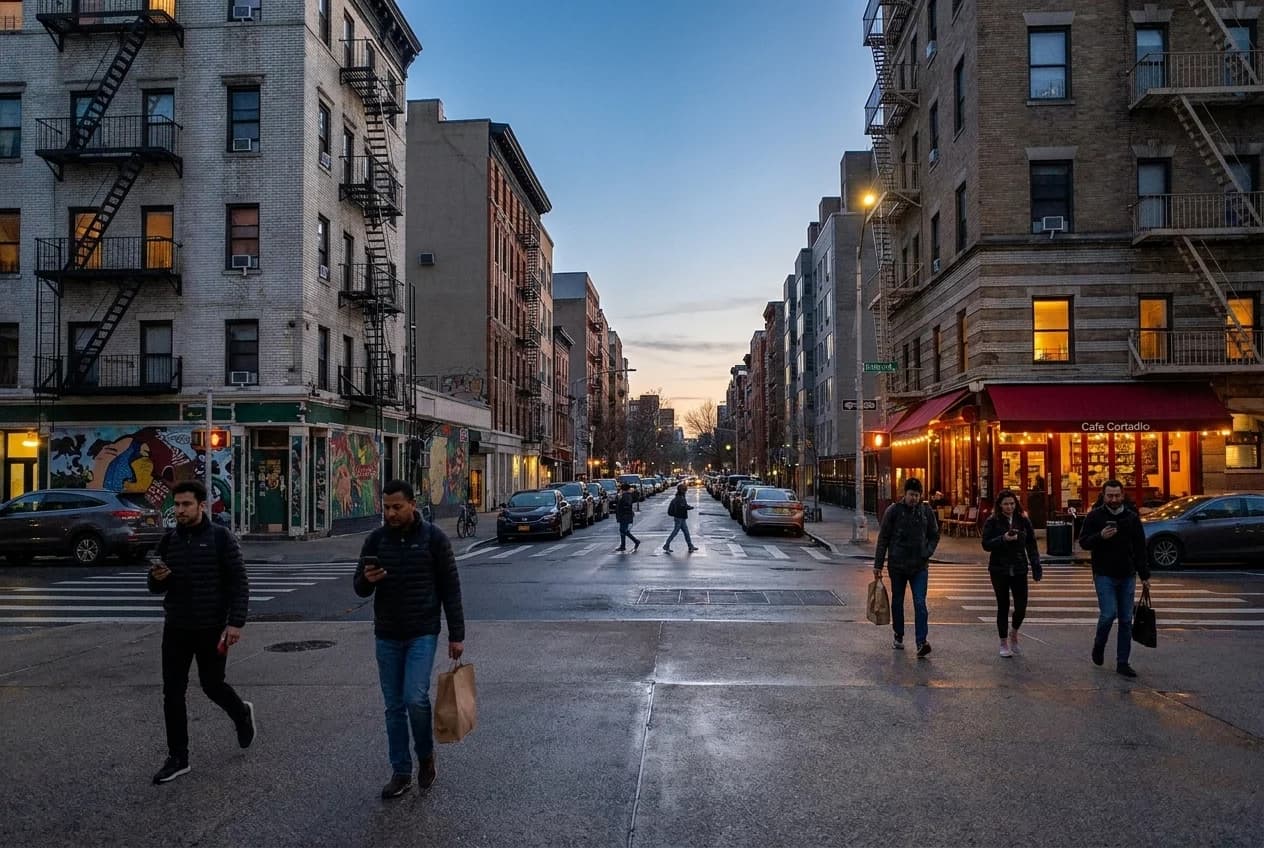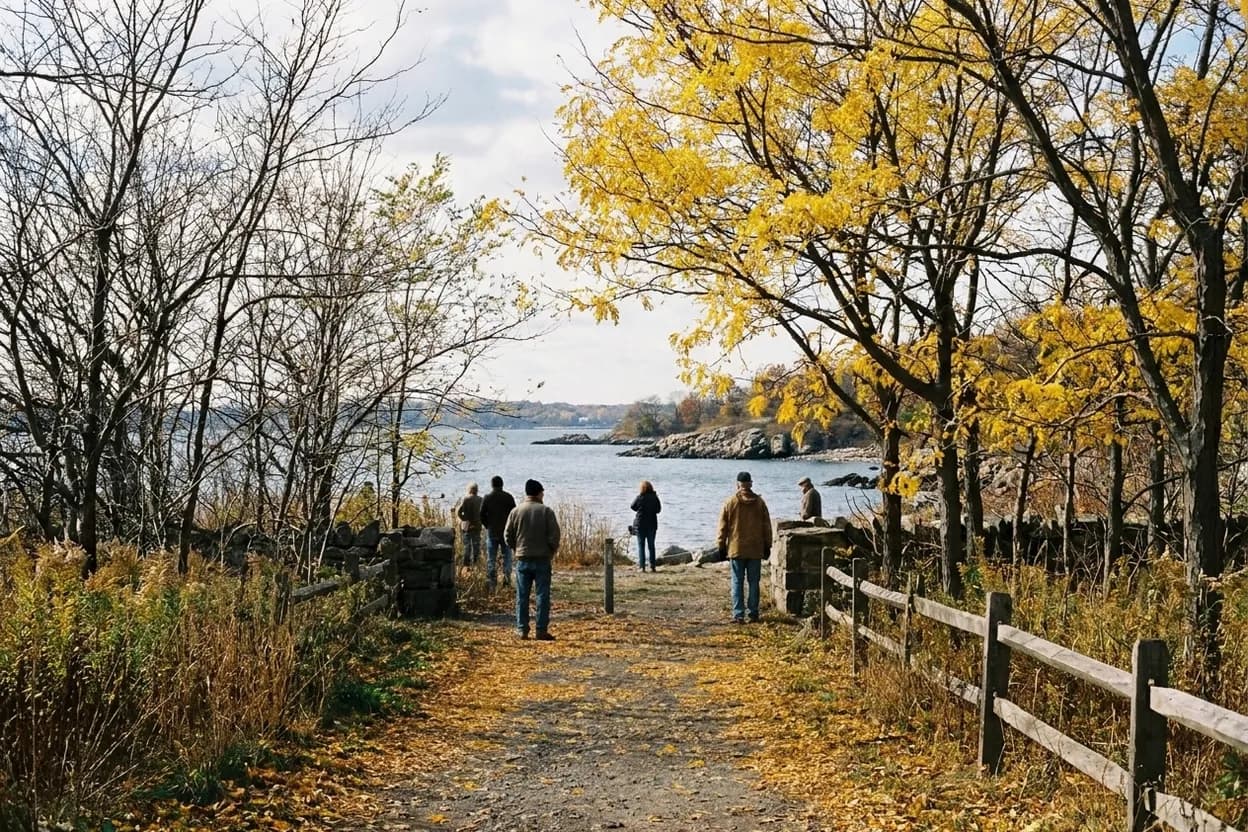
Within the expansive boundaries of New York City’s largest park, Pelham Bay Park, lies a quieter, wilder corner: Hunter Island. This area, located in the Bronx, offers a distinct departure from typical city park experiences. Far from a standard beach day, Hunter Island provides a rugged, rocky coastal loop, inviting visitors to immerse themselves in a landscape of tidal wetlands, dense woods, and unique geological features. It's an ideal destination for those seeking a nature walk that feels like a true escape, offering both serene views and a refreshing challenge, rather than a crowded outing.
Want to explore more of NYC's hidden natural gems and get tailored recommendations for your next outdoor adventure? Text Karpo to discover personalized itineraries and local insights.
An Unexpected Coastal Escape in the Bronx
Hunter Island, nestled in the northeast corner of Pelham Bay Park, offers a distinctive coastal experience that stands apart from typical New York City park destinations. While situated near Orchard Beach, it functions as a quieter, more natural section within the city's largest public park, rather than a standalone beach. This area is characterized by a rocky coastline, extensive tidal wetlands, and dense woodlands, providing a diverse natural environment for exploration.
The site’s rich history extends back to indigenous Siwanoy use, followed by colonial ownership under Thomas Pell and later the Hunter family, before becoming public parkland in 1888. Today, it is recognized as the Hunter Island Marine Zoology and Geology Sanctuary, a 138-acre nature preserve. This designation underscores its importance for coastal ecology, making it more suitable for a nature walk or loop hike than a conventional beach outing.
Pacing Your Hunter Island Adventure
A practical approach to exploring Hunter Island often begins from the Orchard Beach side of Pelham Bay Park, as official sources place Hunter Island in this vicinity. The terrain is varied, presenting a mix of rocky shoreline, wooded paths, and wetland edges. This diversity means the loop is not uniformly flat; the preserve includes the park’s highest point at 90 feet above sea level, introducing some elevation changes that add to the character of the walk.
For those planning a full circuit, a documented loop route is approximately 5 miles with roughly 147 feet of elevation gain, often using the Orchard Beach parking lot as a convenient trailhead. This makes it a moderately challenging walk, suitable for a leisurely half-day excursion. Consider allowing ample time to traverse the varied surfaces and appreciate the natural surroundings, especially if you intend to pause for wildlife viewing or photography.
Navigating the Diverse Terrain
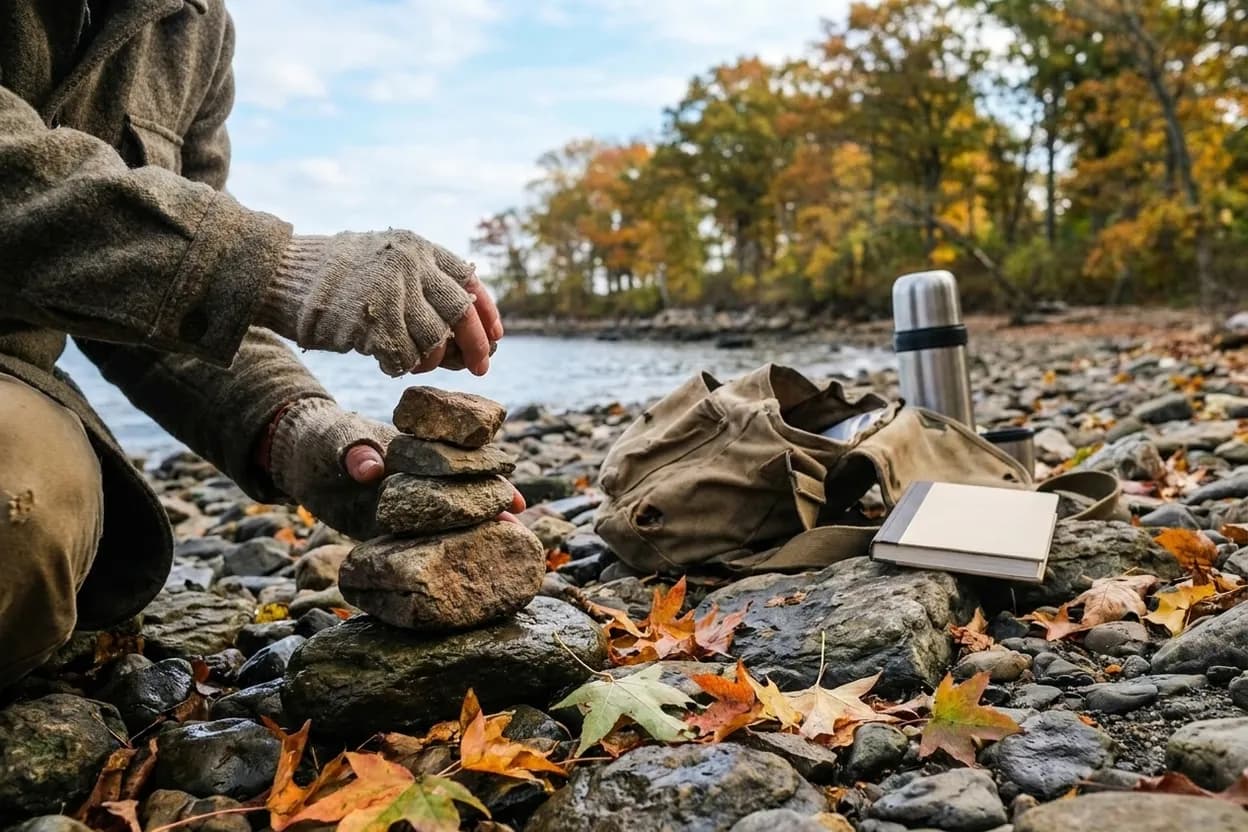
The loop around Hunter Island presents a mixed-terrain route, requiring appropriate footwear and attention to your footing. Expect to encounter irregular rocky shoreline, which can be uneven and occasionally slippery, especially near the water's edge. Inland sections will transition to wooded paths, which may be unpaved and subject to natural debris. The presence of wetland edges also means that some areas might be damp, particularly after rain.
The unique geology of the area is evident, with glacial erratic boulders visible on Two Trees Island and the southernmost outcropping of Hartland schist. These features contribute to the rugged beauty but also dictate the hiking experience. It is advisable to wear sturdy, closed-toe shoes with good grip to navigate these varied surfaces comfortably and safely.
Beyond the Beach: A Wildlife Haven
Hunter Island is primarily a sanctuary for coastal ecology, distinguishing it from typical recreational beaches. The extensive tidal habitat, including a lagoon complex, provides a rich environment for diverse wildlife. This makes the area ideal for a slower, wildlife-focused walk where observation is key, rather than an outing centered around swimming or sunbathing. Birds, marine life, and other creatures thrive in this protected ecosystem.
The Lagoon, described as a narrow bay and wetland complex, is a particular highlight for nature enthusiasts. Taking time to explore its edges can yield sightings of various waterfowl and wading birds. This focus on natural observation allows for a deeper connection with the environment and a more contemplative experience, reinforcing the idea of Hunter Island as a true nature preserve.
Geological Wonders and Ancient Formations
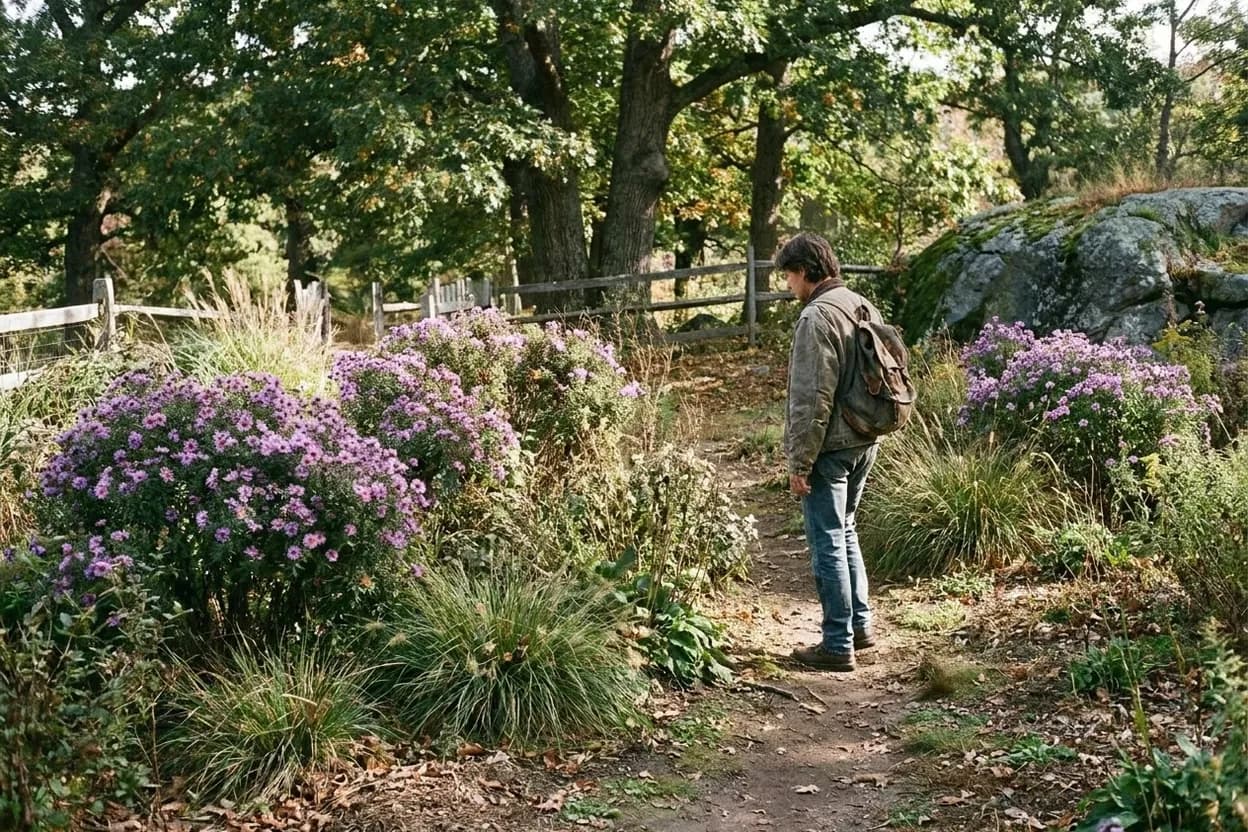
The geological significance of Hunter Island adds another layer to its appeal. The preserve boasts remarkable features such as glacial erratic boulders, notably on Two Trees Island, which are rocks transported and deposited by glacial ice. These large, out-of-place stones offer a tangible link to the powerful geological forces that shaped the region thousands of years ago, providing striking visual interest along the coastal path.
Further enhancing its geological intrigue is the southernmost outcropping of Hartland schist visible in the area. This type of metamorphic rock, formed under intense heat and pressure, provides insight into the ancient bedrock underlying New York City. Observing these formations offers a unique educational opportunity and a deeper appreciation for the natural history embedded within this urban parkland.
A Sanctuary, Not a Standard Park
Hunter Island's identity as a marine zoology and geology sanctuary means it prioritizes conservation and natural preservation over typical park amenities. Visitors should approach their visit with this in mind, expecting an experience focused on natural beauty and ecological observation. This emphasis on conservation ensures that the area remains a vital habitat for its diverse flora and fauna, offering a wilder, less manicured experience than other city parks.
The absence of extensive built attractions reinforces its role as a nature preserve. This focus encourages visitors to engage with the environment on its own terms, fostering a sense of discovery and tranquility. It is a place for quiet contemplation, nature photography, and appreciating the raw beauty of a coastal ecosystem, rather than seeking playgrounds, concessions, or organized activities.
Practical Notes and Current Access
Hunter Island is part of Pelham Bay Park, and access is managed through the NYC Parks system. While official sources place Hunter Island near Orchard Beach within the park, there is no indication of a separate dedicated entrance, gate status, or distinct operating hours for Hunter Island itself. The provided information does not confirm that any specific trail or preserve area on Hunter Island requires a reservation, nor does it detail seasonal closures, guided tour schedules, or permit requirements as of July 23, 2026.
Before your visit, it is always prudent to verify the latest conditions. Check the official NYC Parks website for Pelham Bay Park for any updates on park hours, trail advisories, or temporary closures that might affect access to Hunter Island. While no specific access restrictions are confirmed in the provided information, conditions can change. It is advisable to confirm legal and physical accessibility for all shoreline segments, especially concerning tidal conditions, and to check for any temporary fencing or restoration projects that might be in effect.
Tags: #HunterIsland #PelhamBayPark #NYCparks #BronxNature #CoastalWalk #NatureSanctuary #RockyShore #NYCoutdoors #UrbanEscape #WildlifeNYC #GeologyWalk #AskKarpo #BeforeYouGo #KarpoNYC
Sources consulted: Source 1: nycgovparks.org · Source 2: nycgovparks.org · Source 3: nycgovparks.org · Source 4: nycgovparks.org · Source 5: pelhambaypark.org · Source 6: nyctourism.com · Source 7: dos.ny.gov · Source 8: nycislands.com · Source 9: en.wikipedia.org · Source 10: en.wikipedia.org · Source 11: scenesfromthetrail.com
All trademarks are the property of their respective owners.
Ask Karpo first
Tell Karpo your date, group size, budget, and starting neighborhood. We’ll check current access, timing, transit, and the cleanest plan for Hunter Island before you head out.