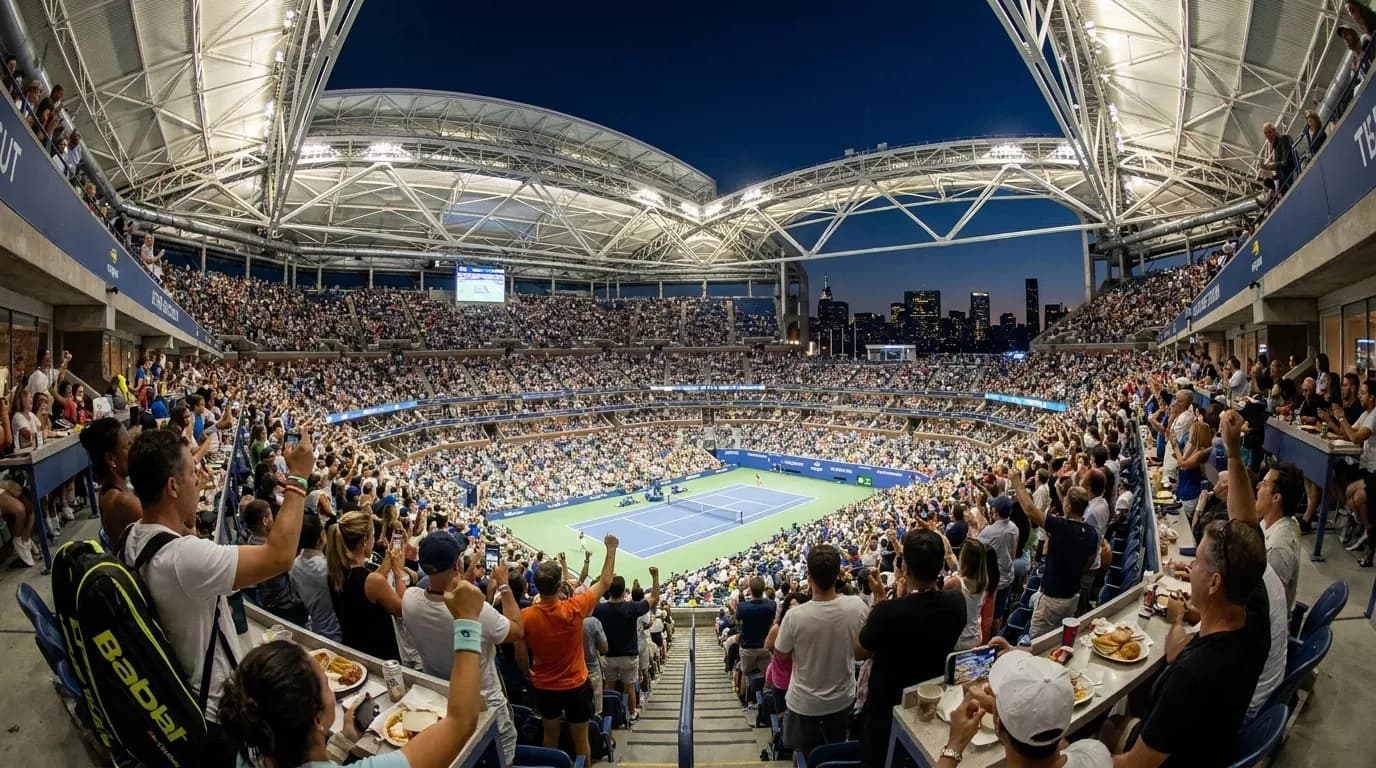
If you are watching, betting casually with friends, coaching, or simply trying to understand why a strong server suddenly looks hesitant in Arthur Ashe Stadium, start with the toss. In a large stadium, the serve is the shot most exposed to small changes in air movement because the ball is held high, released into open space, and struck at full extension. A gust does not need to be dramatic to matter; it only has to move the toss a few inches or make a player doubt the contact point. Inside Ashe, spectators should look for repeated toss catches, lower tosses, safer targets, and changes after end switches. Those are often better clues than a single double fault. With the 2026 US Open scheduled for August 23 through September 13, and singles main-draw play scheduled to begin August 30, conditions should be checked close to the day through official tournament channels.
Text Karpo when serves start missing and we’ll help read the wind clues inside Arthur Ashe.

Why a Big Stadium Can Make the Air Feel Uneven
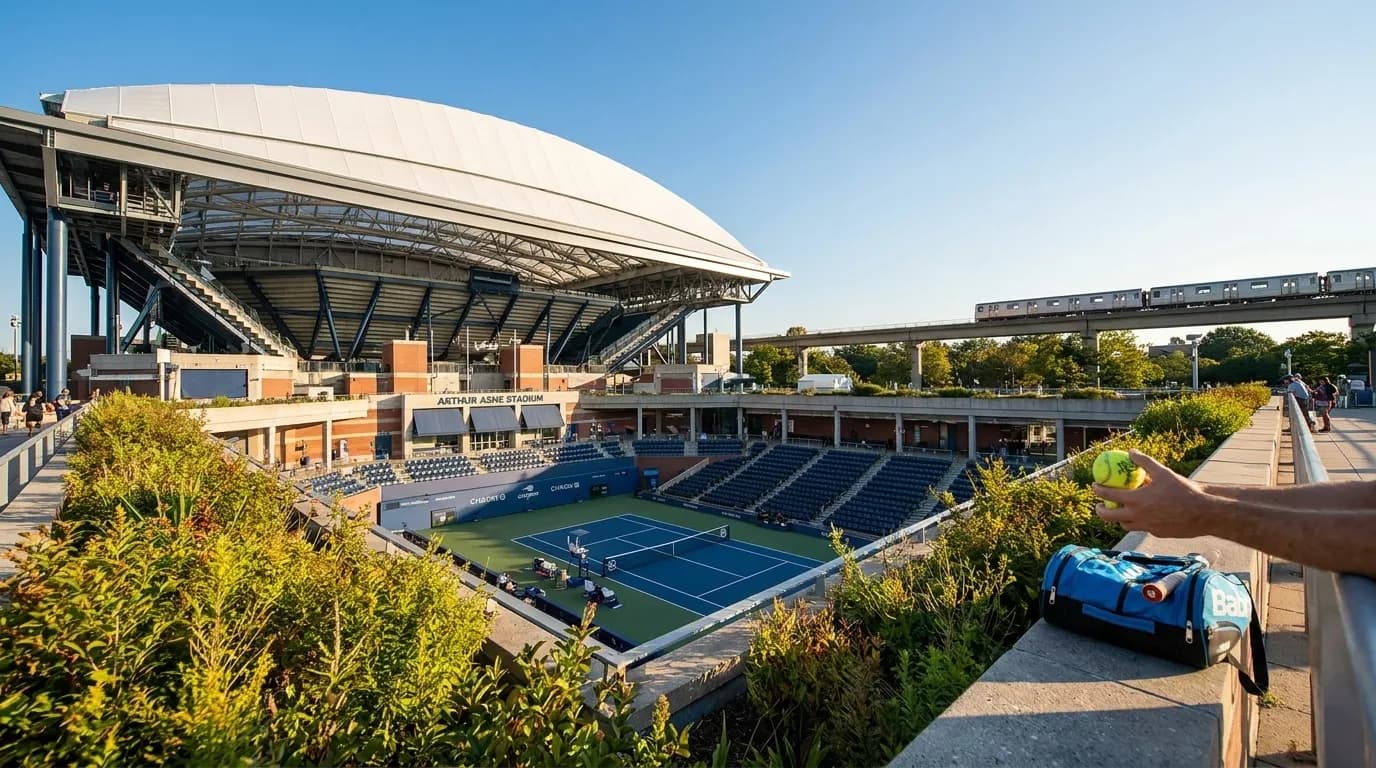
Arthur Ashe Stadium is not an open park court with the same breeze across every baseline. It is a large, layered arena, and the wind a player feels at court level may be shaped by the stadium bowl, upper openings, roof position, temperature differences, and the direction of outside air. From the seats, that can show up as a serve that looks comfortable from one end and untidy from the other.
The important word is “swirl,” not simply “wind.” A steady breeze blowing from north to south is easier to solve than air that arrives in pockets. Swirling air can lift a toss, push it behind the server, or nudge it toward the hitting shoulder. On television, it may appear as indecision: the player pauses longer, resets the feet, bounces the ball extra times, or catches the toss. In person, you may also notice towels, clothing, or loose hair moving in ways that do not match the direction suggested by flags or weather apps outside the venue.
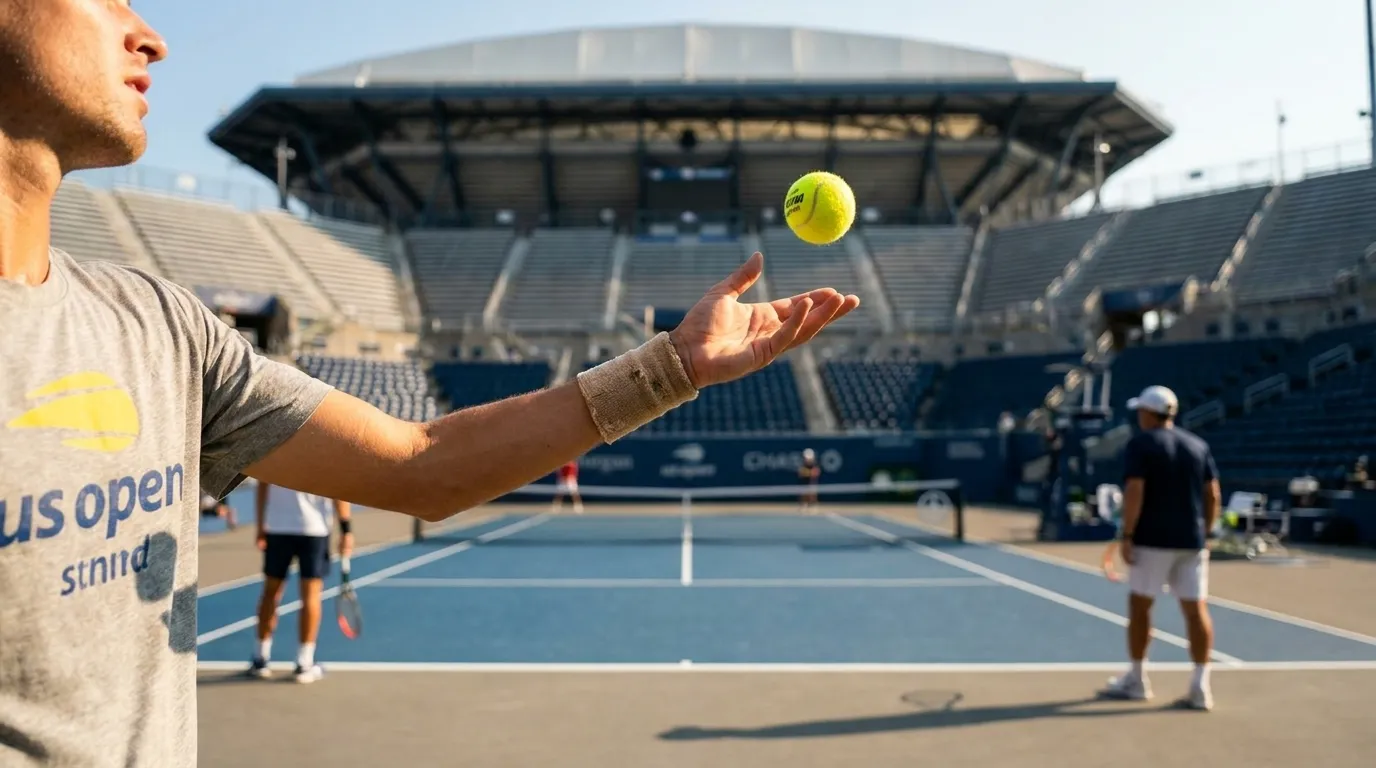
Toss Height Is the First Adjustment to Watch
A high toss gives a server time to load, rotate, and strike aggressively. It can also give moving air more time to interfere. When conditions feel unsettled, many servers simplify by lowering the toss slightly, shortening the motion, or accepting a less explosive contact. That does not mean they are playing scared. It can be a sensible decision: a serve struck cleanly at 90 percent is often more valuable than a bigger delivery built around a drifting toss.
Different serve types react differently. A flat first serve relies on precise contact and a narrow margin over the net. A kick serve uses spin and net clearance, but its higher toss and brushing action may be affected if the ball moves late. A slice serve can be useful because the server may start it wider and let the shape help, yet it still depends on controlling the toss far enough in front. If a player begins favoring body serves, bigger net clearance, or more spin, the air may be part of the calculation.
- Repeated toss catches usually signal that the server is protecting the contact point, not necessarily that the player is injured or distracted.
- A lower toss can reduce exposure to moving air, but it may also reduce disguise or power if the motion becomes rushed.
- More body serves can be a practical choice when wide targets feel risky in a shifting breeze.
- A second serve with extra margin may be chosen because the returner still has to create offense from an uncomfortable ball.
Roof Conditions Change the Serving Puzzle
The stadium’s roof conditions can change how the court feels, but the effect should be described carefully. A closed or partially relevant roof environment does not make tennis identical to a small indoor court. The scale of the building, the circulation of air, crowd heat, humidity, and the transition from outdoor to covered conditions can all matter. The practical point for a viewer is simple: roof status can alter the air a server is reading, so the match may not feel the same throughout the day or evening.
When the roof situation changes, do not expect players to solve everything instantly. They still need service games to test toss height, target selection, and how the ball travels after contact. A player who was serving wide with confidence may begin using safer patterns until the rhythm returns. Conversely, a player who struggled in gustier conditions may look freer once the environment feels more predictable. None of this requires guessing private tactics. It is enough to observe whether the same service motion is producing the same contact point.
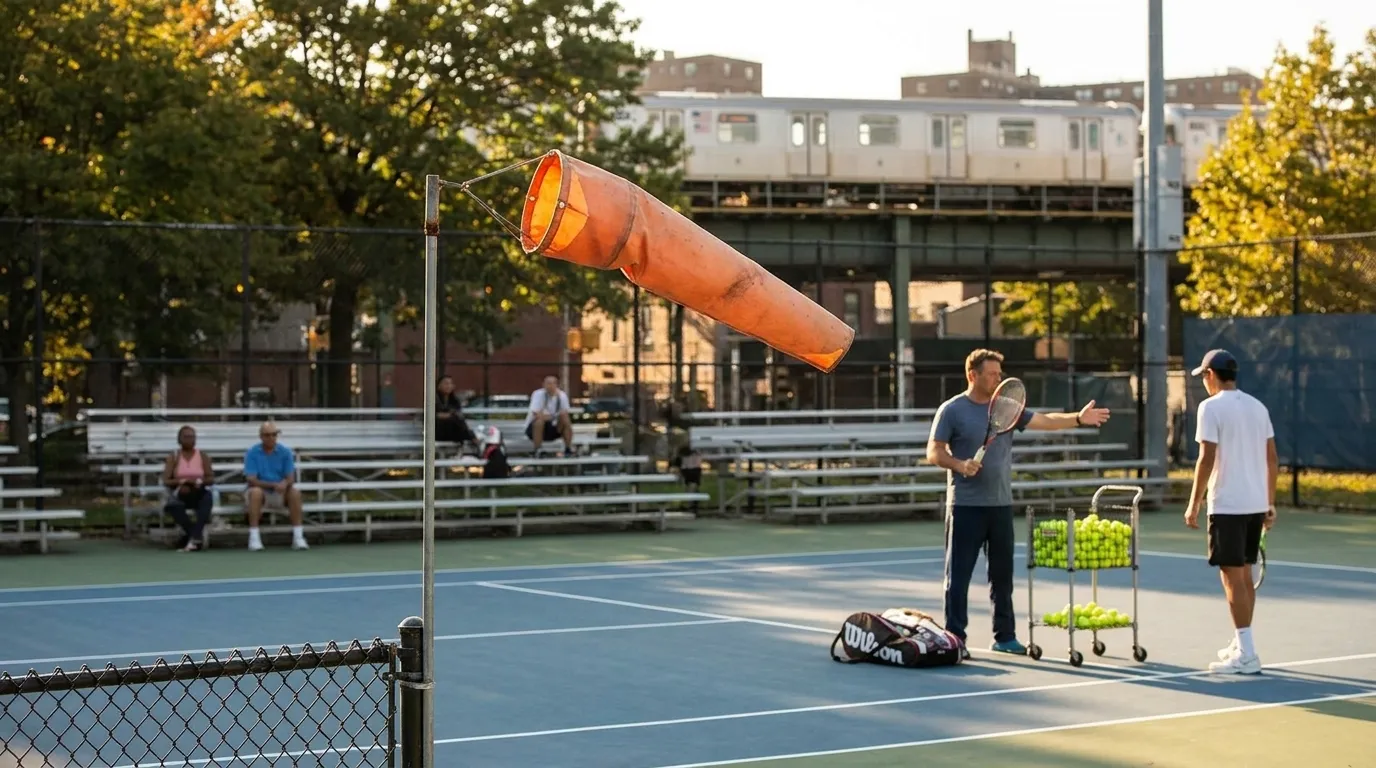
End Changes Are a Built-In Diagnostic Tool
Tennis already gives players regular information through end changes. If one end carries a trickier toss or a less comfortable visual background, the server gets a chance to compare it with the opposite baseline. Viewers should pay attention to patterns across multiple service games rather than reacting to isolated points. One double fault at 30-all may be ordinary pressure. Three service games in which the same end produces toss catches, late contact, and conservative targets is more meaningful.
End changes also influence returners. A server might appear to lose speed into one end, but the returner may also be seeing the ball differently, adjusting footwork, or struggling with the bounce after a spin serve. The most useful question is not “Is the stadium windy?” It is “Which shots are being made less repeatable?” If the serve toss is stable but the returner is late, the issue may be pace, disguise, or position. If the toss wanders and the server keeps restarting, the air becomes a stronger suspect.
How Serving Decisions Shift Under Swirl
Under uncertain air, the serve often becomes less about maximum speed and more about repeatable geometry. The server may aim at larger zones, use more spin to create net clearance, or serve into the body to reduce the returner’s swing freedom. On key points, the safest-looking serve is not always timid. A heavy body serve can jam an aggressive returner and avoid the risk of missing a sideline by inches.
The deuce and ad courts can also feel different because the server’s toss placement and preferred targets change with stance and spin. A right-handed slice serve wide in the deuce court asks for one shape; a kick serve out wide in the ad court asks for another. If the air pushes the toss toward or away from the body, a player may temporarily abandon a favorite pattern. That can affect point construction immediately, because the first shot after the serve is often planned around the expected return location.
Second serves are the clearest stress test. A confident server under calm conditions may swing fully on the second ball. In swirling air, the same player might add margin, choose a heavier central target, or accept a returnable serve to avoid giving away the point. This is why raw double-fault counts can mislead. A player may double fault less but still be serving under constraint, giving the returner more looks at playable balls.
What Spectators Can Read Without Guessing
Good observation does not require private information about racquets, strings, health, or coaching plans. It starts with visible behavior. Watch the toss, the feet, the target, and the first ball after the serve. If the server lands off balance, catches the toss repeatedly, or aims more centrally than usual, the environment may be influencing choices. If those changes appear only at one end, the stadium pattern becomes even more interesting.
It is also worth separating weather from tactics. A player serving mostly to the backhand may simply prefer that matchup. A player using more kick serves may be protecting a lead, exploiting court position, or responding to the returner’s grip. Air movement is one possible factor, not a universal explanation. The strongest read comes when several clues line up: moving clothing, unstable tosses, visible frustration after the release, altered targets, and different outcomes after changing ends.
- Look for clusters of toss catches rather than one reset.
- Compare service games from the same end of the court.
- Notice whether misses are long, into the net, or wide; different misses suggest different timing problems.
- Track whether first-serve targets become more central on pressure points.
- Avoid assuming exact court speed, equipment changes, injuries, or secret strategy from serve patterns alone.
Practical Notes
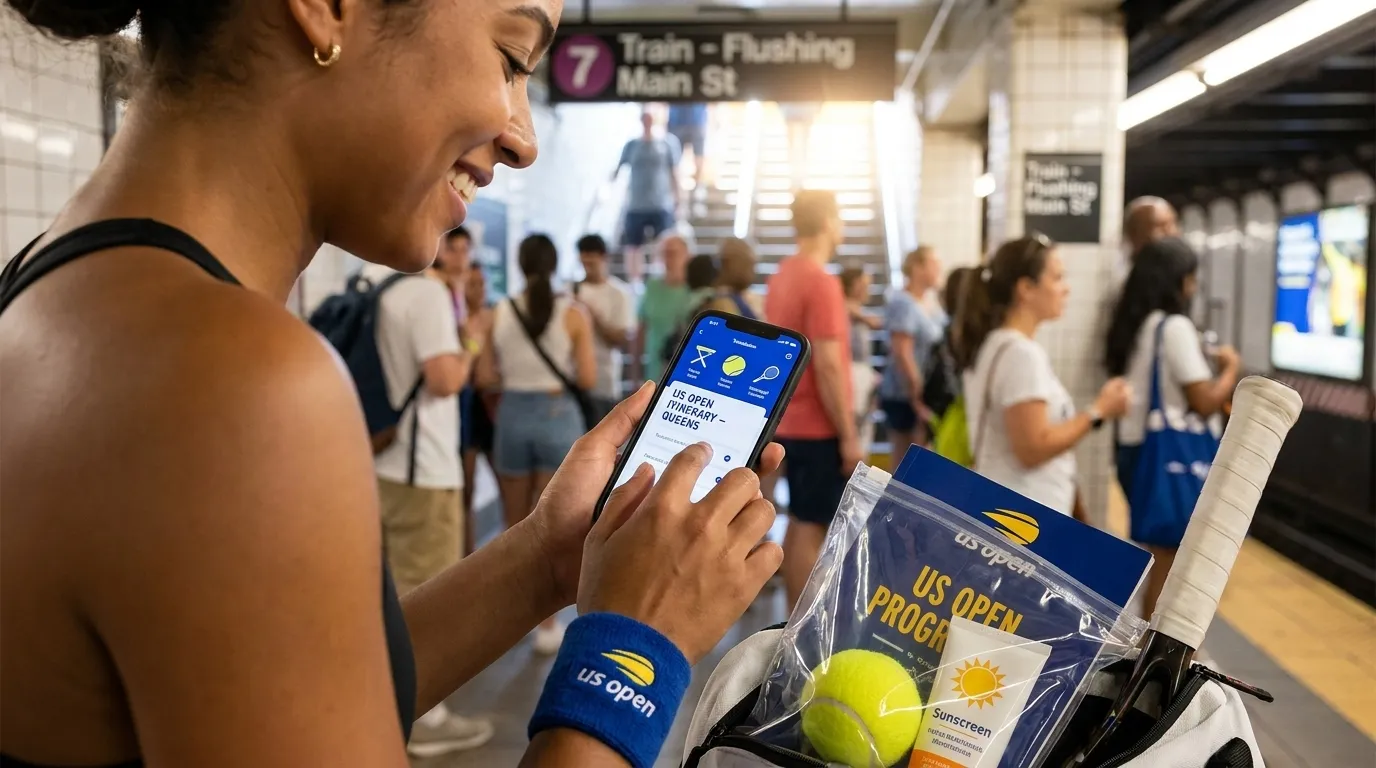
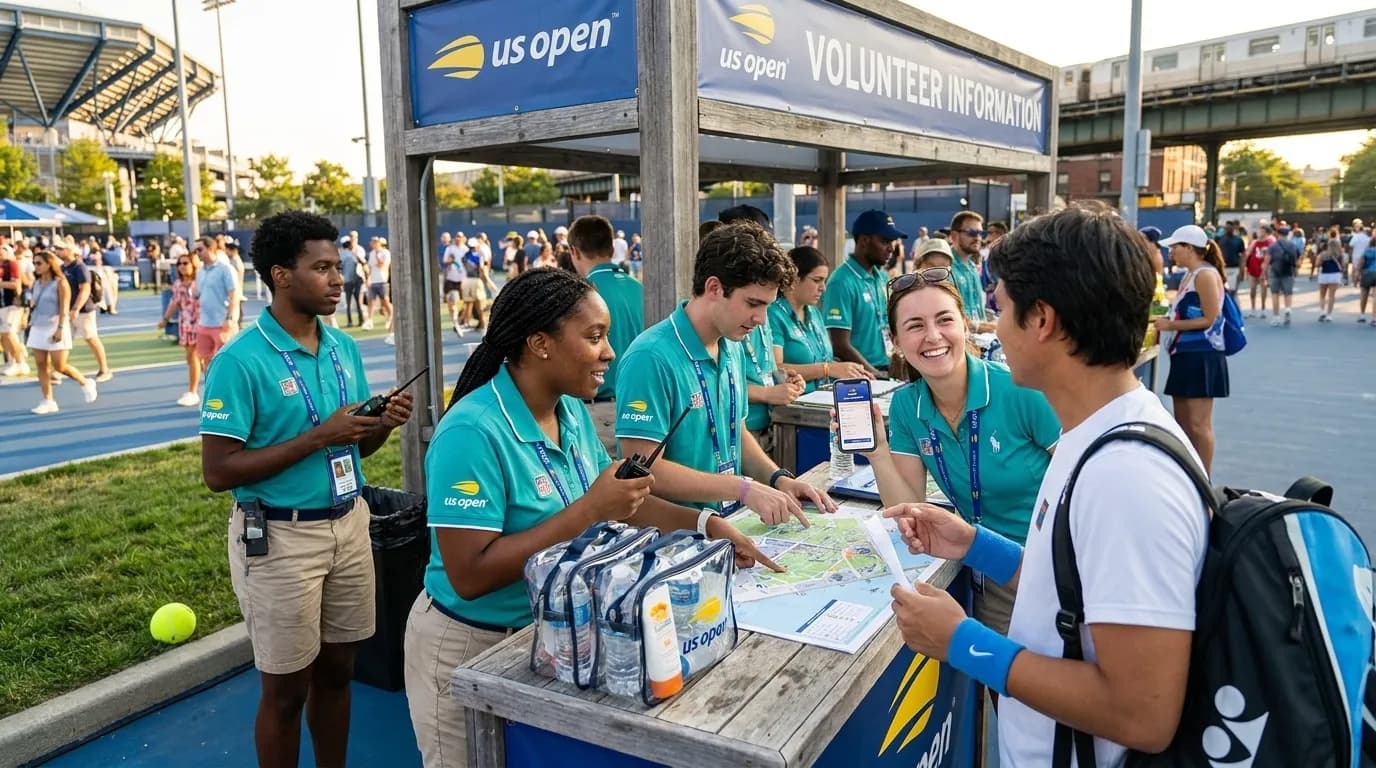
For a 2026 US Open visit, treat serving conditions as one more live variable, not something that can be fully planned from a forecast. Before travel, recheck the official US Open event schedule, A-to-Z visitor information, transportation directions, and prohibited-items guidance, because schedules, gate procedures, transit details, venue rules, weather, inventory, and service availability can change. The ITF Rules of Tennis remain the reference point for the sport’s basic serving framework, but match-day conditions shape how players apply those rules under pressure. If you are seated inside Ashe, give yourself a few service games before judging a server’s form. Watch both ends, note the roof and weather context, and remember that the smartest serving choice may be the one that looks least dramatic from the stands.
Tags: #USOpen2026 #Tennis #NewYork #Queens #FlushingMeadows #KarpoFinds #Karpo #ArthurAsheWind #ServeTactics #USOpenTennis
Sources consulted: usopen.org — Official reference · usopen.org — Official reference · usopen.org — Official reference · usopen.org — Official reference · itftennis.com — Official reference
All trademarks are the property of their respective owners.
Ask Karpo first
Ask Karpo to connect toss changes, serve targets, and stadium air movement during your next US Open match.