 Places To Eat Near Me in Williamsburg: Smorgasburg's Open-Air Vendors
Weekend Plans
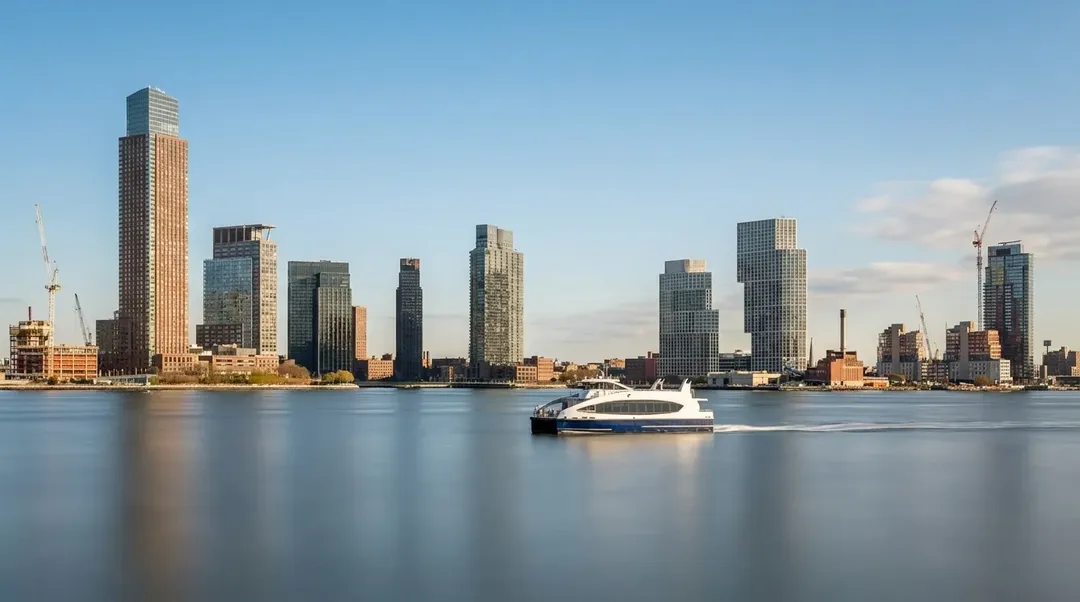
How to Use NYC Ferry as the Middle of Your Day, Not the Whole Plan
Locals know the ferry works best as a scenic connector between neighborhoods—not the destination itself—especially after the December 2025 route overhaul that cut travel times and added direct links.
Most visitors treat NYC Ferry like a harbor cruise with a $4 ticket. Locals use it differently: as the calm, predictable middle leg of a longer day, connecting two neighborhoods that would otherwise require a subway transfer and a bus. Since the Ferry Optimization Plan took effect in December 2025—the first system-wide redesign since the service launched in 2017—new route patterns have reduced travel times and created direct connections that didn't exist before. The changes mean you can now plan trips that use the ferry as a strategic connector rather than a scenic detour. This approach works especially well on weekends, when subway work disrupts your usual lines and the ferry's expanded summer schedule offers more frequent departures. The key is building your day around two solid anchor points and letting the ferry do the work in between.
Text Karpo at (332) KARPO-NY to get routing suggestions that treat the ferry as a tool, not a novelty.
Pick Two Neighborhoods With Real Plans, Then Check the Ferry Map
The mistake is starting with "let's take the ferry somewhere." Instead, identify two places you already want to visit—a bakery in Red Hook, a gallery in Long Island City, a park in Astoria—then see if a ferry route connects them or gets you close. The December 2025 optimization added new direct connections and streamlined existing routes, so the map is more useful than it was a year ago. NYC Ferry now operates across all five boroughs with daily service, and the system saw its most extensive restructuring since launch, designed specifically to improve reliability and reduce travel times. Check the live schedule at ferry.nyc or in the NYC Ferry app before you commit; weekend frequency varies by route, and some landings see boats every 30 minutes while others run hourly.
Once you've confirmed the ferry works, plan the rest of your day around the landing times. If the next boat leaves Wall Street at 11:40 and you're finishing brunch in the Financial District at 11:15, you have a clean 25-minute walk to the pier. If the timing doesn't line up, don't force it—take the subway and save the ferry for a day when the schedule aligns naturally. The ferry is most valuable when it saves you a two-transfer subway trip or when it offers a more direct route than the bus. For example, getting from Williamsburg to Sunset Park used to require the L to the G to the R; now you can take the ferry to Bay Ridge and walk or catch a local bus. The route redesign prioritized these kinds of practical connections over scenic loops.
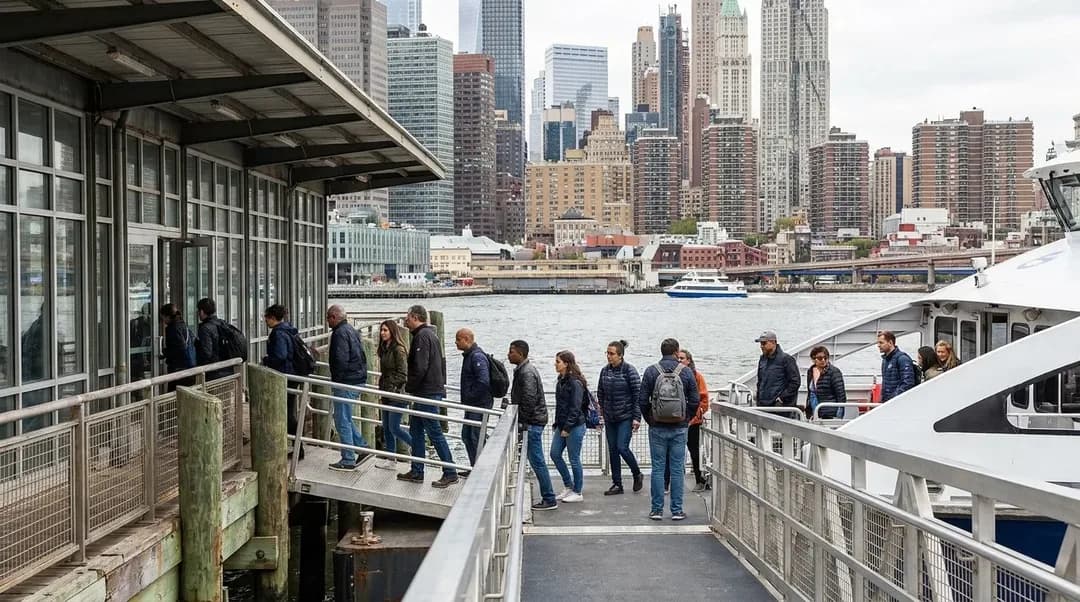
Build in Buffer Time and Have a Backup Route
Ferries run on schedule most of the time, but weather, river traffic, and mechanical issues can delay or cancel service. Always check the app for real-time updates before you leave your first stop, and build in at least 15 extra minutes if you have a hard deadline at your second destination. If you're meeting someone for a 2 p.m. reservation in Dumbo and the ferry from Astoria is your plan, assume the 1:10 departure might be the one you actually catch, not the 1:40. The system has improved reliability since the optimization, but it's still a boat on open water—wind and tide matter.
Have a subway or bus alternative mapped out before you commit to the ferry route. If the app shows a delay or cancellation when you're at the landing, you need to know immediately whether the G train or the B62 bus is your fallback. This is especially important on weekends, when some subway lines run local or skip stops entirely. The ferry's appeal is that it's calm and predictable, but only if you're not racing against a reservation or a timed ticket. If your second destination is time-sensitive, consider taking the subway there and using the ferry on the return leg, when a 20-minute delay just means you get home a little later. The ferry works best when it's enhancing your day, not creating stress.
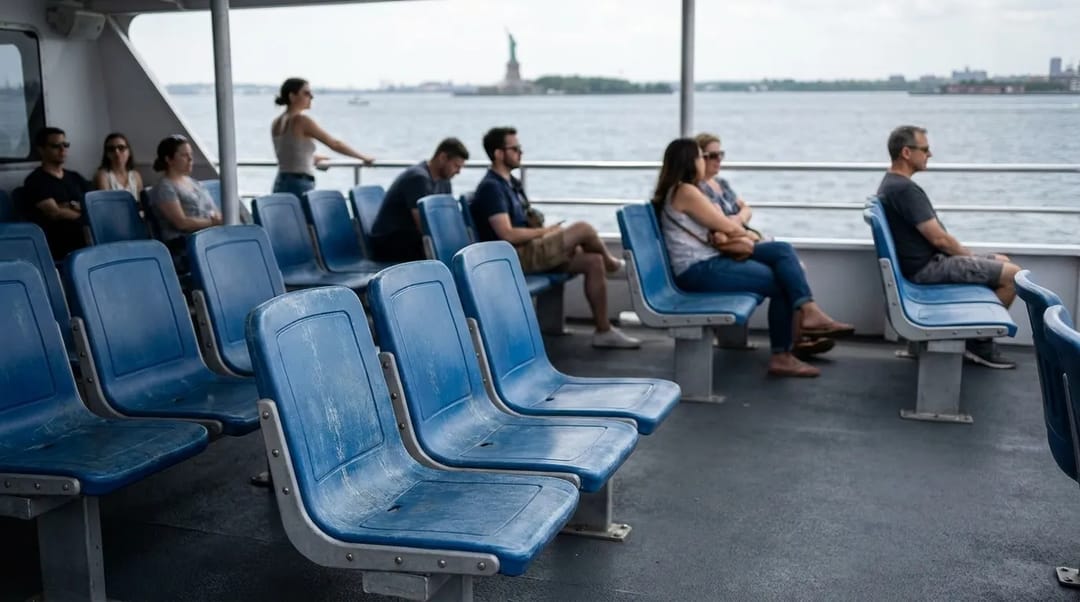
Use the Ride to Transition Between Plans, Not Fill Time
The ferry ride itself takes anywhere from 10 to 40 minutes depending on the route, and that time is most useful when you treat it as a mental reset between two different activities. If you're moving from a loud, crowded market in Williamsburg to a quiet bookstore in Red Hook, the 25-minute ferry ride gives you a chance to decompress, check messages, or just watch the water. The outdoor deck seating is the main advantage here—it's not about skyline photos, it's about having 20 minutes where you're not underground or dodging pedestrians. In summer, the expanded schedule means you're less likely to wait more than 30 minutes for the next boat, so the ferry becomes a viable option even for spontaneous route changes.
Avoid planning your day around maximizing ferry time. If you're considering a route that involves two ferry legs and a bus transfer just to stay on the water longer, you're using the system like a tourist, not a local. The optimization plan was designed to reduce travel times and create direct connections, which means the city wants you moving efficiently between neighborhoods, not lingering on the boat. Use the ferry when it's the fastest or most pleasant option for a specific leg of your trip, then get off and engage with the neighborhood. The best ferry days are the ones where you barely remember the ride itself because you were focused on what came before and after.
Check the Summer Schedule and Plan Around Peak Service
In May 2026, Mayor Mamdani announced the most summer ferry service in the system's history, with additional vessels deployed ahead of the FIFA World Cup and the expected surge in both tourist and local traffic. The summer schedule typically runs from late spring through early fall and includes increased weekend frequency on popular routes. If you're planning a weekend day that relies on the ferry as a connector, check whether the summer schedule is active—the difference between 30-minute and 60-minute headways can change whether the ferry makes sense for your route. The city has also committed to expanding service to underserved areas, including Coney Island, which serves approximately 4,000 NYCHA residents, so new routes may open up options that didn't exist in previous summers.
Peak service also means peak crowds, especially on routes that connect to popular waterfront destinations. If you're using the ferry on a Saturday afternoon in July, expect full boats on routes heading toward Brooklyn Bridge Park, Rockaway, or Governors Island. The optimization plan improved reliability, but it didn't add infinite capacity—if you're traveling with a group or carrying beach gear, aim for mid-morning or late-afternoon departures when boats are less packed. The ferry's value as a calm, predictable connector diminishes when you're standing in a crowded cabin for 30 minutes. The system works best when you're using it during the shoulder hours, when frequency is still strong but the boats aren't at capacity.
Practical Notes
- Download the NYC Ferry app and enable notifications for real-time delay alerts before you leave your first stop.
- Check the live schedule the morning of your trip; weekend frequency varies by route and season, and some landings see boats every 30 minutes while others run hourly.
- Build in 15-20 minutes of buffer time if your second destination has a hard deadline; weather and river traffic can delay service.
- Map out a subway or bus backup route before you commit to the ferry, especially on weekends when train service is disrupted.
- Use the ferry during shoulder hours (mid-morning or late afternoon) to avoid peak crowds on popular routes.
- Treat the ride as a transition between two plans, not as an activity itself—the ferry works best when it's enhancing your day, not filling time.
- Confirm the summer schedule is active if you're planning a trip between May and September; increased frequency makes the ferry a more viable connector during those months.
The ferry stops being useful the moment you start planning your day around it. It's a tool, not a destination, and it works best when it's solving a specific routing problem—getting you from Astoria to Dumbo without two subway transfers, or from Wall Street to Red Hook without navigating the bus grid. The December 2025 optimization made the system more practical for exactly this kind of use, with faster routes and better connections between neighborhoods that locals actually want to visit. Check the schedule, build in buffer time, and have a backup plan. When the ferry fits naturally into your day, it's one of the best ways to move around the city. When it doesn't, take the train.
Tags: #nycferry #weekendplans #nyclocal #ferryrouteplanning #brooklynwaterfront #astoriaqueens #redhookbrooklyn #nyccommute #waterfrontnyc #ferryoptimization #nyctransit #localrouting
Sources consulted: NYCEDC Finalizes Route Changes for Ferry Optimization Plan, Announces ... · Mayor Mamdani Announces Most Summer Ferry Service in City ... - NYC.gov · NYC Ferry Launches First Major Overhaul Since 2017 · New, Optimized Routes in Effect 12/8/2025 - ferry.nyc · Routes and Schedules - New York City Ferry Service · NYC Ferry - New York City Ferry Service
All trademarks are the property of their respective owners.
Ask Karpo for more information.
Keep reading
- Places To Eat Near Me in Williamsburg: Smorgasburg's Open-Air Vendors
 Dinner Near Me in the West Village: Buvette's Tiny French Plates
 Best Restaurants Near Me in Midtown: Le Bernardin Holds Three Stars