 Haaland Has Seven Goals and Norway Runs Entirely Through Him
⚽️2026 FIFA WORLD CUP

How to Reach AT&T Stadium for the World Cup Semifinal
Navigate Arlington's car-dependent venue for the biggest match of the tournament
Understanding Arlington's Transit Challenge
AT&T Stadium occupies a unique position in American sports infrastructure—a world-class venue in a city with zero passenger rail service. Located in Arlington, roughly midway between Dallas and Fort Worth, the 80,000-seat stadium relies entirely on road access. While both neighboring cities operate light rail systems, neither extends into Arlington, leaving the DART and TEXRail networks tantalizingly close but functionally useless for match day. This car-dependent reality shapes every transportation decision for the World Cup semifinal.
Text Karpo Now: Get real-time shuttle schedules, parking lot recommendations, and rideshare timing strategies for semifinal day
The stadium sits just off Interstate 30, with additional access via State Highway 360. During major events, Arlington police implement traffic management plans that redirect vehicles through designated routes depending on your origin point. The surrounding area transforms into a controlled zone hours before kickoff, with road closures and lane restrictions designed to funnel tens of thousands of vehicles through a limited network. Understanding this system before you leave your accommodation determines whether you arrive relaxed or frantic.
July heat compounds every logistical challenge. Temperatures routinely exceed 95°F with full sun exposure in parking lots that offer minimal shade. The walk from distant parking areas to the stadium entrances can take 20 minutes across asphalt that radiates stored heat. Factor this physical reality into your timeline—dehydration and heat exhaustion are genuine risks that affect your ability to enjoy the match. Early arrival isn't just about securing your seat; it's about avoiding heat-related illness in the Texas summer.

Driving and Parking Strategy
Official stadium parking lots open four hours before kickoff, with prices typically ranging from $40 to $100 depending on proximity and event magnitude. The closest lots fill within the first hour of opening, particularly for a World Cup semifinal. Lots are color-coded and numbered—understanding the stadium's orientation and your gate location prevents the common mistake of parking on the opposite side of this massive facility. The walk from Orange Lot to the north entrance versus the south entrance can differ by half a mile.
Private parking emerges as an alternative, with businesses and landowners near the stadium offering spaces at competitive rates. These lots often provide faster exit access after the final whistle, though they may lack the infrastructure of official lots. Apps and websites listing these options proliferate during major events, but verify legitimacy before prepaying. Scout your chosen lot's location on satellite imagery to confirm it actually exists and assess the walking distance realistically.
Carpooling becomes economically sensible when parking costs reach triple digits. A group of four splitting a $75 parking fee and sharing gas costs reduces individual expense significantly. Coordinate meeting points in Dallas or Fort Worth, designate a sober driver for the return journey, and establish communication protocols for post-match reunification. The parking lot exodus can separate groups quickly in the chaos of 80,000 people departing simultaneously.
Rideshare Realities and Timing
Uber and Lyft operate throughout the Dallas-Fort Worth metroplex, but surge pricing during World Cup semifinals can multiply base fares by five or more. The 20-mile trip from downtown Dallas to AT&T Stadium might cost $35 during normal conditions but $150 or higher in the two hours before kickoff. Savvy travelers book rides during off-peak windows—departing Dallas four to five hours early captures lower rates while allowing time for pre-match atmosphere around the stadium.
Designated rideshare zones at AT&T Stadium funnel all pickups to specific lots, often requiring a 15-minute walk from the gates. After the match, wait times can exceed an hour as thousands simultaneously request rides. The system becomes overwhelmed, with drivers canceling low-value trips in favor of longer, more profitable journeys. Consider walking to nearby hotels or restaurants—the Marriott and Live! entertainment district adjacent to the stadium—where pickup conditions improve dramatically once you're outside the immediate congestion zone.
Split rideshare costs with other fans heading to the same area. Many supporters coordinate through social media or hotel lobbies to share rides, transforming a $120 solo trip into a $30 per-person journey. Establish clear pickup locations using specific landmarks rather than vague descriptions. The difference between 'near the stadium' and 'southwest corner of Lot J adjacent to Randol Mill Road' determines whether your driver actually finds you.

Event Shuttles and Charter Options
Official World Cup shuttles typically operate from downtown Dallas and Fort Worth, with pickup points at major hotels and transit hubs. These services require advance booking and sell out quickly for semifinals. Shuttles eliminate parking concerns and often include return transportation, though departure times are fixed—you can't leave early or linger late on your own schedule. Confirm whether your shuttle ticket includes stadium entry or if it's transportation only.
Private charter buses serve groups staying at the same hotel or traveling together. A 40-passenger coach costs $1,500 to $2,000 for round-trip service from Dallas, making per-person cost reasonable for full buses. Smaller groups can book individual seats on charters organized by supporter clubs or travel companies. These options provide climate-controlled comfort during the journey and guaranteed return transportation when you're exhausted after 120 minutes of semifinal tension.
Hotel packages sometimes include shuttle access as part of World Cup accommodation deals. Properties in downtown Dallas and near DFW Airport frequently partner with event organizers to provide dedicated transportation. Verify exact pickup times and locations when booking—'shuttle service included' means nothing if the bus departs at an inconvenient hour or from a location requiring additional transportation to reach.
Traffic Patterns and Timing Intelligence
Interstate 30 through Arlington experiences heavy congestion even on normal days. During a World Cup semifinal, traffic begins building four hours before kickoff, with the final two hours approaching gridlock. Westbound I-30 from Dallas and eastbound from Fort Worth both funnel into the same Arlington exits, creating merge conflicts that slow all lanes. Alternative routes via State Highway 360 or local roads like Division Street and Collins Street offer marginal improvement but still face event-related delays.
Departure timing from Dallas or Fort Worth should account for at minimum 90 minutes of travel time, double the normal duration. Leaving five hours before kickoff seems excessive but provides buffer for unexpected delays, allows time to navigate parking, and lets you experience pre-match festivities without panic. The stadium's surrounding entertainment district—Texas Live! and Globe Life Field area—offers air-conditioned refuge while you wait for gates to open.
Post-match exodus is unavoidable but manageable with patience. Parking lots implement one-way exit patterns that can't be circumvented. The first vehicles leave quickly, but the bulk of traffic takes 60 to 90 minutes to clear. Consider remaining in the stadium area for an hour after the final whistle—restaurants and bars in Texas Live! provide comfortable environments to let traffic dissipate while you process the match result. The money spent on a post-match meal is recovered in reduced stress and fuel consumption sitting in traffic.
Heat Management and Practical Preparation
July temperatures in Arlington regularly exceed 95°F with heat indices above 105°F. The walk from parking to stadium, time spent in uncovered queues, and any outdoor pre-match activities expose you to dangerous heat levels. Hydration begins the day before—arriving already dehydrated compounds the problem. Carry a refillable water bottle to fill at stadium fountains once inside. Sunscreen, hats, and light-colored clothing aren't optional accessories; they're necessary equipment.
Stadium entry queues form in areas with limited shade. The security screening process, while efficient, still requires standing in direct sun during peak arrival times. Arriving during the early window when crowds are lighter reduces sun exposure time. Once inside, AT&T Stadium is climate-controlled, but the temperature differential between 75°F interior and 100°F exterior shocks your system. Allow time to acclimate rather than rushing between environments.
Vehicle preparation matters for those driving. Ensure your car's air conditioning functions properly—a breakdown in Texas summer heat isn't just inconvenient, it's dangerous. Park facing away from afternoon sun if possible to reduce interior temperatures. Leave sunshades in windows. Carry emergency water supplies in the vehicle for the return journey. These small preparations transform a potentially miserable experience into a manageable one, letting you focus mental energy on the semifinal rather than survival logistics.
Practical notes
- Official parking lots open four hours before kickoff; closest lots fill within 60 minutes of opening
- Rideshare surge pricing can multiply fares by 5x in the two hours before kickoff; travel during off-peak windows
- Event shuttles from downtown Dallas and Fort Worth require advance booking and typically sell out for semifinals
- Budget minimum 90 minutes travel time from Dallas or Fort Worth, double normal duration due to event traffic
- July temperatures exceed 95°F; carry refillable water bottles, sunscreen, and plan for 20-minute walks across exposed parking lots
Reaching AT&T Stadium for a World Cup semifinal requires accepting Arlington's car-dependent reality and planning accordingly. Whether you drive and navigate parking strategy, coordinate rideshares during off-peak windows, or secure shuttle seats months in advance, success depends on early decisions and realistic time buffers. The Texas heat and traffic congestion are predictable challenges—factor them into your timeline rather than hoping for best-case scenarios. Your transportation choice shapes the entire match day experience, determining whether you arrive stressed and dehydrated or ready to witness history.
Tags: #ATTStadium #WorldCupSemifinal #ArlingtonTexas #DallasFortWorth #StadiumTransportation #WorldCupTravel #TexasSports #ParkingStrategy #RideshareTravel #EventShuttles #TrafficPlanning #SummerHeat #CarpoolTips #StadiumAccess #WorldCup2026
All trademarks are the property of their respective owners.
Ask Karpo first
Ask Karpo first for parking lot comparisons, real-time shuttle availability, and rideshare timing strategies that get you to the semifinal ready to cheer.
Ask Karpo for more information.
Keep reading
- Haaland Has Seven Goals and Norway Runs Entirely Through Him
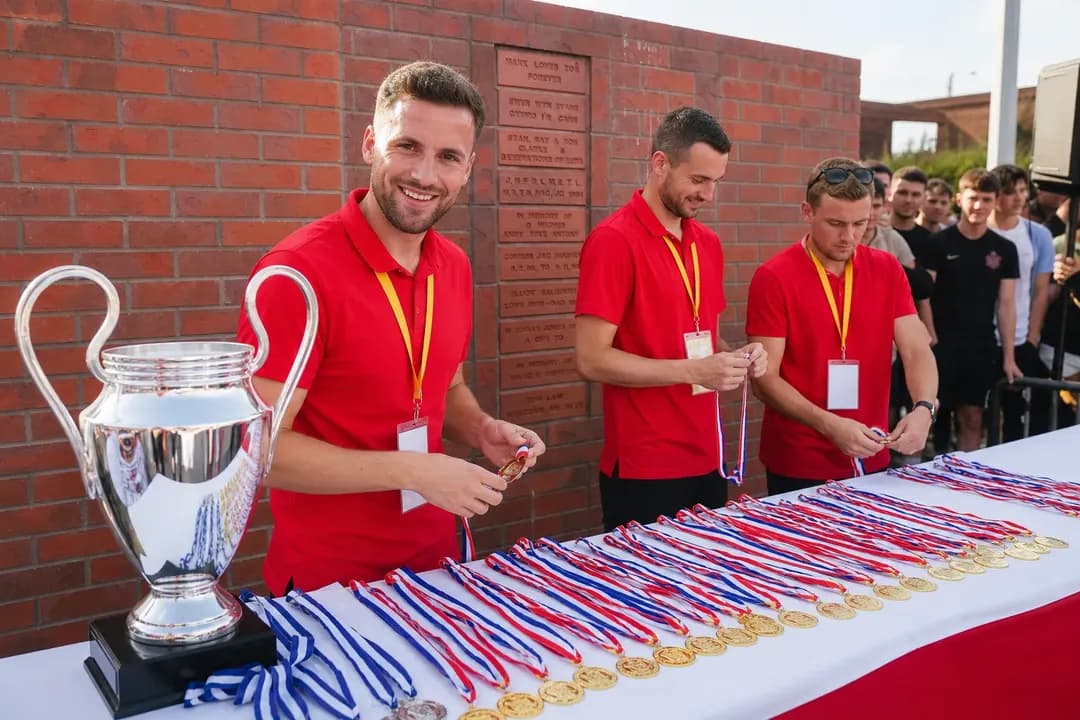 World Cup Trophy Ceremony Timing Medals and Postmatch Celebrations
 Olise and France's Attack: The Semifinal Tactical Question